Sinclair ZX Spectrum 128

Summary
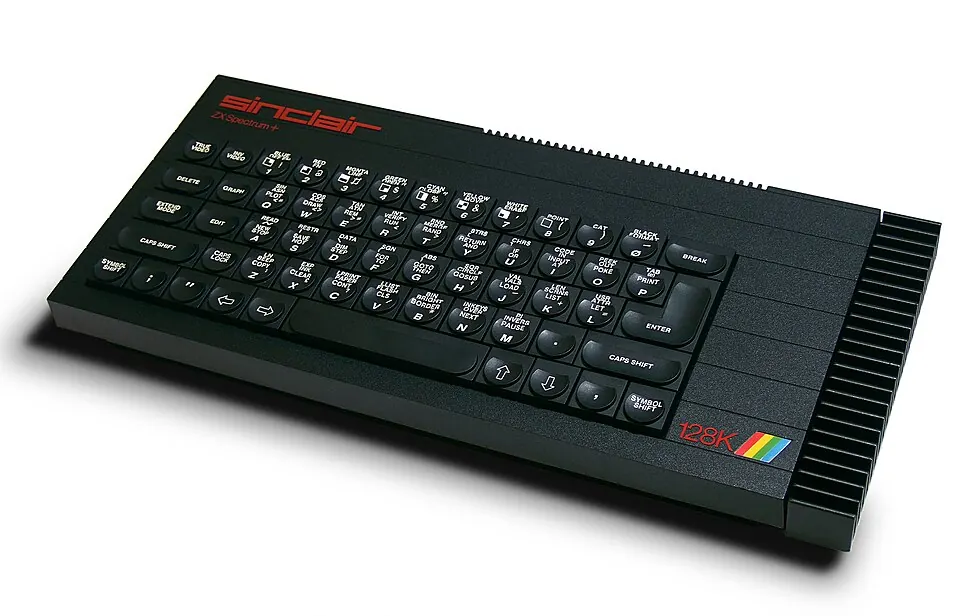
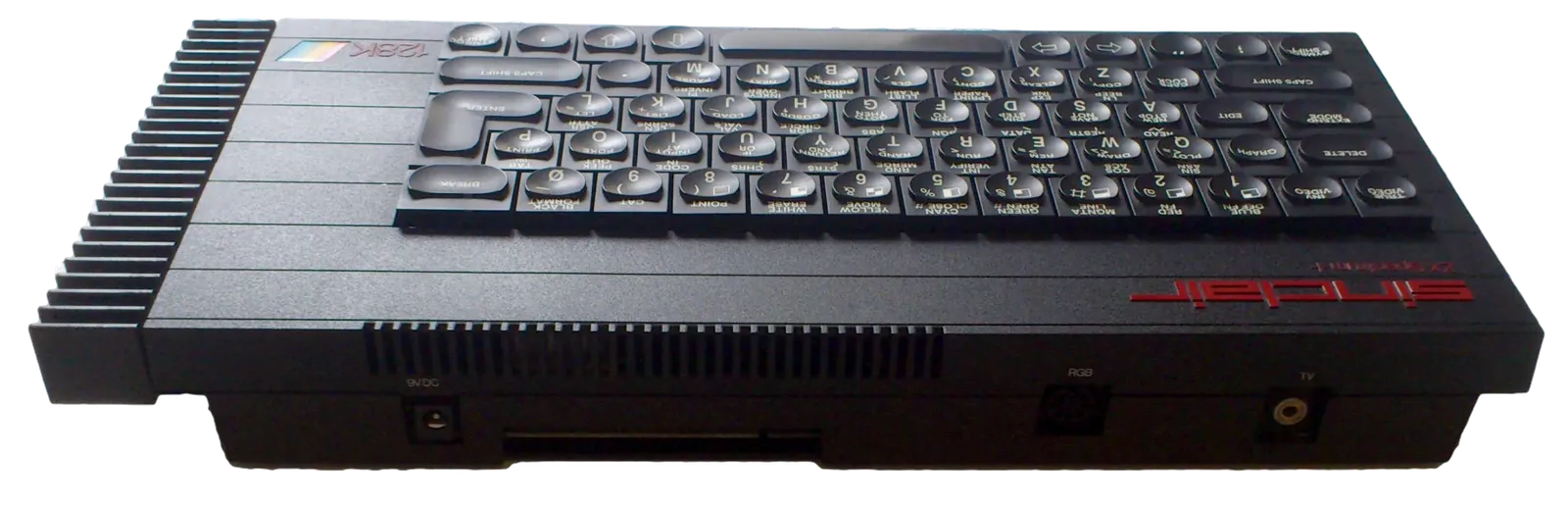
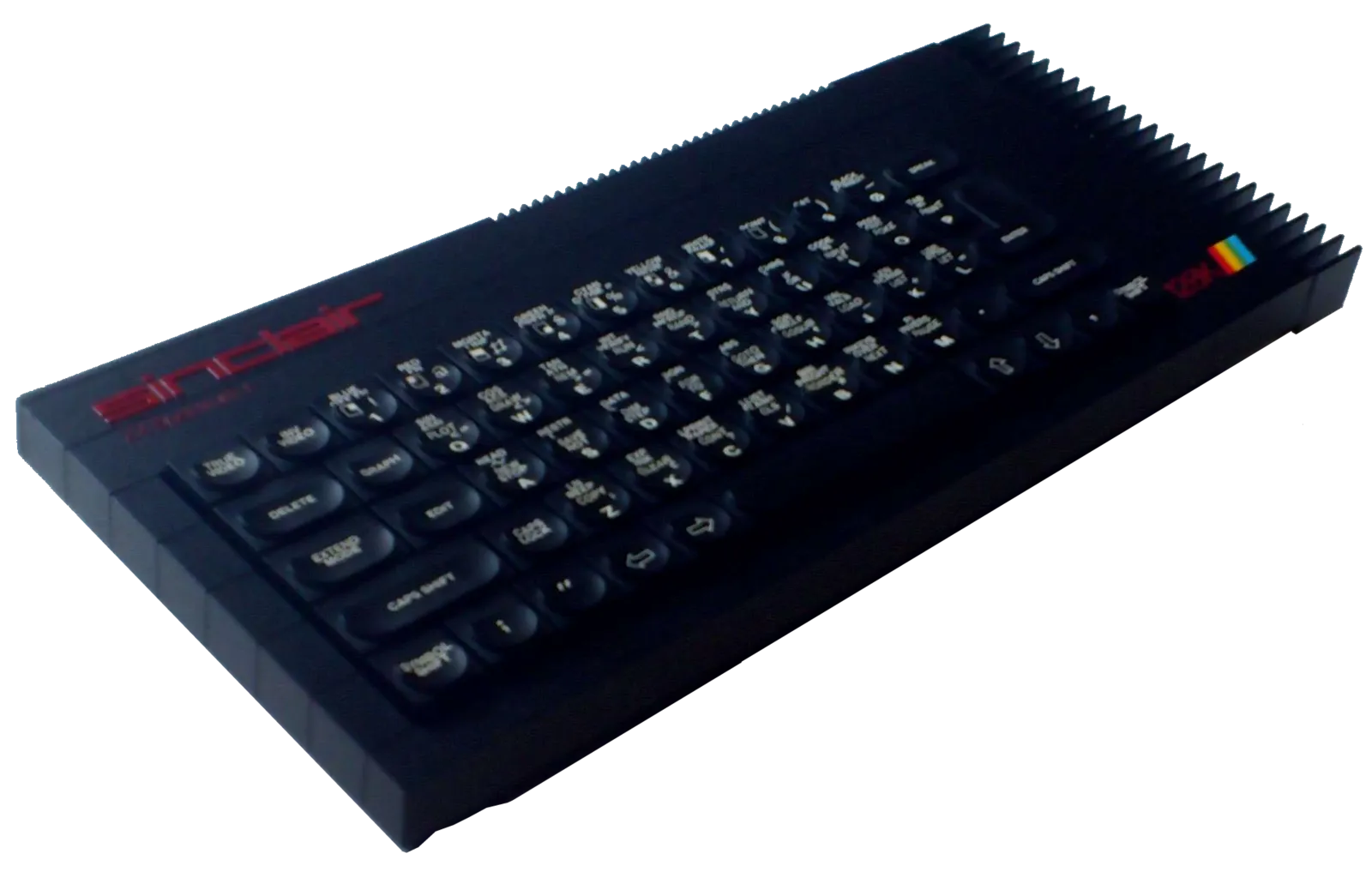
Since the ZX Spectrum 128 from Sinclair has a ZX Spectrum+ on the housing, this leads to amazement at the first moment. But the second label 128K makes it clear that it already stands out from the RAM of the predecessor ZX Spectrum+ equipped with 48 KiB, of the 128 KiB 104 KiB were usable. A second optical change concerns the right-mounted cooling fins intended for the internal voltage regulator (still an external 9 V power supply has been used). In addition to the external changes, a lot has also been done inside and at the interfaces: finally up-to-date 3-channel sound with an AY-3-8912 from General Instrument, RGB output and RS-232 port. The beeper of the predecessor has also been preserved, so that older software keeps its tone. The built-in speaker was removed, however, AY chip and beeper can be heard over the TV. Furthermore, the BASIC was extended, the ROM got bigger and after switching on there is a boot menu.
Historically, the ZX Spectrum 128 is interesting for two reasons. On the one hand, because he was the last Sinclair of “Sinclair” before the brand went to Amstrad, and on the other hand because the computer was not first published in England, but in Spain. In England, there were still unsold predecessors in the markets, and they were to be sold off. And so the computer first came on the market in Spain, about half a year later, in February 1986, followed the ZX Spectrum 128 in England. The Spanish version had added an external numeric keypad, which was later sold in England, but is now rare. Overall, the computer did not sell well, it was put on the market at the wrong time (February is not Christmas) and there were compatibility problems. After Amstrad’s takeover of Sinclair, the 128er disappeared after about half a year.
Family tree
- PredecessorZX Spectrum+
- This objectZX Spectrum 128
- SuccessorZX Spectrum +2
Connections in the collection
Software in the collection
- Sinclair (Amstrad) Spectrum Games and Software · 288 titles
Keywords
Acquire the complete collection.
The collection is offered as a whole. The inventory lists show which objects are included.