157 documentation pages
Home computers and single-board computers
Home computers and single-board computers in the collection, with a focus on the 8-, 16- and 32-bit eras. Accessories are documented separately.
The tiles link to documentation pages. To see which objects are in the collection and in what quantities, see the inventory further down this page.
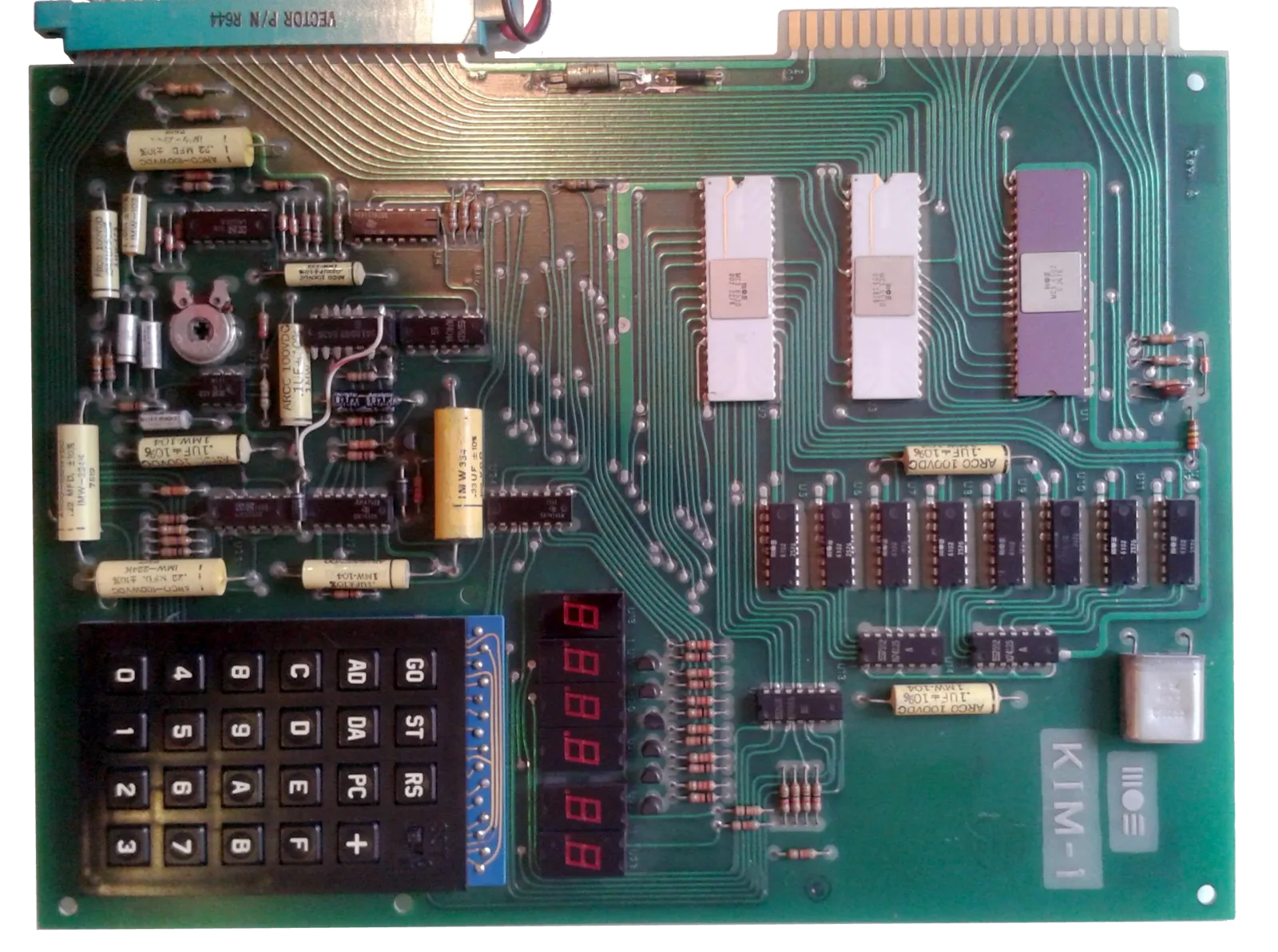
MOS Technology KIM-1
MOS Technology demonstrated the capabilities of its newly developed MCS6502 processor with this relatively simple single-board computer. In summer 1976, the …
Photo: own photograph
Open page
NEC TK-80 (training kit μCOM80)
The NEC TK-80 (Training Kit μCOM80) is one of the collection's learning and self-building systems.
Model illustration · Image: Akakage · CC BY-SA 3.0 · Source and original on Wikimedia Commons · WebP, resized where necessary
Open page
Apple II
On 10 June 1977, Apple launched a new generation of home computers with the Apple II. It was supplied as an assembled product rather than a kit.
Model illustration · Image: Rama & Musée Bolo · CC BY-SA 2.0 FR · Source and original on Wikimedia Commons · WebP, resized where necessary
Open page
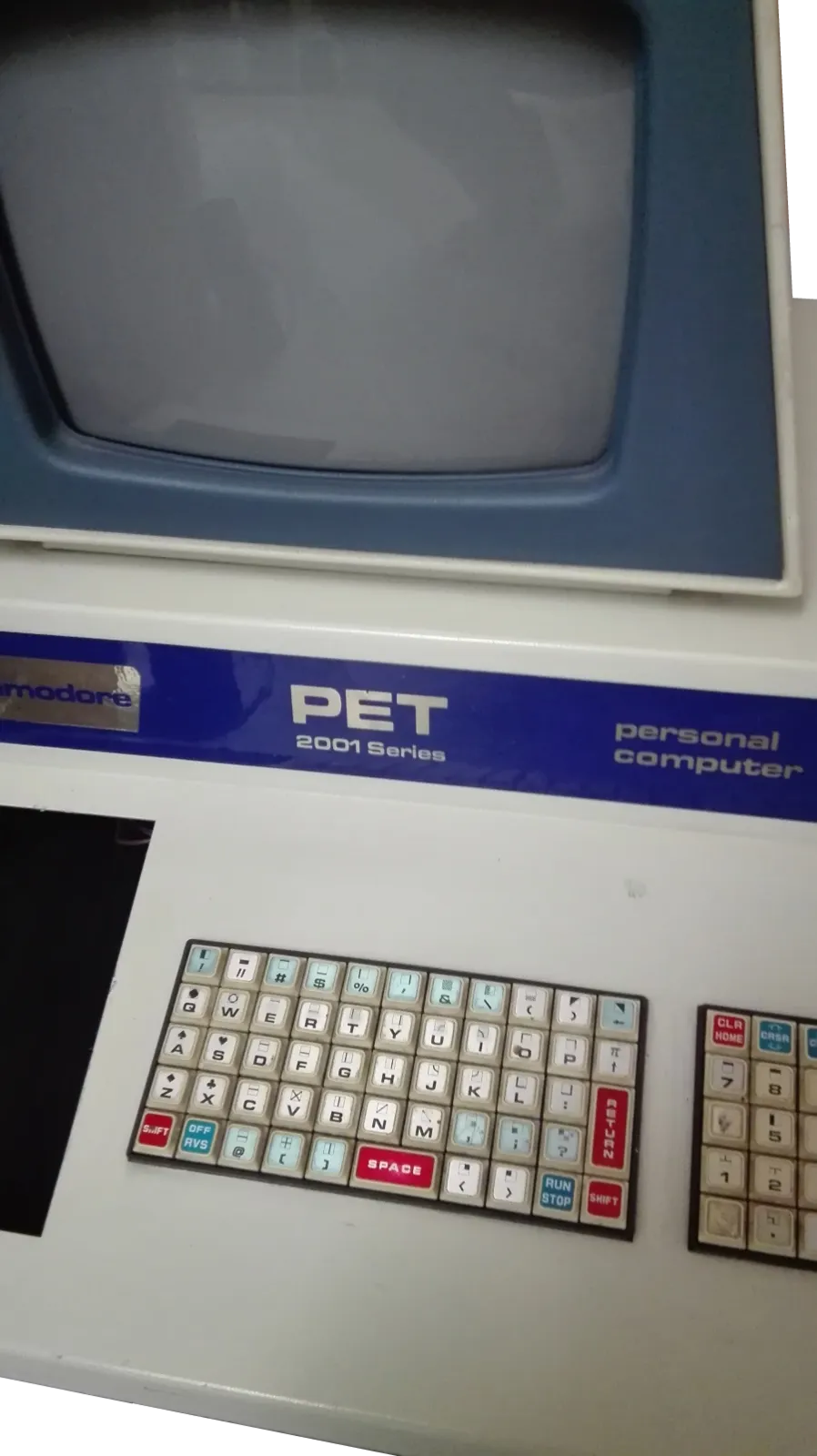
Commodore PET 2001
At the Consumer Electronics Show in January 1977, American company Commodore presented the Commodore PET 2001 (Personal Electronic Transactor), a computer with …
Photo: own photograph
Open page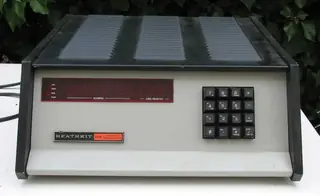
Heathkit H8
Heathkit is known in the USA for electronics kits, from radios to measuring instruments. In July 1977, it announced the H8 kit computer, costing US$379 as a …
Model illustration · Image: Arthur G Korwin Piotrowski · CC BY-SA 4.0 · Source and original on Wikimedia Commons · WebP, resized where necessary
Open page
MCS ALPHA 1
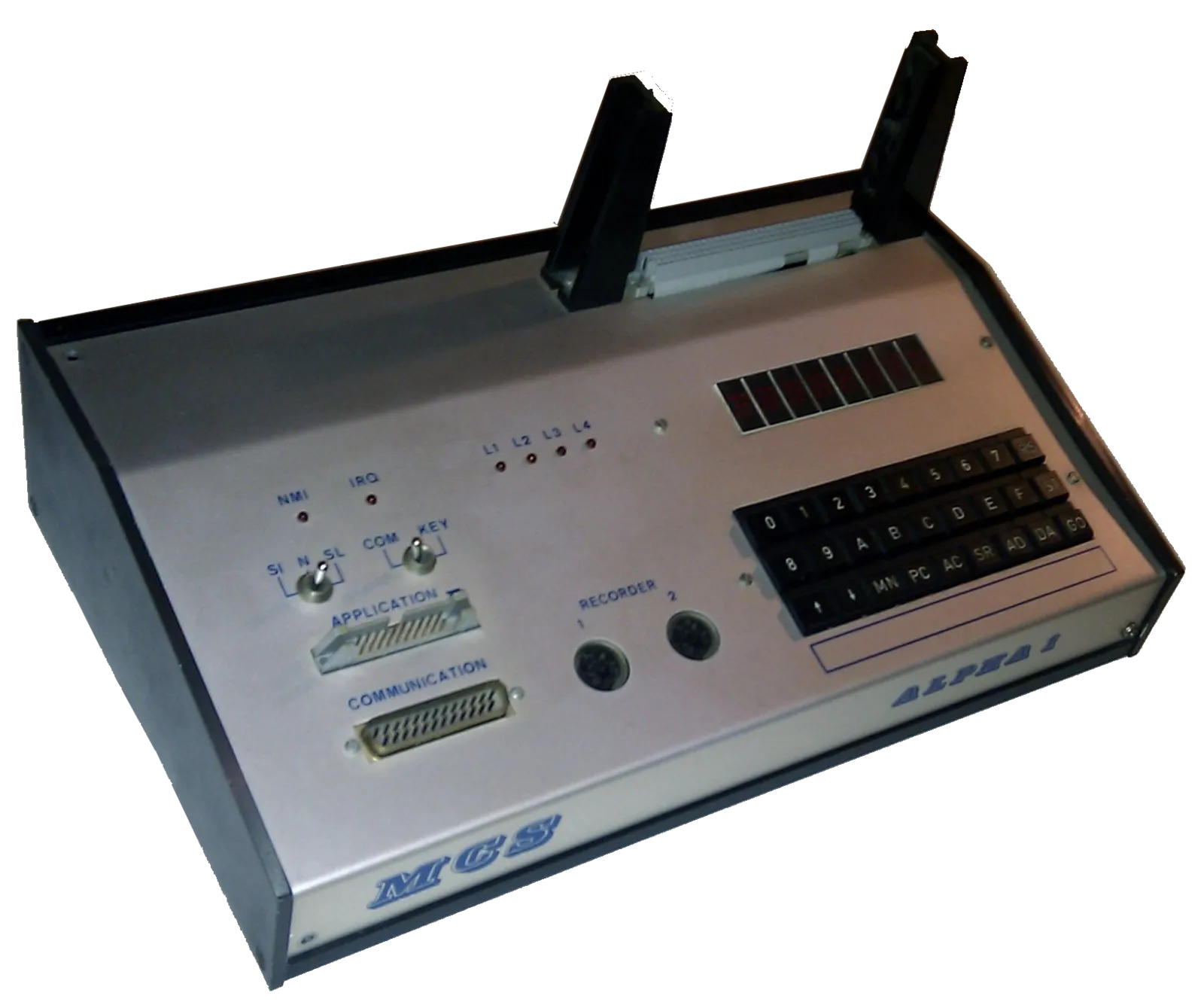
The ALPHA 1 from the Berlin-based company MCS (Micronic Computer Systeme GmbH) is an unusual computer from 1977 -- which had the MOS Technology KIM-1 as its …
Photo: own photograph
Open page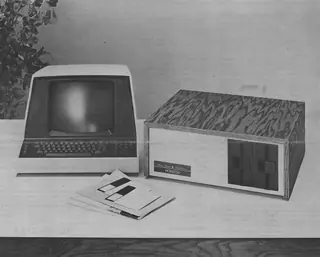
North Star Horizon
The Horizon from North Star Computers reached the market in autumn 1977, priced at US$1,599 as a kit or $1,899 assembled. It uses the S-100 bus, then the …
Model illustration · Image: Suspiciouscelery · CC0 1.0 · Source and original on Wikimedia Commons · WebP, resized where necessary
Open page
Rockwell AIM 65 (R6500 Microcomputer System)
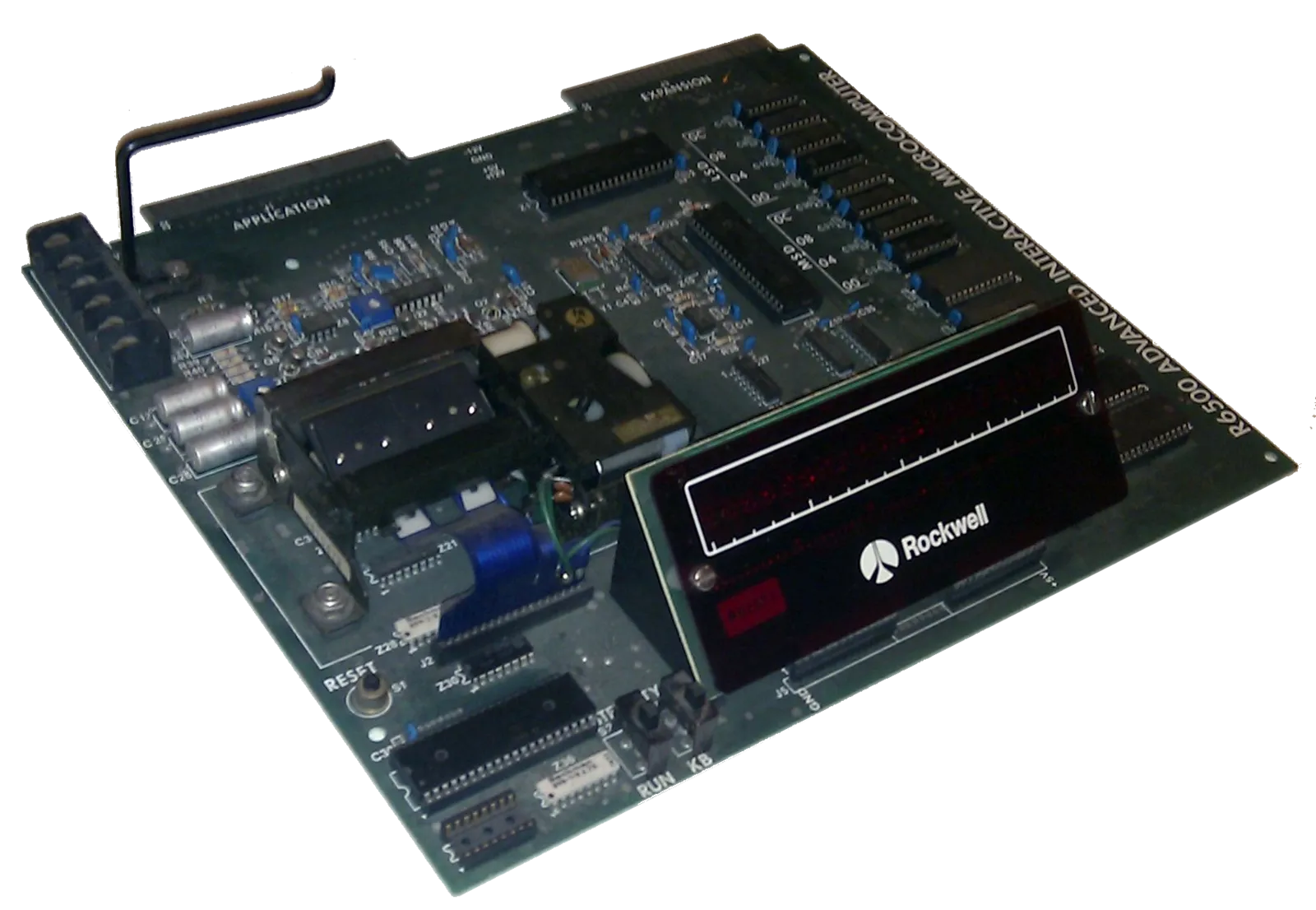
The AIM 65 (also R6500 Advanced Interactive Microcomputer (=AIM)) is an American home computer from Rockwell and is based on the MOS 6502. At the same time, in …
Photo: own photograph
Open page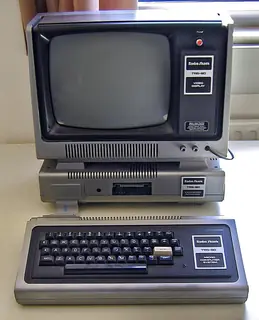
Tandy TRS-80 Model 1
The TRS-80 is one of the first home computers. The Z80 processor gives the computer its name: TRS-80 = Tandy Radio Shack - Z80. The American electronics …
Model illustration · Image: Modified version of image by Flominator (talk) (Minor changes by Ubcule) · CC BY-SA 3.0 · Source and original on Wikimedia Commons · Flominator · WebP, resized where necessary
Open page
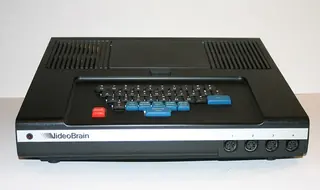
VideoBrain 101A
Umtech introduced the VideoBrain Family Computer at the end of 1977 for 499.95 USD, but due to the low success the production ends already in March 1978. The …
Model illustration · Image: Burton2008 · Public domain · Source and original on Wikimedia Commons · WebP, resized where necessary
Open page
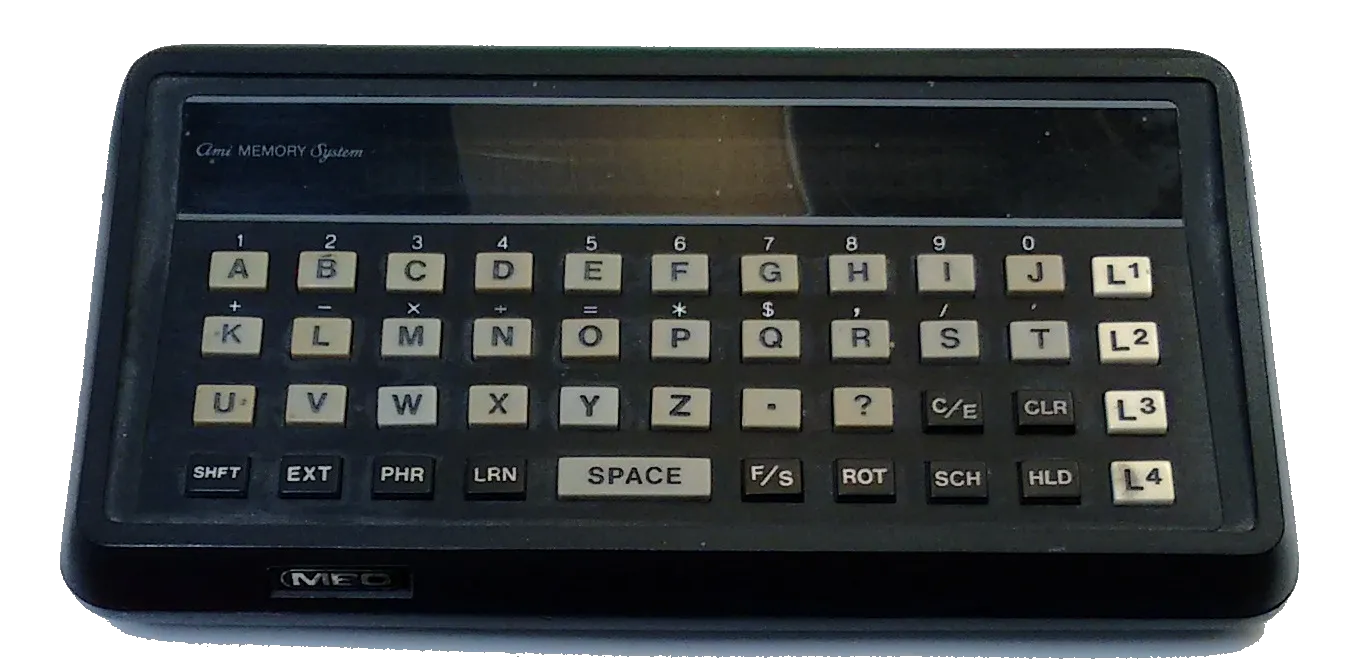
MBO Pocket Computer 2000
Calculator with 4 languages translation modules
Photo: own photograph
Open page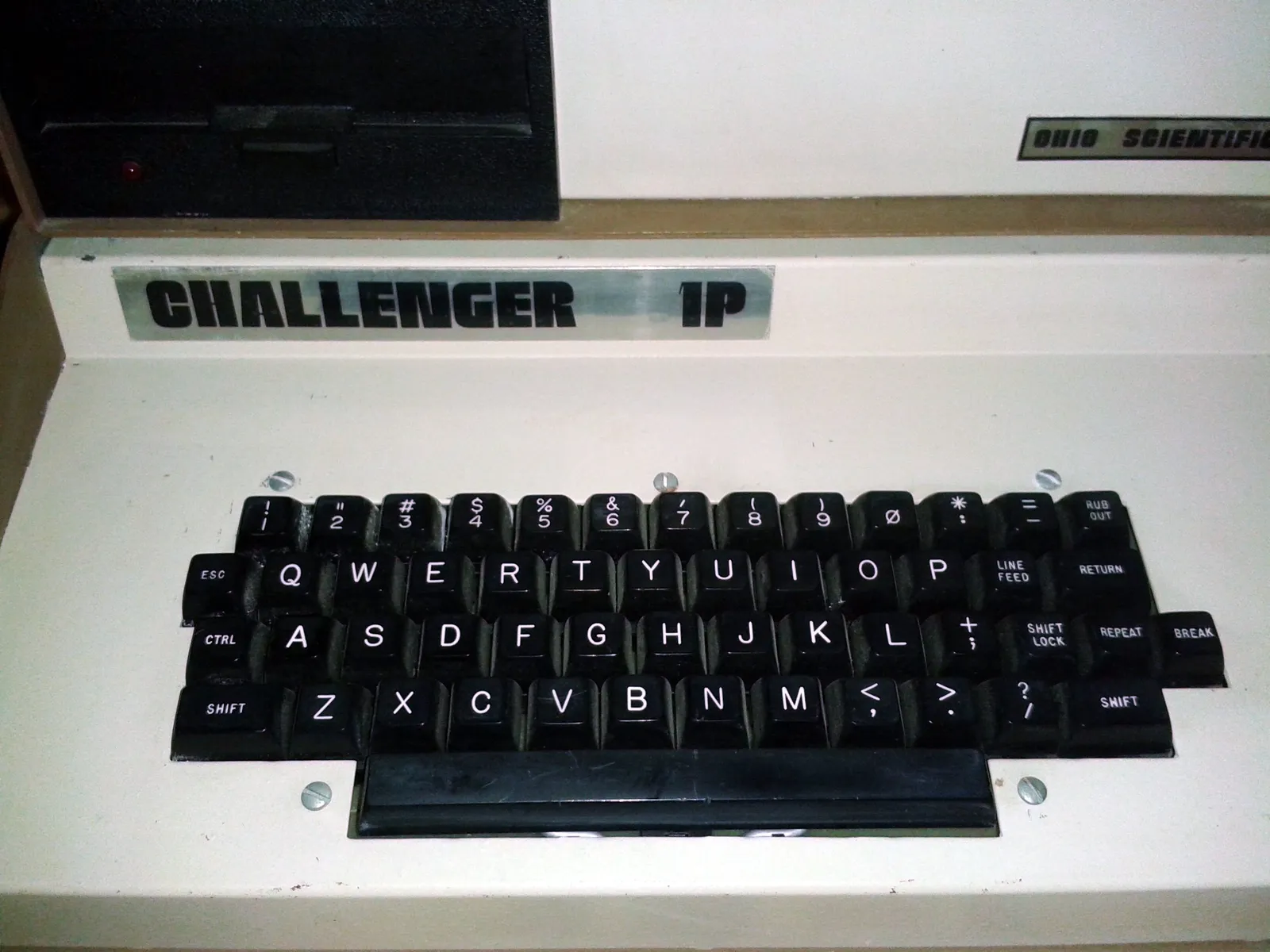
Ohio Scientific Challenger 1P
Ohio Scientific (OSI) was founded in Hiram, Ohio, in 1975 by Mike and Charity Cheiky and Dale A. Dreisbach. It began building 6502-based Challenger computers …
Photo: own photograph
Open page
Science of Cambridge MK14
In 1961, Clive Sinclair founded his first company in Cambridge, UK: Sinclair Radionics Ltd. He produces hifi devices, radios and calculators. He renamed the …
Model illustration · Image: 5M79 · CC BY-SA 3.0 · Source and original on Wikimedia Commons · WebP, resized where necessary
Open page
Sharp Mz-80
MZ-80 stands for a number of home computers with Z80 processor from Sharp. The line starts in 1978 with the MZ-80K (1978), and forms the basis for the MZ-80B …
Open page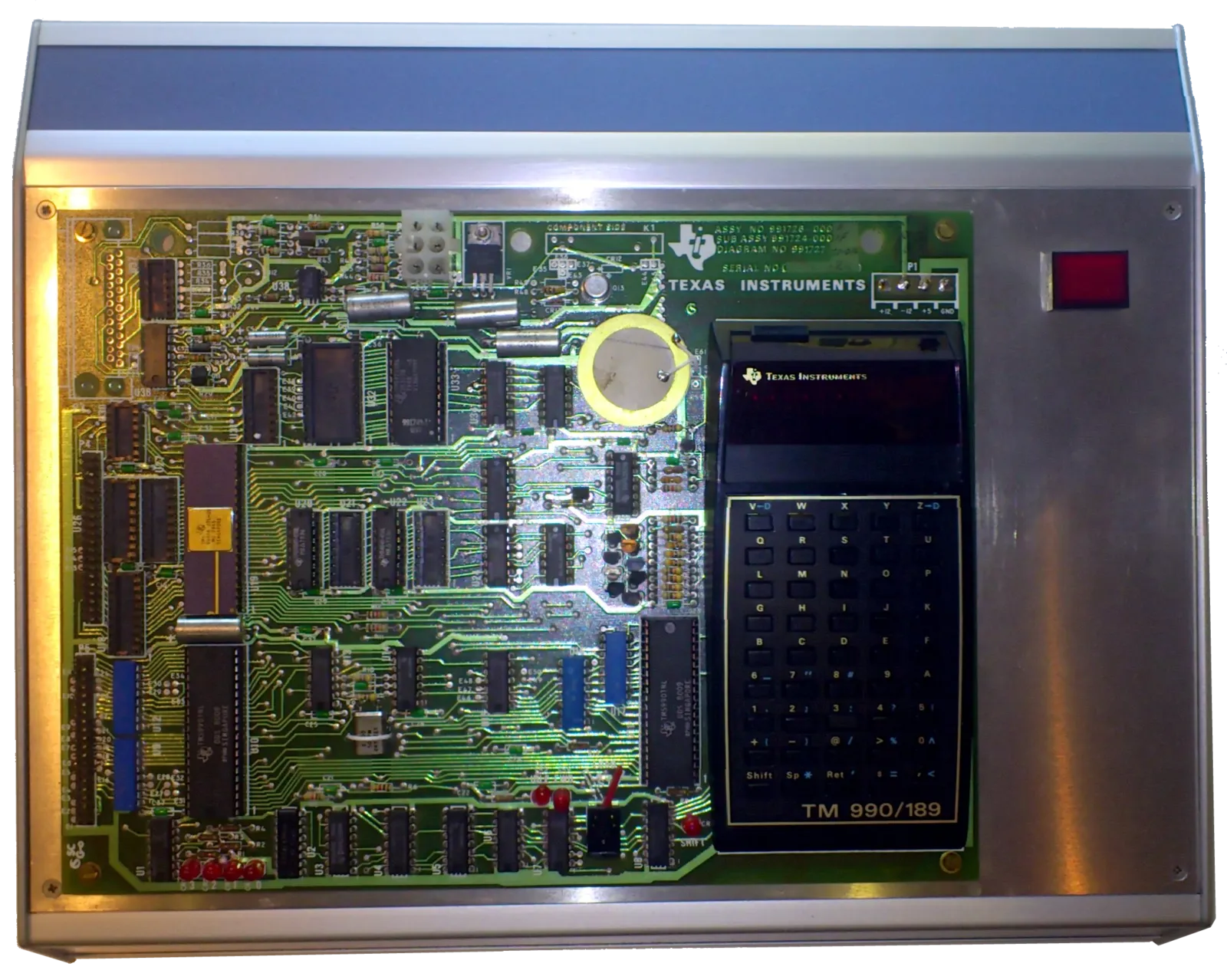
Texas Instruments TM 990/189
The TM 990/189 is a Texas Instruments 8-bit microcomputer. Built from 1978 to about 1981, the circuit board computer found its place in the training, was …
Photo: own photograph
Open page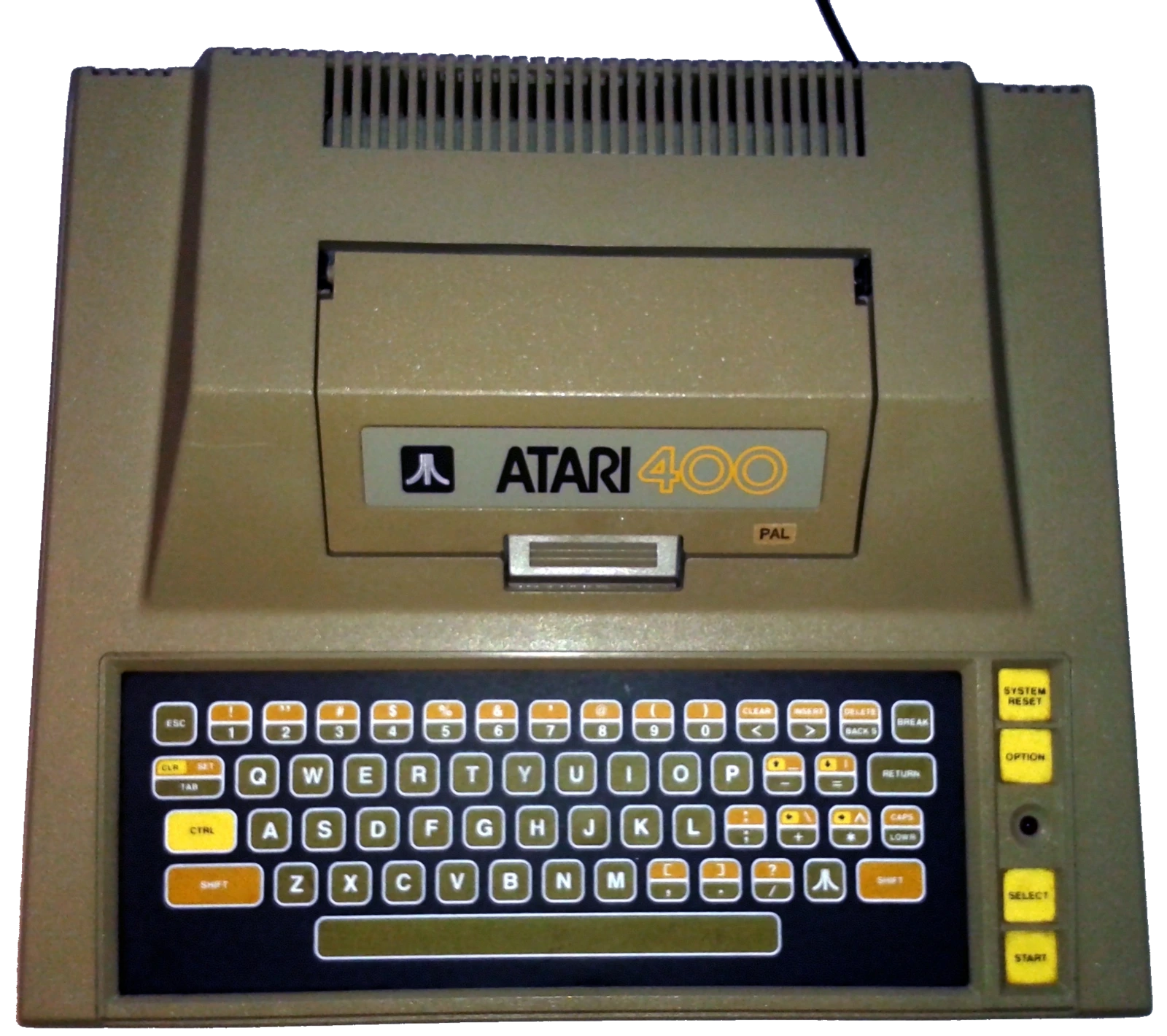
Atari 400/800
As the 2600 established itself among home consoles in the late 70s, Atari began planning its successor. Warner Communications had bought the company and …
Photo: own photograph
Open page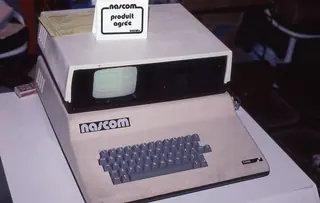
Nascom 2
The Nascom 2 is a British single-board kit computer, introduced in December 1979 for £295 plus VAT. Its Z80A can be switched between 2 and 4 MHz. The board …
Model illustration · Image: Swtpc6800 en:User:Swtpc6800 Michael Holley · Public domain · Source and original on Wikimedia Commons · WebP, resized where necessary
Open page
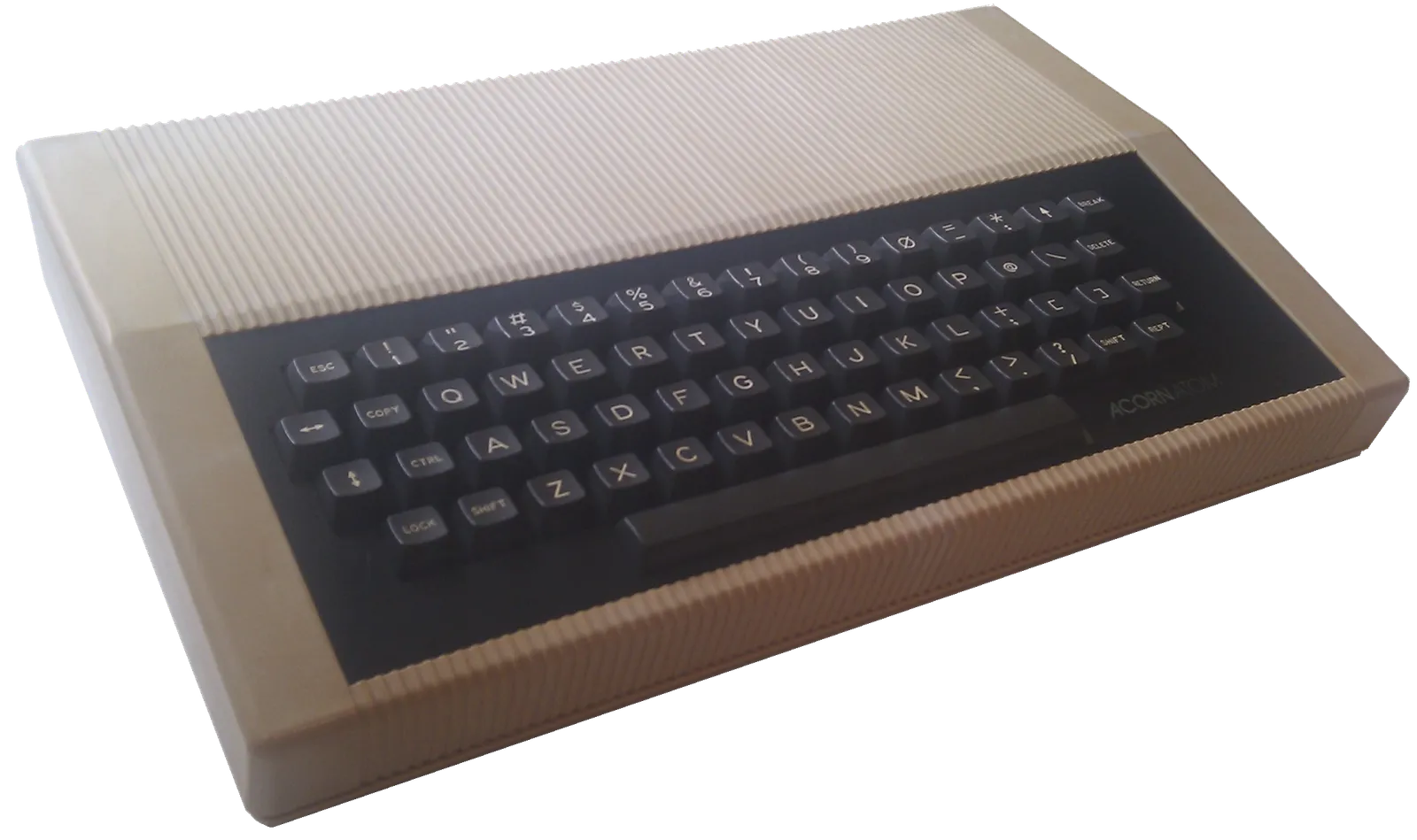
Acorn Atom
Released in 1980, the Atom was Acorn’s first computer aimed directly at consumers rather than electronics hobbyists. Alongside the assembled computer at £170 …
Photo: own photograph
Open page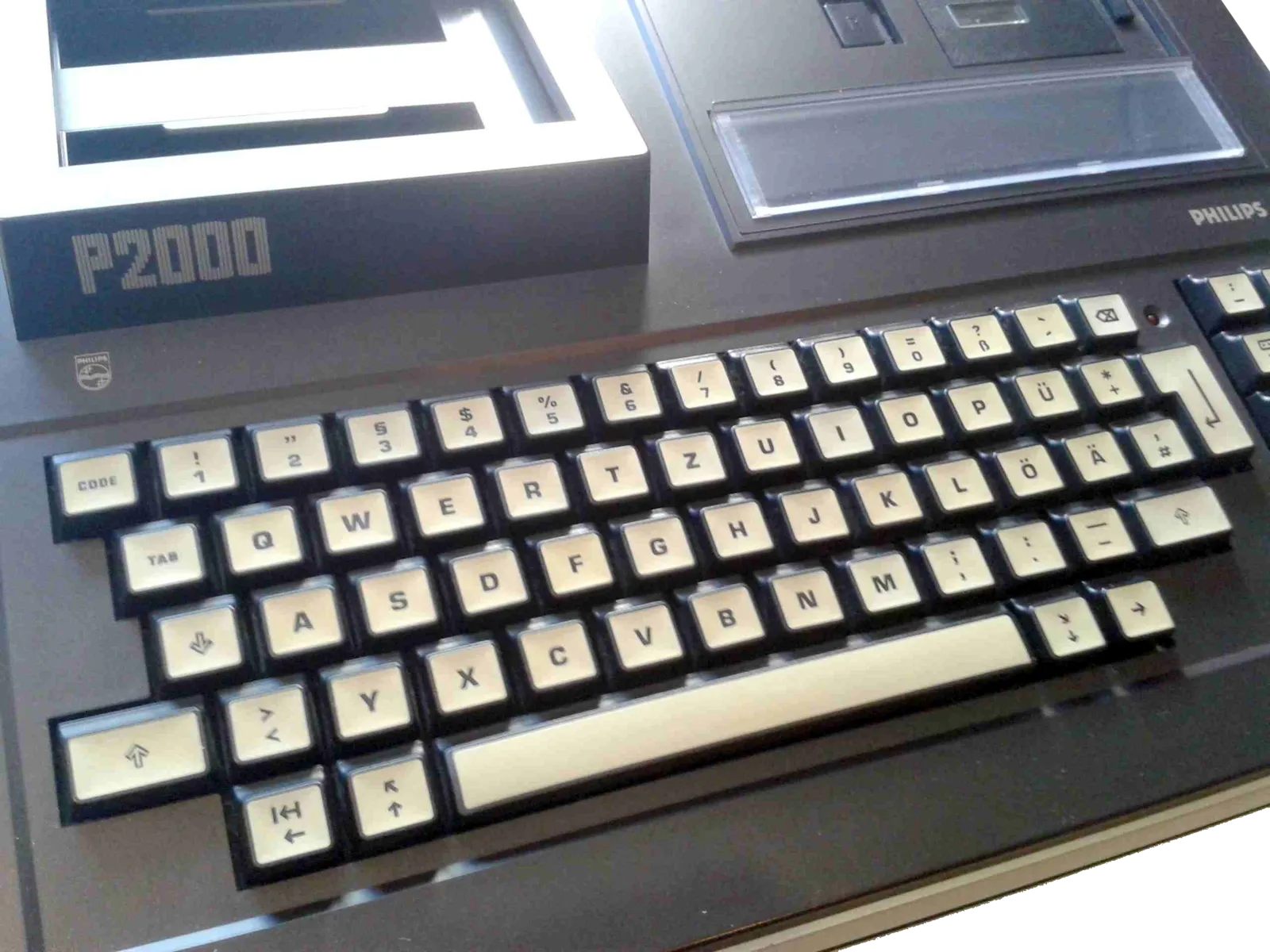
Philips P2000
Philips will launch the G7000 video game console on the market in 1978. From March 1980 Philips wants to build on the success with the home computer P2000. The …
Photo: own photograph
Open page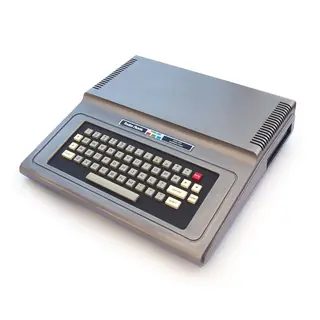
Radio Shack TRS-80 Color Computer
The TRS-80 Color Computer (CoCo) is a home computer of the Tandy Corporation, founded in Fort Worth in collaboration with Motorola. Although the CoCo belongs …
Model illustration · Image: Bilby · CC BY 3.0 · Source and original on Wikimedia Commons · WebP, resized where necessary
Open page
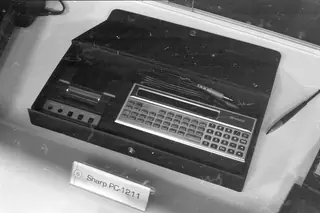
Sharp PC-1211
The SHARP PC-1210 is the first BASIC programmable pocket computer available in Germany.
Model illustration · Image: Rama · CC BY-SA 2.0 FR · Source and original on Wikimedia Commons · WebP, resized where necessary
Open page
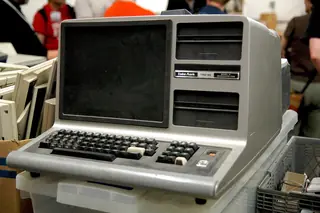
Tandy TRS-80 Model III
In July 1980, Tandy replaced the TRS-80 Model I with the Model III. New FCC radio-interference rules taking effect in 1981 prompted the change, as the Model I …
Model illustration · Image: Jeff Kubina · CC BY-SA 2.0 · Source and original on Wikimedia Commons · WebP, resized where necessary
Open page
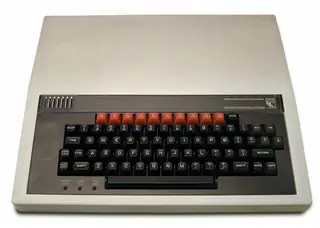
BBC Microcomputer
In the early 1980s, the BBC launched the Computer Literacy Project to explain the importance of computers to the British public. It wanted a computer capable …
Model illustration · Image: BBC_Micro.jpeg: Stuart Brady derivative work: Ubcule (talk) · Public domain · Source and original on Wikimedia Commons · WebP, resized where necessary
Open page

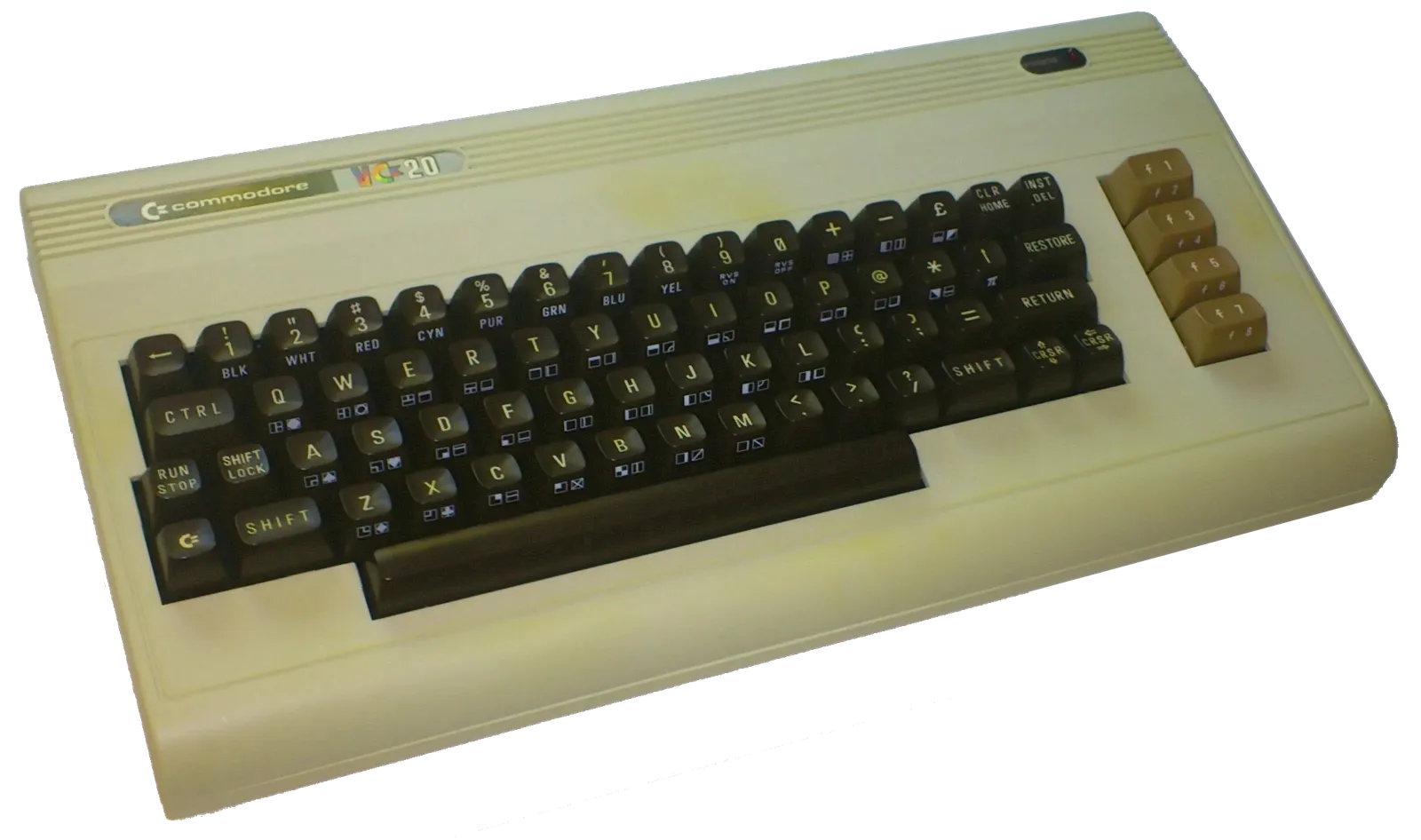
Commodore VC 20 (VIC 20)
The Commodore VC 20 is, after the Commodore PET, the second computer of the American company Commodore. In addition, it is the first Commodore home computer …
Photo: own photograph
Open page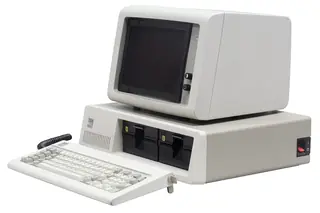
IBM Personal Computer 5150
On 12 August 1981, IBM introduced the IBM Personal Computer, model 5150. A small team in Boca Raton, Florida, led by William C. Lowe and Philip Don Estridge …
Model illustration · Image: Rama & Musée Bolo · CC BY-SA 2.0 FR · Source and original on Wikimedia Commons · WebP, resized where necessary
Open page
National JR-100
In the 1980s Matsushita Electric (from 2008 Panasonic) produced the JR home computer series with the JR-100, JR-200, JR-300 and JR-800. In 1981 the National …
Open page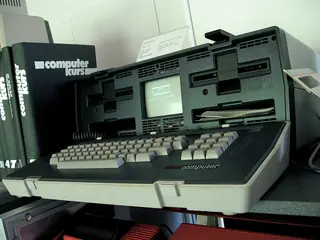
Osborne 1
The Osborne 1 is regarded as the first commercially successful portable computer. Adam Osborne founded the Osborne Computer Corporation for the project, and …
Model illustration · Image: Marcin Wichary · CC BY 2.0 · Source and original on Wikimedia Commons · WebP, resized where necessary
Open page
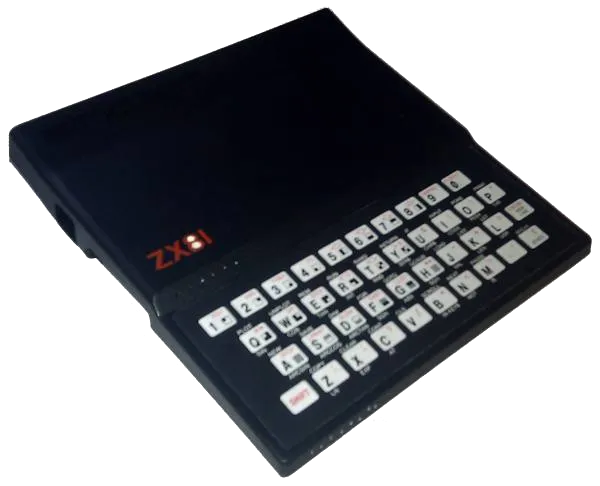
Sinclair ZX81
In 1980, the British company Sinclair Research launched the ZX80 for under $200. A year later, the new and improved version ZX81 will be released for half the …
Photo: own photograph
Open page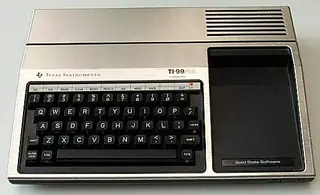
Texas Instruments TI-99/4A
In November 1979, the TI-99/4 was the first home computer of Texas Instruments in the United States. The combination of computers and matching TVs is sold by …
Model illustration · Image: No machine-readable author provided. SanderK assumed (based on copyright claims). · Public domain · Source and original on Wikimedia Commons · WebP, resized where necessary
Open page
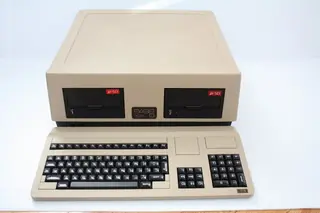
BASIS 108
BASIS 108: the computer of Basis Microcomputer GmbH in the device catalog of The 1000 Collection.
Model illustration · Image: Snuci · Public domain · Source and original on Wikimedia Commons · WebP, resized where necessary
Open page
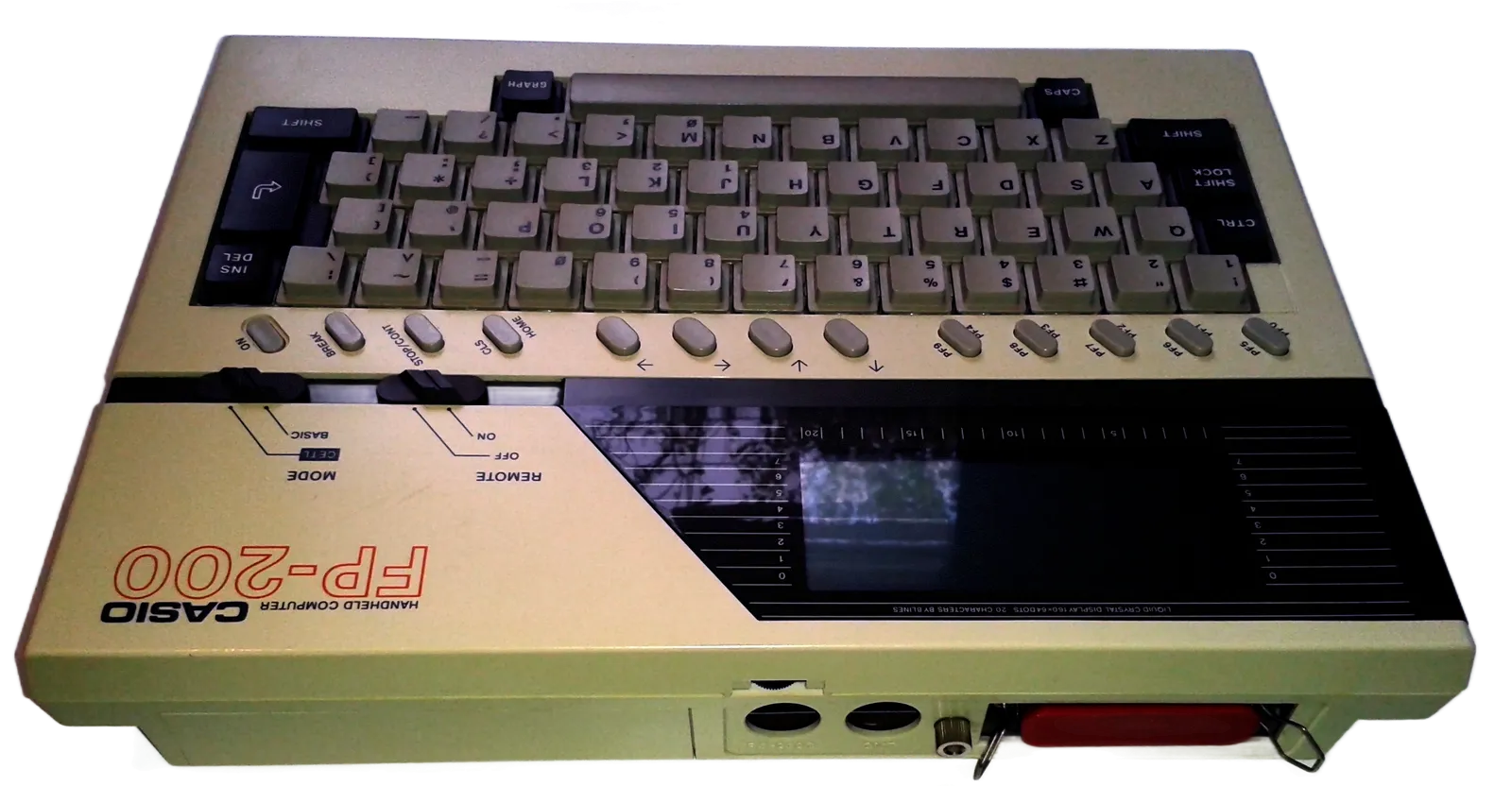
Casio FP-200
Casio FP-200: the device entry with a photograph of the computer and a secondary source.
Photo: own photograph
Open page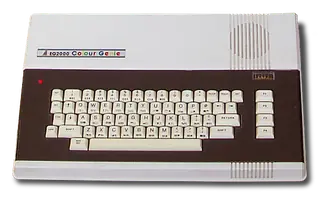
Colour Genie (EG2000)
The company EACA from Hong Kong builds computers from 1975 to 1983, such as Apple II clones and computers based on Tandy's TRS-80. The latter appear as Video …
Model illustration · Image: EG2000_Colour_Genie_01.jpg: Original uploader was EXX at en.wikipedia derivative work: Ubcule (talk) · Public domain · Source and original on Wikimedia Commons · WebP, resized where necessary
Open page

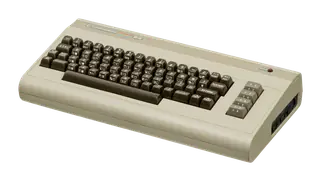
Commodore 64 (C64, bread box)
In January 1982 Commodore introduced the Commodore 64 (C64). The fans affectionately call the computer because of its form "breadbox". At the beginning of 1983 …
Model illustration · Image: Evan-Amos · Public domain · Source and original on Wikimedia Commons · WebP, resized where necessary
Open page
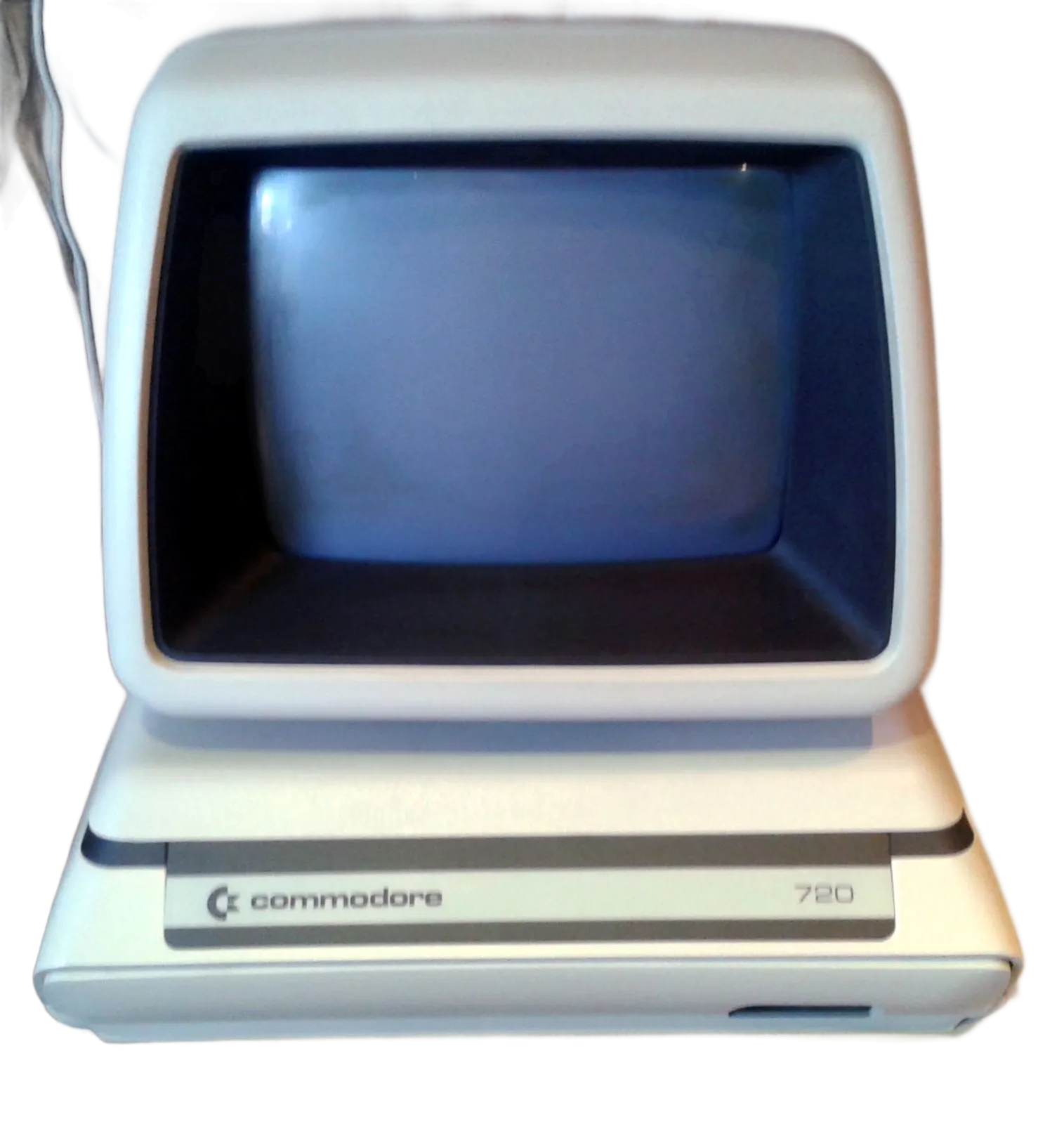
Commodore CBM 600 and 720
Commodore intended the CBM-II series to succeed the PET in 1982. The business models display 80 characters per line on a monochrome screen. Their MOS 6509 …
Photo: own photograph
Open page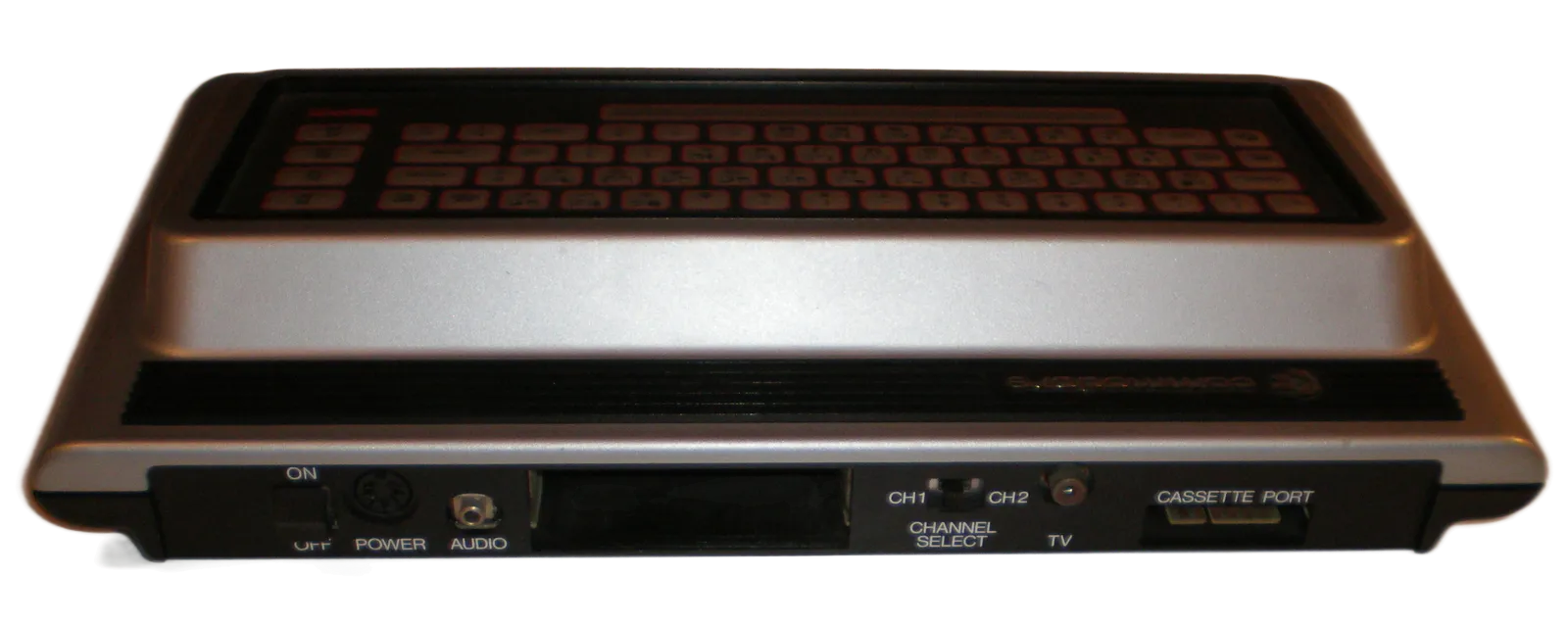
Commodore MAX Machine
The VIC-20 is a great success, thanks to the video interface chip (VIC) produced by MOS, which produces sound and graphics. Commodore expands the VIC …
Photo: own photograph
Open page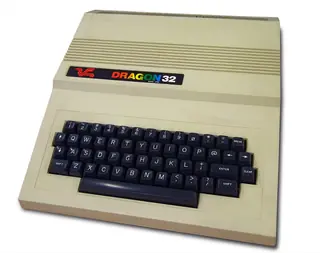
Dragon 32
The Dragon 32 is a home computer made by Dragon Data (now insolvent) that was popular in England in the 80s. Its appeal lay in its low price and broad software …
Model illustration · Image: Liftarn, Editing by: Bill Bertram (Pixel8) · CC BY-SA 2.0 · Source and original on Wikimedia Commons · WebP, resized where necessary
Open page
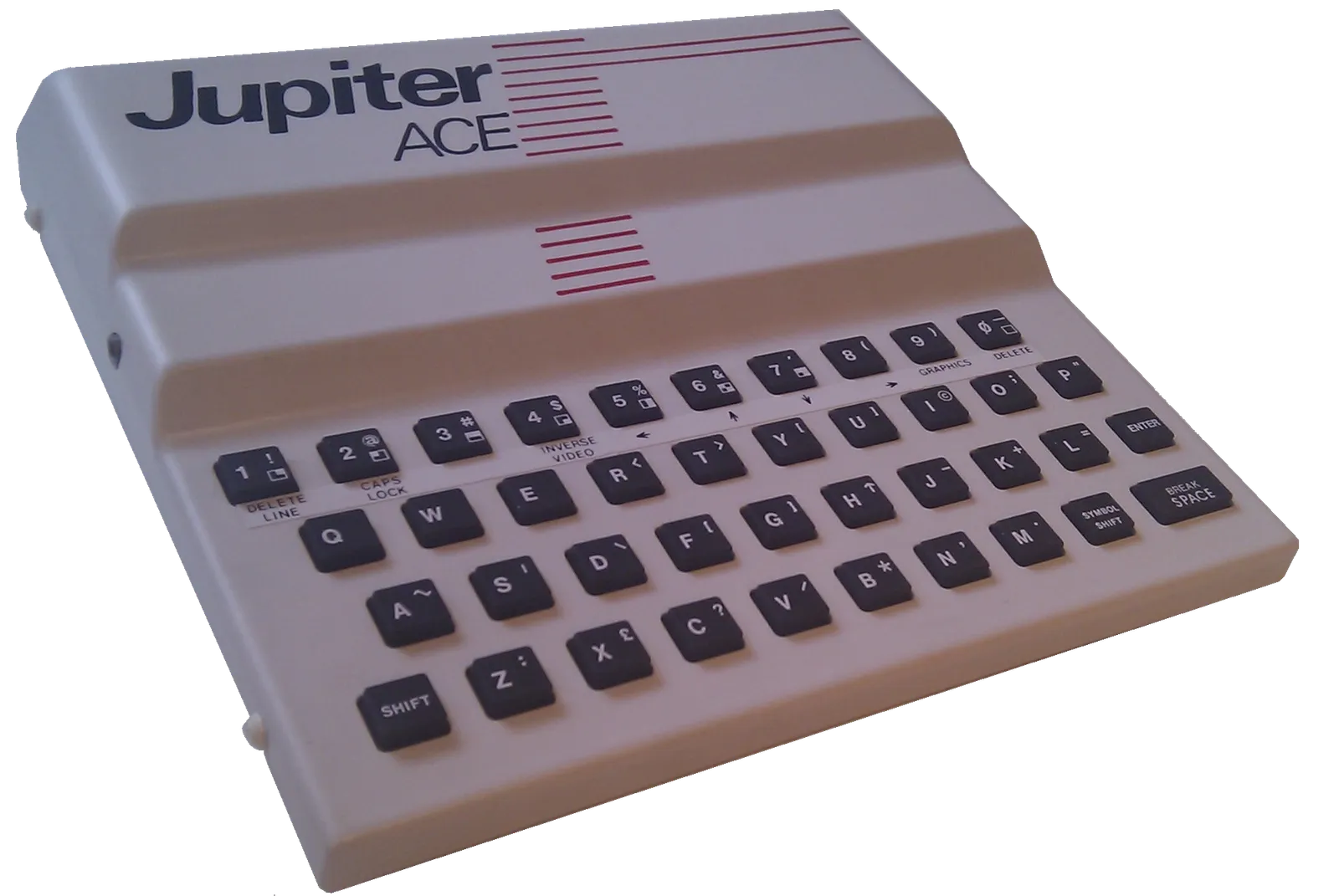
Jupiter Ace
Engineer Richard Altwasser and software developer Steven Vickers played major roles in developing the Sinclair ZX Spectrum. After completing it, they founded …
Photo: own photograph
Open page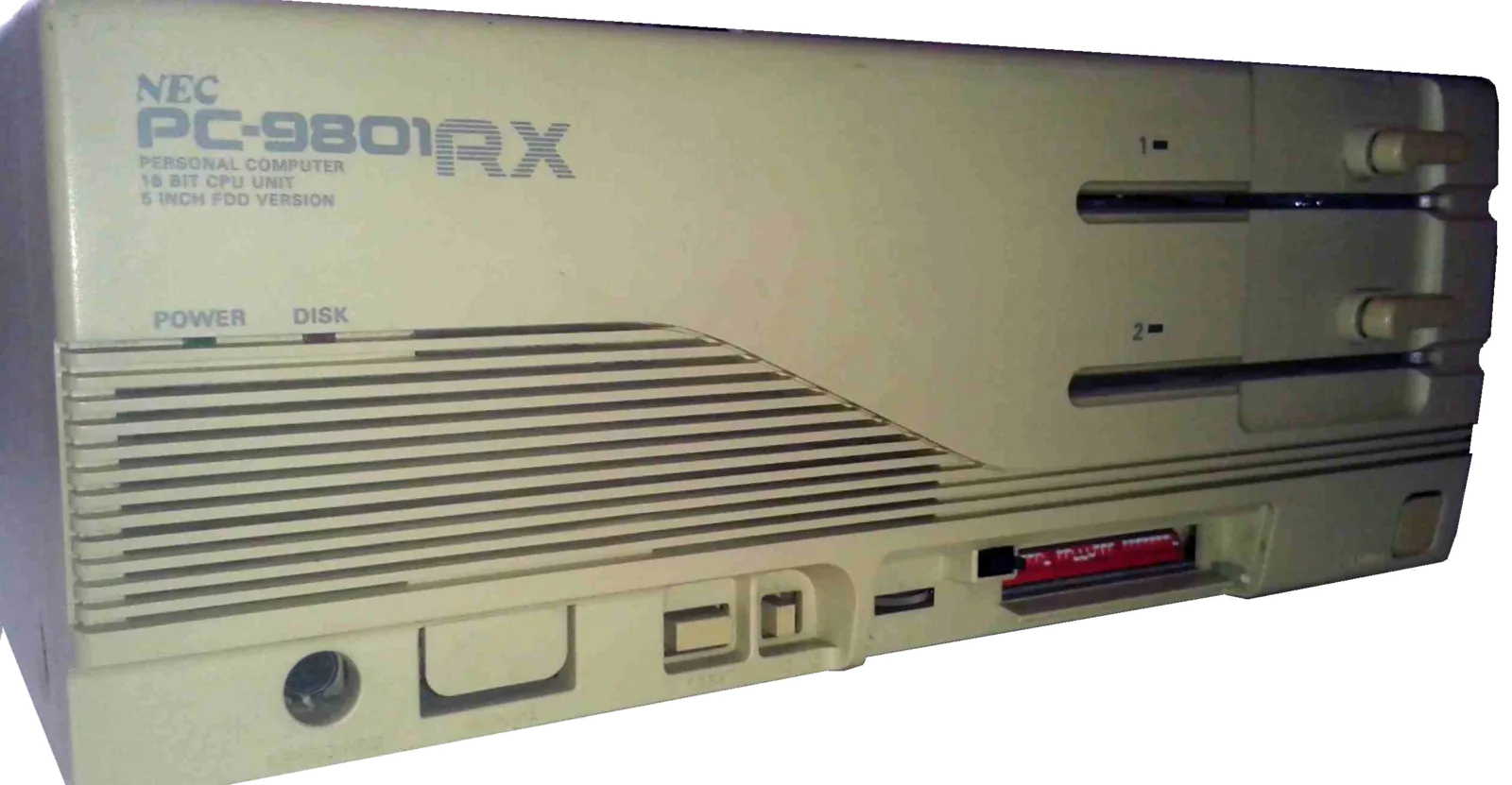
NEC PC-9801 and Epson PC Club
NEC released the PC-9801 in October 1982, establishing the PC-98 family that dominated Japan's computer market for more than fifteen years. The first model …
Photo: own photograph
Open page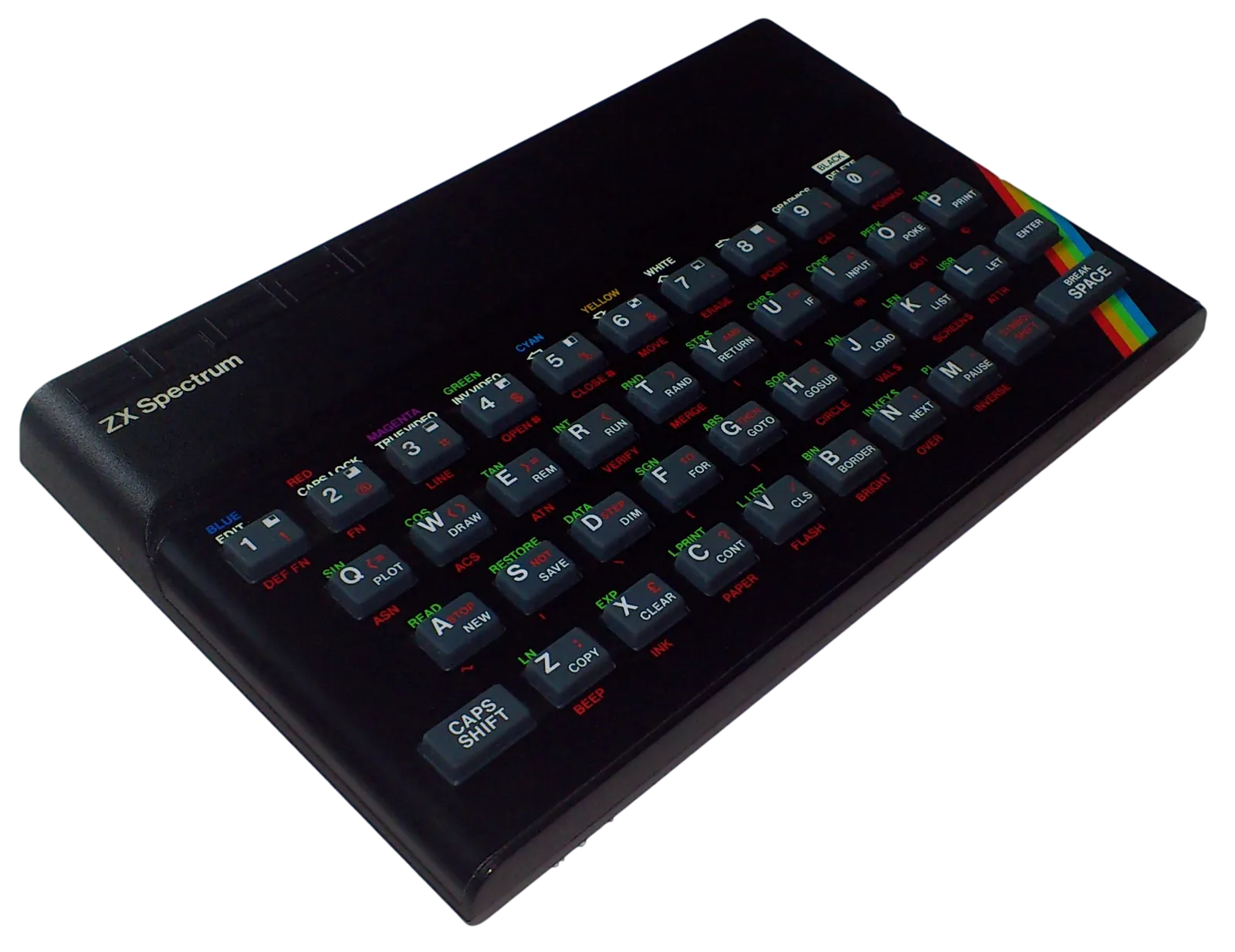
Sinclair ZX Spectrum
In 1982 the British company Sinclair Research Ltd. introduced the Sinclair ZX Spectrum as a successor to the Sinclair ZX81. Like its predecessor, it is based …
Photo: own photograph
Open page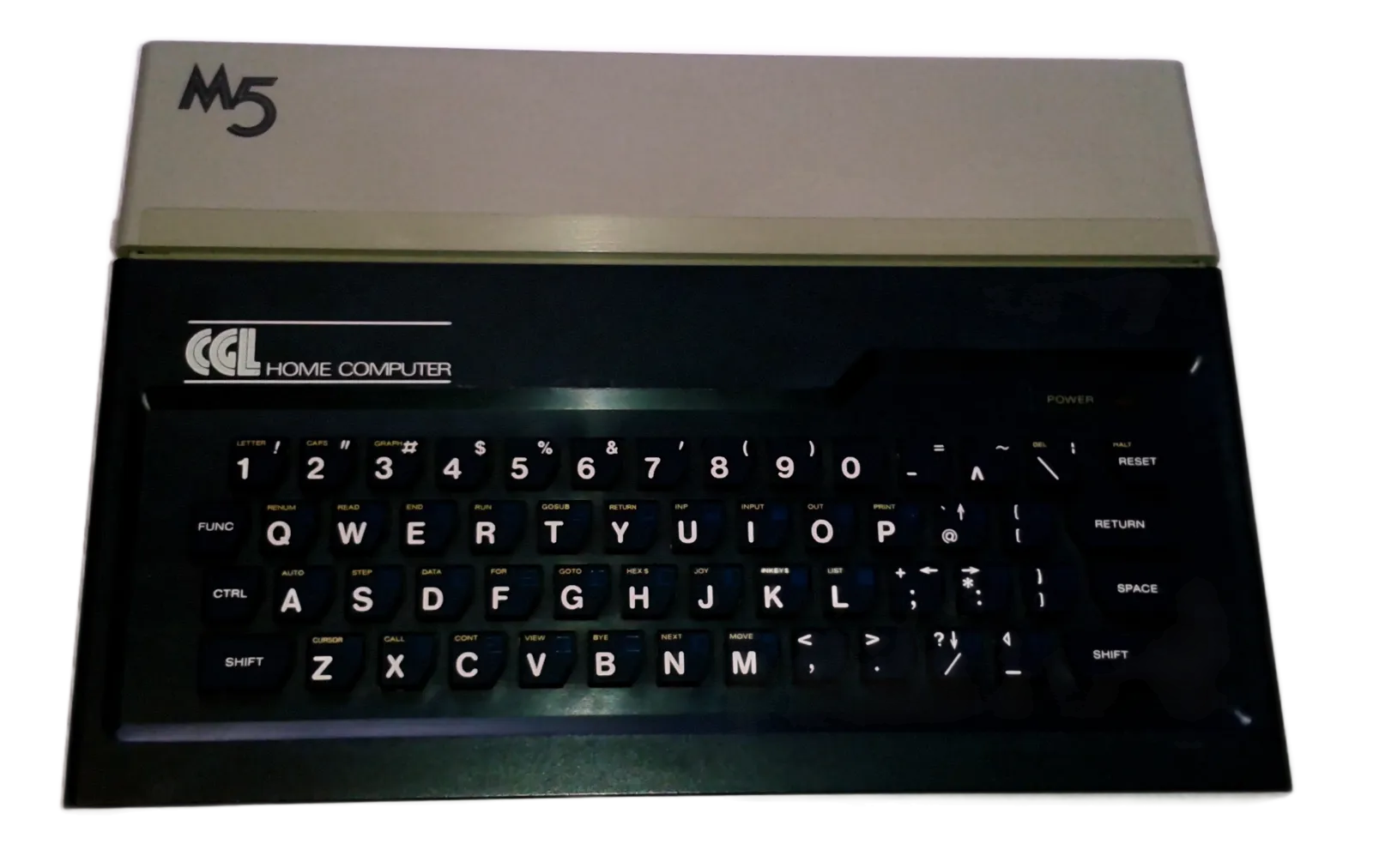
Sord M5 (CGL M5)
The M5 from Japan's Sord Computer Corporation appeared in Japan in November 1982. Computer Games Limited sold it in Britain as the CGL M5. It has a 3.58 MHz …
Photo: own photograph
Open page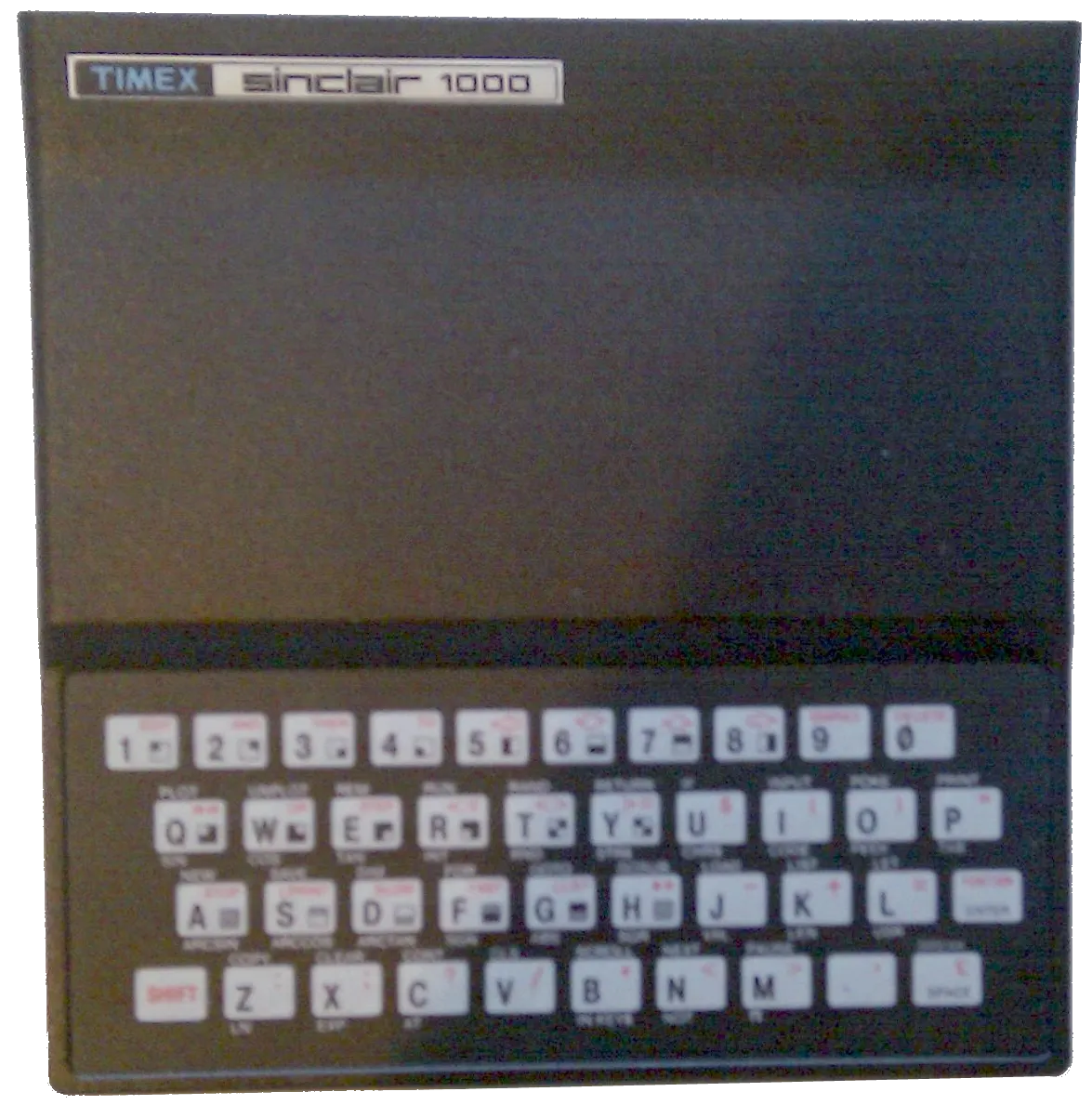
Timex Sinclair 1000
Timex Sinclair 1000: the device entry with a classification in the model series next to the Timex Sinclair 1500.
Photo: own photograph
Open page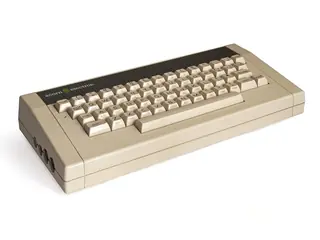
Acorn Electron
The Electron is the inexpensive smaller sibling of the BBC Micro. Acorn introduced it on 25 August 1983 for £199. A custom Ferranti ULA handles graphics …
Model illustration · Image: Bilby · CC BY 3.0 · Source and original on Wikimedia Commons · WebP, resized where necessary
Open page
AEG Logistat P025 MICROCOMPUTER PC-8201A
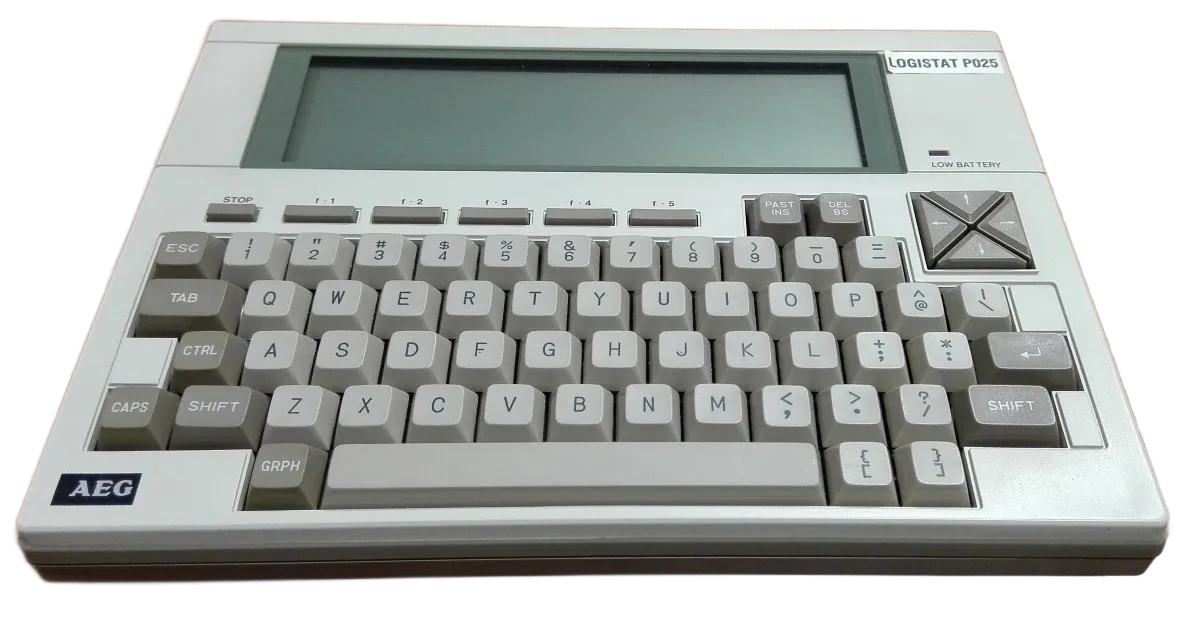
AEG Logistat P025 MICROCOMPUTER PC-8201A: the device entry with a photograph of the computer and a secondary image source.
Photo: own photograph
Open page
Alphatronic PC from Triumph-Adler
The Alphatronic PC (also spelled alphaTronic PC) is a mix of home computer and business computer, which was mainly sold in Germany. Triumph-Adler has come from …
Model illustration · Image: Dops · CC BY-SA 3.0 · Source and original on Wikimedia Commons · WebP, resized where necessary
Open page
Apple IIe, DuoDisk and Monitor
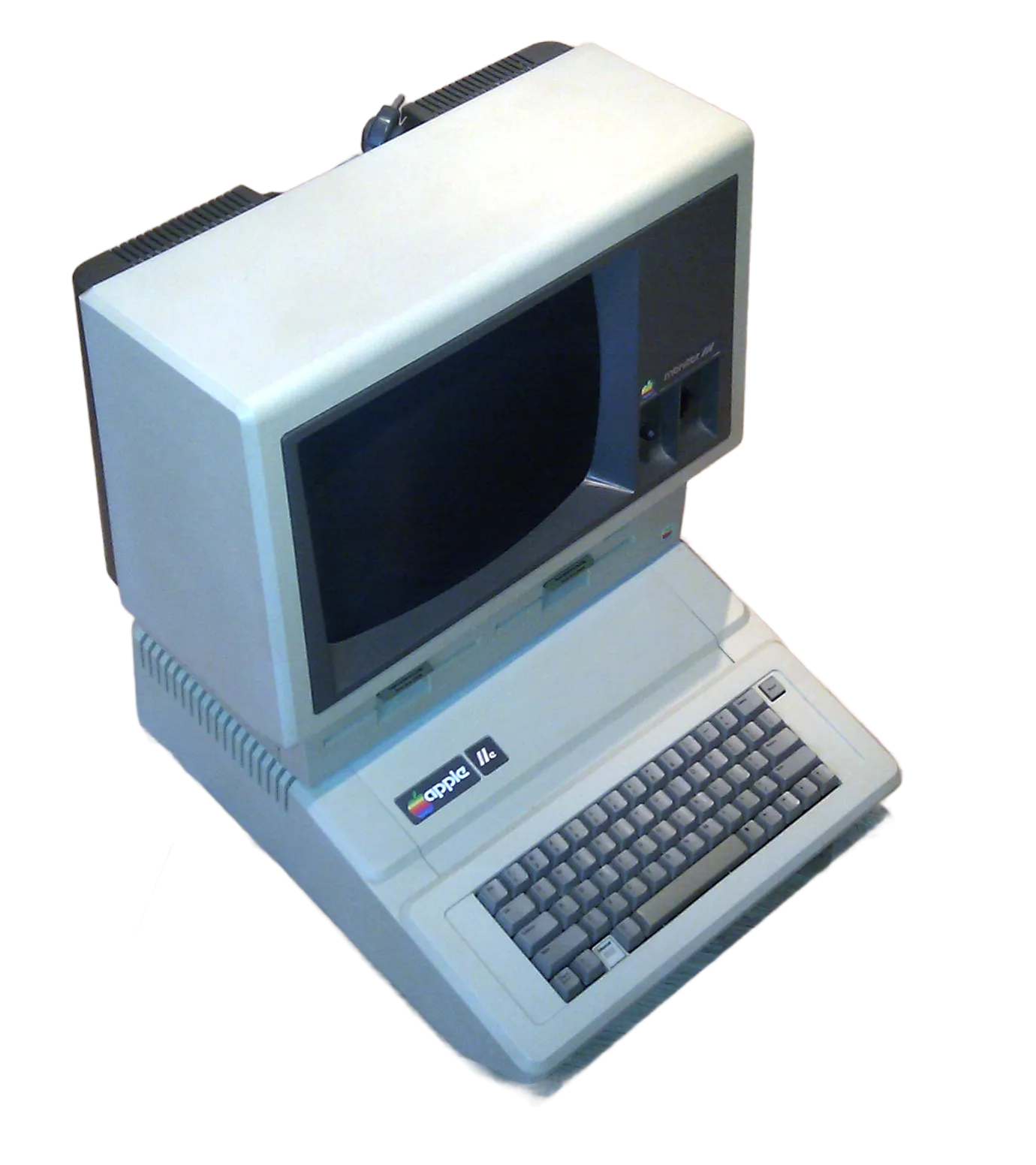
The Apple IIe was one of Apple’s most successful mass-market computers. The Apple II range began in 1977 with the Apple II, followed two years later by the …
Photo: own photograph
Open page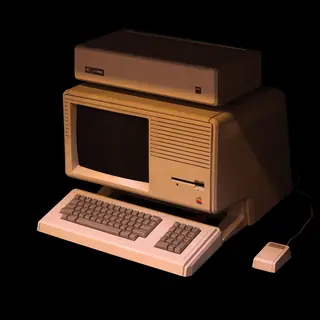
Apple Lisa
Apple released the Lisa 1983; it is considered the first personal computer with mouse and keyboard. The operating system Lisa OS offers a graphical …
Model illustration · Image: Rama & Musée Bolo · CC BY-SA 2.0 FR · Source and original on Wikimedia Commons · Photograph by Rama, Wikimedia Commons, Cc-by-sa-2.0-fr · WebP, resized where necessary
Open page
Atari 600XL
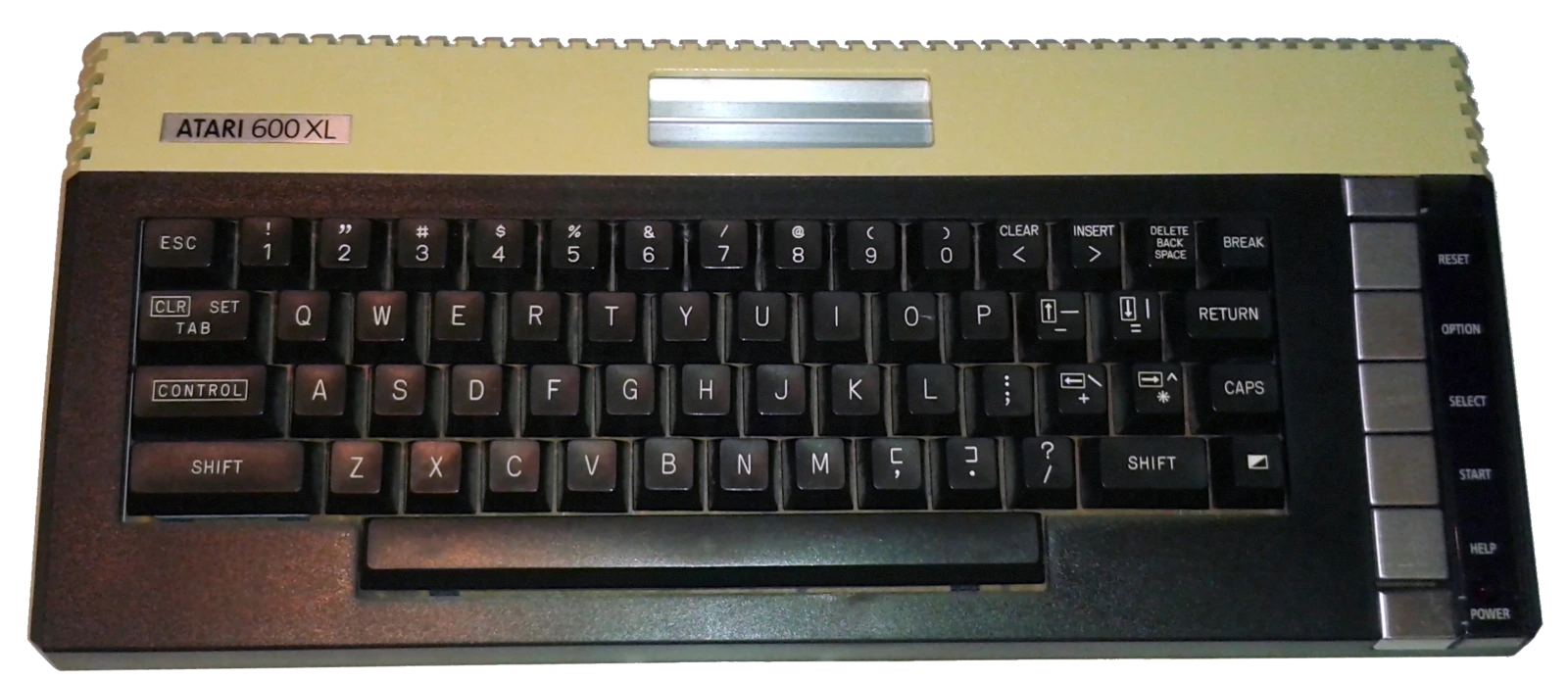
In the early 1980s, Atari enjoyed success with the VCS 2600 console and the Atari 400/800 computers, but sales were declining. It responded in 1982 with the …
Photo: own photograph
Open page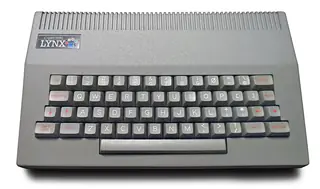
Camputers Lynx
The Lynx from British manufacturer Camputers reached the market in early 1983, with 48, 96 or 128 KB RAM priced at £225, £299 and £345, considerably more than …
Model illustration · Image: Based on of original image Camputers_Lynx_48k.JPG by Retro-activity *Modifications as described below by Ubcule · CC BY-SA 3.0 · Source and original on Wikimedia Commons · Retro-activity · WebP, resized where necessary
Open page

Commodore SX-64
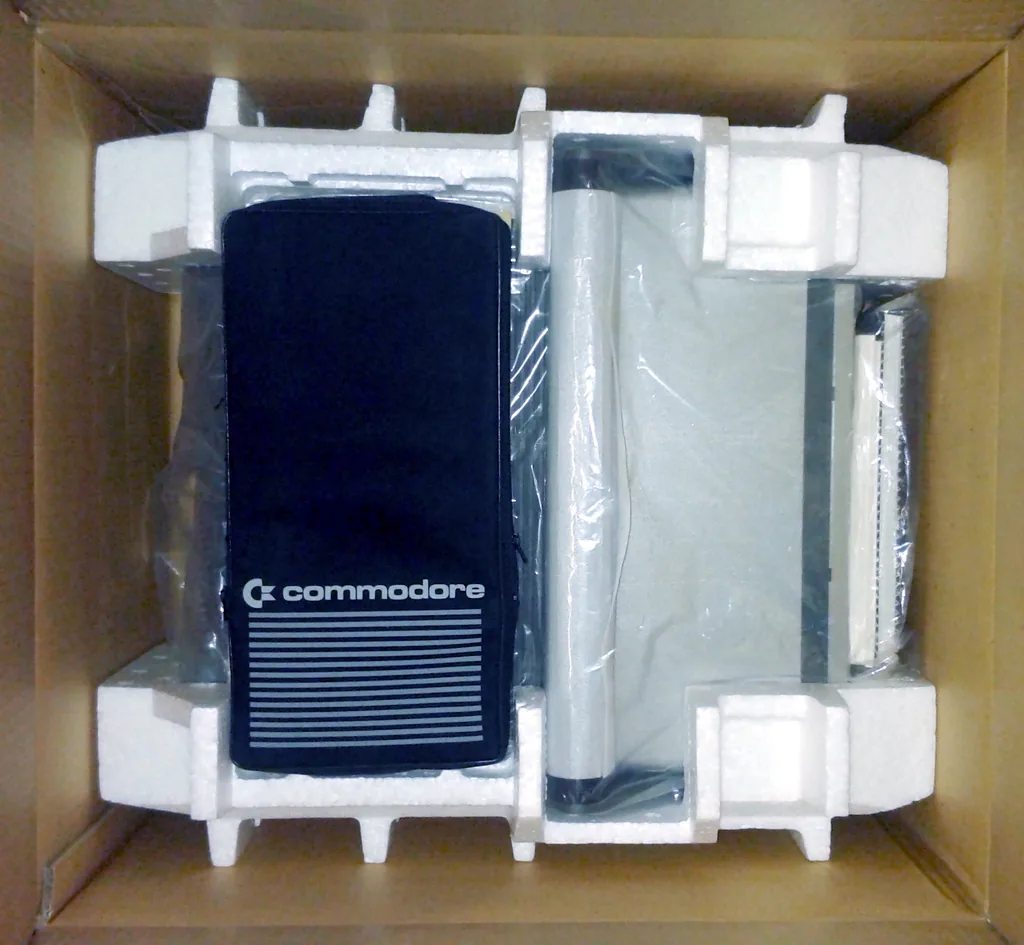
The Single Drive Executive 64 (SX-64) is a portable version of the popular C64, which Commodore launched in December 1983. It has a built-in 5 inch color …
Photo: own photograph
Open page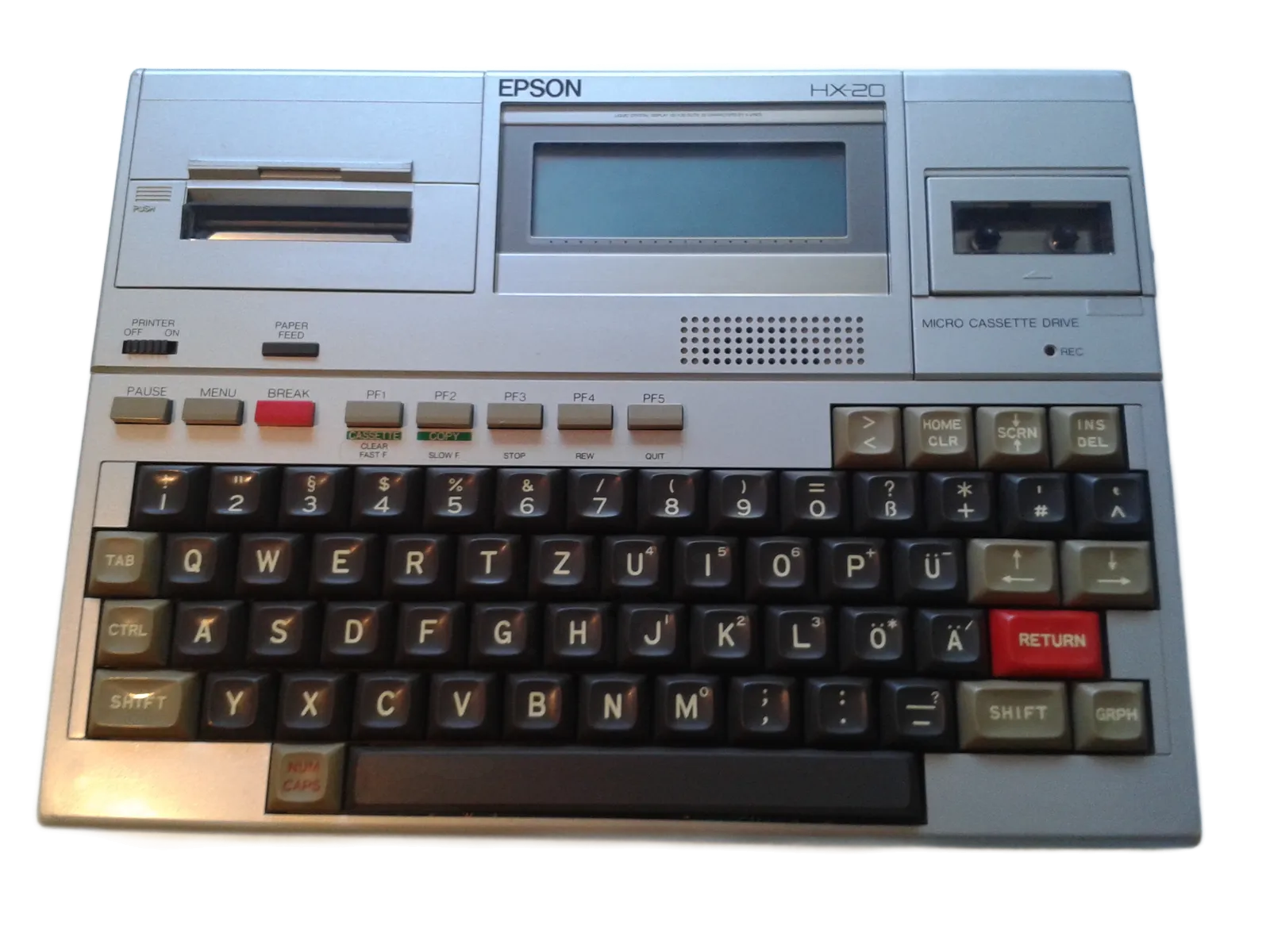
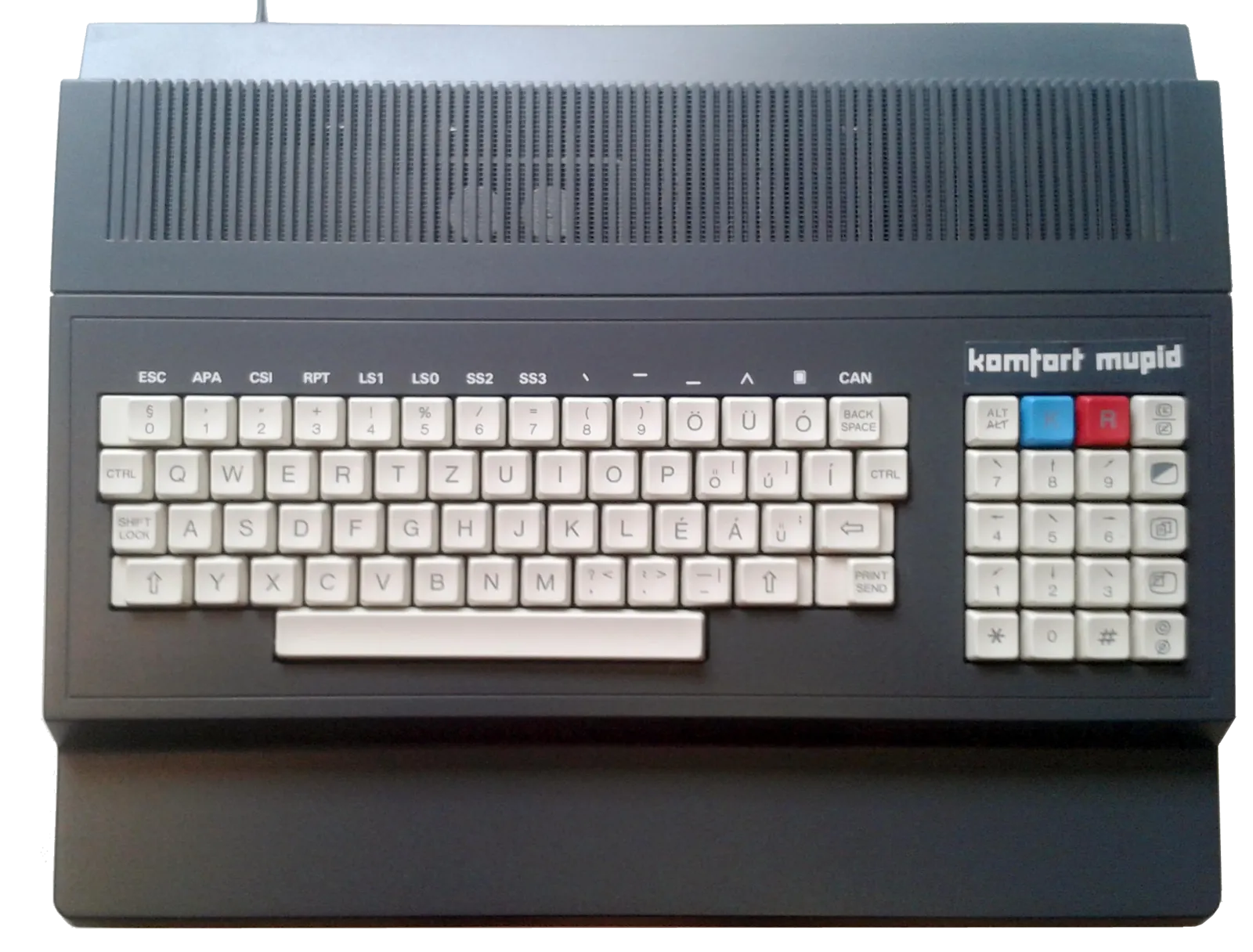
Komfort-MUPID (C2A2)
The MUPID is a videotex terminal from Graz that does more than simply retrieve information. Bildschirmtext (BTX) uses a telephone line and a television to …
Photo: own photograph
Open page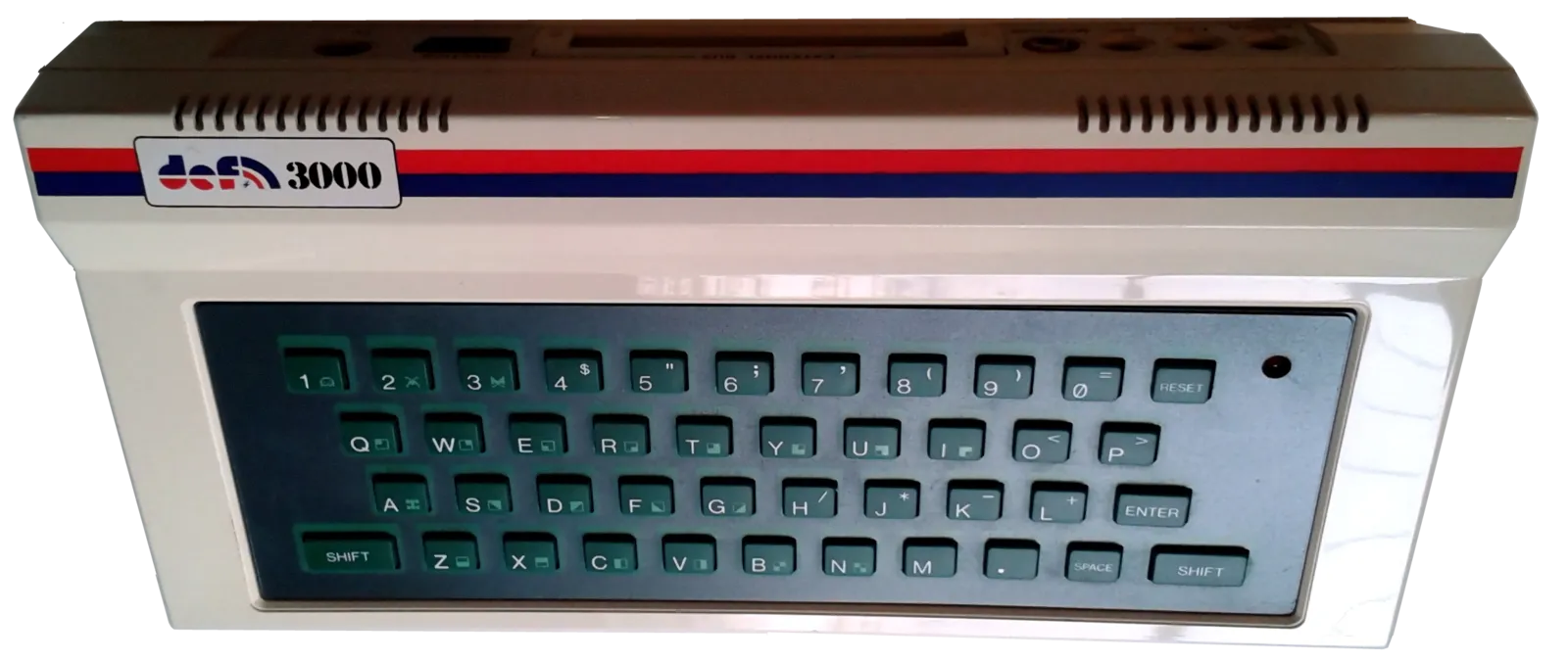
Lambda Electronics DEF 3000
The DEF 3000 is the version of Lambda 8300 distributed in France by Lambda Electronics from Hong Kong, a clone of the Sinclair ZX81. In Germany the same …
Photo: own photograph
Open page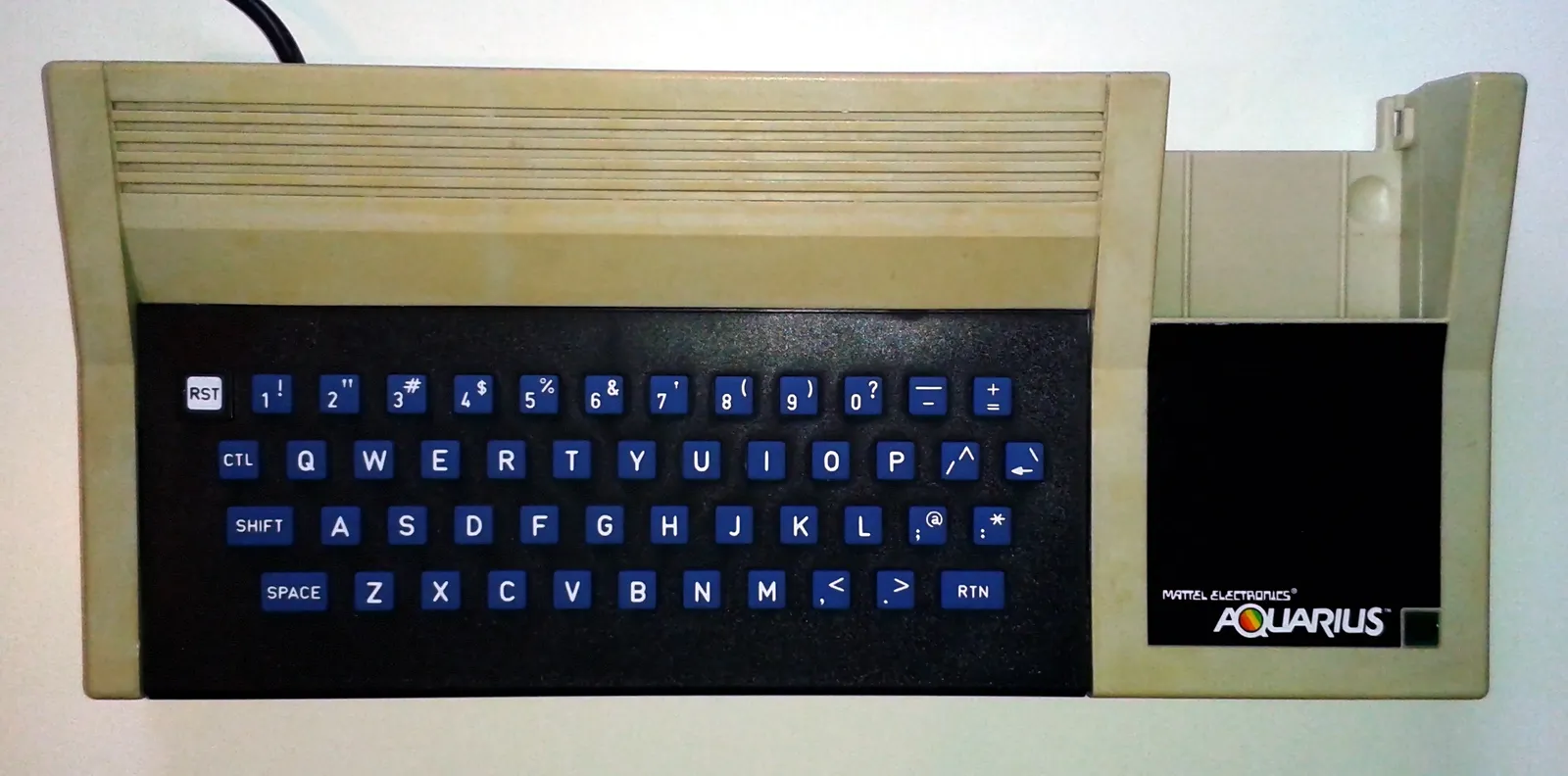
Mattel Aquarius
The Aquarius is the home computer from Mattel Electronics, manufacturer of the Intellivision console. It was developed and built by Radofin in Hong Kong …
Photo: own photograph
Open page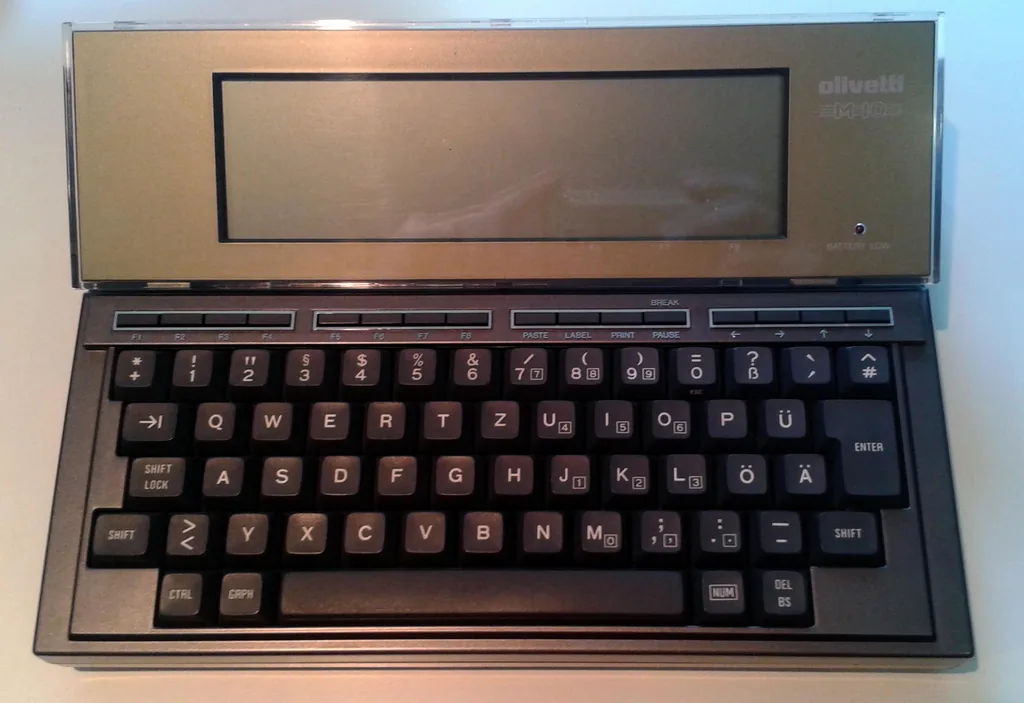
Olivetti M 10-D, 8 K
A competitor from Italy for the Epson HX-20: With built-in software and a large display at the time.
Photo: own photograph
Open page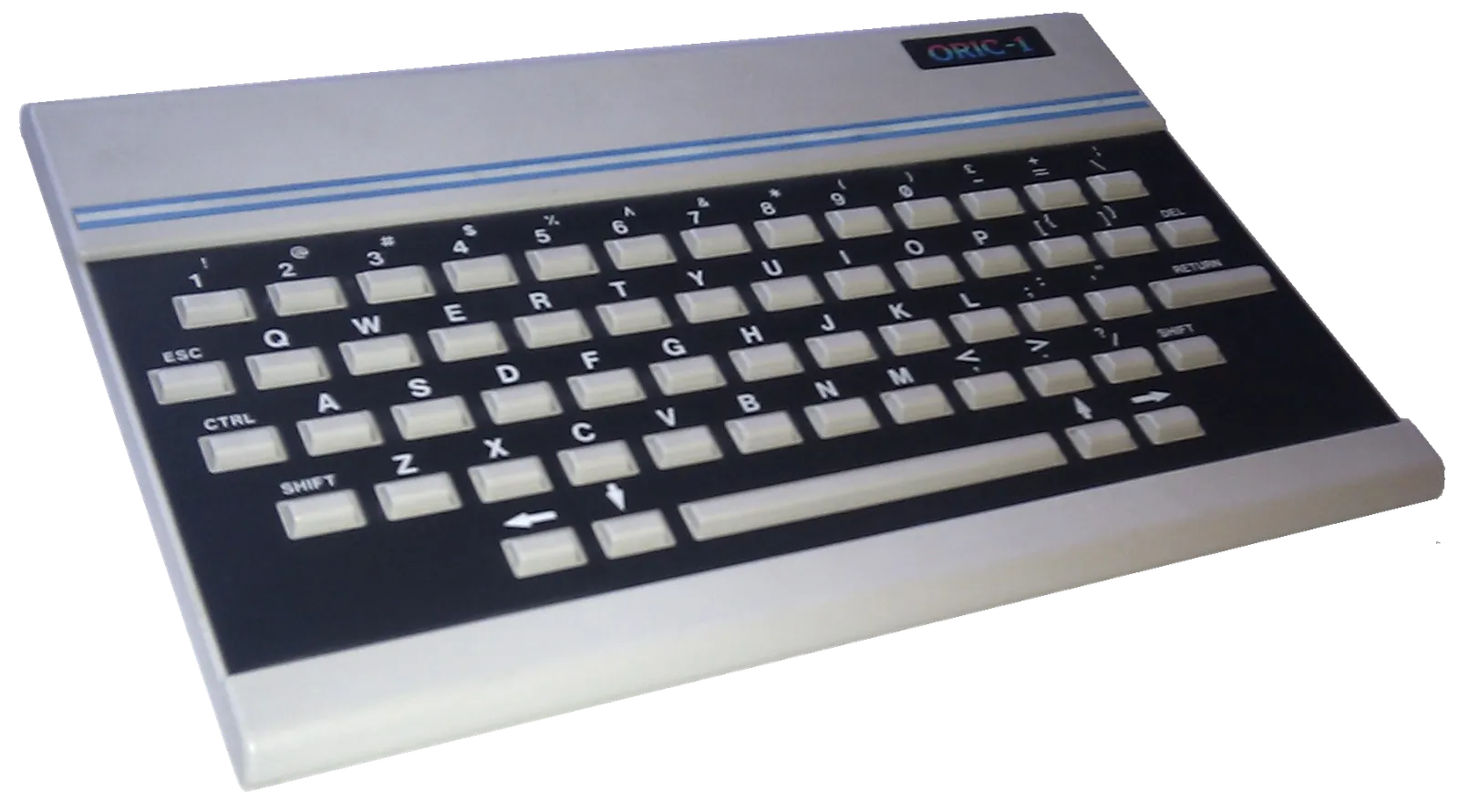
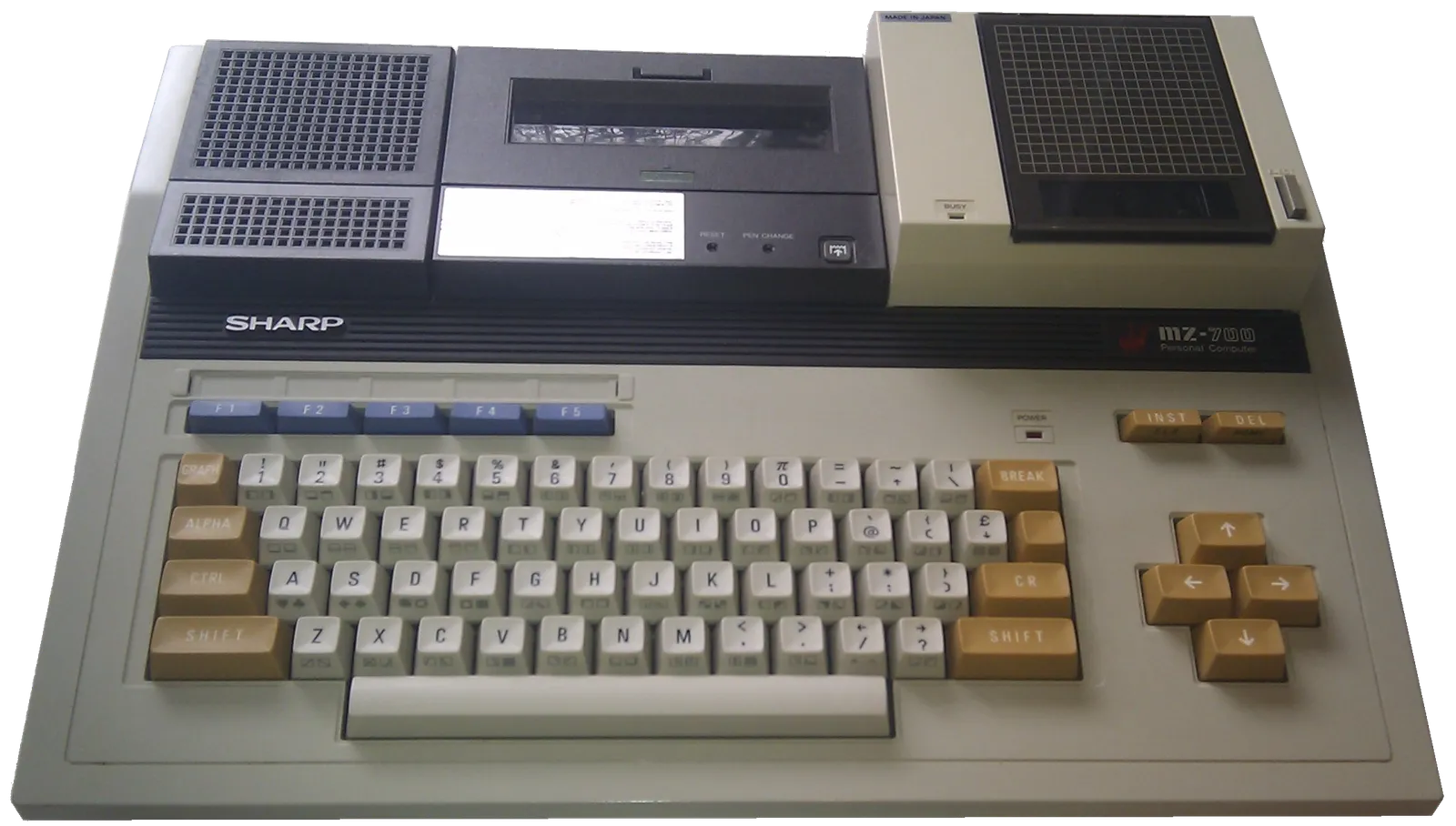
Sharp MZ-700
The Sharp MZ-700 series stands for a group of Japanese computers that differ in the built-in periphery (printer yes/no, datasette yes/no). The MZ-731 (twice …
Photo: own photograph
Open page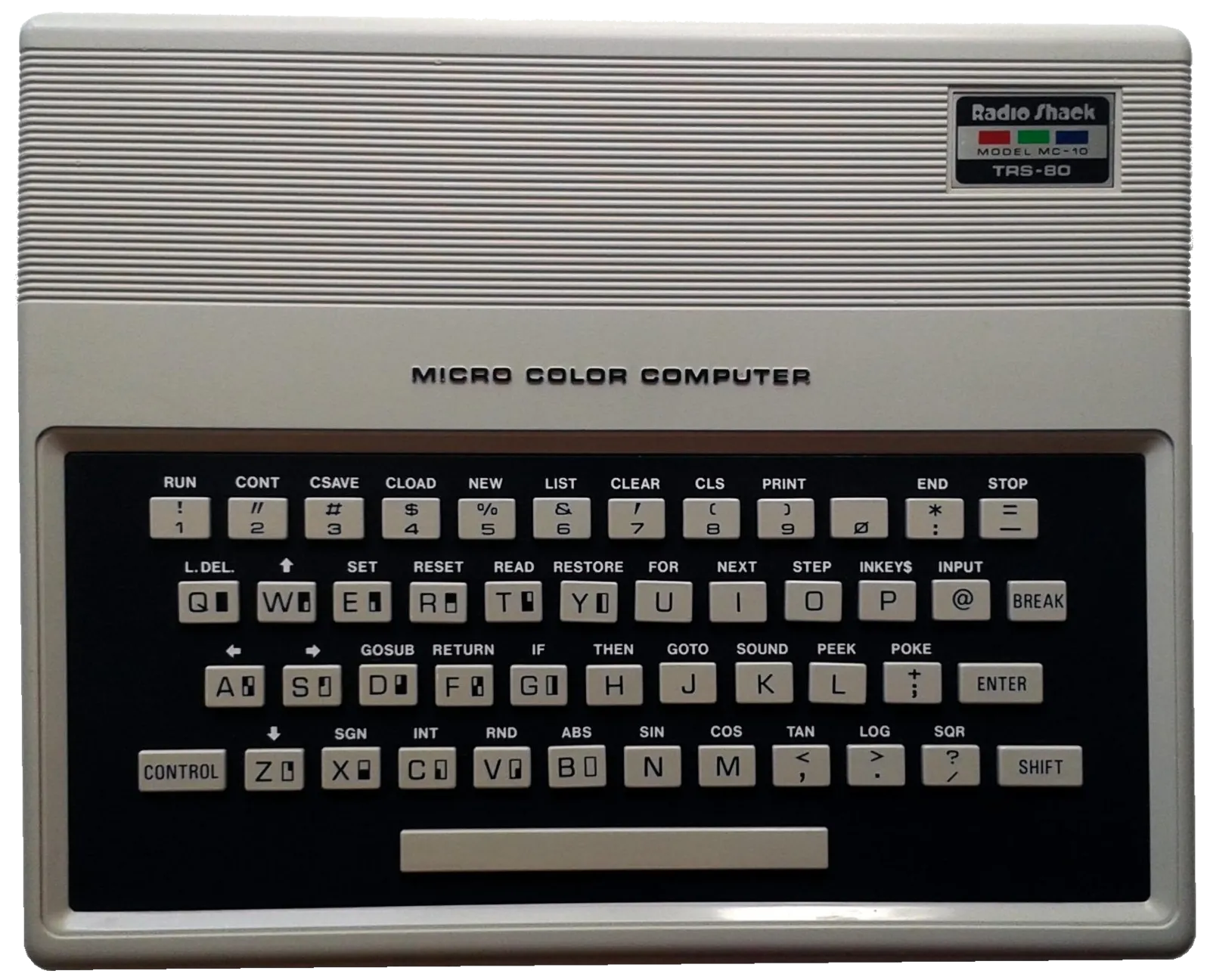
Tandy TRS-80 Micro Color Computer MC-10
The MC-10 was Tandy's inexpensive entry into colour computing, sold in Radio Shack stores in 1983 for US$119.95. Aimed at beginners, it is a reduced version of …
Photo: own photograph
Open page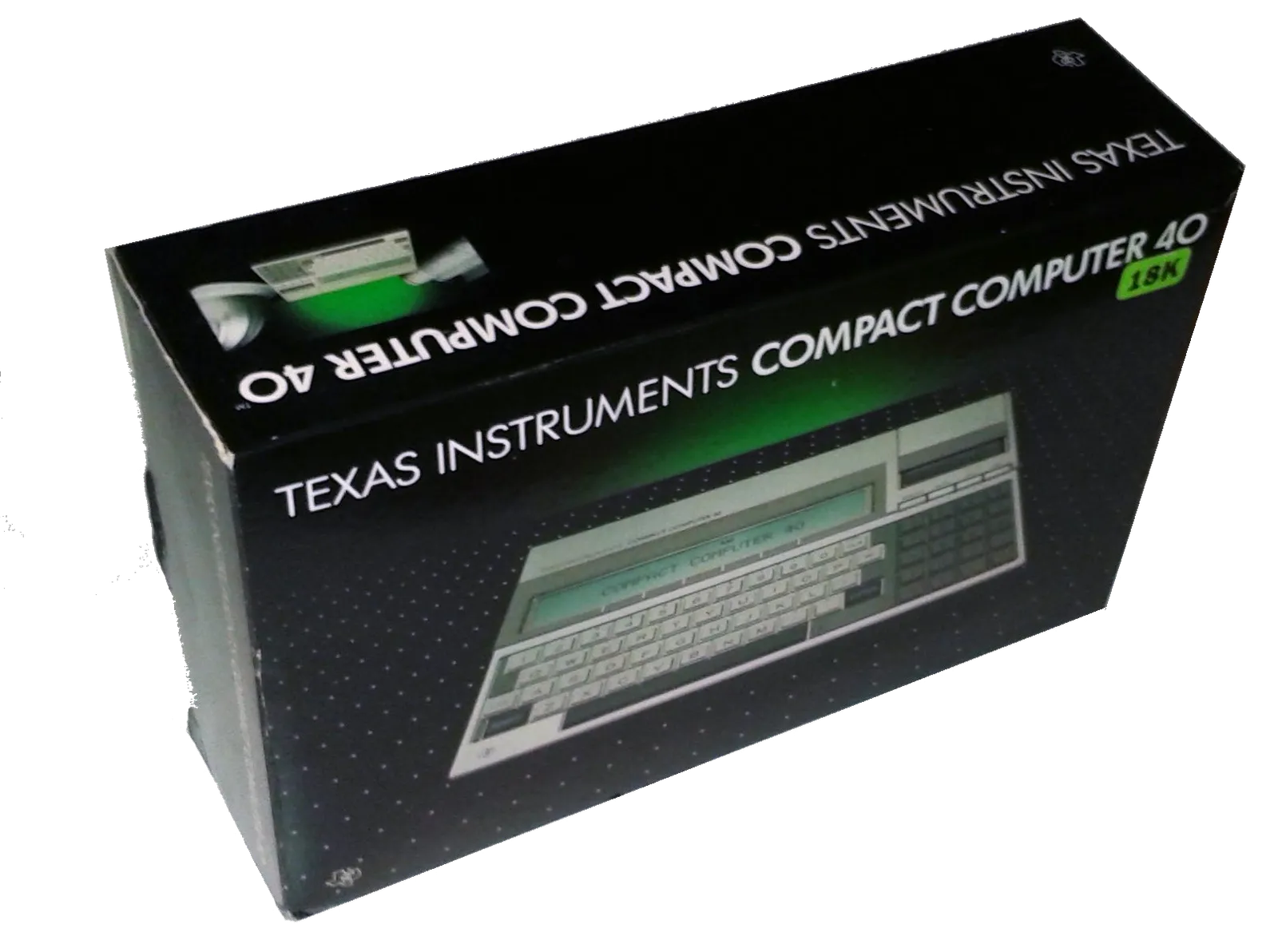
Texas Instruments Compact Computer 40
The Texas Instruments Compact Computer 40 or CC-40 is a battery powered portable computer from Texas Instruments. It is powered by four AA batteries or an AC …
Photo: own photograph
Open page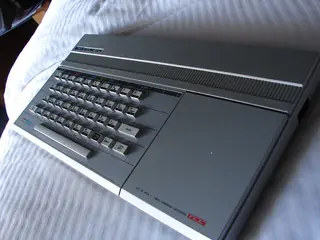
Timex Sinclair 2068
The company Timex Sinclair was a joint venture between the British Sinclair Research and the American Timex Corporation (now Timex Group USA, Inc.) to better …
Model illustration · Image: Thomas Conté · CC BY-SA 2.0 · Source and original on Wikimedia Commons · WebP, resized where necessary
Open page
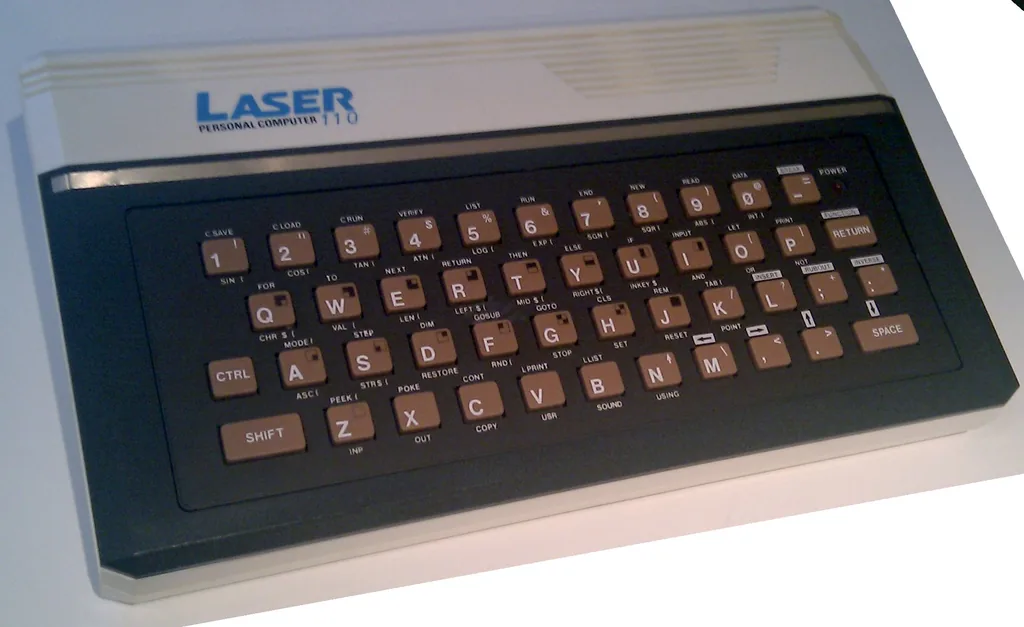
Vtech Laser 110
The Vtech Laser 100 and Vtech Laser 110 are the first home computers of Hong Kong based company Video Technology Ltd. It was also known in Germany as Sanyo …
Photo: own photograph
Open page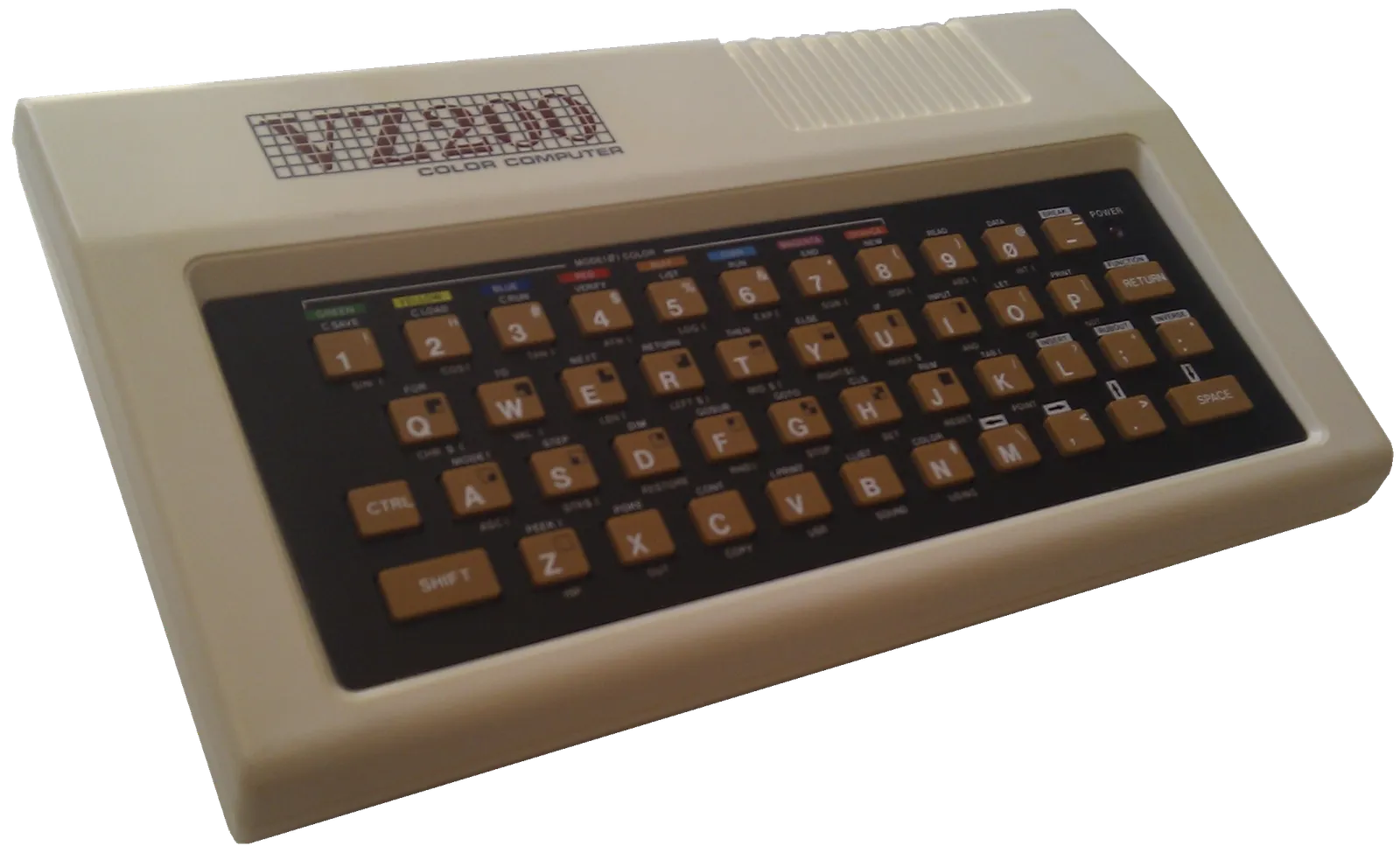
VTech Laser 200/VTech Laser 210
The company VTech (abbreviation for Video Technology Ltd.) from Hong Kong developed the Laser 200 as a successor to Laser 100/110. It was sold by different …
Photo: own photograph
Open page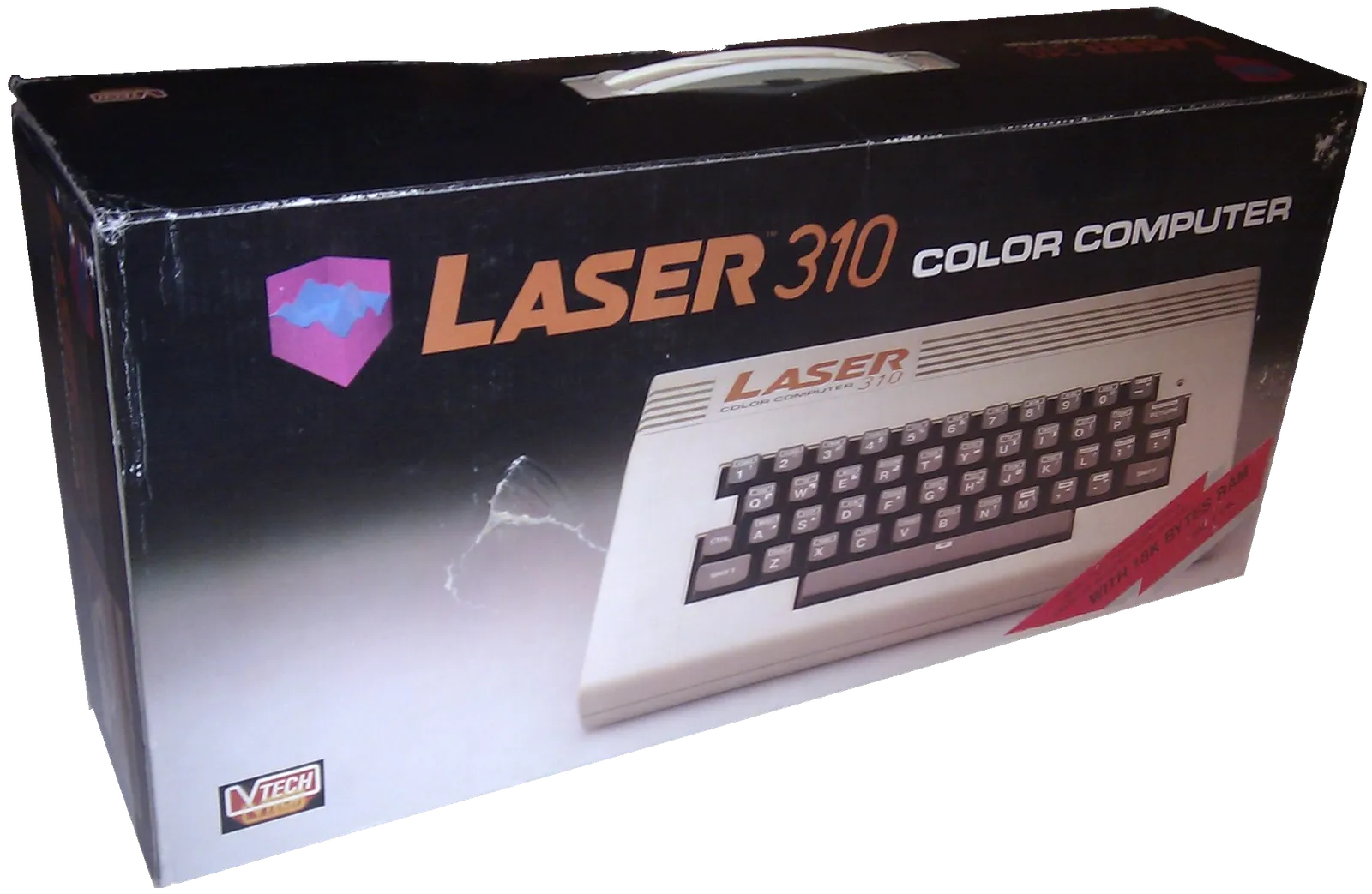
VTech Laser 310
VTech (abbreviation for Video Technology Ltd.) is an electronics company from Hong Kong that sold Laser computers across different store chains in other …
Photo: own photograph
Open page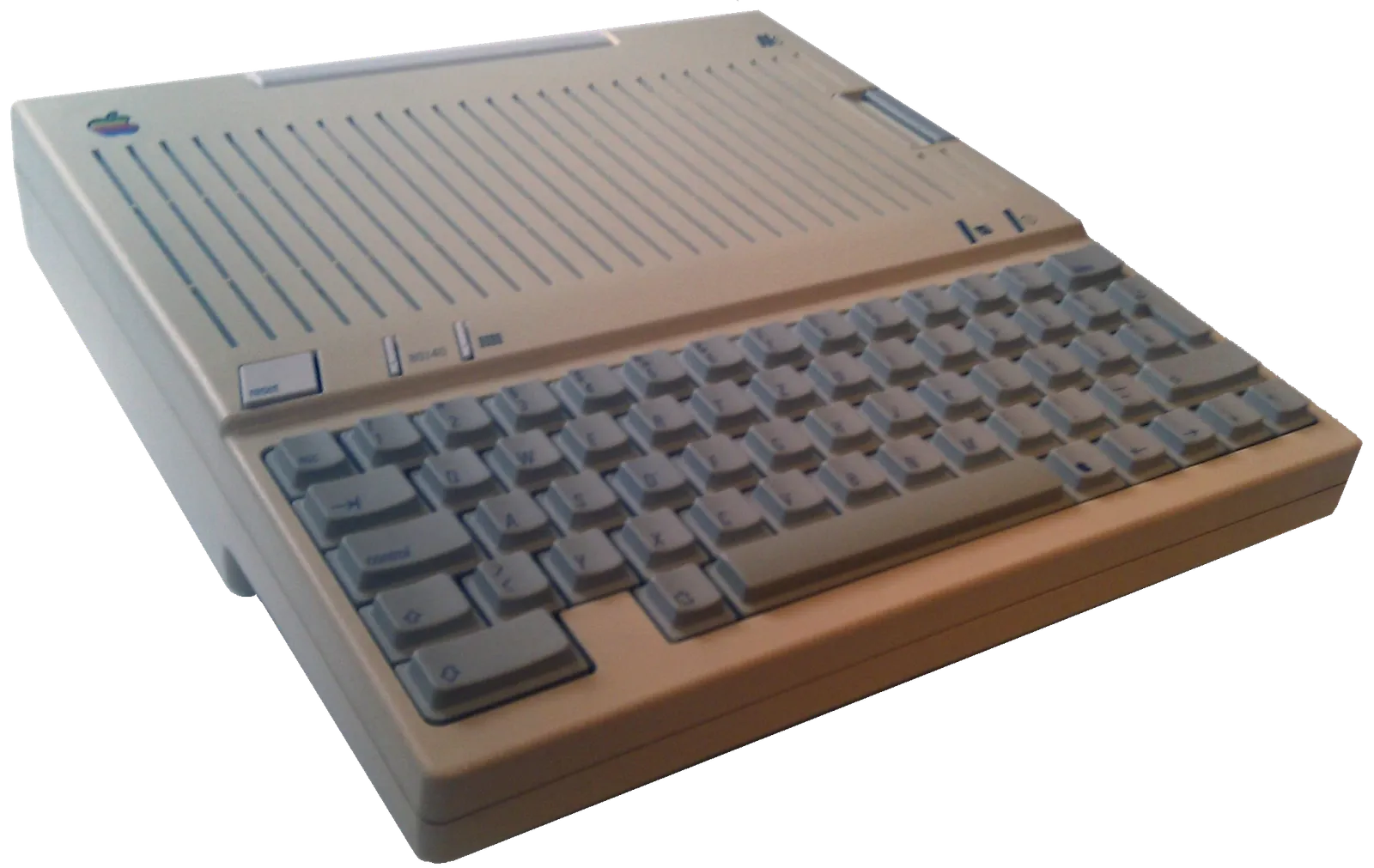
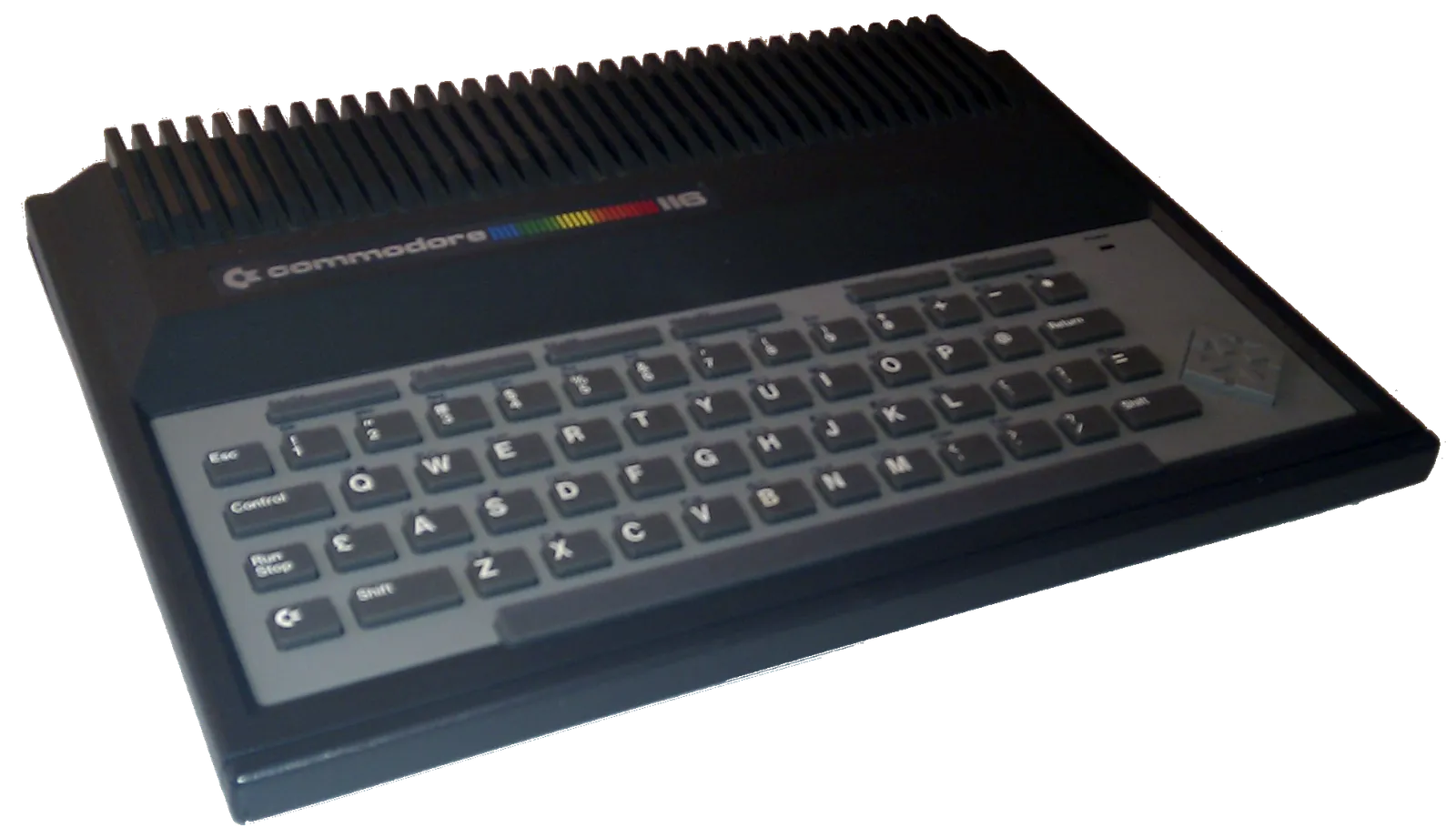
Commodore 116
The C116 is the smallest home computer in Commodore's 264 series compared to the C16 and Plus/4. Similar to the VC-20, it is designed in terms of price and …
Photo: own photograph
Open page
Commodore 16 (C16)
The Commodore 16 was the third member of the Commodore 264 range, alongside the Commodore 116 and Plus/4. It was intended to succeed the Commodore VC 20, but …
Model illustration · Image: Matteo Caccia · CC BY-SA 2.5 IT · Source and original on Wikimedia Commons · WebP, resized where necessary
Open page
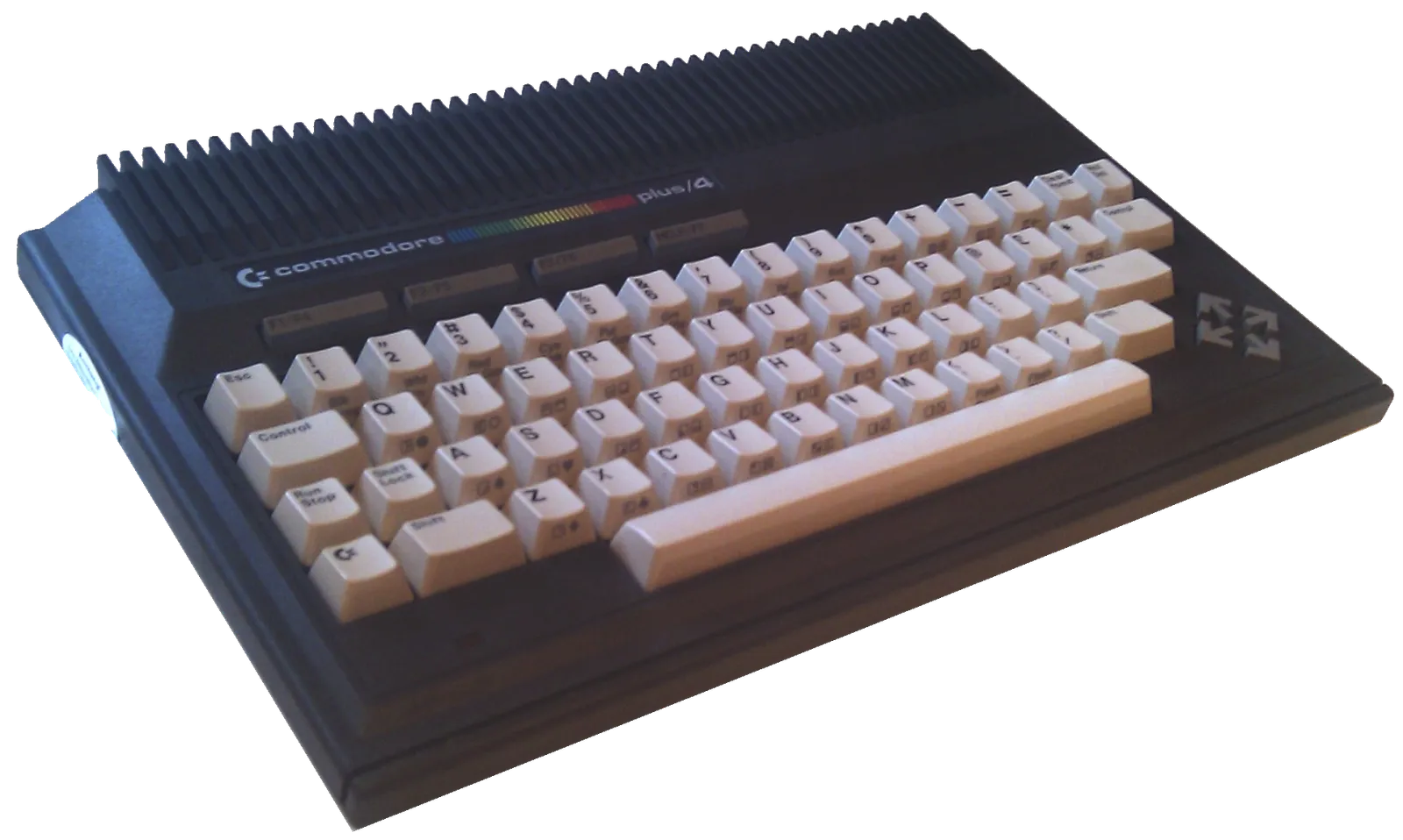
Commodore Plus/4
Commodore planned the Plus/4 as a cost-effective successor to the Commodore 64. The cost-effective production costs could be realized by reducing the chips …
Photo: own photograph
Open page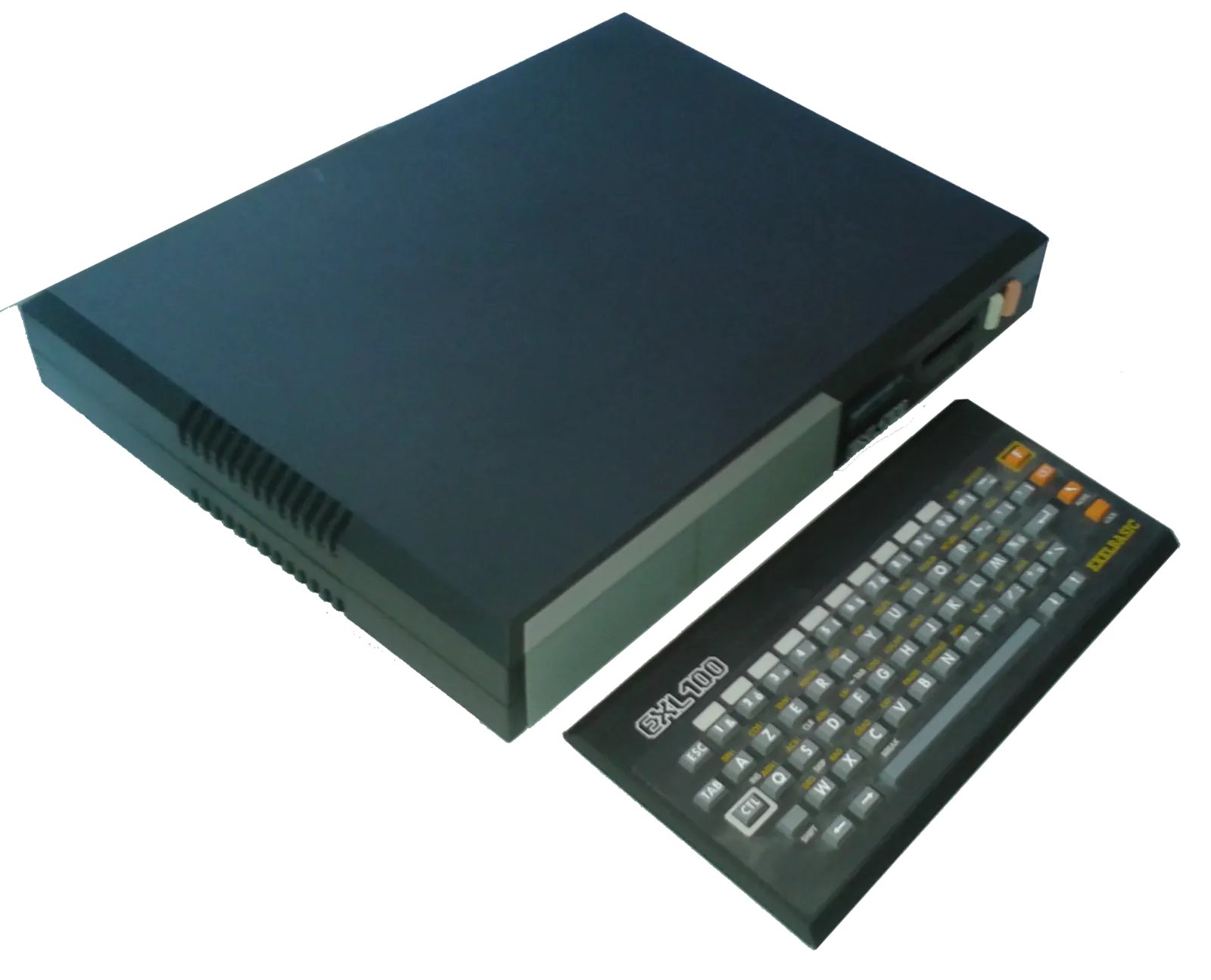
Exelvision EXL 100 and Exeltel
The EXL 100 is a French home computer from 1984. It was developed by Exelvision, a company of former Texas Instruments engineers, among them Jacques Palpacuer …
Photo: own photograph
Open page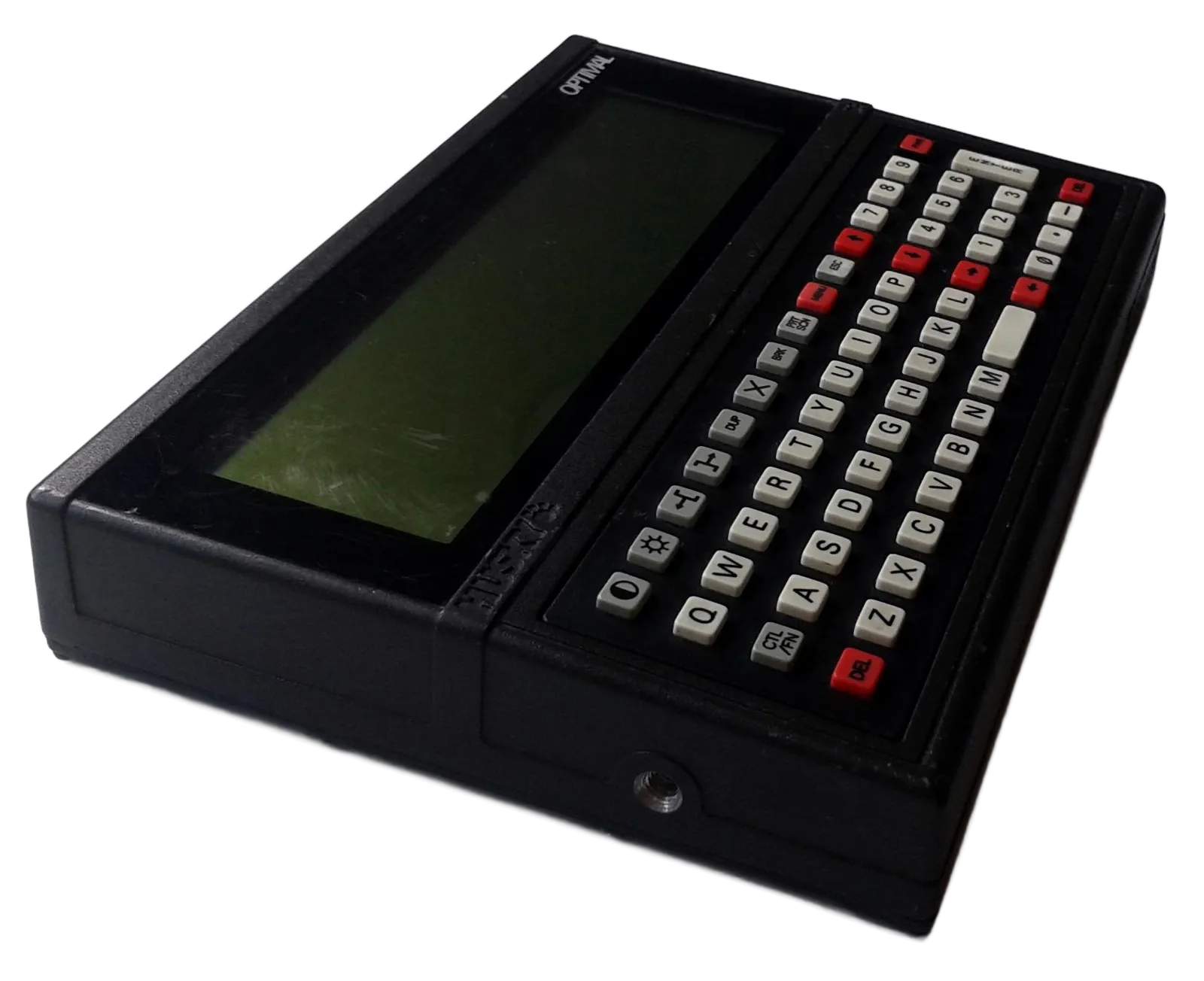
Husky Hunters Husky Hunter 2
Husky Hunter 2: the device entry with a picture gallery of the computer and a further link.
Photo: own photograph
Open page
IBM Portable Personal Computer 5155
In February 1984, IBM released the Portable Personal Computer, model 5155, as a portable version of its PC. It responded to the successful Compaq Portable with …
Model illustration · Image: ValorosoIT · CC BY-SA 4.0 · Source and original on Wikimedia Commons · WebP, resized where necessary
Open page
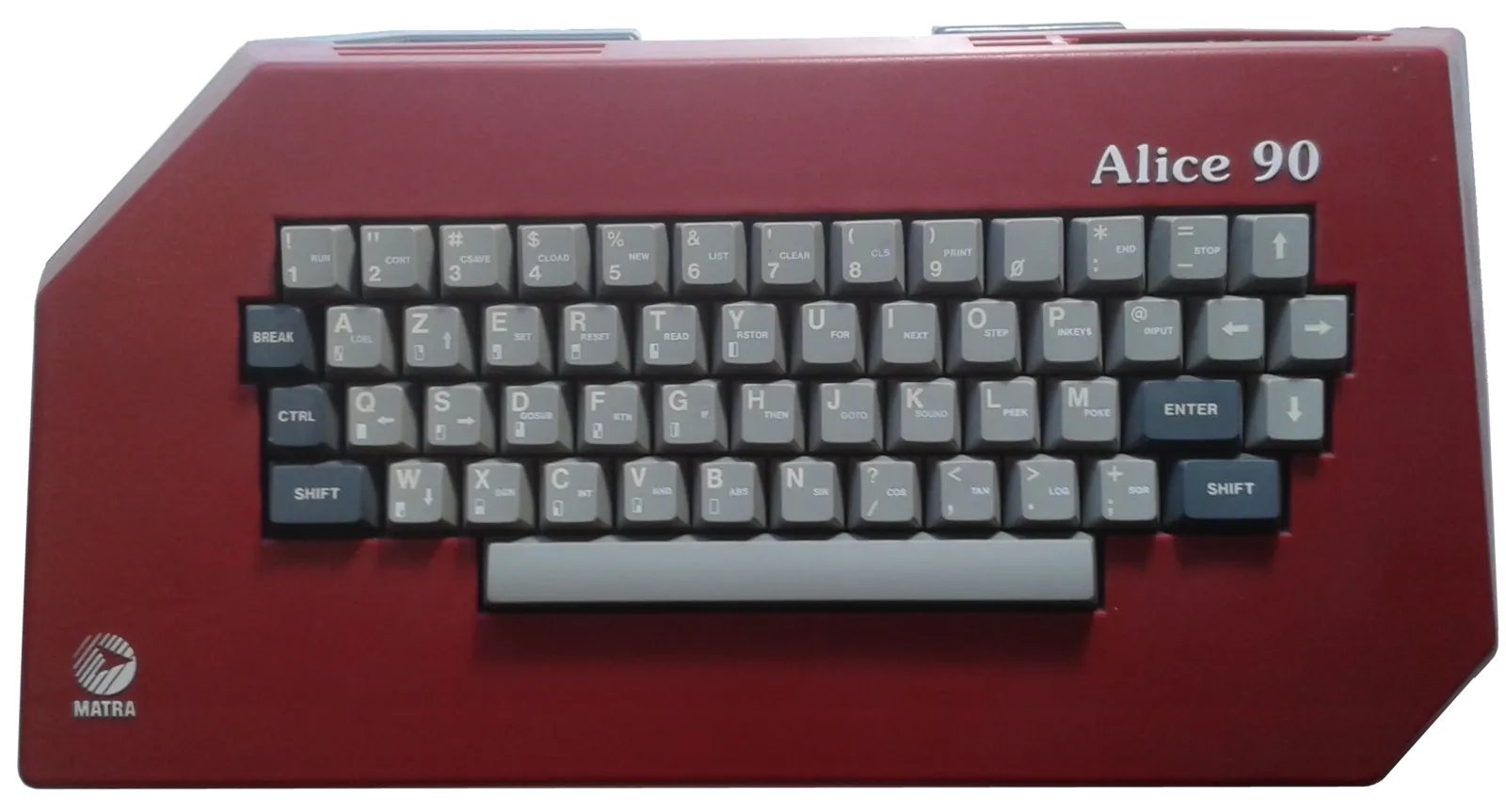
Matra Alice 90
The Alice 90, released in late 1984, is the last computer in the Alice series from French company Matra. Matra and publisher Hachette jointly built the first …
Photo: own photograph
Open page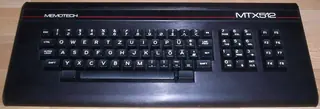
Memotech MTX 500/MTX 512
The British company Memotech -- after first producing hardware extensions for Sinclair computers -- developed exactly one home computer: the MTX. It is …
Model illustration · Image: Superandi73 at de.wikipedia · CC BY-SA 3.0 · Source and original on Wikimedia Commons · Superandi73 · WebP, resized where necessary
Open page
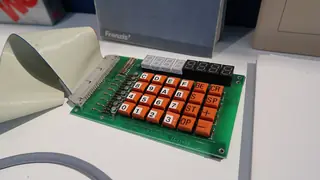
NDR Small Computers
In 1984, NDR’s schools television service, led by Joachim Arendt, broadcast the 15-minute series “Einführung in die Mikroelektronik”, also known as “NDR …
Model illustration · Image: Wolfgang Stief from Tittmoning, Germany · CC0 1.0 · Source and original on Wikimedia Commons · WebP, resized where necessary
Open page
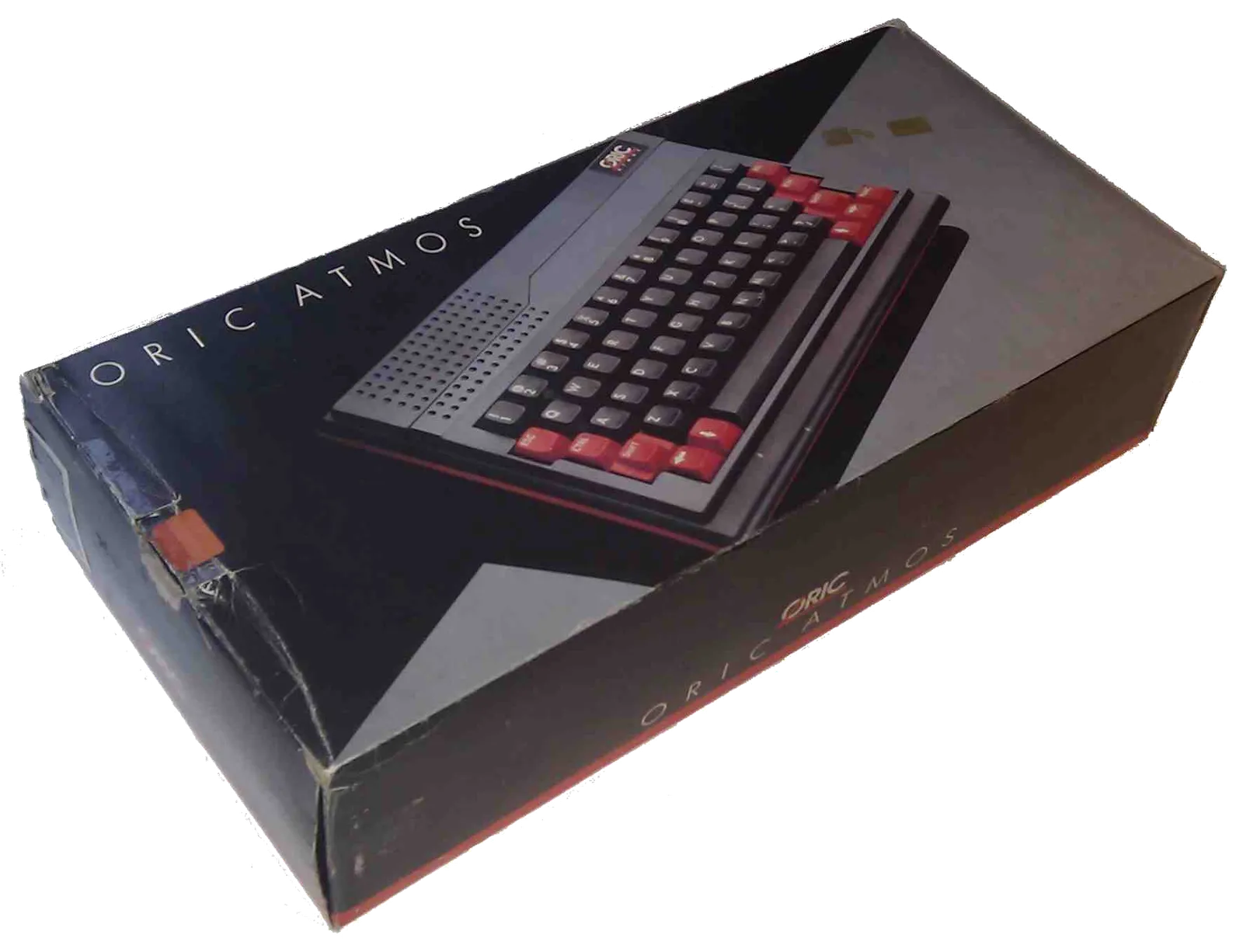
Oric Atmos
The Oric Atmos was launched in 1984 and is the successor to the Oric-1 published by the British company in 1983. They do not differ in hardware; both have a …
Photo: own photograph
Open page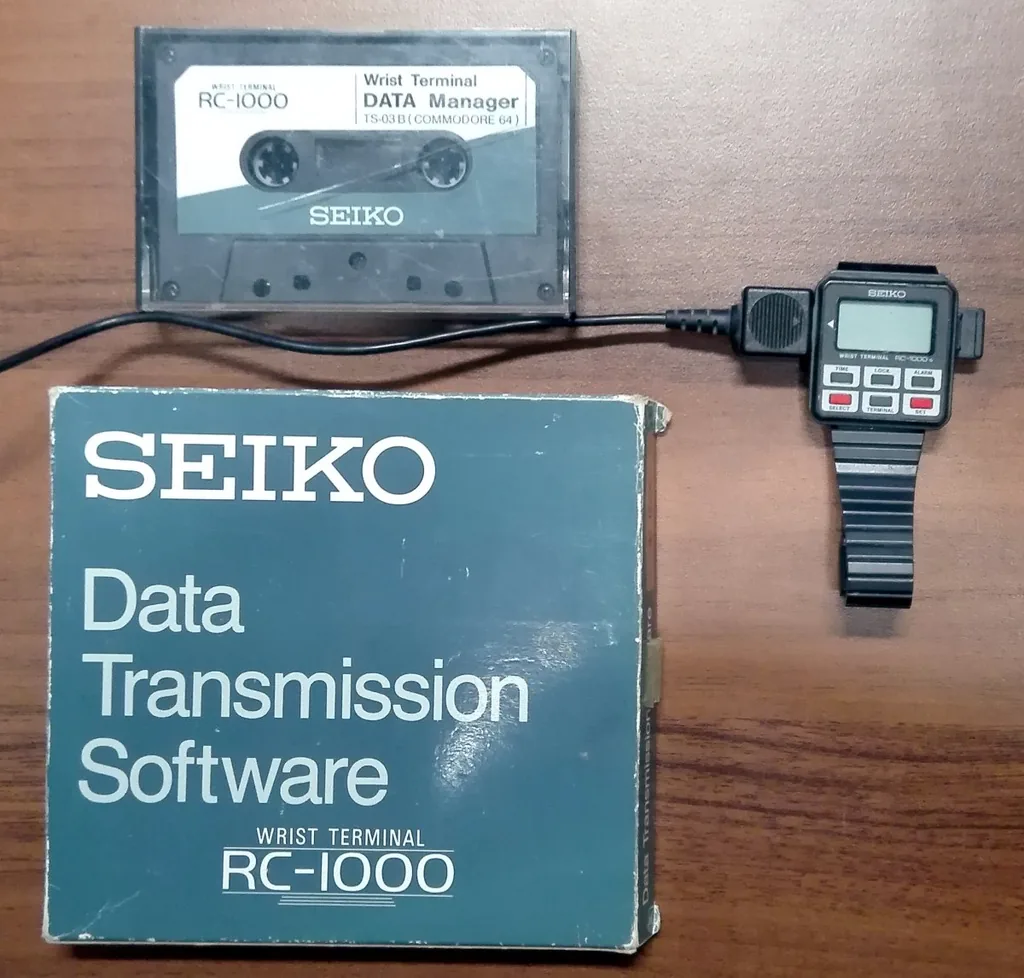
RC-1000 Wrist Terminal
The Japanese Seiko Holdings K.K., or Seiko for short, was created in 1881 from a watch repair business. In 1973 Seiko launched the first digital clocks, and …
Photo: own photograph
Open page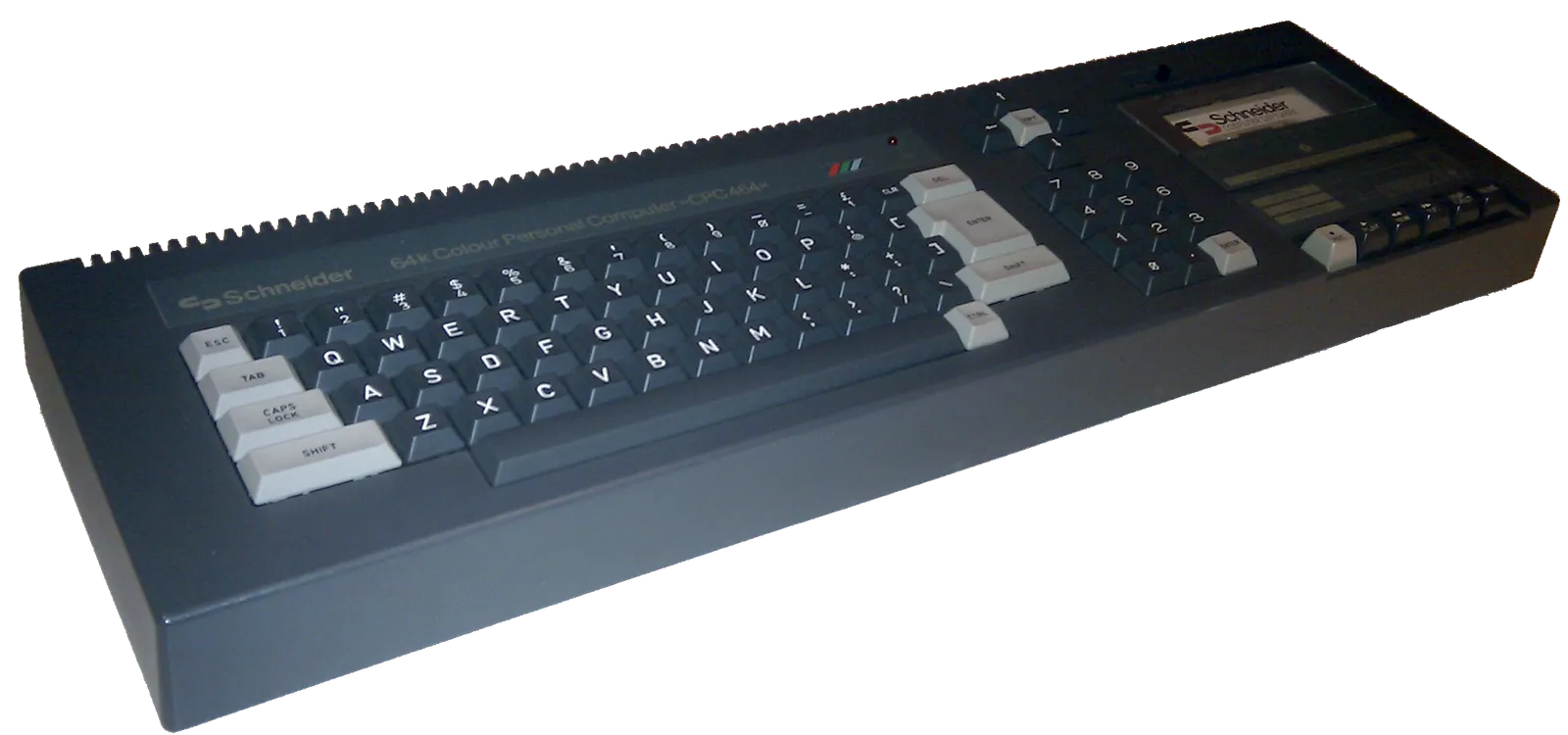
Schneider CPC464, GT65-2 Green Monitor
The Schneider CPC464 (CPC for Colour Personal Computer) is the German version of the Amstrad CPC464 with minimal adaptation for the German market (shielding) …
Photo: own photograph
Open page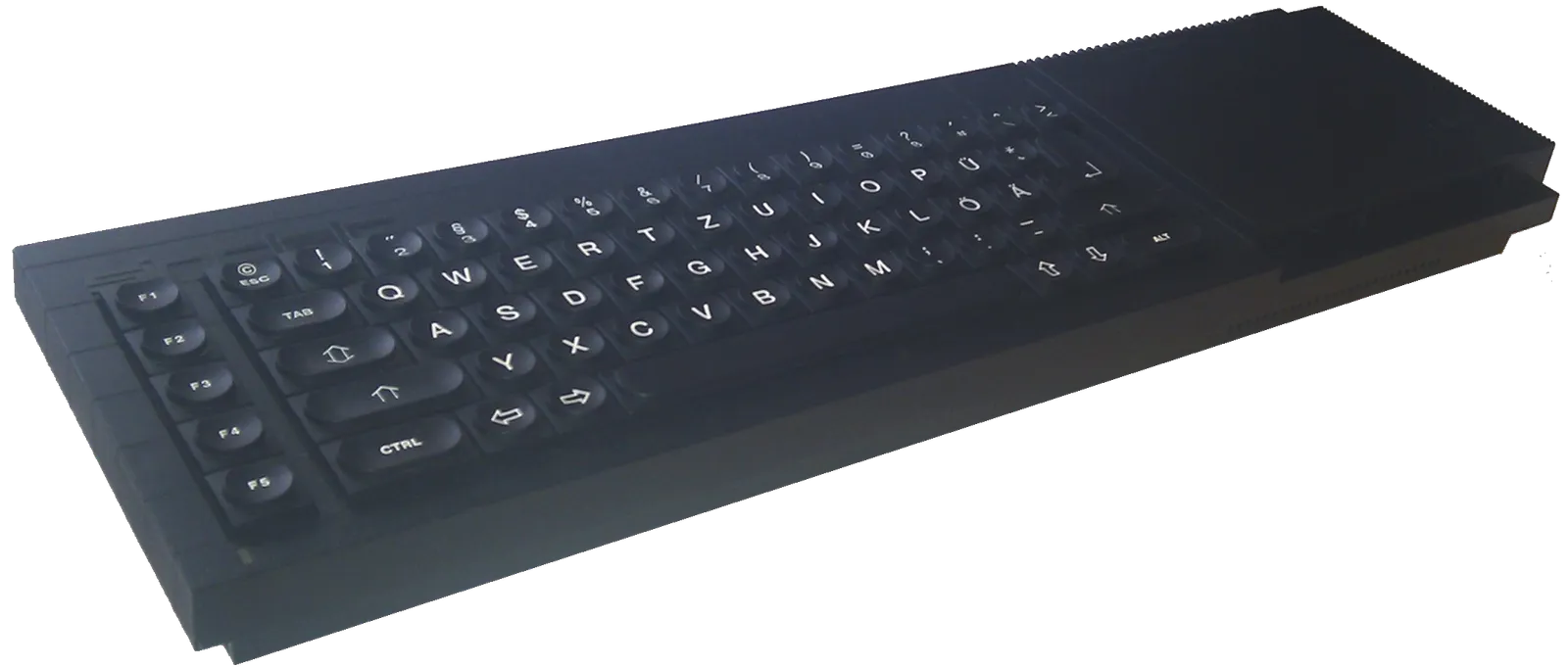
Sinclair QL
With the Sinclair QL, the British company Sinclair is entering new territory after the great success in the home computer sector. The Sinclair QL is one of the …
Photo: own photograph
Open pageSmall computer KC85/2
The KC 85 was a popular small computer from the former GDR. It was built by the VEB Mikroelektronik company "Wilhelm Pieck" in Mühlhausen. In schools in …
Open page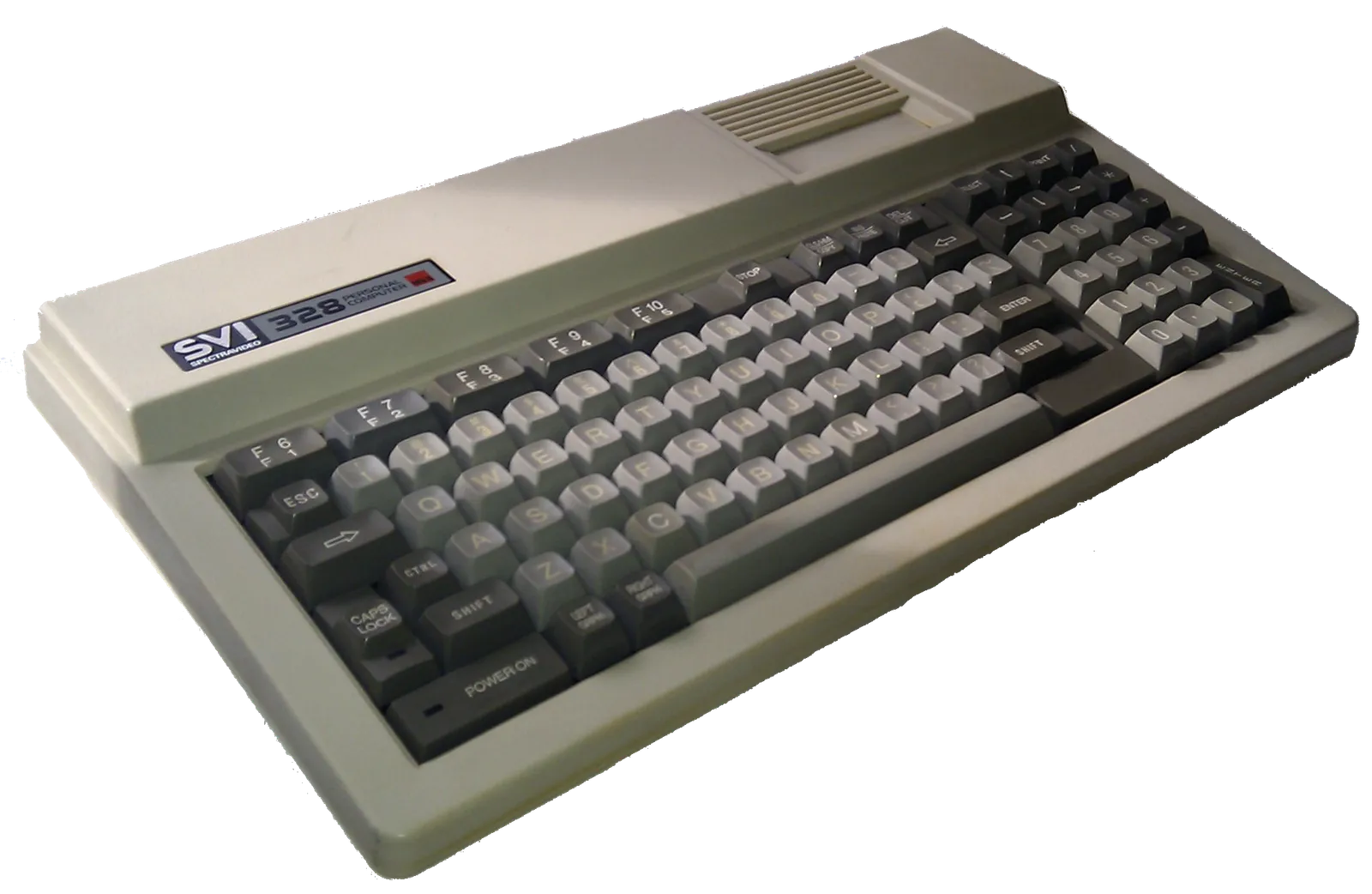
Spectravideo SVI-328 MKII
The SVI-328 MKII from Spectravideo International Ltd. is an American home computer from 1984. Visually compared to the predecessor, the Spectravideo SVI-328 …
Photo: own photograph
Open page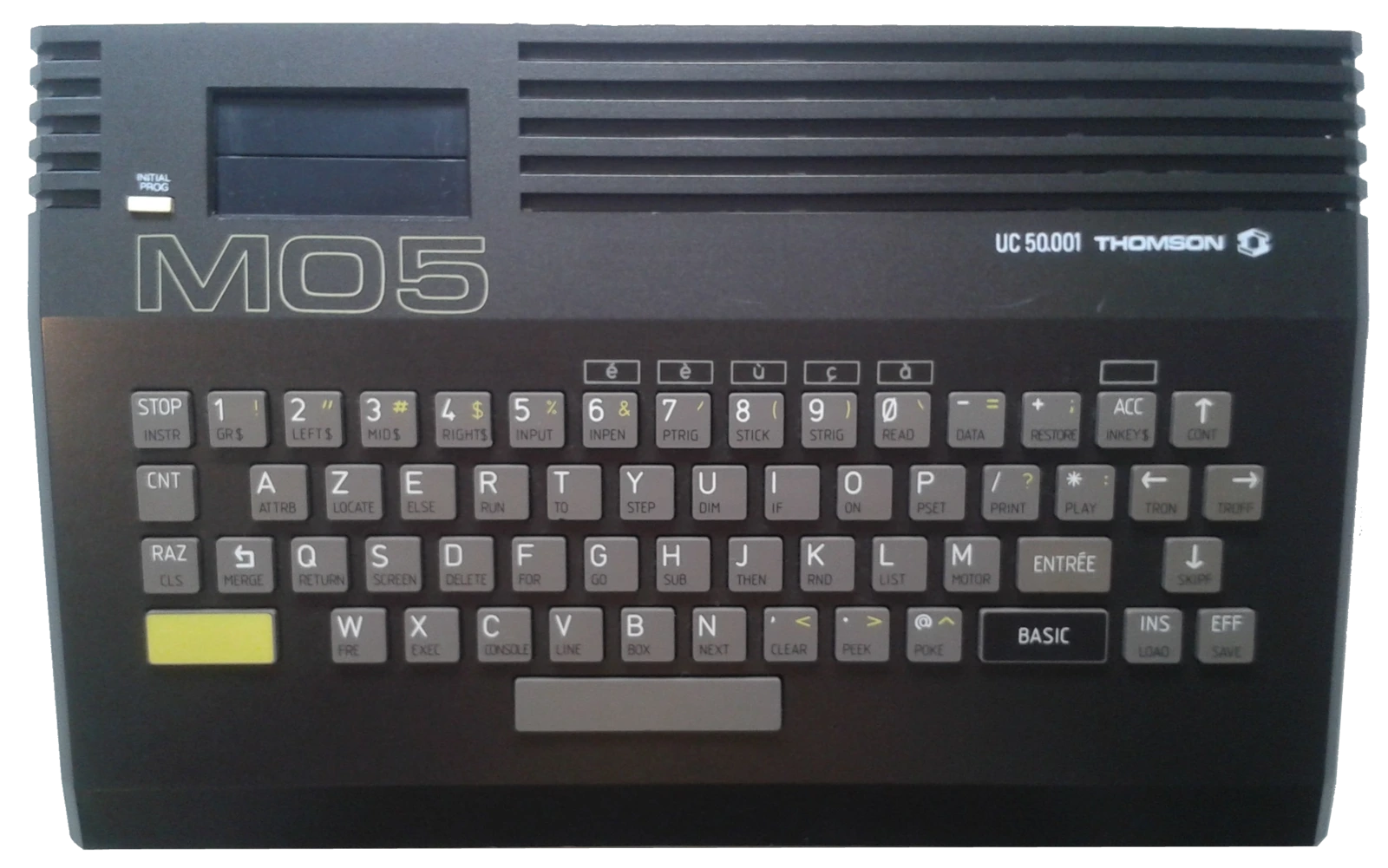
Thomson MO5
The Thomson MO5 is a French home computer with Motorola 6809E. It is known for its Informatique pour tous school program.
Photo: own photograph
Open page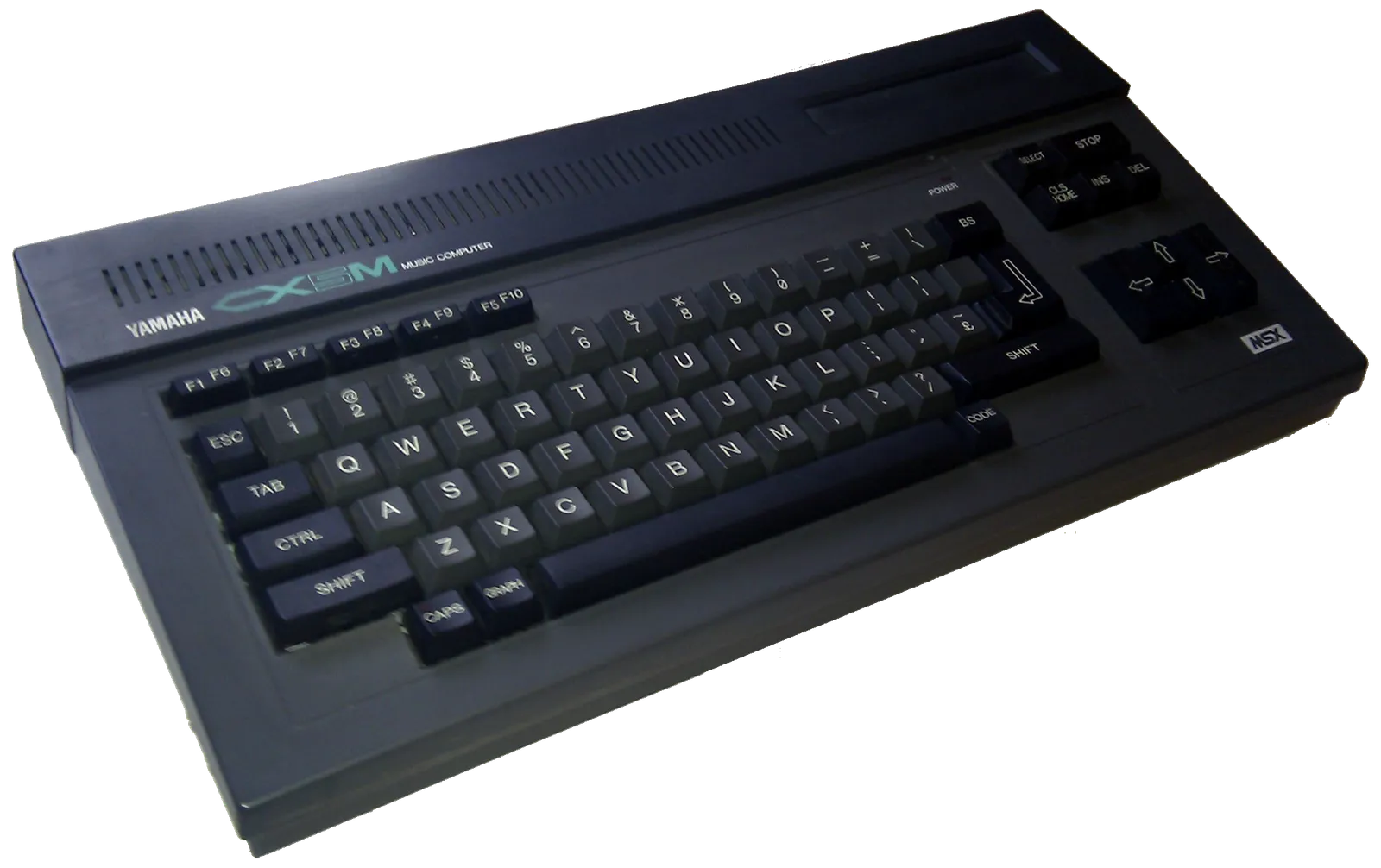
Yamaha CX5M and CX5MII/128
The Yamaha Music Computer CX5M has been explicitly designed as a music computer and the sound possibilities with an 8-voice FM synthesizer can be heard. Three …
Photo: own photograph
Open page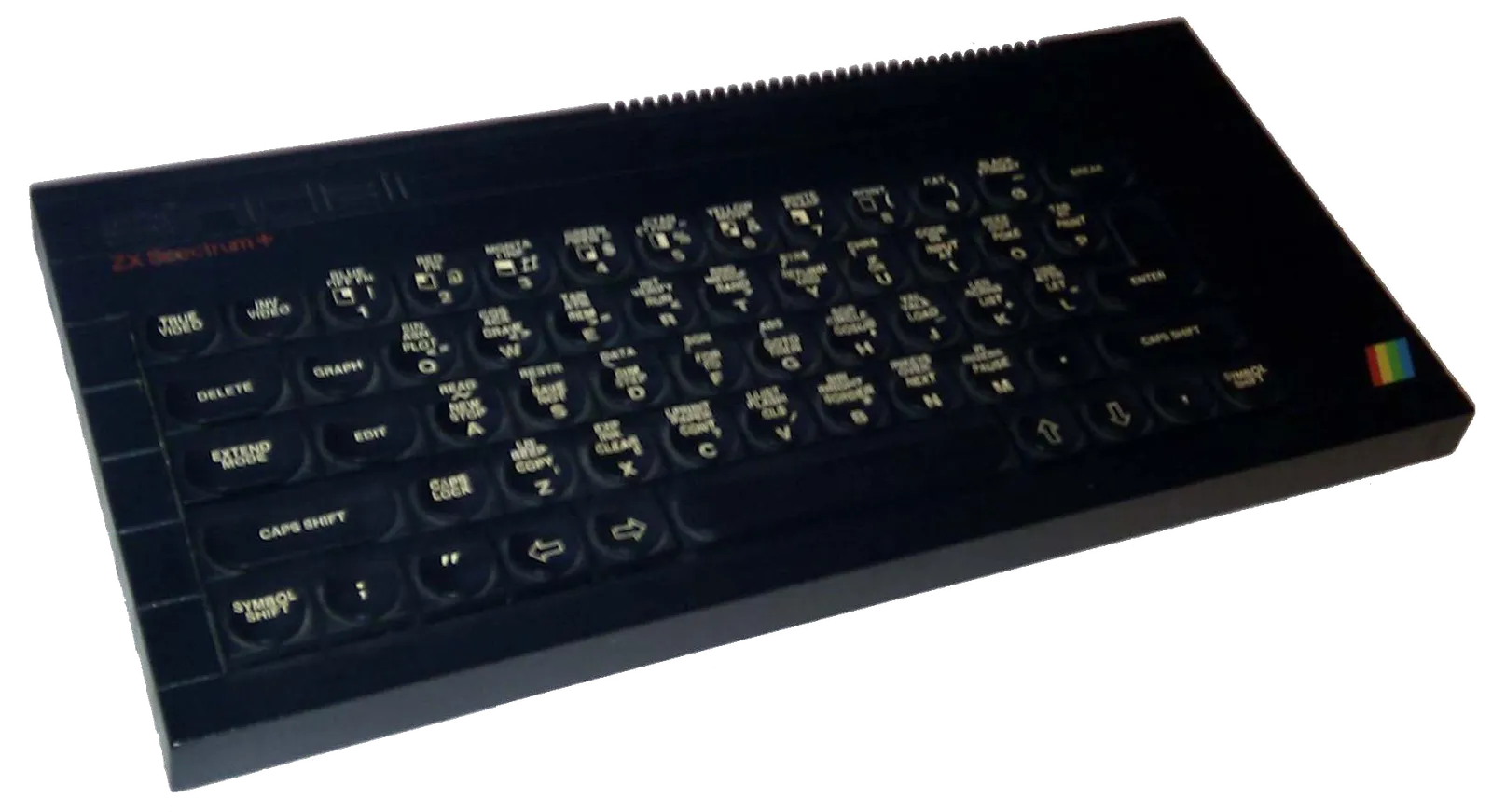
ZX Spectrum+
After the Spectrum got competition with home computers like the C64, Sinclair gave the ZX Spectrum 48K a better keyboard (like the QL) and introduced the ZX …
Photo: own photograph
Open page
Amstrad PCW 8256 and 8512 (Schneider Joyce)
In September 1985, Amstrad released the PCW 8256, a computer primarily for writing. For £399 plus VAT, buyers received the computer, a 12-inch green-screen …
Photo: own photograph
Open page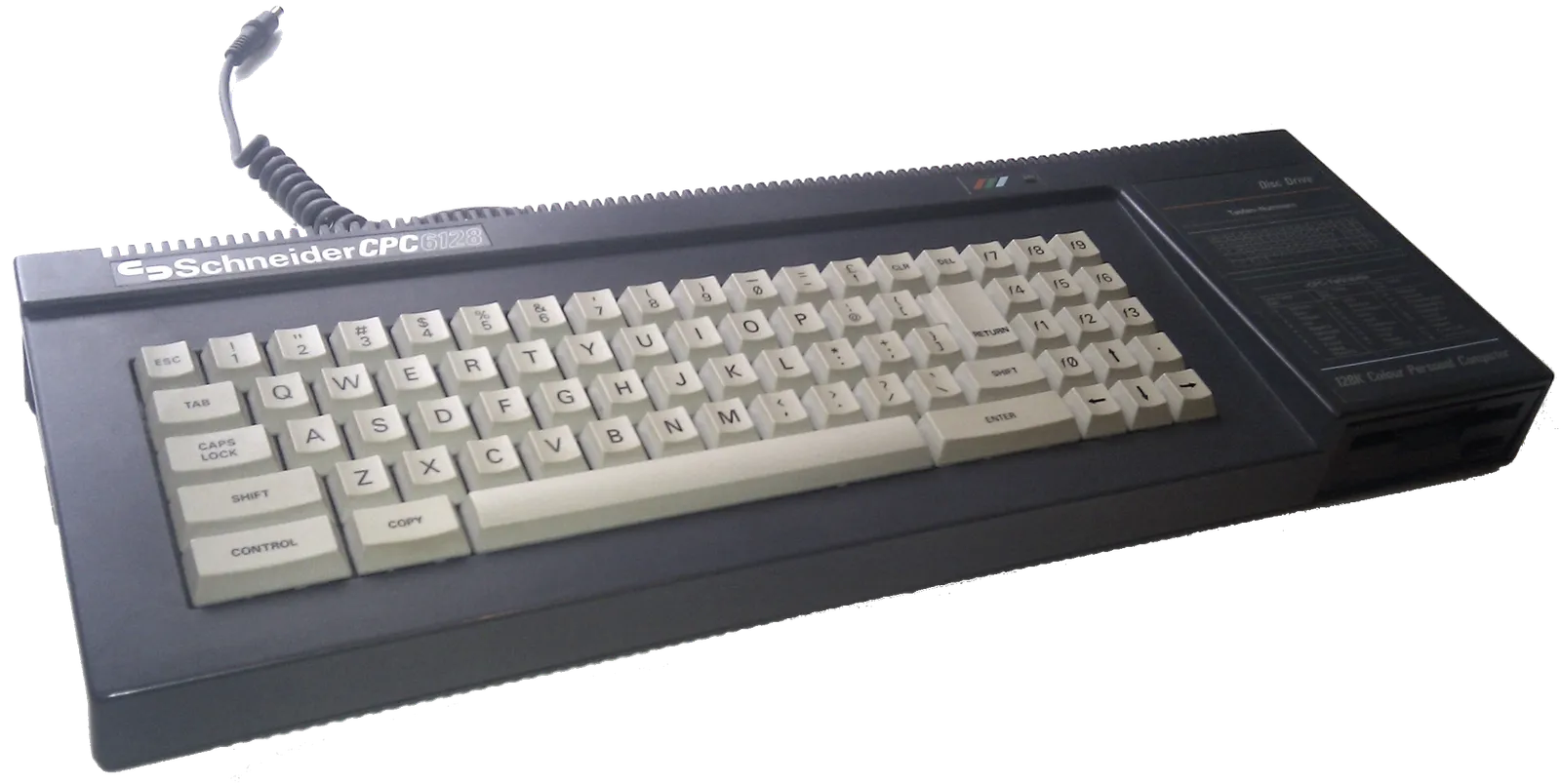
Amstrad/Schneider CPC6128, GT65-2 monitor
The CPC6128 is a popular Amstrad computer, sold in Germany by Schneider, that replaced the CPC664. Like its predecessor, it has a built-in 3-inch floppy disk …
Photo: own photograph
Open page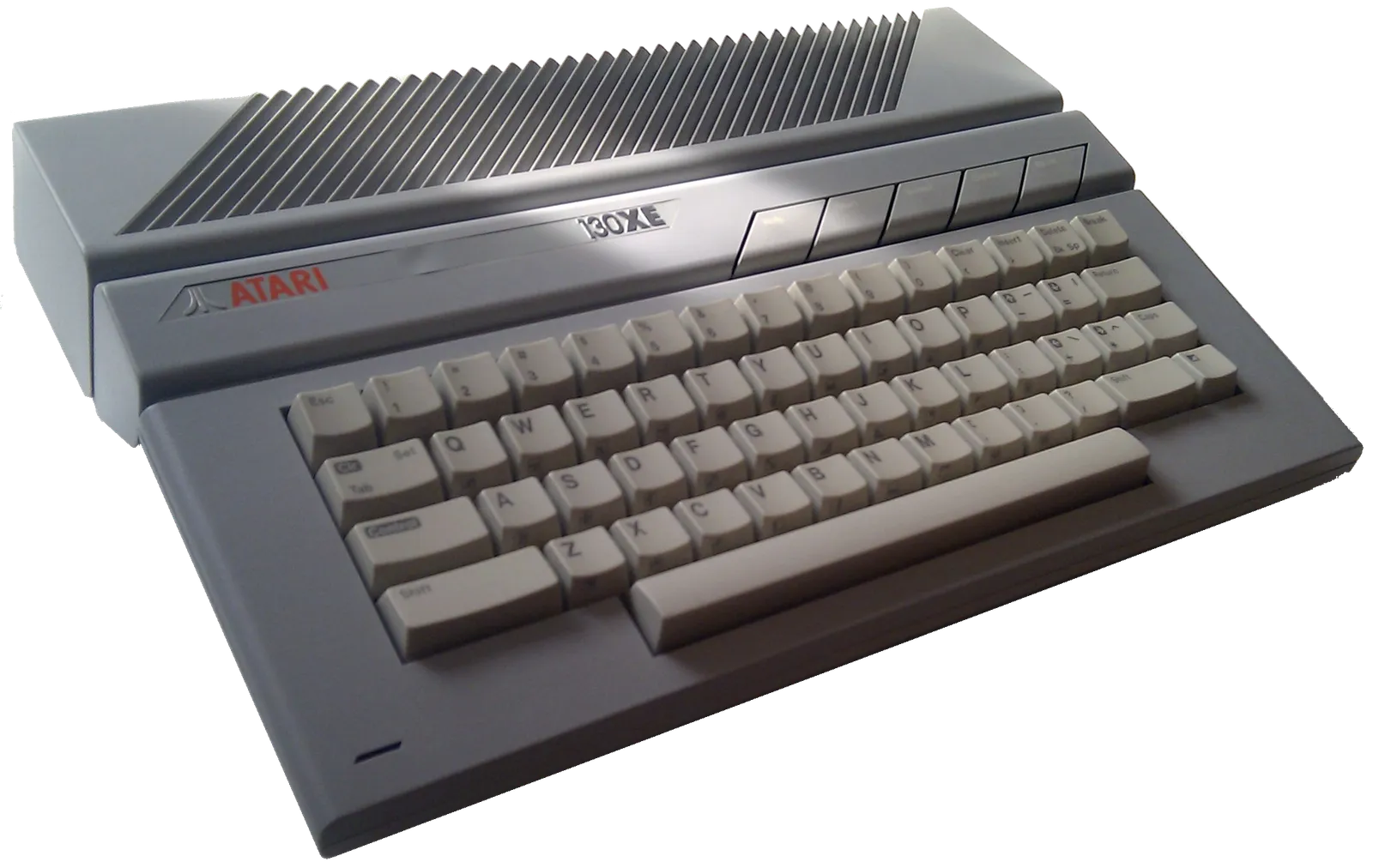
Atari 130XE
The Atari 130XE and Atari 65XE were Atari’s final 8-bit computers. They were essentially based on the Atari 800XL, with the same ROM, but more integrated …
Photo: own photograph
Open page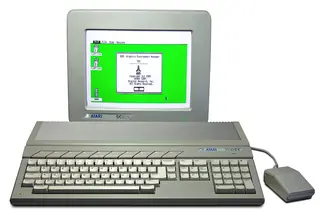
Atari 260ST, SW monitor, floppy
The Atari 260ST and Atari 520ST form the first 16-bit computer of Atari with the Motorola 68000 processor, which contributes as 16/32 processor (Sixteen/Thirty …
Model illustration · Image: © Bill Bertram, 2006 · CC BY-SA 2.5 · Source and original on Wikimedia Commons · WebP, resized where necessary
Open page
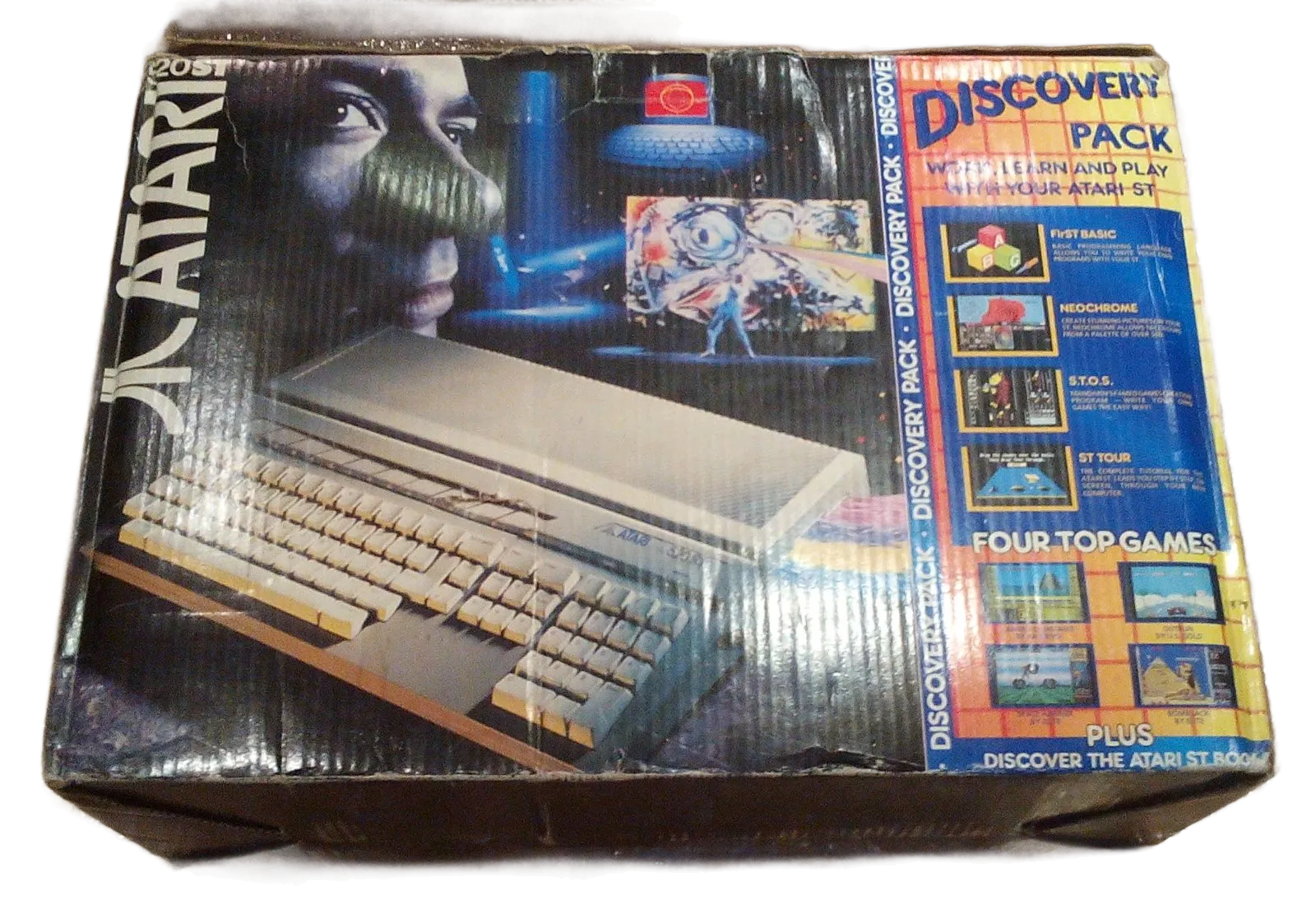
Atari 520ST
After the Sinclair QL, Atari is the second company with a home computer based on the 16/32-bit Motorola 68000 processor. Based on the CPU's data bus width …
Photo: own photograph
Open page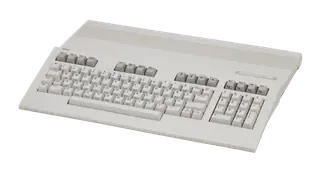
Commodore 128
The Commodore 128 (C128) was released in 1985 in the USA, a year later in Europe. Technically, it builds on the C64 as a successor, but it offers an improved …
Model illustration · Image: Evan-Amos · CC BY-SA 3.0 · Source and original on Wikimedia Commons · WebP, resized where necessary
Open page
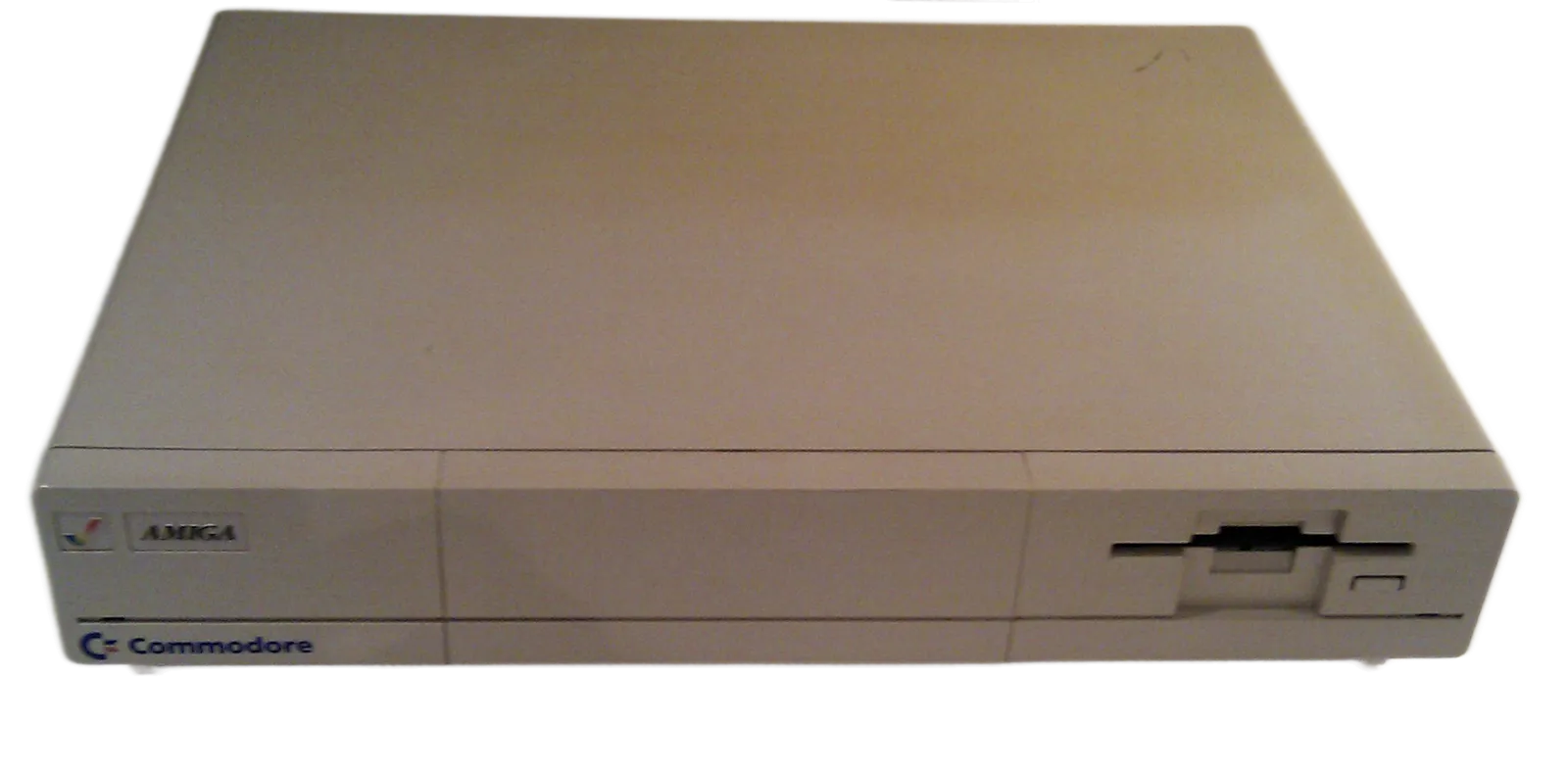
Commodore Amiga 1000
Commodore introduced the Amiga 1000 in the USA in summer 1985, at an event attended by pop artist Andy Warhol and singer Debbie Harry of Blondie. It launched …
Photo: own photograph
Open page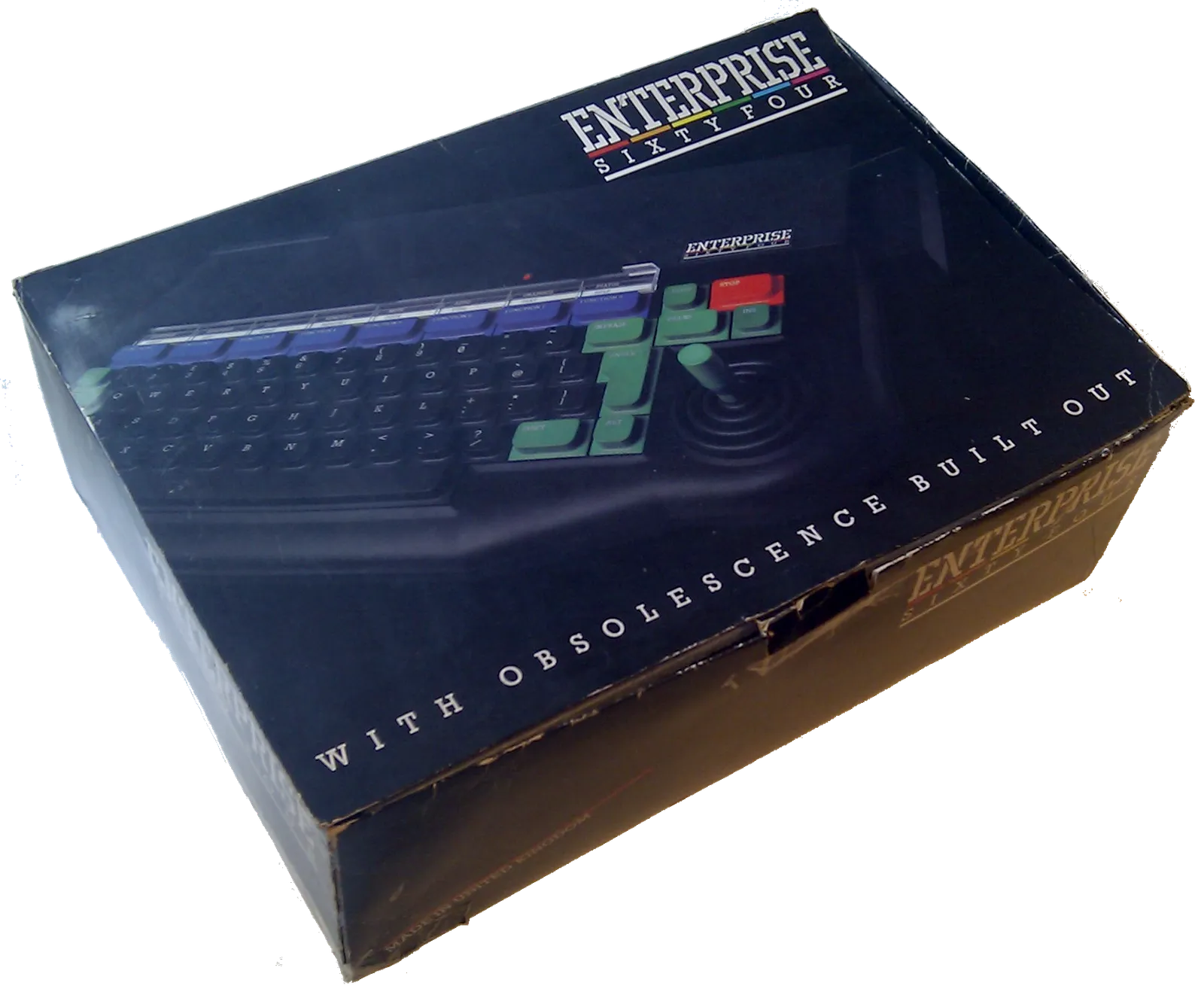
Enterprise 64/Enterprise 128
There are two versions of Enterprise: Enterprise 64 with 64 KiB RAM (of which 50 KiB are available) and a short time later the Enterprise 128 (128 KiB RAM) …
Photo: own photograph
Open page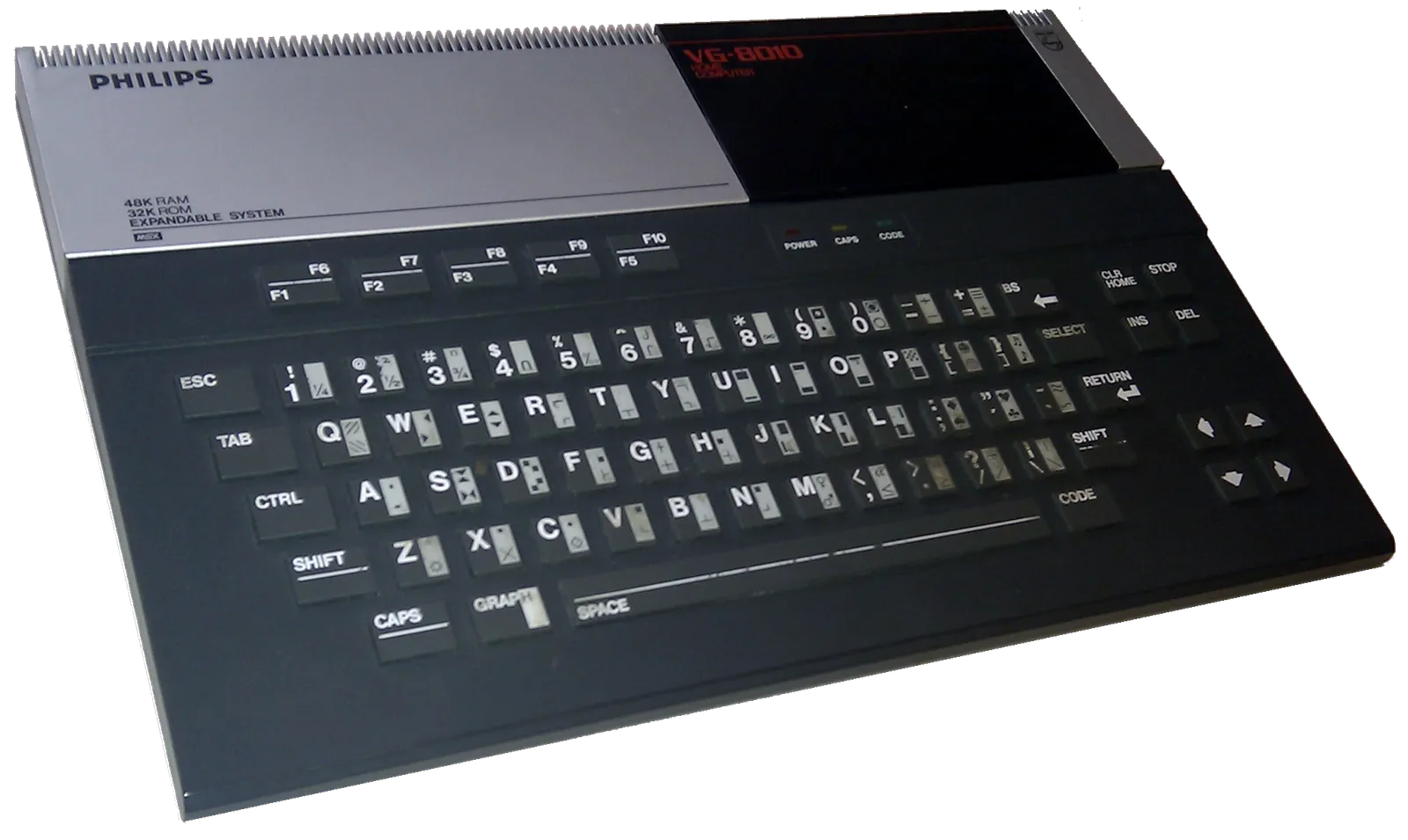
Philips VG-8010
The Philips VG-8010 is an 8-bit home computer and offers 2 module spaces, a moderate keyboard and strangely arranged cursor keys but no built-in datasette. The …
Photo: own photograph
Open page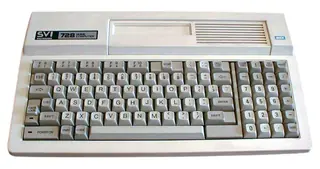
Spectravideo SVI-728
The SVI-728 sold by the American company Spectravideo (1988) is the successor of the SV-328, and irons out some flaws, making the SVI-728 the first …
Model illustration · Image: Tiziano Garuti (1000Bit · Public domain · Source and original on Wikimedia Commons · WebP, resized where necessary
Open page
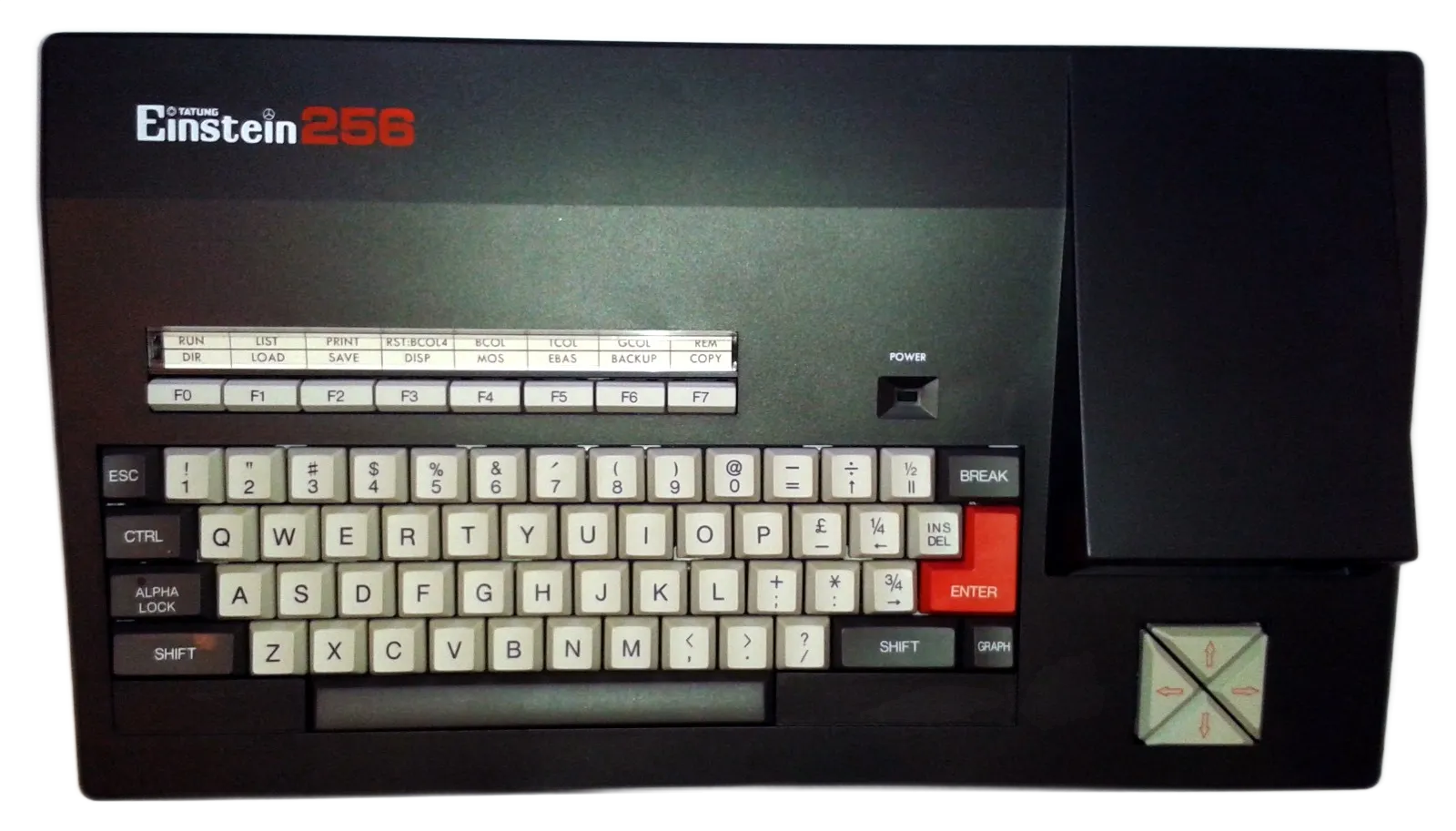
Tatung Einstein 256
Taiwanese company Tatung had the Einstein (TC-01) home computer developed and built in England in 1984. It has a 4 MHz Z80A, 64 KB RAM and a built-in 3-inch …
Photo: own photograph
Open page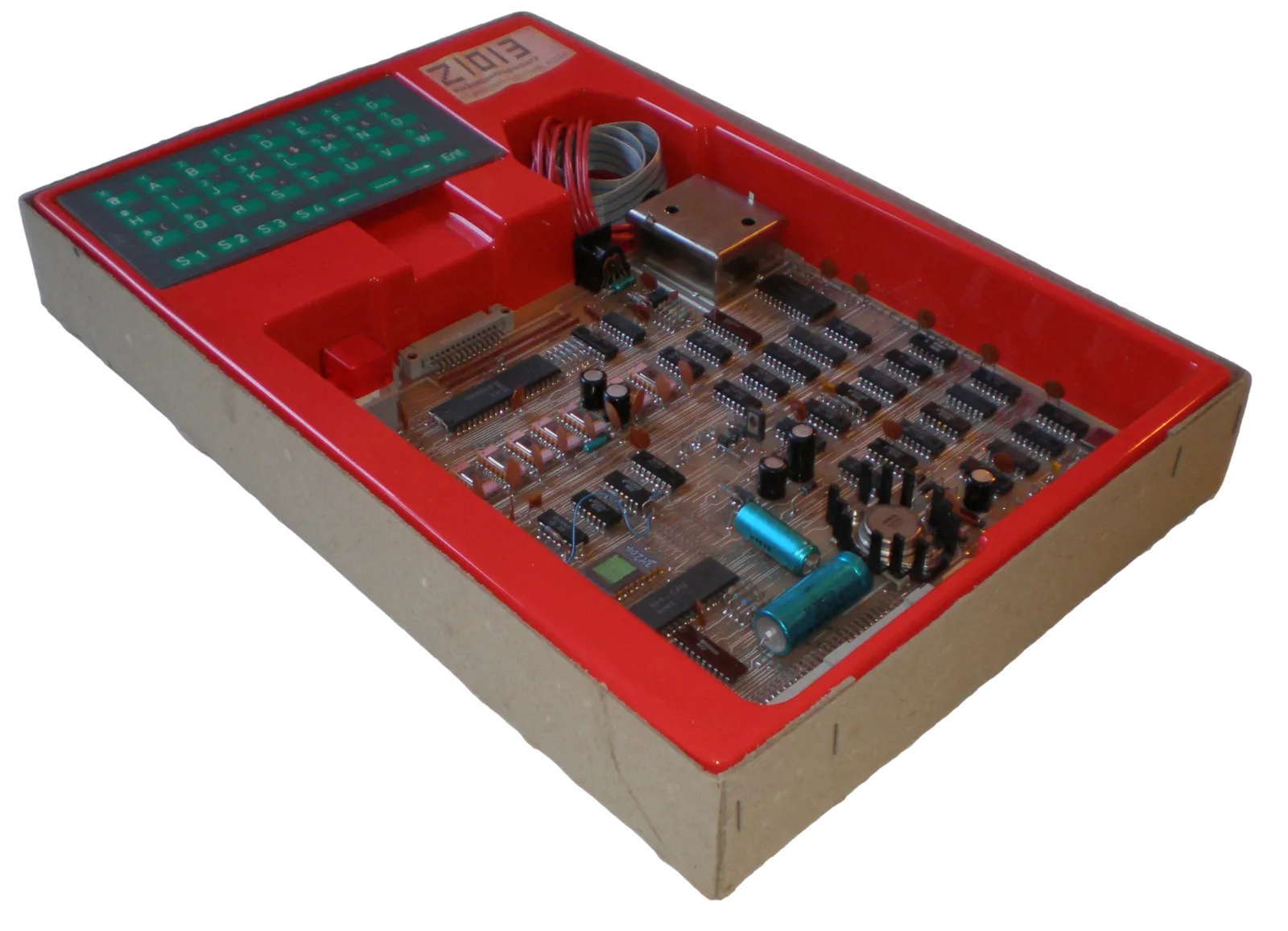
VEB Robotron Z1013
The Z1013 is a kit computer from the former GDR, manufactured by VEB Robotron-Elektronik in Riesa.
Photo: own photograph
Open page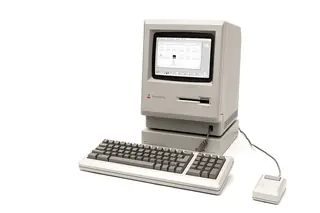
Apple Macintosh Plus
With the Macintosh, Apple promised to “free the world from the clutches of a totalitarian power”, taking aim at IBM. Ridley Scott’s dark commercial for the …
Model illustration · Image: Felix Winkelnkemper · CC BY 2.0 · Source and original on Wikimedia Commons · WebP, resized where necessary
Open page
Atari 1040ST
In April 1986, the Atari 1040ST joined the ST range, with a larger case and 1 MiB of RAM. Its introductory price in Germany was 3298 DM.
Model illustration · Image: © Bill Bertram, 2006 · CC BY-SA 2.5 · Source and original on Wikimedia Commons · WebP, resized where necessary
Open page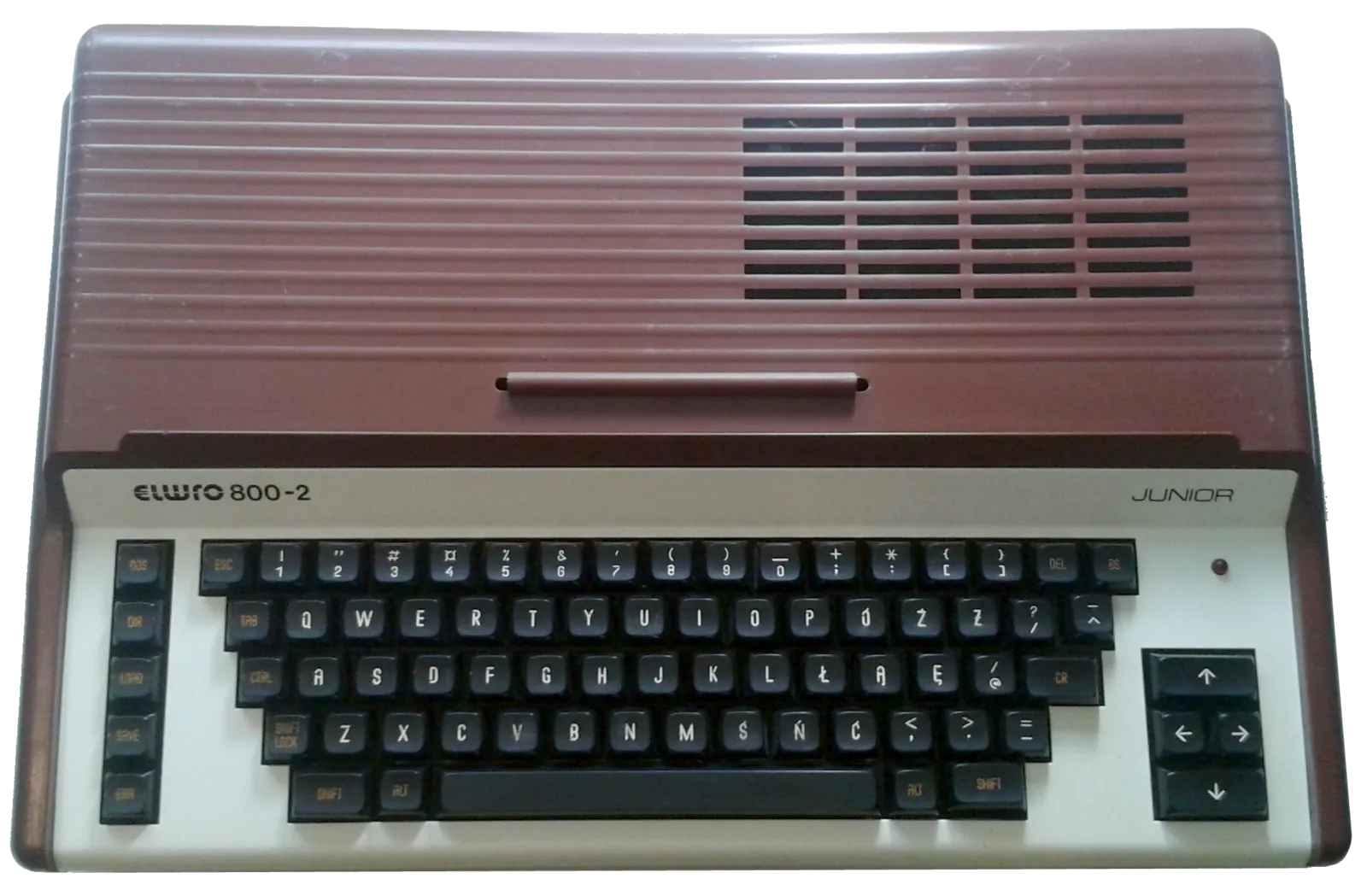
Elwro 800 Junior
The Elwro 800 Junior is a Polish school computer built by the Elwro electronics factory in Wrocław. In the mid-1980s, Poland's Ministry of Education held a …
Photo: own photograph
Open page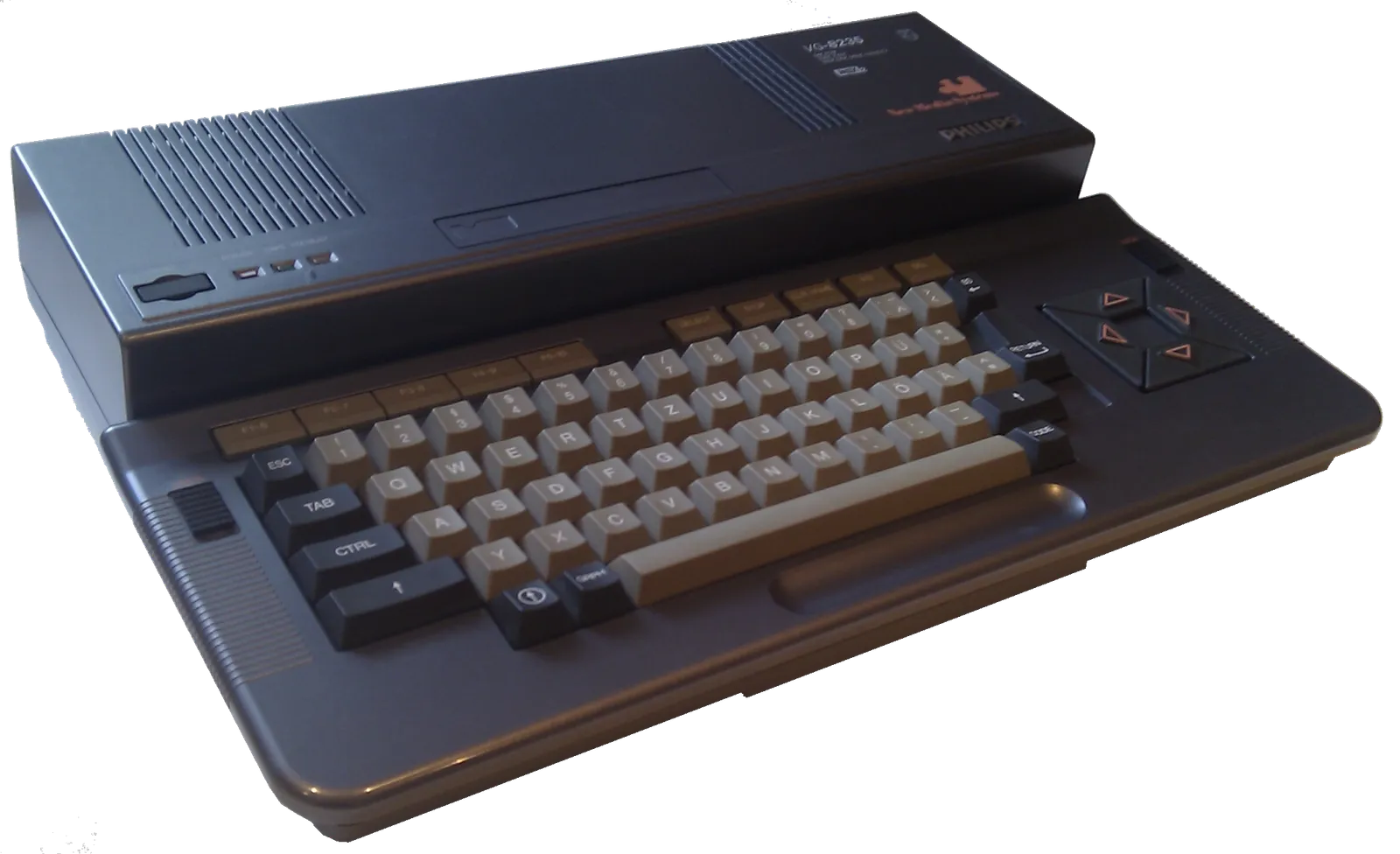
Philips VG-8235
The Philips VG-8235 is a computer according to the MSX2 specification. The Dutch company explicitly advertised its graphics capabilities and with a video …
Photo: own photograph
Open page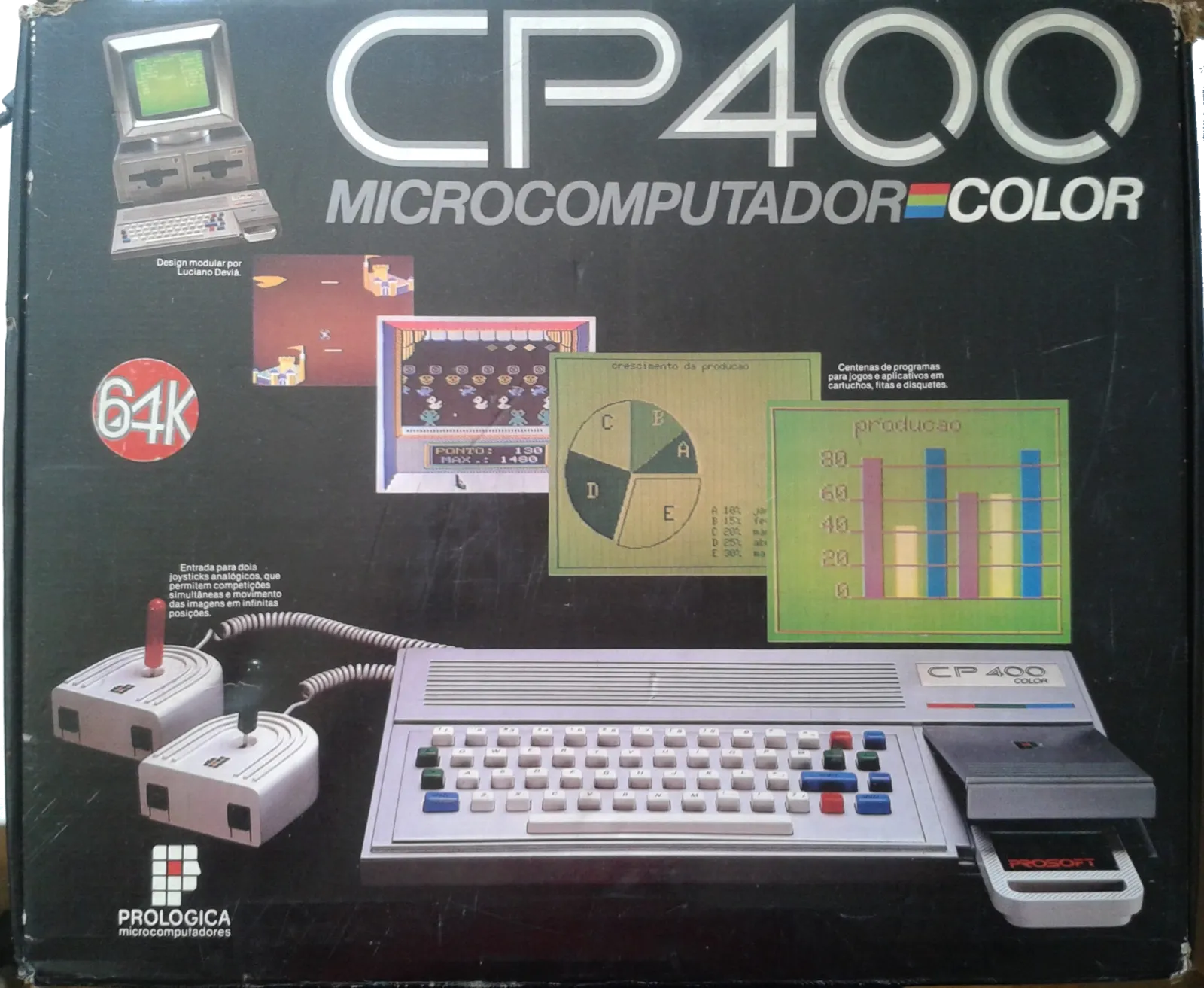
Prologica CP 400 COLOR
The CP 400 COLOR from the Brazilian company Prológica is a replica of Tandy's TRS-80 Color Computer 2 in its own housing. Brazil protected its computer …
Photo: own photograph
Open page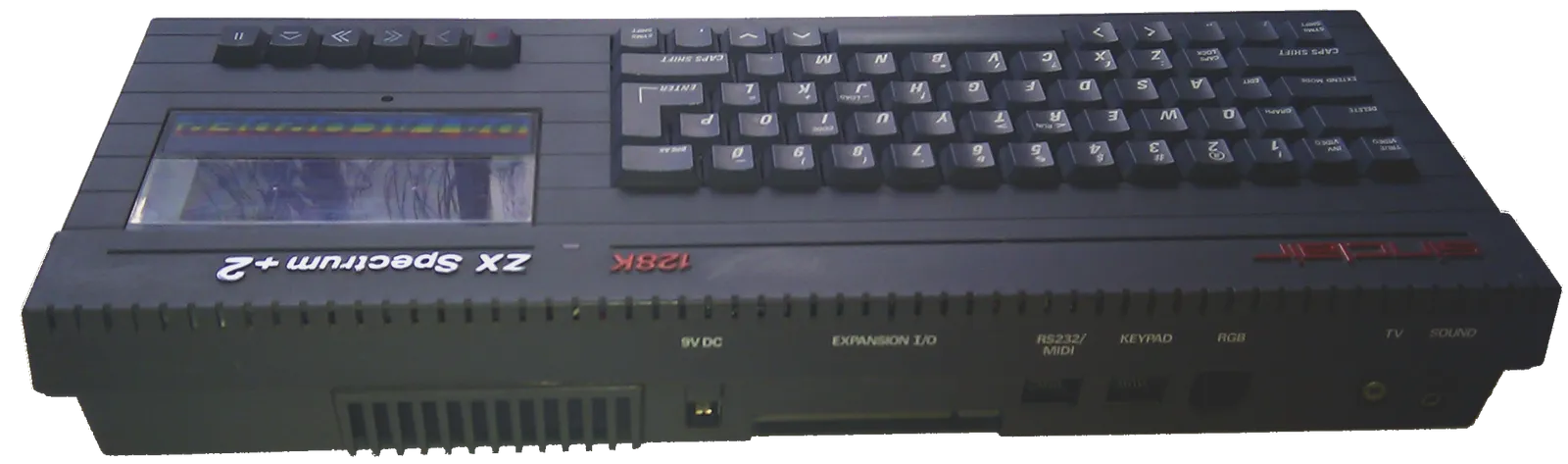
Sinclair ZX Spectrum +2 (by Amstrad)
After buying the Sinclair computer division and the Sinclair brand in 1986, the ZX Spectrum +2 is the first machine under the Amstrad brand; it came directly …
Photo: own photograph
Open page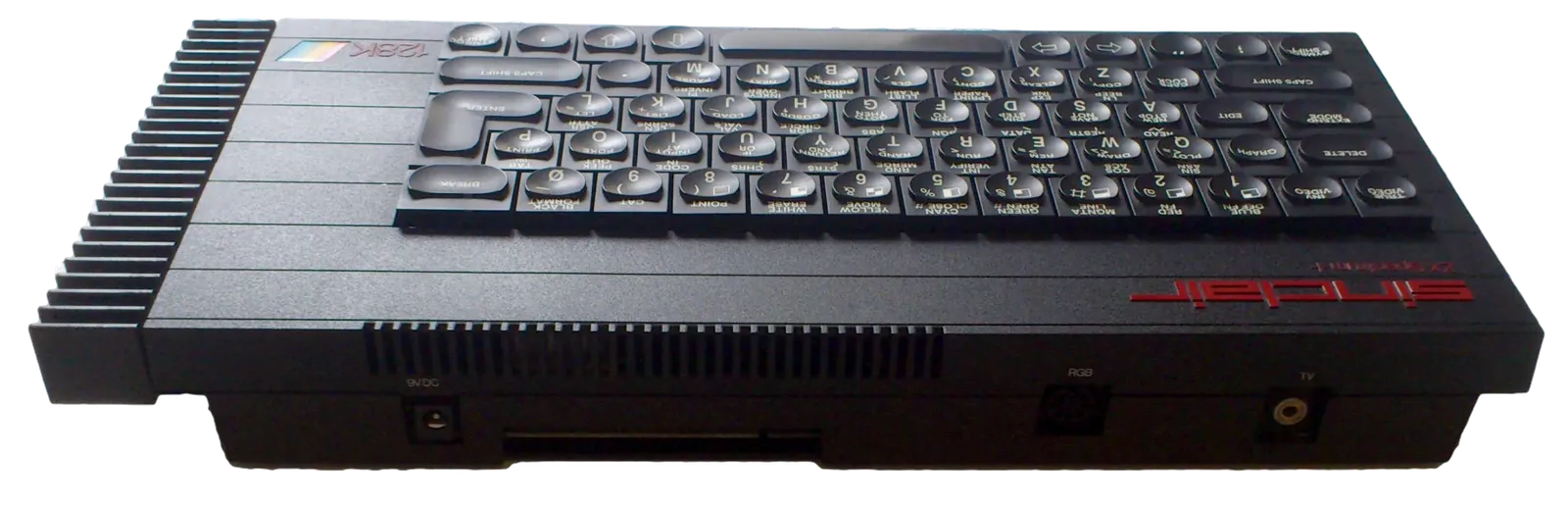
Sinclair ZX Spectrum 128
Since the ZX Spectrum 128 from Sinclair has a ZX Spectrum+ on the housing, this leads to amazement at the first moment. But the second label 128K makes it …
Photo: own photograph
Open page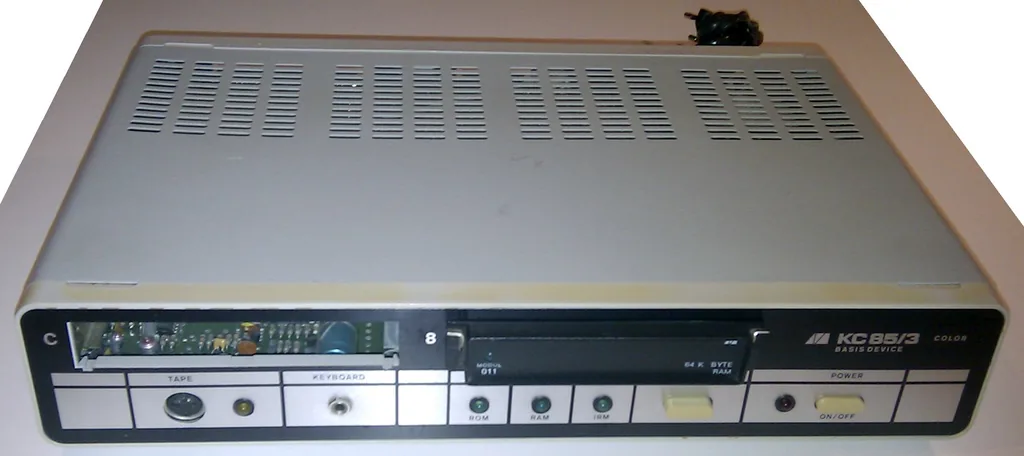
Small computers KC 85/3
The KC 85/3 is a successor to the KC 85/2 with 16 KiB RAM by default.
Photo: own photograph
Open page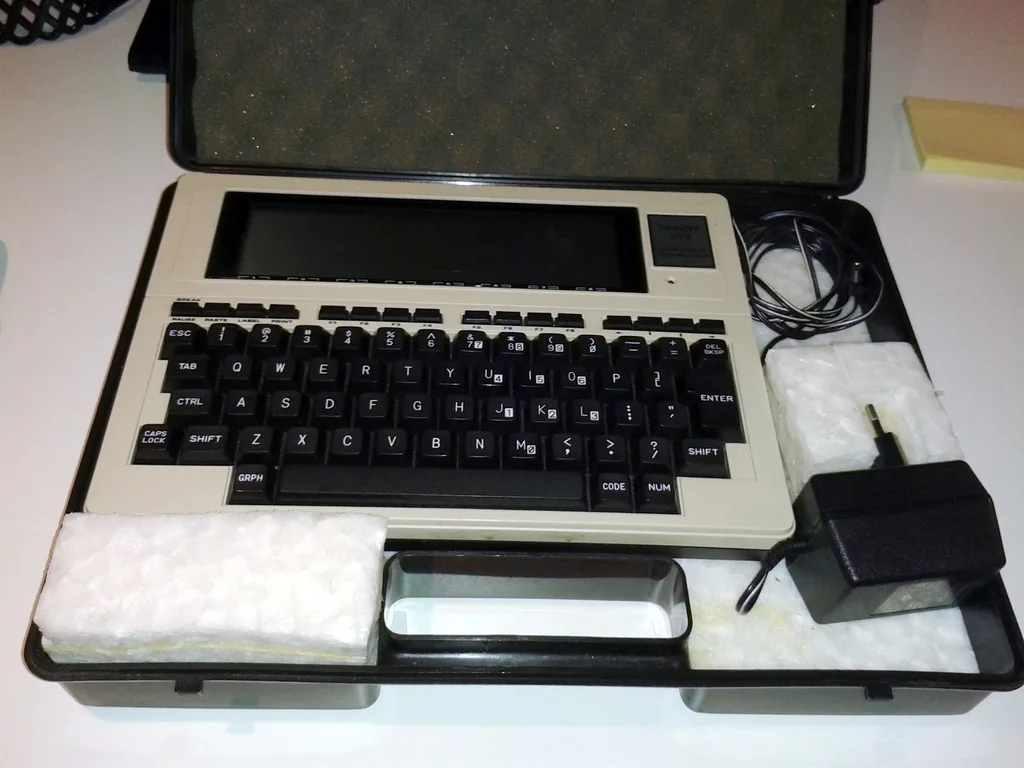
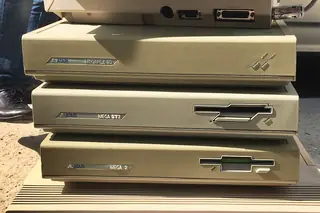
Atari MEGA Computers
The MEGA computers introduced in 1987 were Atari’s next ST generation. They have a larger case, a fan, a battery-backed clock and a high-quality separate …
Model illustration · Image: Thomas Conté · CC BY-SA 2.0 · Source and original on Wikimedia Commons · Thomas Conté · WebP, resized where necessary
Open page
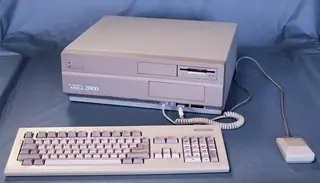
Commodore Amiga 2000 and 1500
The Amiga 2000 appeared in March 1987 as a large, expandable Amiga for professional users, priced at US$1,495. Commodore's German division played the leading …
Model illustration · Image: Trafalgarcircle · Public domain · Source and original on Wikimedia Commons · WebP, resized where necessary
Open page
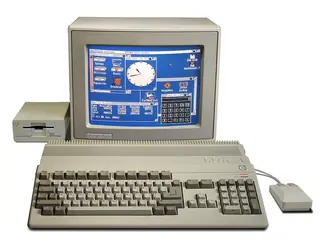
Commodore Amiga 500
The Amiga 1000 is followed by the Amiga 2000 desktop computer in 1987 and the Amiga 500 for home users as a keyboard computer.
Model illustration · Image: Bill Bertram · CC BY-SA 2.5 · Source and original on Wikimedia Commons · WebP, resized where necessary
Open page
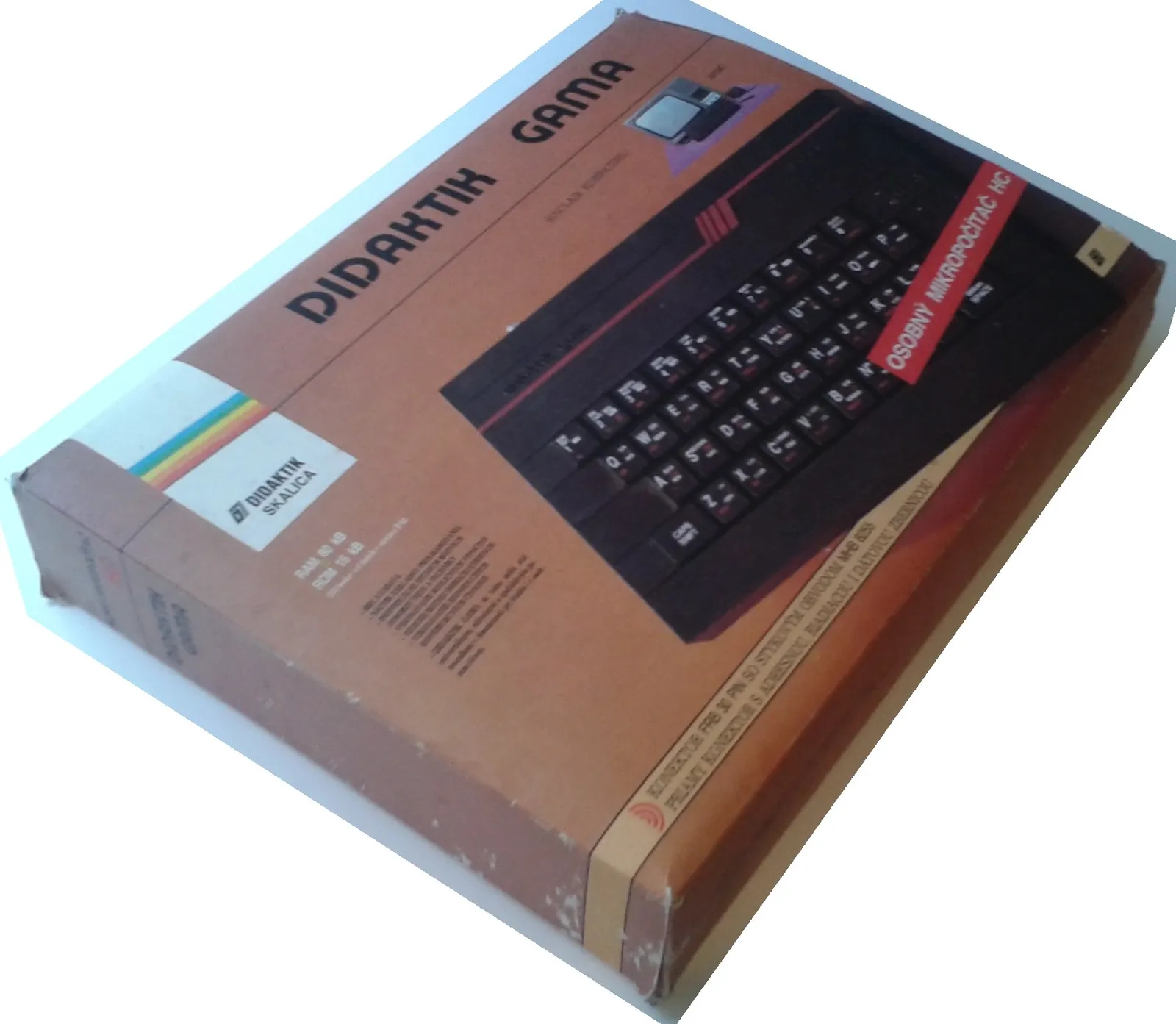
Didaktik Gama
The Didaktik Gama is a Czechoslovak copy of the Sinclair ZX Spectrum, manufactured from 1987 by Didaktik in Skalica. The company had previously made Alfa and …
Photo: own photograph
Open page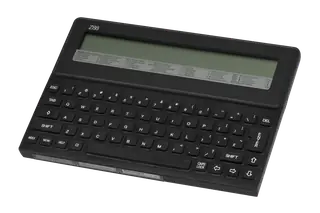
Z88
The Z88 is a small notebook computer based on the Zilog Z80 processor. Sir Clive Sinclair introduced it in 1987 under the Cambridge Computers name rather than …
Model illustration · Image: Evan-Amos · Public domain · Source and original on Wikimedia Commons · WebP, resized where necessary
Open page
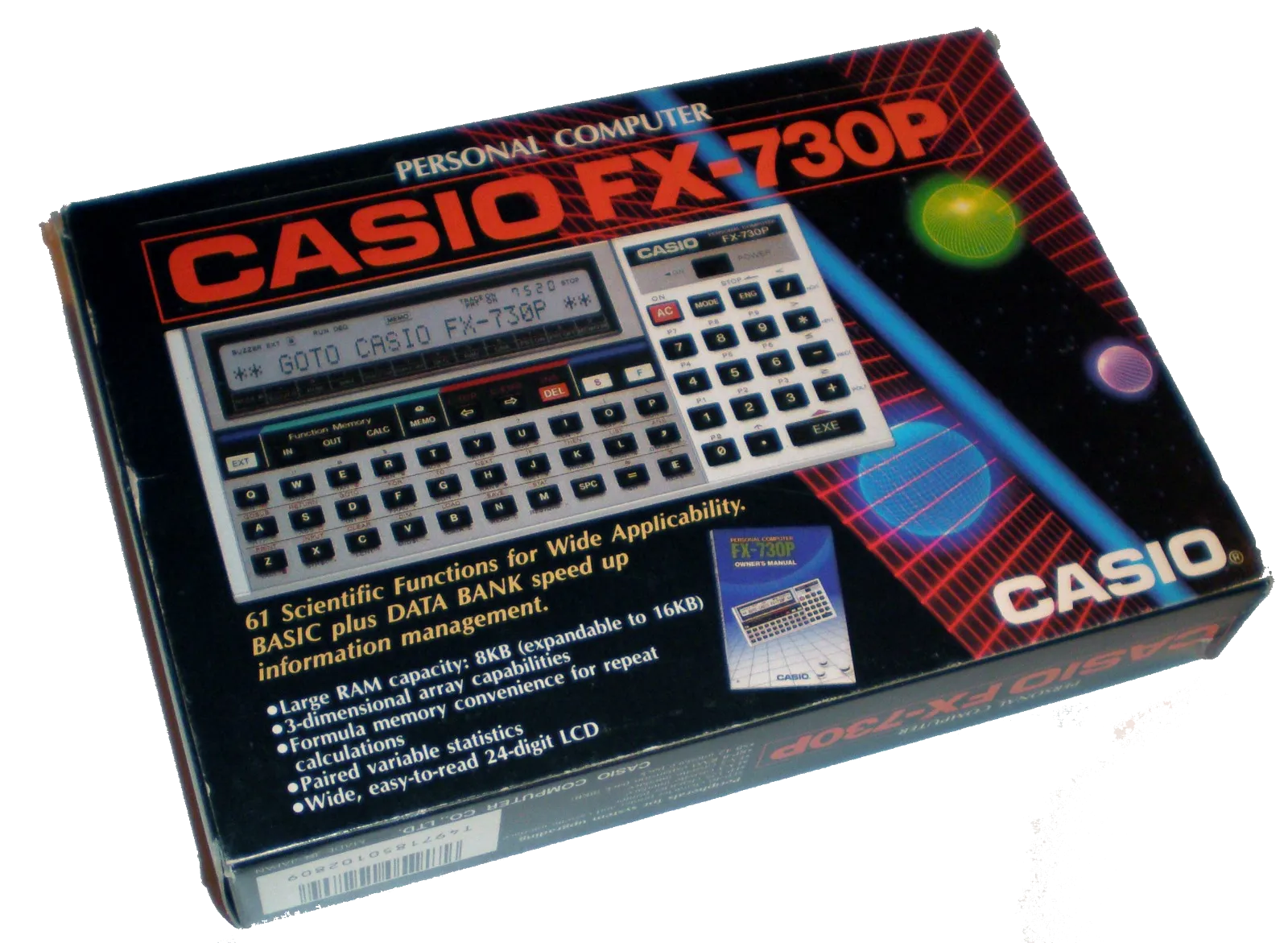
Casio FX-730P
The FX-730P is a small computer from Casio with a large number of scientific functions and can be programmed in BASIC, which goes beyond the functionality of a …
Photo: own photograph
Open page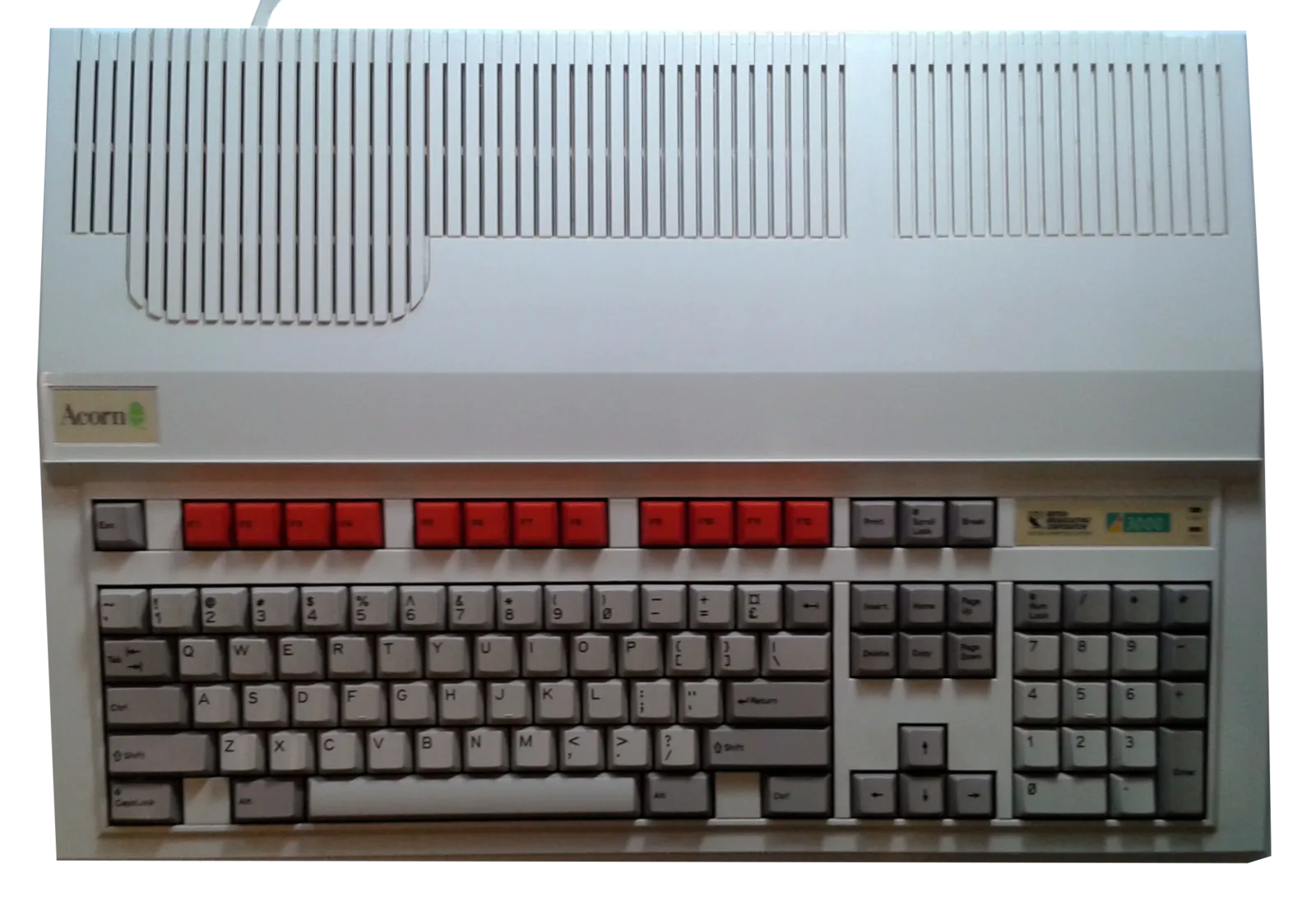
Acorn Archimedes A3000
Acorn released the A3000 in May 1989, bringing Archimedes technology into a compact keyboard case reminiscent of the BBC Micro. The keyboard and floppy drive …
Photo: own photograph
Open page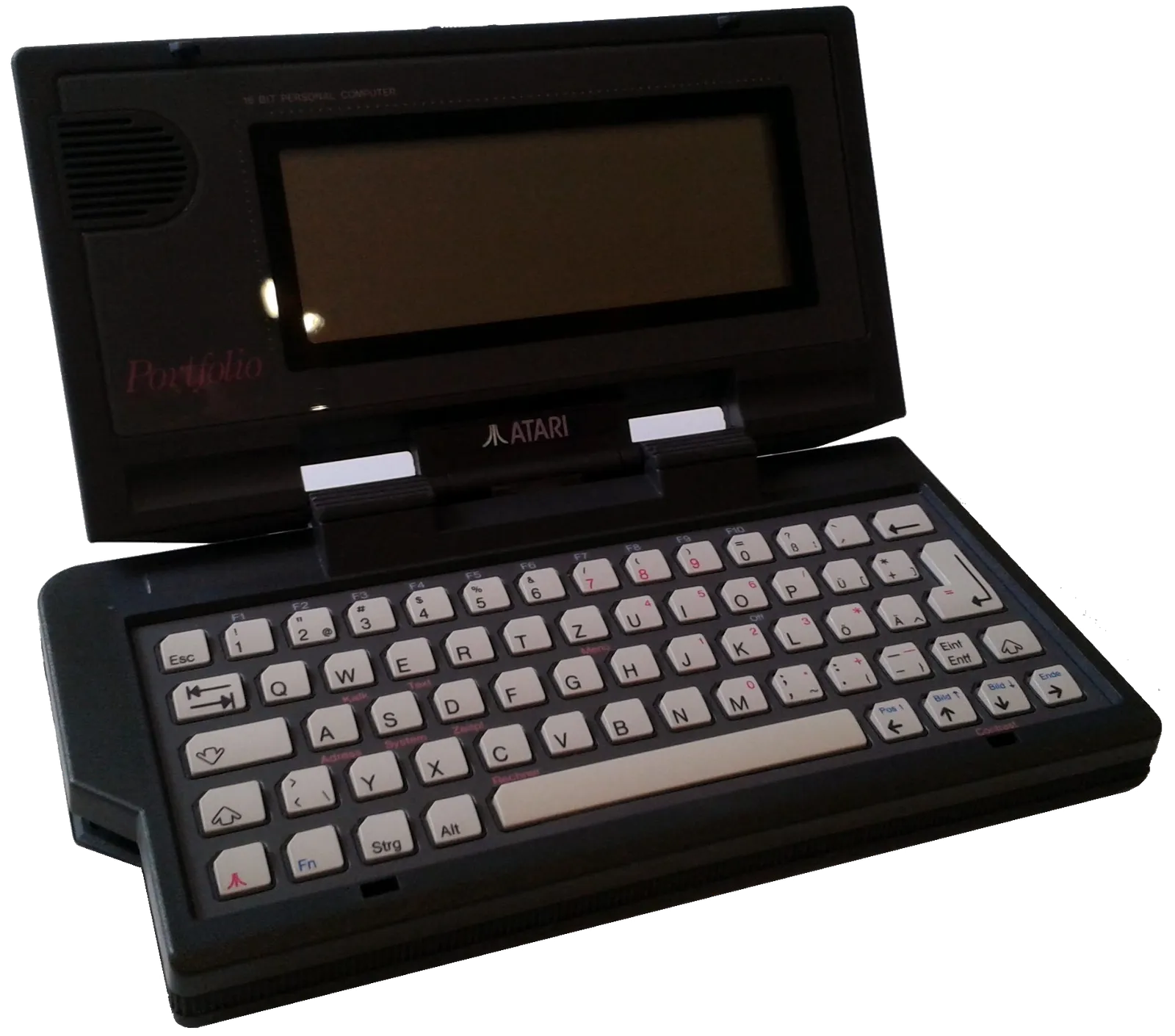
Atari Portfolio
The Portfolio is a portable IBM-compatible 16-bit PC introduced by Atari in May 1989 and launched in January 1990. The operating system is a MS-DOS clone …
Photo: own photograph
Open page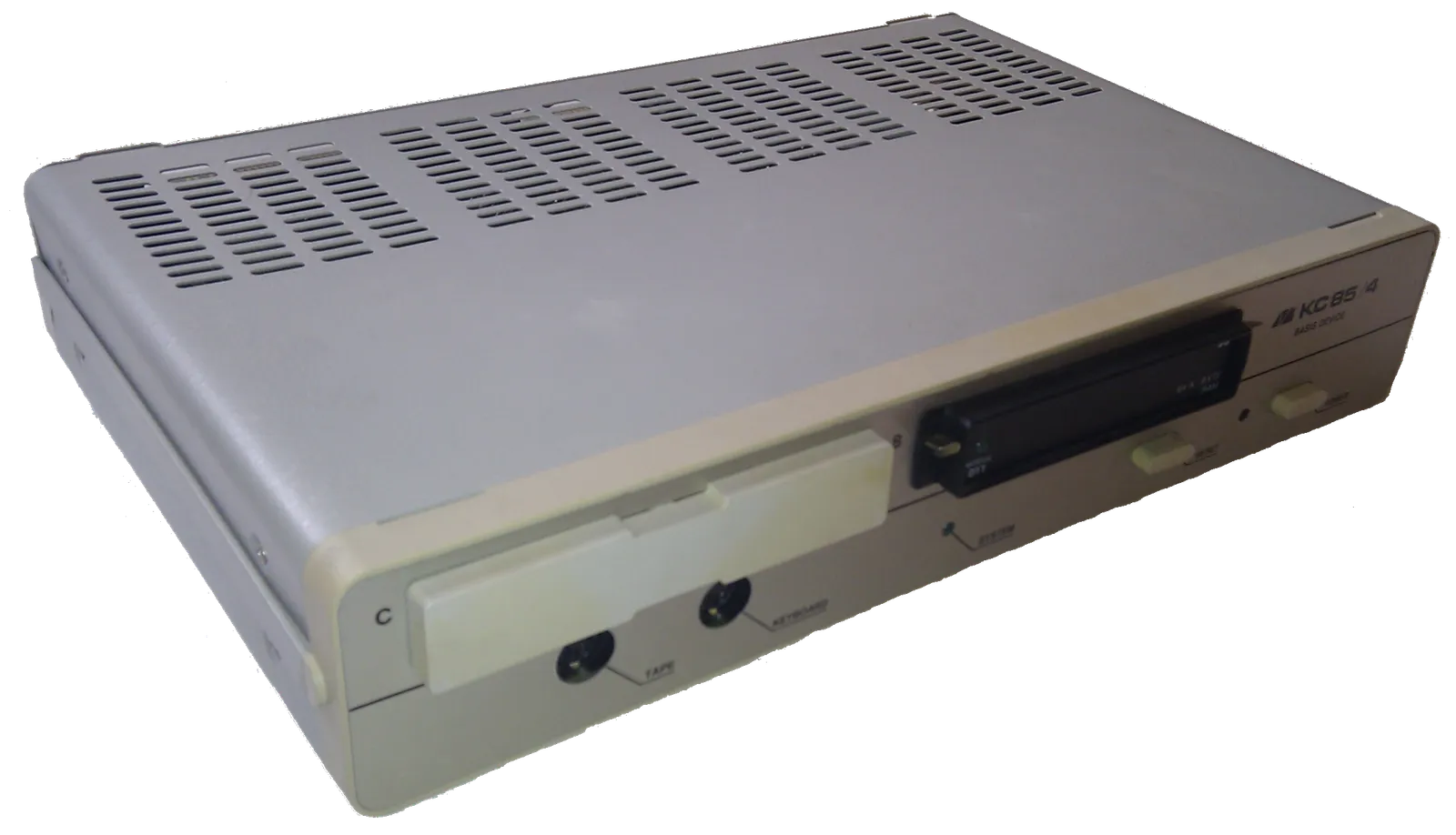
Atari TT030
The TT030 is Atari's most powerful ST-family computer, presented at CeBIT in Hanover in 1990 and available in the USA from 1991. A 32 MHz Motorola 68030 and …
Model illustration · Image: Tjlazer at English Wikipedia · Public domain · Source and original on Wikimedia Commons · WebP, resized where necessary
Open page
Commodore Amiga 3000
Commodore manufactures the Amiga 3000 between June 1990 and 1992, which represents a complete new development towards a high-end graphics workstation. The …
Model illustration · Image: "Joe Smith" (Uploader of original was Joeinwap at en.wikipedia (Changes made by Ubcule)) · Public domain · Source and original on Wikimedia Commons · WebP, resized where necessary
Open page
Atari ST Book
Atari introduced its first portable ST computer, the Stacy, in Europe in 1989. Its successor, the ST Book, was unveiled in March 1991 but did not go on sale …
Model illustration · Image: Thomas Conté · CC BY-SA 2.0 · Source and original on Wikimedia Commons · WebP, resized where necessary
Open page
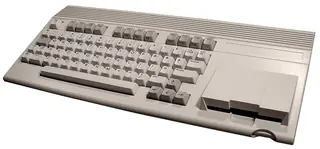
Commodore C65
A development prototype of the C65, the planned successor to the Commodore 64, which never received a regular commercial release.
Model illustration · Image: Machine · CC BY-SA 3.0 · Source and original on Wikimedia Commons · Machine at de.wikipedia · WebP, resized where necessary
Open page
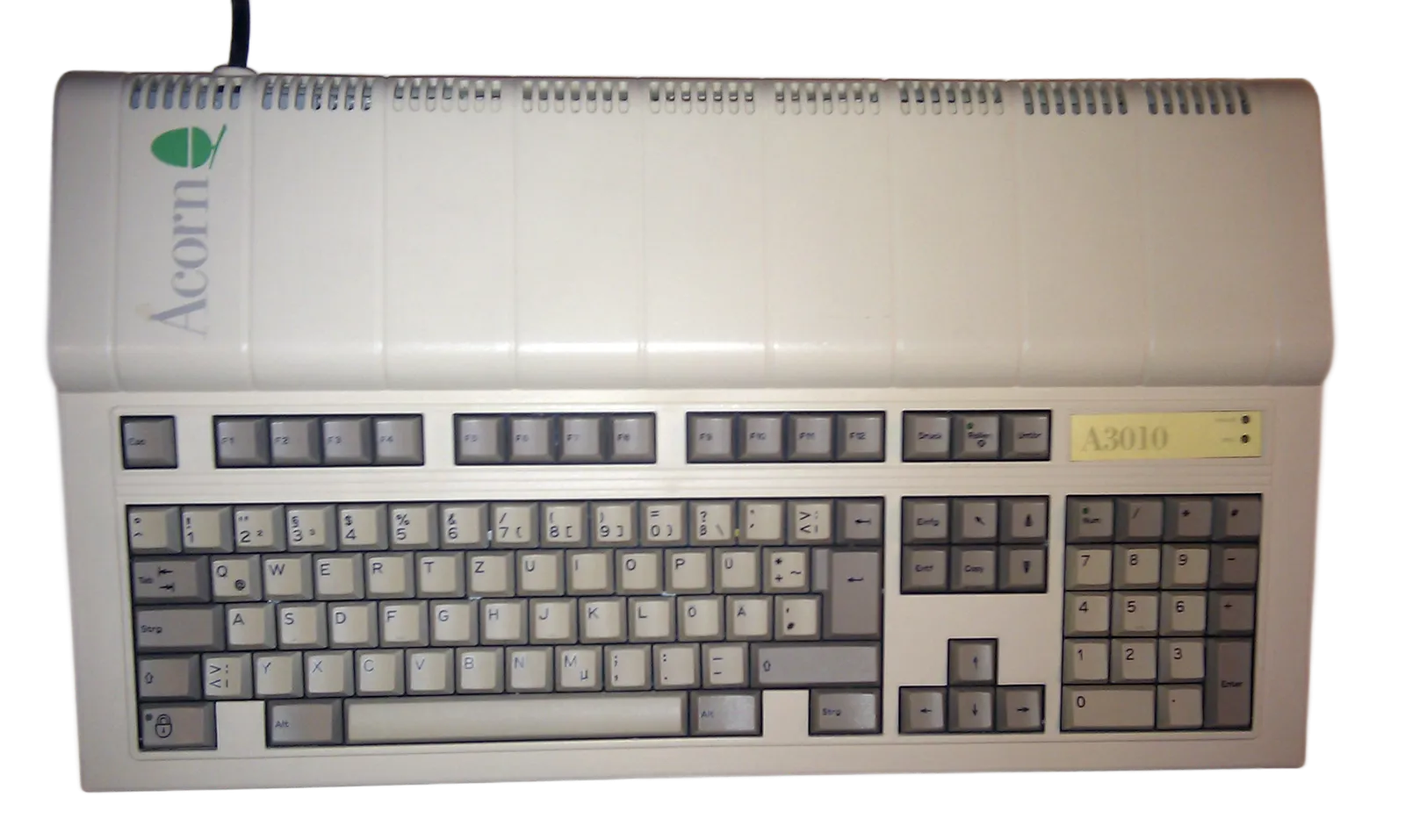
Acorn A3010
Acorn released the A3010 in September 1992 together with the A3020 and the A4000 as successors to the A3000; the A3010 was the model for private users, the …
Photo: own photograph
Open page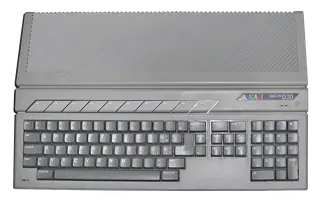
Atari Falcon 030
The Atari Falcon 030 Computer System, or Atari Falcon, is the last home computer of the Atari Corporation. This marks the end of the golden era in 1993. Like …
Model illustration · Image: LosHawlos · CC BY-SA 3.0 · Source and original on Wikimedia Commons · LosHawlos · WebP, resized where necessary
Open page
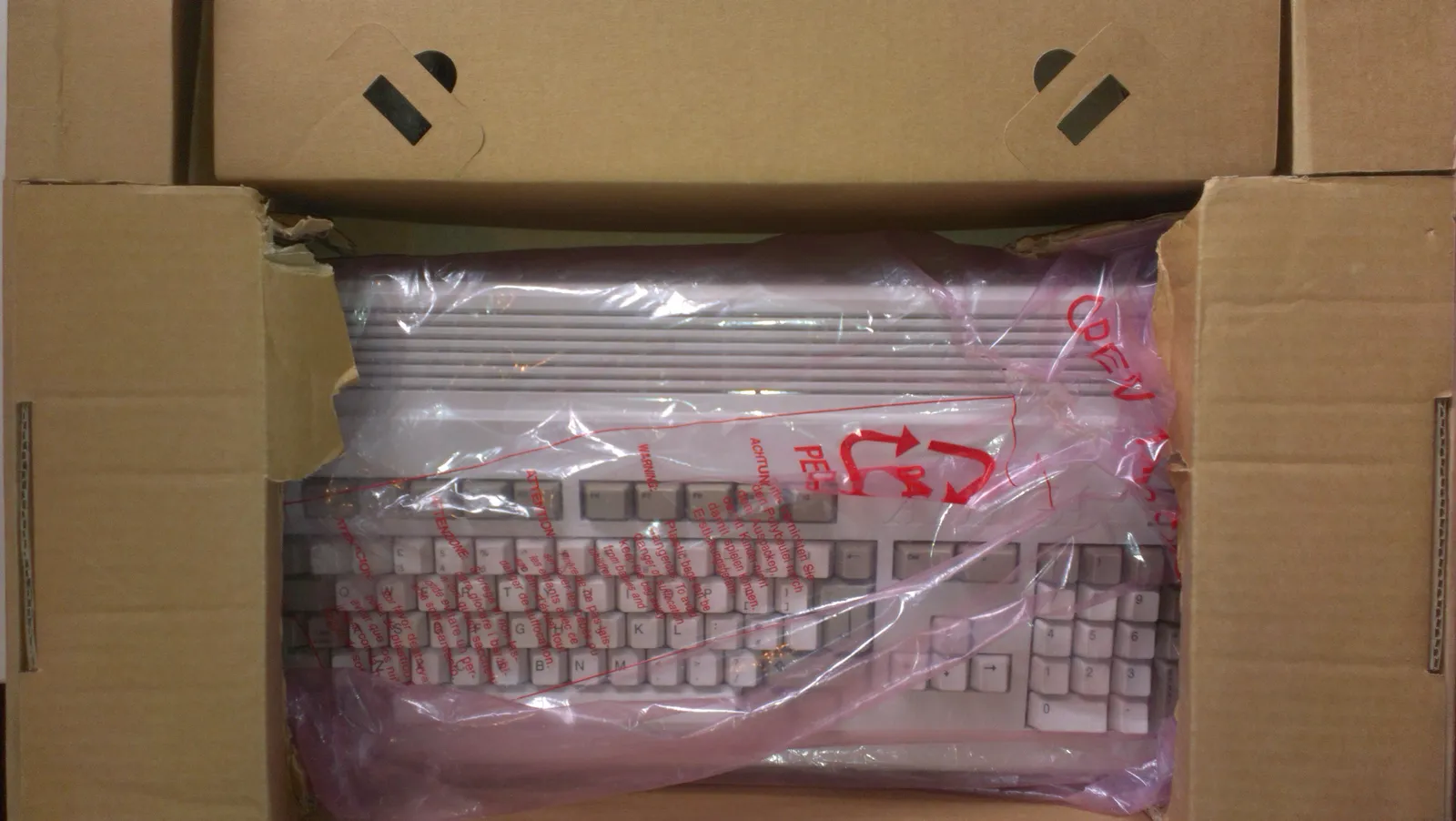
Commodore Amiga 1200
Commodore released the Amiga 1200 keyboard computer in 1992 as the successor to the unsuccessful Amiga 600. Its introductory price in Germany was 899 DM.
Photo: own photograph
Open page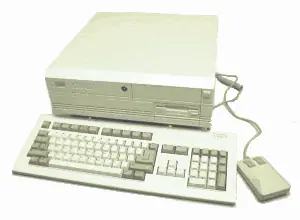
Commodore Amiga 4000
The Amiga 4000 is a further development of the Amiga 3000 and is in trade from 1992 to 1994. First Commodore installs a 25 MHz fast Motorola 68040 CPU (Amiga …
Model illustration · Image: Crb136 at English Wikipedia (Original text: Crb136) · Public domain · Source and original on Wikimedia Commons · WebP, resized where necessary
Open page
Commodore Amiga 600
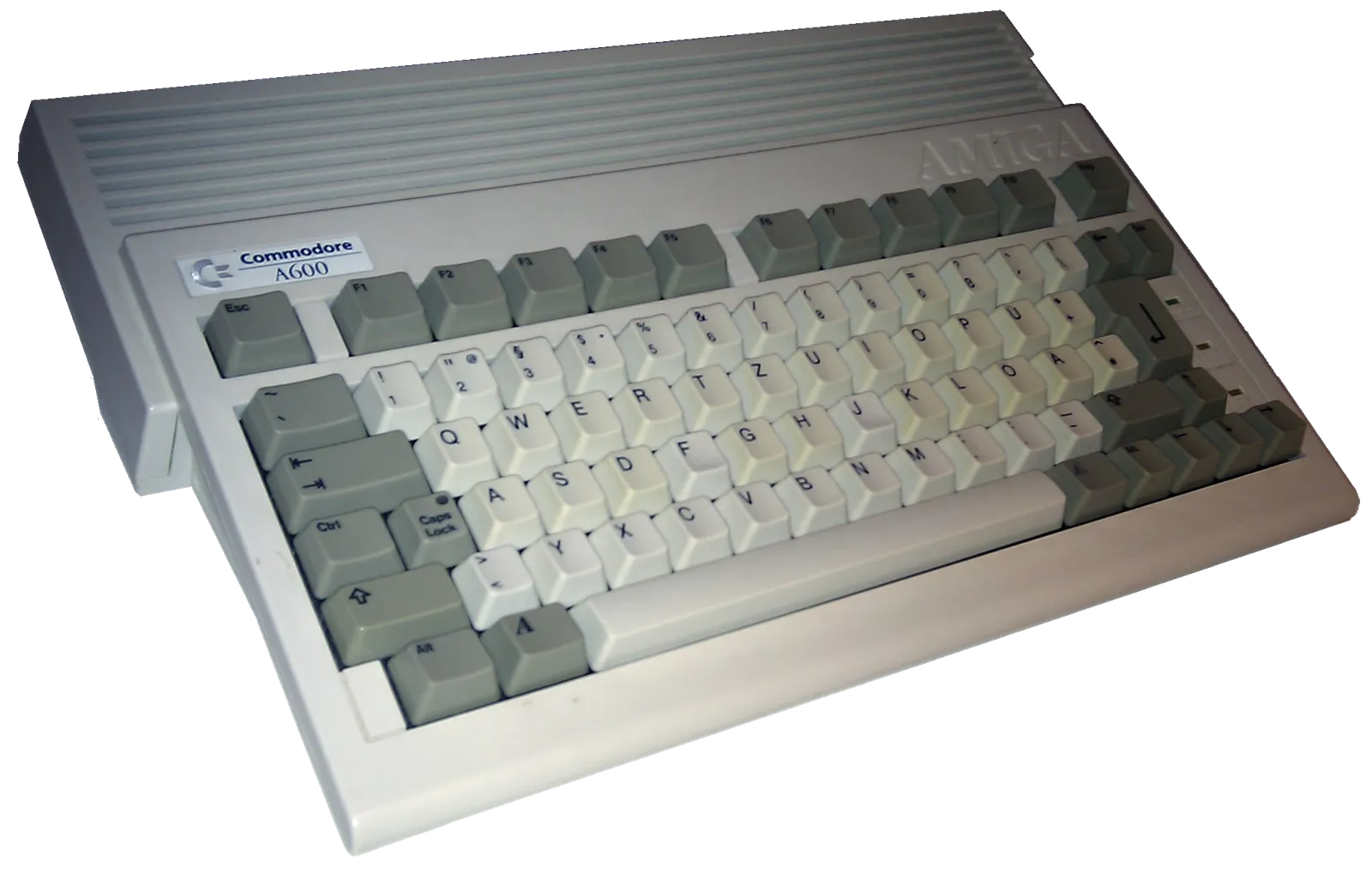
The Amiga 600 is the conclusion of the Amiga 500 series, which Commodore introduced in 1992. Like its predecessor, the Amiga 600 has a Motorola 68000 CPU – all …
Photo: own photograph
Open page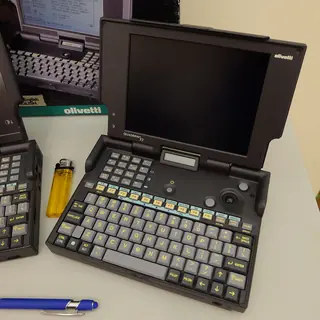
Olivetti Quaderno
Olivetti Quaderno: the device entry in the computer catalog with a further source to the model.
Model illustration · Image: OnlySoft · CC BY-SA 4.0 · Source and original on Wikimedia Commons · WebP, resized where necessary
Open page
Newton and Apple MessagePad
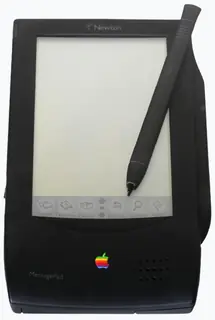
John Sculley is president and CEO of Apple Computer from 1983 to 1993. One of his favorite projects is Newton, a platform for a PDA (personal digital …
Model illustration · Image: Rama & Musée Bolo · CC BY-SA 2.0 FR · Source and original on Wikimedia Commons · Photograph by Rama, Wikimedia Commons, Cc-by-sa-2.0-fr · WebP, resized where necessary
Open page
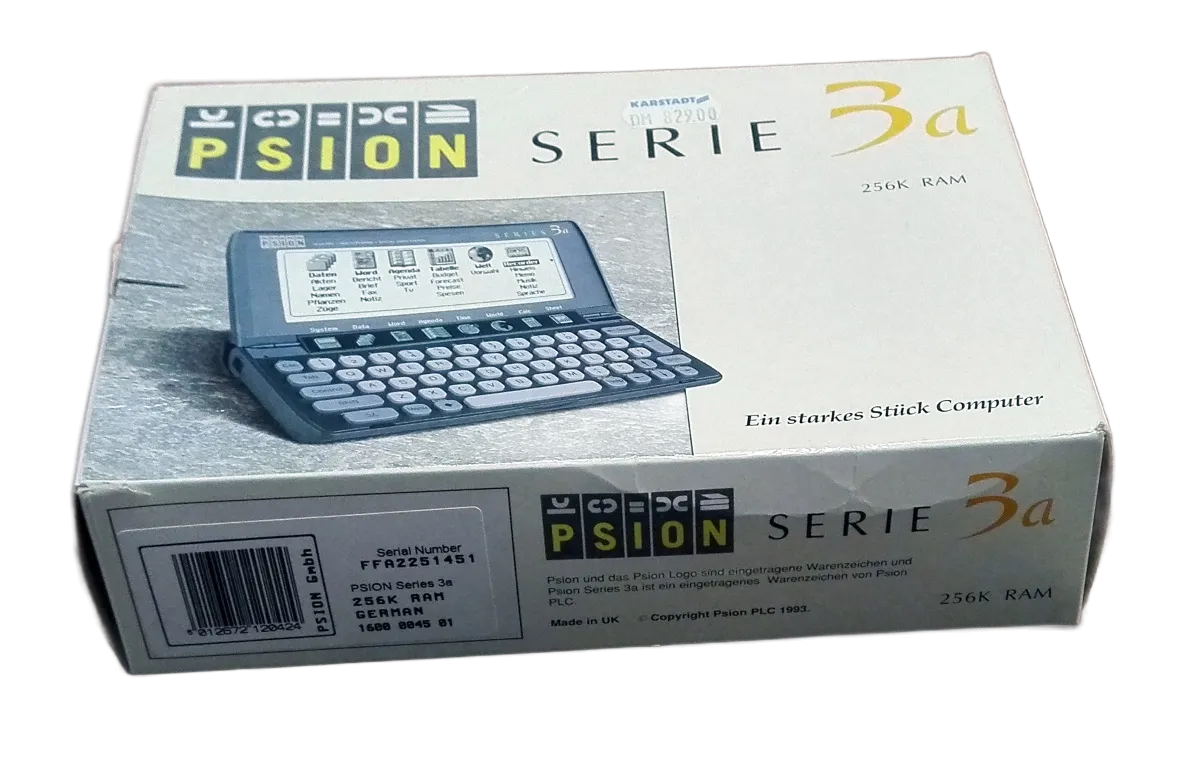
Psion Series 3
In September 1991 the official presentation of the very successful Psion Series 3 with about 1.5 million sales took place. The software is thought out and …
Photo: own photograph
Open page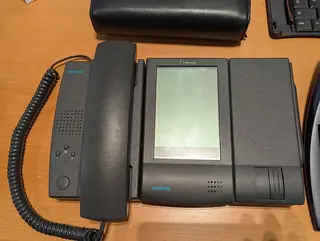
Siemens NotePhone
The Apple Newton is, as far as its text input is concerned, a revolutionary device -- but you can't make calls with it. To make the MessagePad a useful desk …
Model illustration · Image: Thomas Vogt from Paderborn, Deutschland · CC BY 4.0 · Source and original on Wikimedia Commons · WebP, resized where necessary
Open page
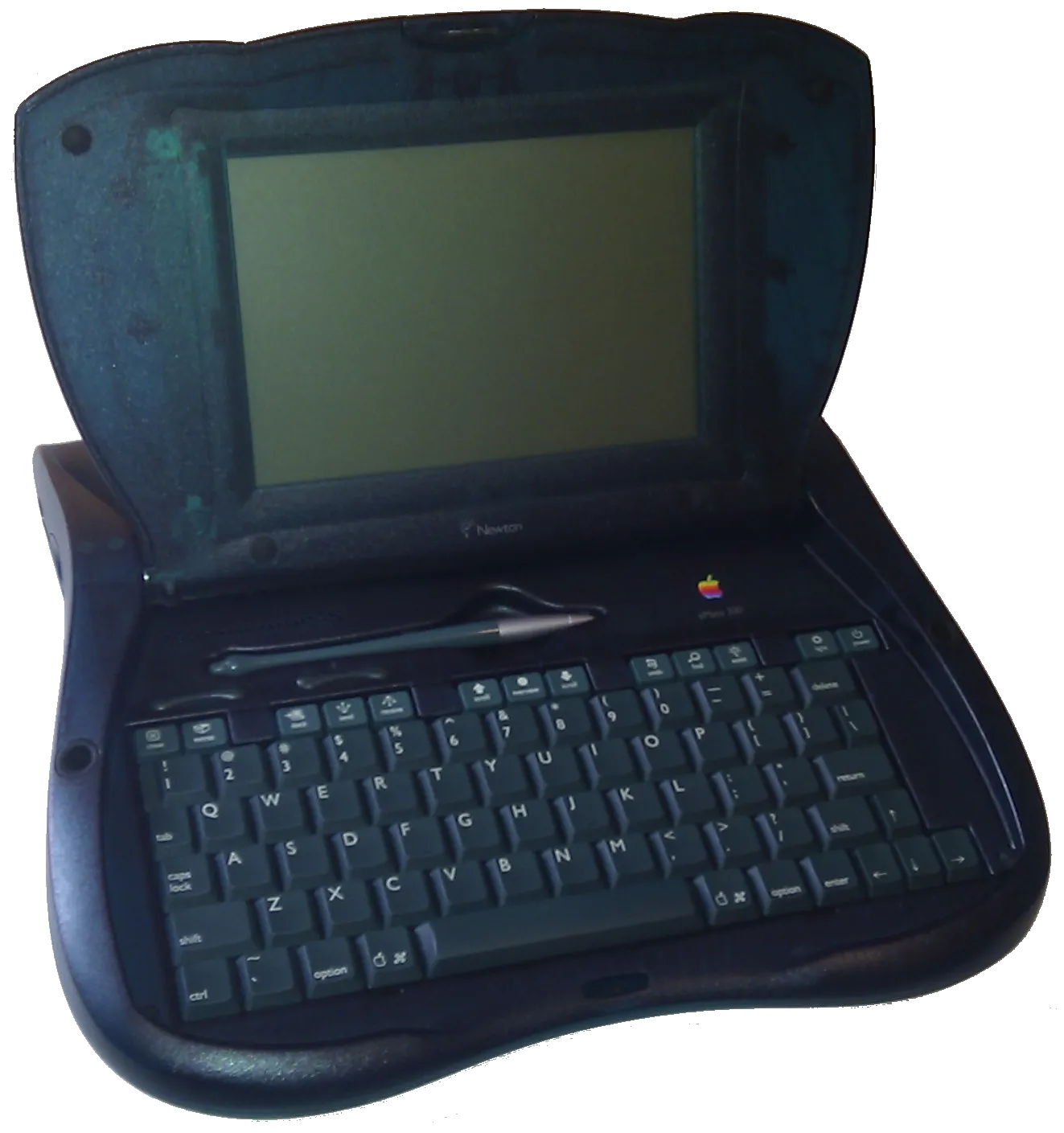
Apple eMate 300
Apple developed the eMate 300 for classroom use on the Newton platform. Its robust green case recalls schools and blackboards. The electronics are well …
Photo: own photograph
Open page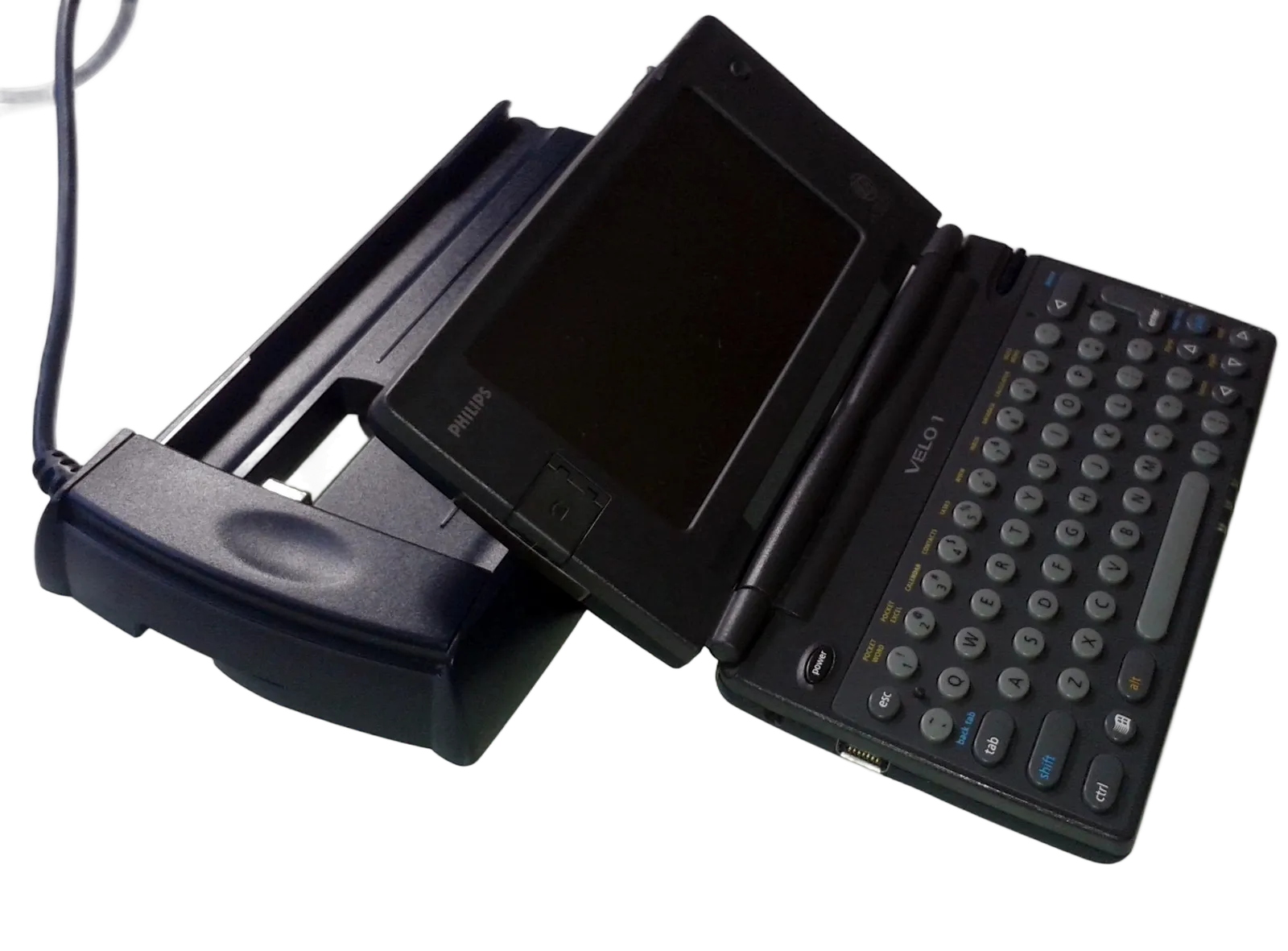
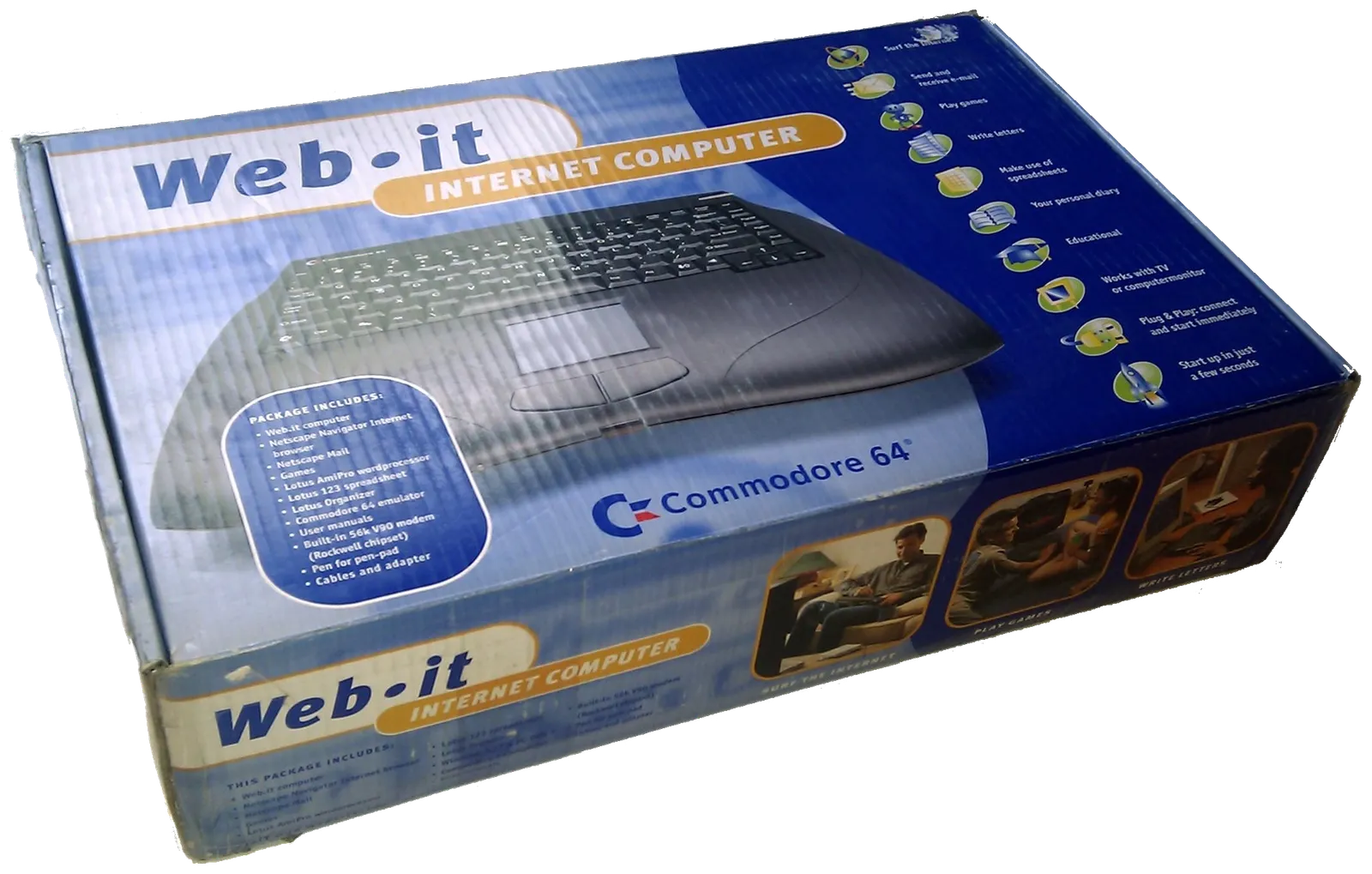
Web.it Internet Computer
The Web.it from Web Computers International is a PC DOS 7/Windows 3.1 computer with AMD processor and pre-installed C-64 emulator. To move within the scope of …
Photo: own photograph
Open page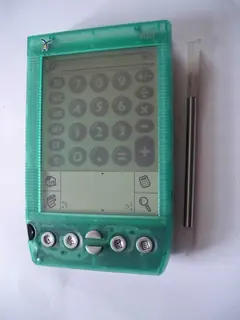
Handspring Visor
The founders of Palm Computing leave 3Com and start their own company Handspring in June 1998. They start production of the PalmOS-based handheld Visor, the …
Model illustration · Image: Waldohreule · CC BY-SA 3.0 · Source and original on Wikimedia Commons · WebP, resized where necessary
Open page
Siemens IC35 - The Unifier
The small Siemens-PDA is a communication talent with 199 DM. In conjunction with a Siemens phone (C25, S25, C35i, M35i, S35i) and its integrated modem, the …
Open page
Sony CLIÉ
Sony distributes PDAs with the Palm operating system between 2000 and 2005. The CLIÉ series focuses on multimedia properties, i.e. photo and video display as …
Model illustration · Image: User:Dashwarts · CC BY-SA 3.0 · Source and original on Wikimedia Commons · Dashwarts · WebP, resized where necessary
Open page
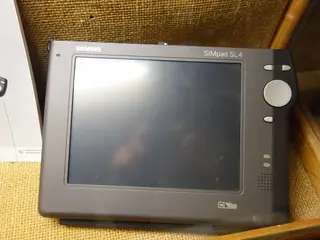
SIMPad
Keith & Koep is developing the world's first web pad at the beginning of the new millennium. Siemens will launch the SIMpad in 2001, with a selling price …
Model illustration · Image: Paebi · CC BY-SA 4.0 · Source and original on Wikimedia Commons · WebP, resized where necessary
Open page
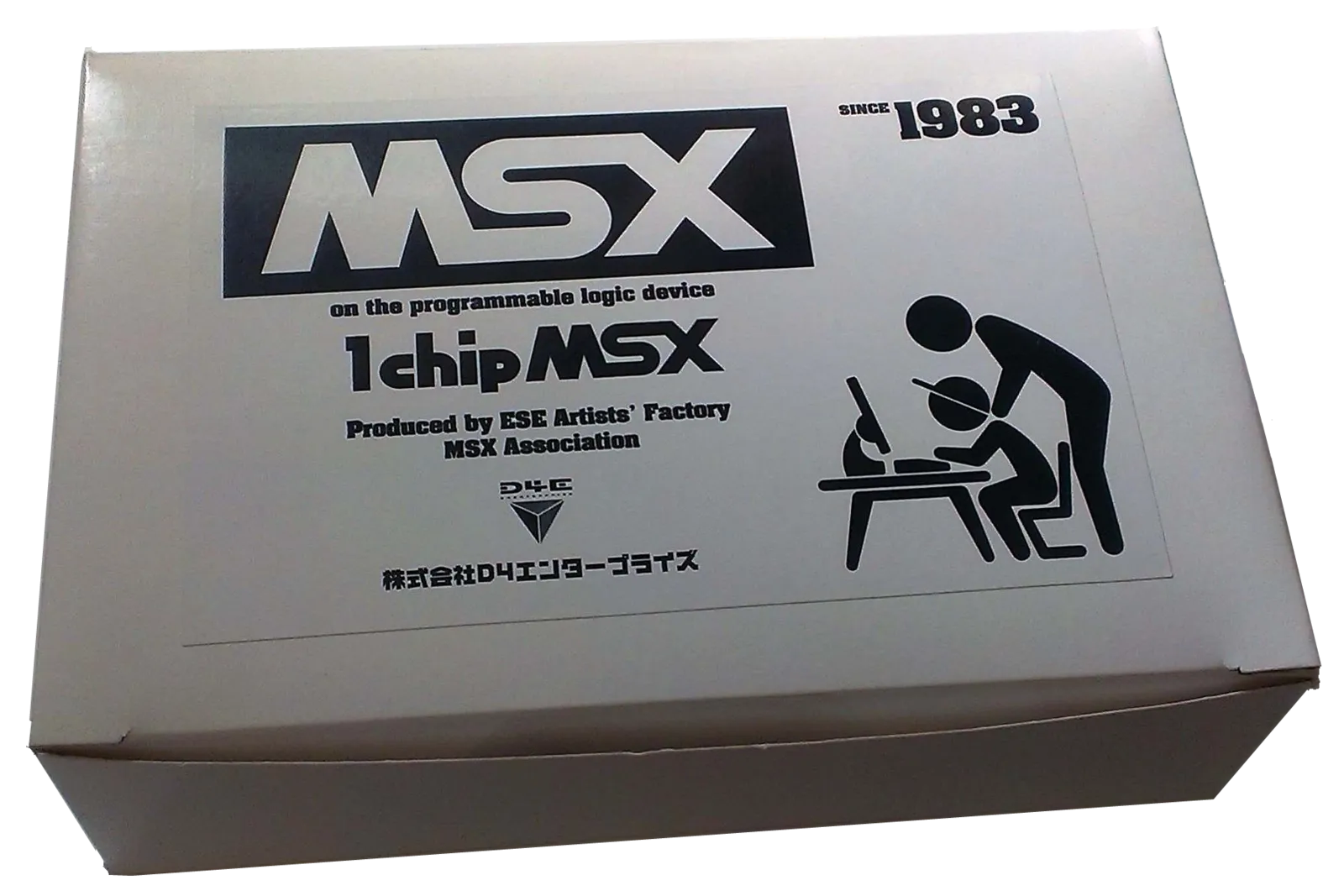
D4 Enterprise 1chipMSX
The 1chipMSX is a MSX2 home computer, which does not consist of the original chips of the 1980s, but is completely reproduced in a single programmable logic …
Photo: own photograph
Open page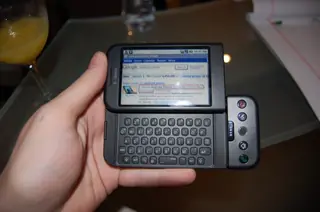
HTC Dream/T-Mobile G1
The HTC Dream was the first Android device, released in the USA in October 2008 and also marketed as the T-Mobile G1. It has five function keys, a trackball, a …
Model illustration · Image: Vince Veneziani · CC BY 2.0 · Source and original on Wikimedia Commons · WebP, resized where necessary
Open page
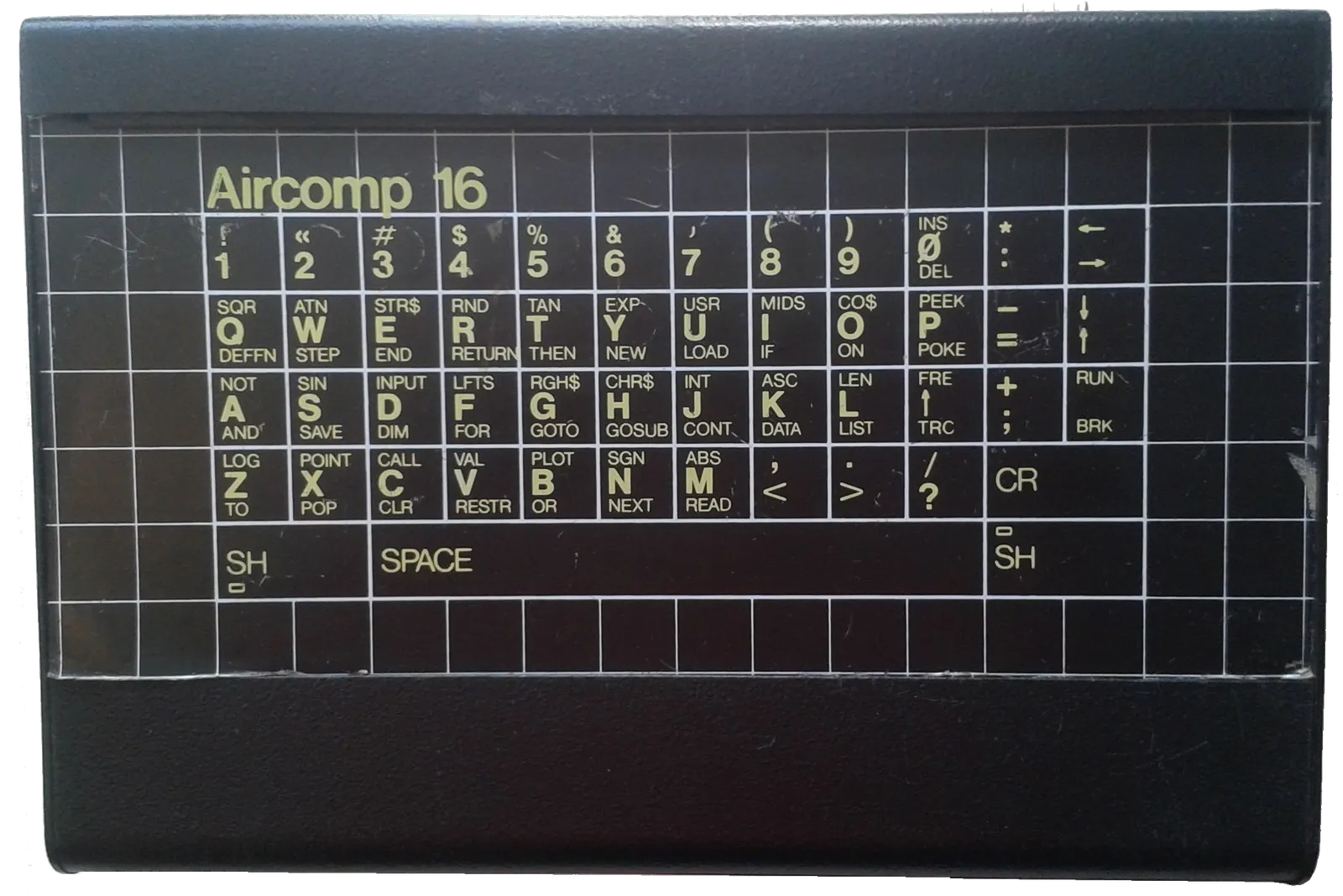
Aircomp 16
The Aircomp 16 is a computer from Personal Agroelektronikai GT. It is an original Hungarian design rather than a clone. A 3 MHz Z80 CPU powers this home …
Photo: own photograph
Open page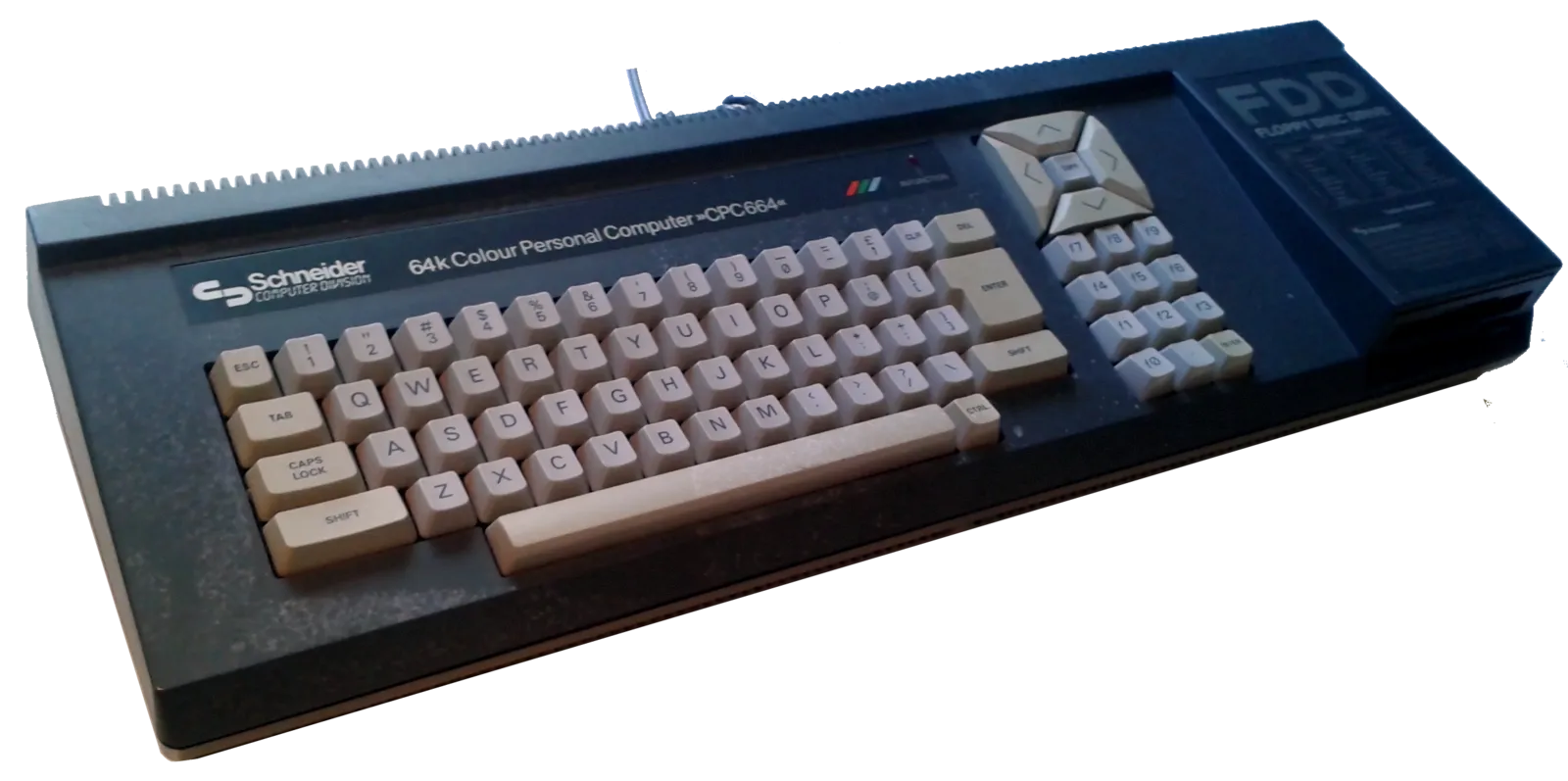
Blaupunkt Apple II clone
An Apple II-compatible prototype by Blaupunkt that never reached the market.
Open page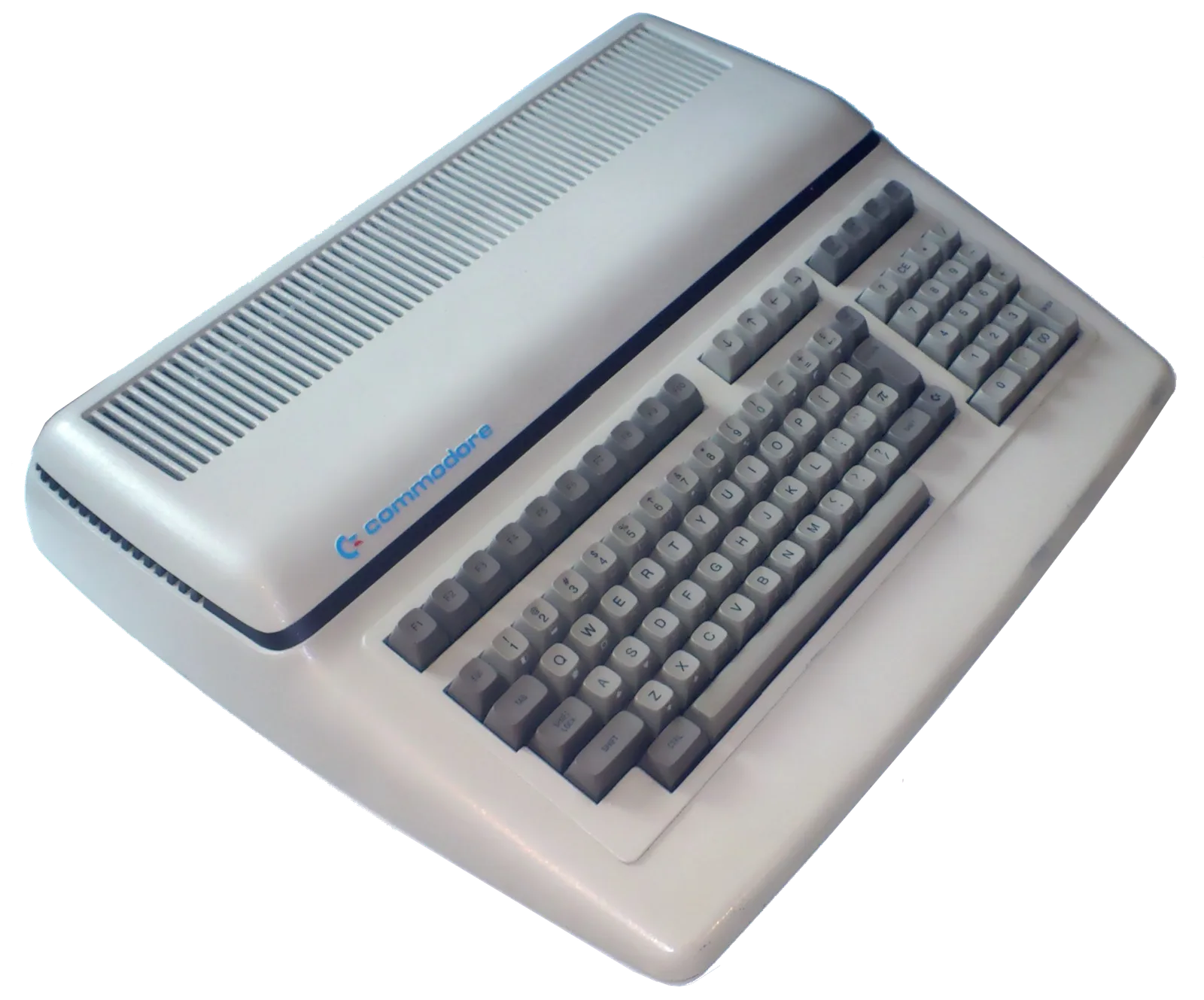
Commodore B500
Commodore’s office computing history in the collection: a B500 with serial number WG 0066. It complements the focus on home computers.
Photo: own photograph
Open page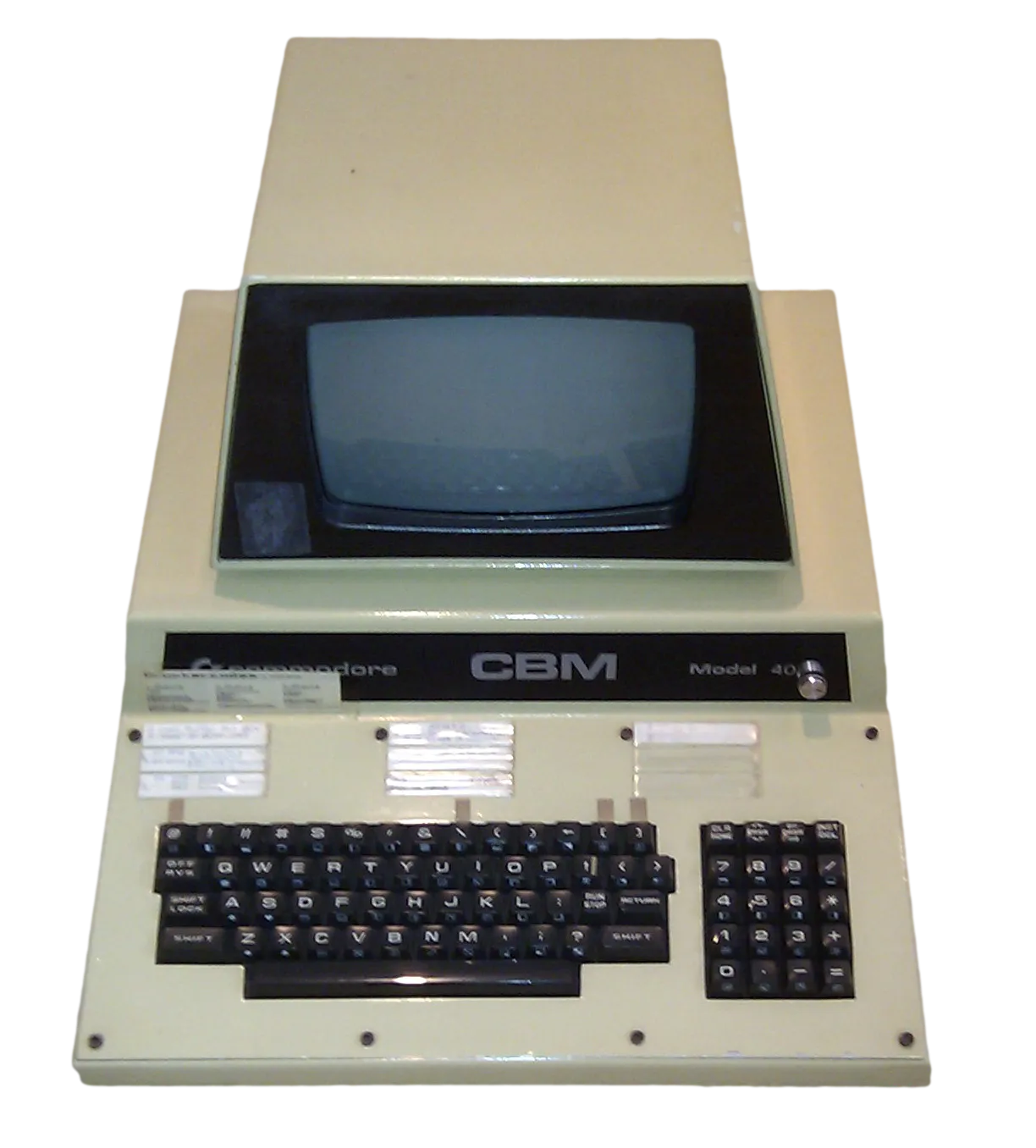
Commodore CBM 3000, 4000 and 8000
Several model series followed the Commodore PET 2001 through the mid-1980s, retaining the same basic design: screen, keyboard and computer in one case, a 1 MHz …
Photo: own photograph
Open page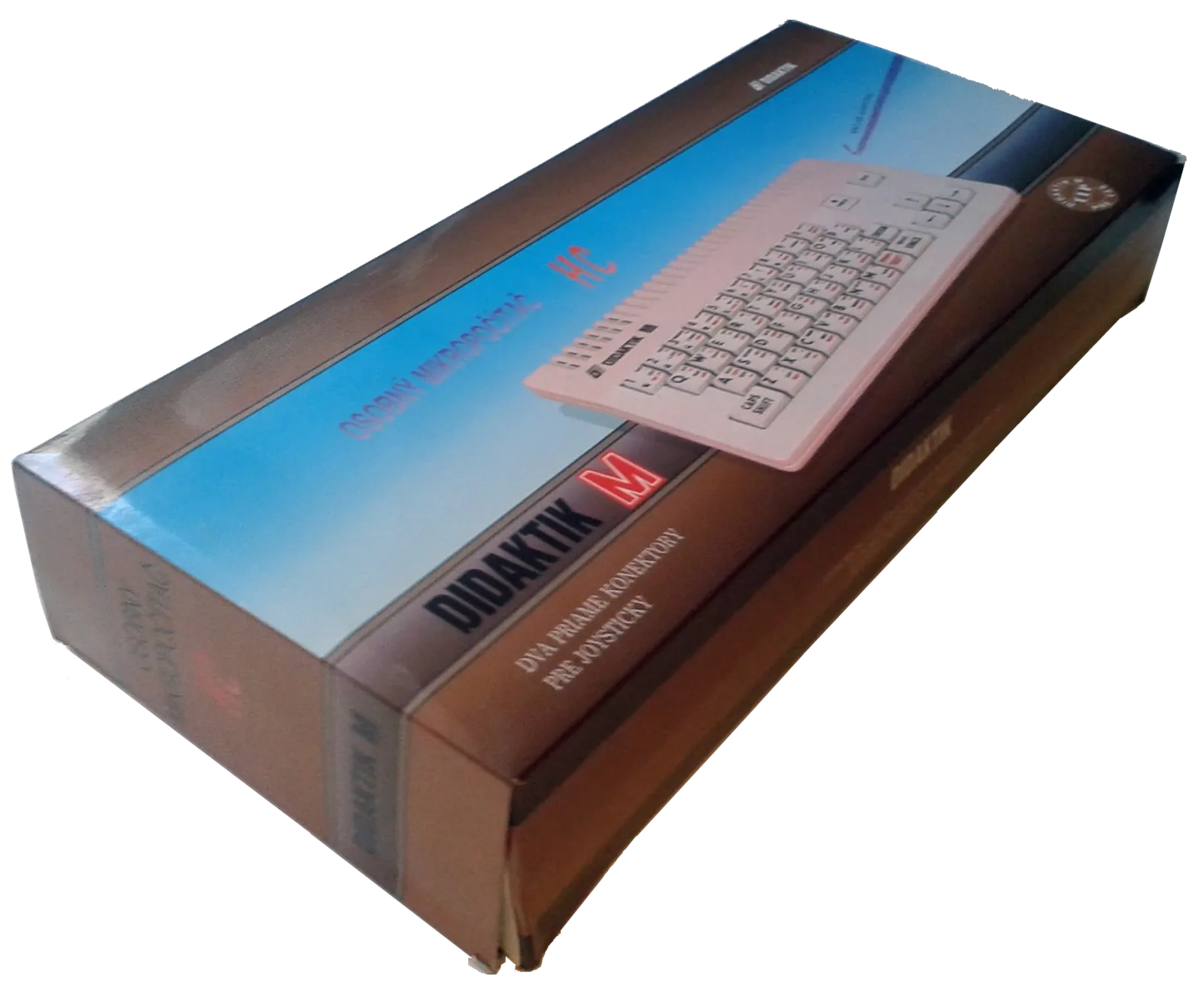
Didaktik M
The Didaktik M is a Czechoslovak copy of the Sinclair ZX Spectrum, introduced in 1990 by Didaktik in Skalica as the successor to the Didaktik Gama. It is more …
Photo: own photograph
Open page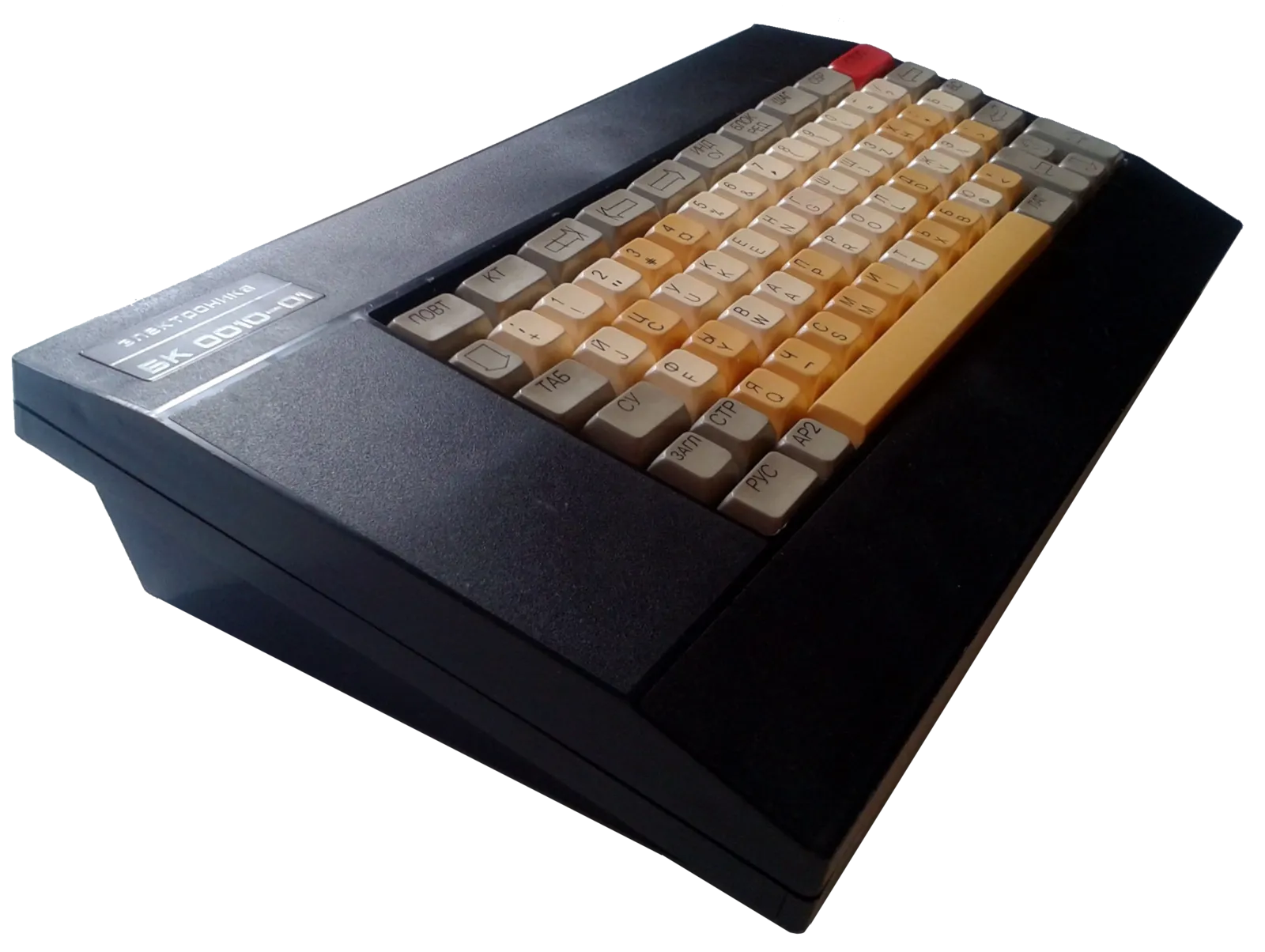
Elektronika BK-0010-01
The BK-0010 is a Soviet home computer sold under the Elektronika brand and developed by the NPO Scientific Center in Zelenograd. Introduced in 1983 and …
Photo: own photograph
Open page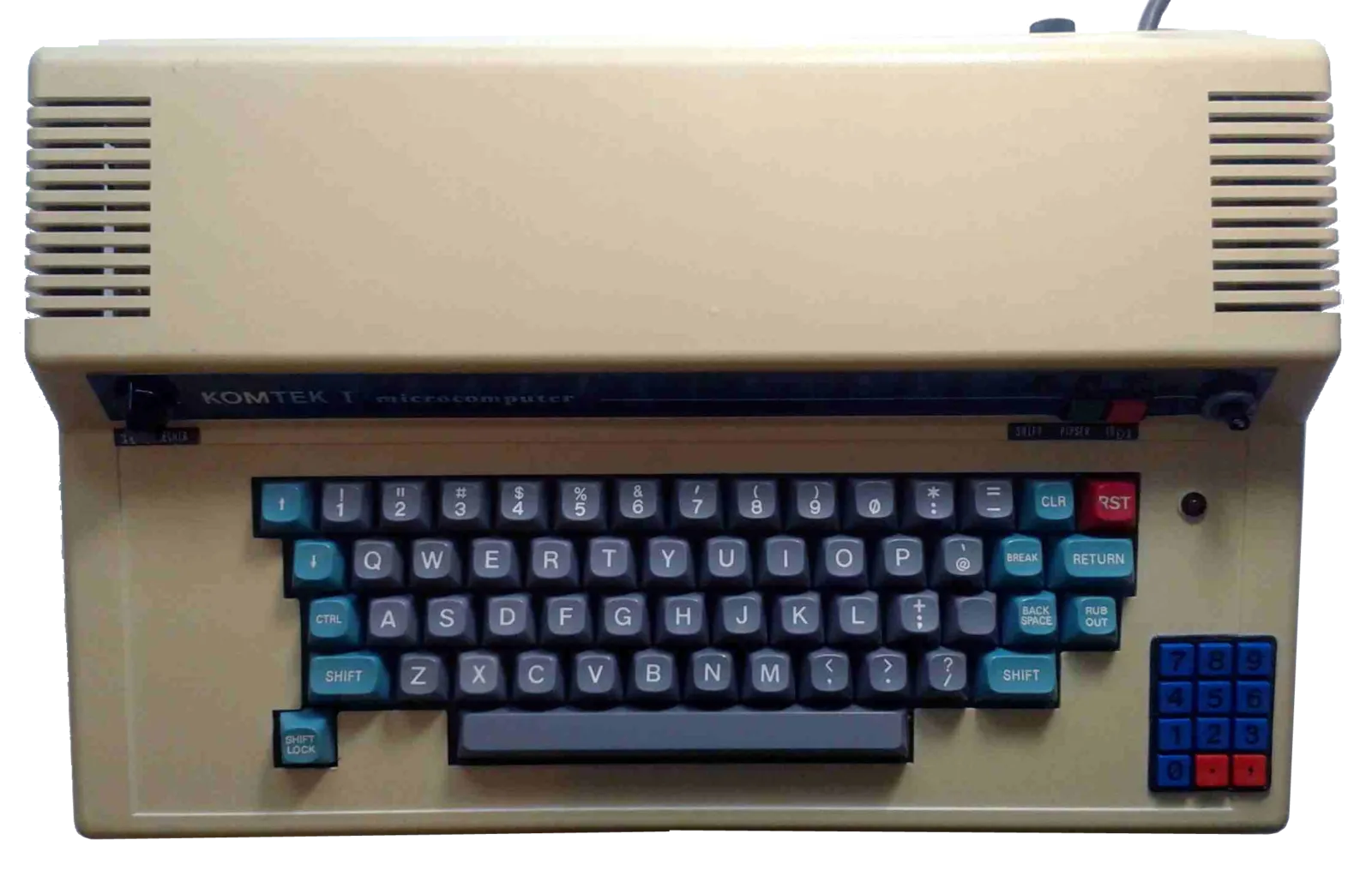
KOMTEK-1 microcomputer, Model KT 1001
The KOMTEK-1 is a rare clone of Tandy's TRS-80 Model I. Like the original, it uses a Z80 processor and includes Level II BASIC. It has 16 KB RAM and 12 to 16 …
Photo: own photograph
Open page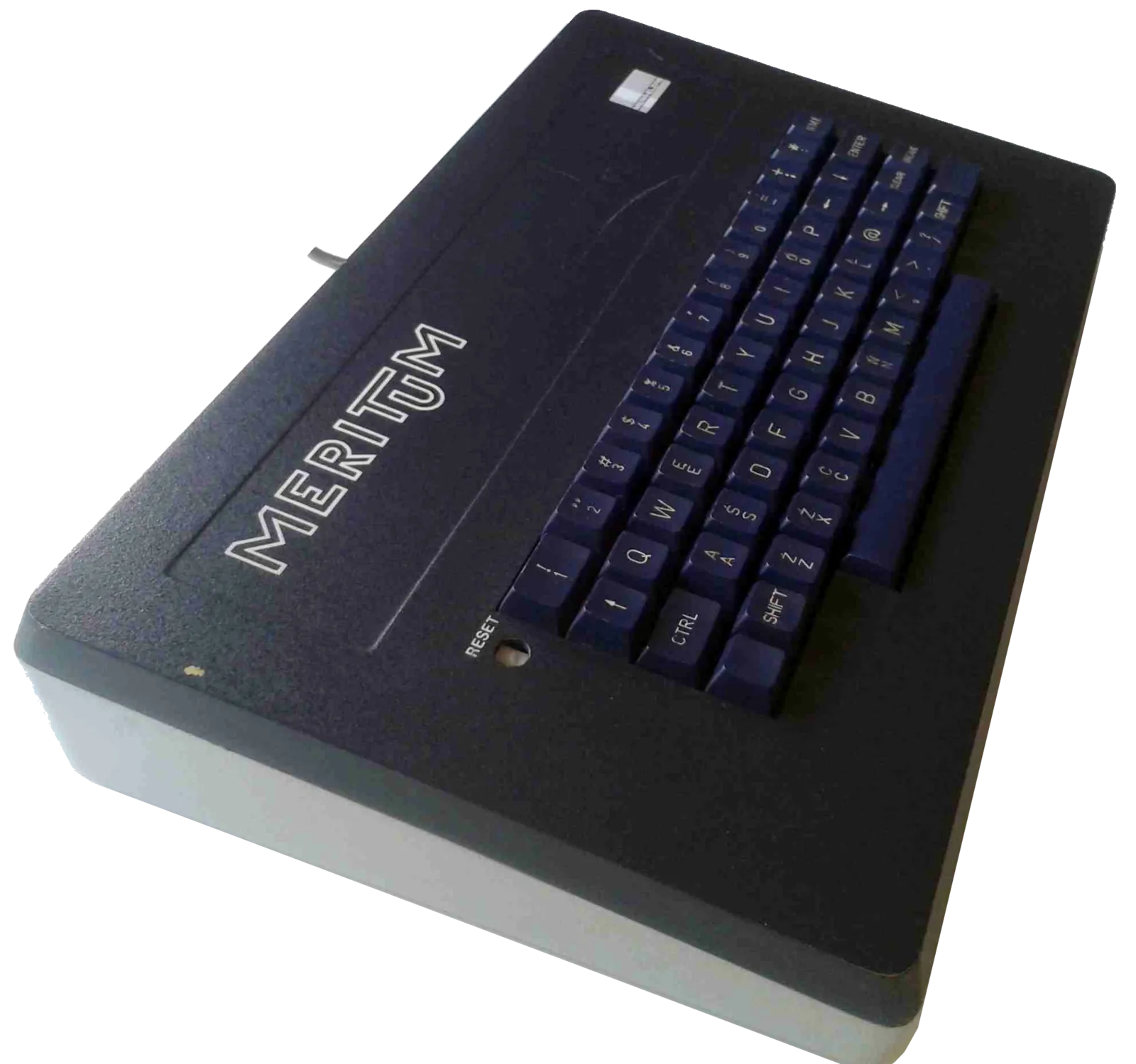
Mera-Elzab Meritum
The Meritum is a Polish home computer of the Zakłady Urządzeń Komputerowych Mera-Elzab in Zabrze, developed together with the company ITM. Presented in autumn …
Photo: own photograph
Open pageMicrocomputer Training System of Integrated Computer Systems (ICS)
Microcomputer Training System is stored with a power supply and connection cables in a velvet-lined case.
Open page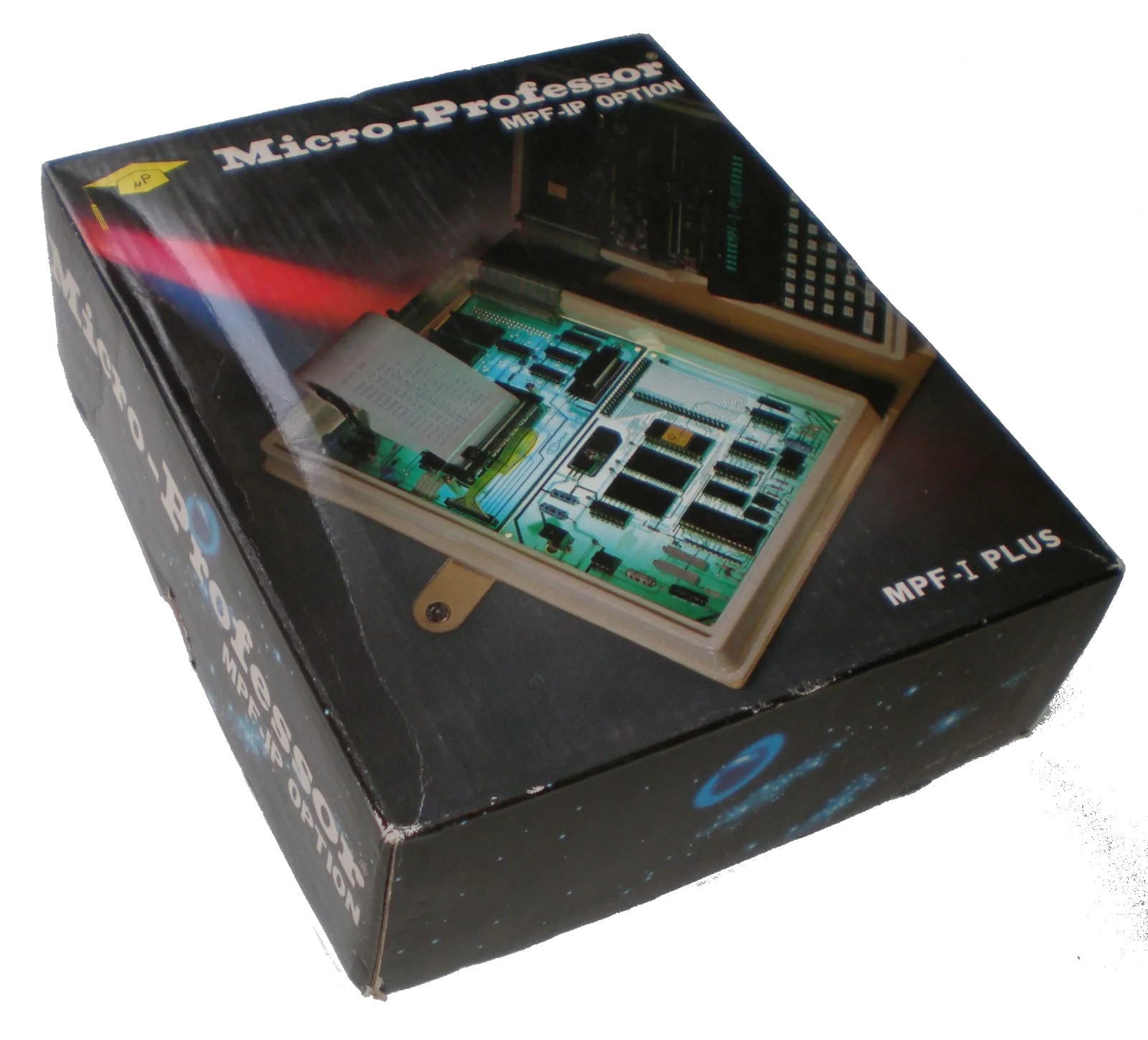
MultiTech Micro-Professor MPF-1P
printer MPF-IP option (docus), http://electrickery.xs4all.nl/comp/mpf1/doc/index.html approx. 150 €
Photo: own photograph
Open page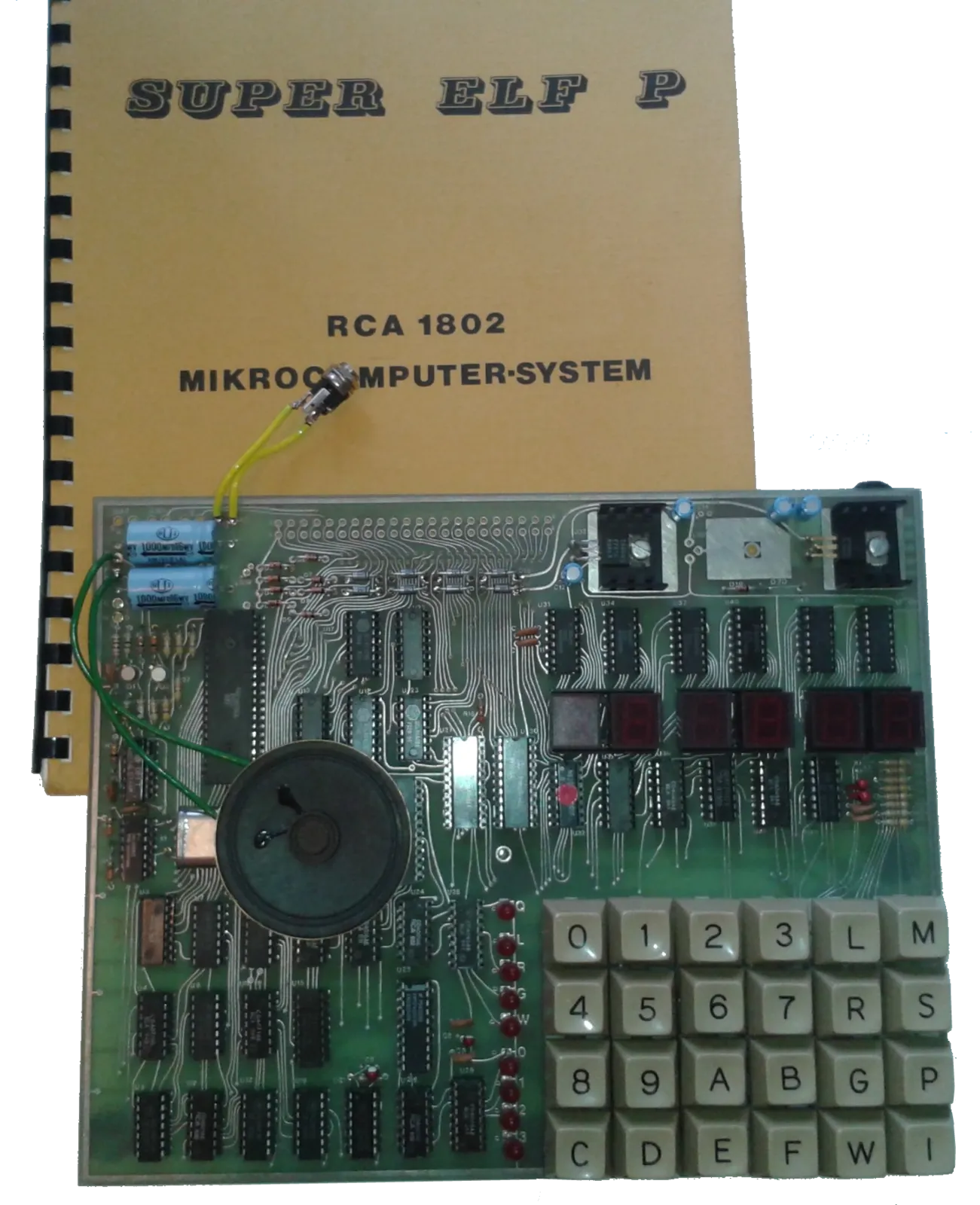
Roxonic Super Elf P
The Super Elf is a single-board computer with an RCA 1802 (COSMAC) processor, released by Quest Electronics in 1977 as a system for learning to program. It …
Photo: own photograph
Open page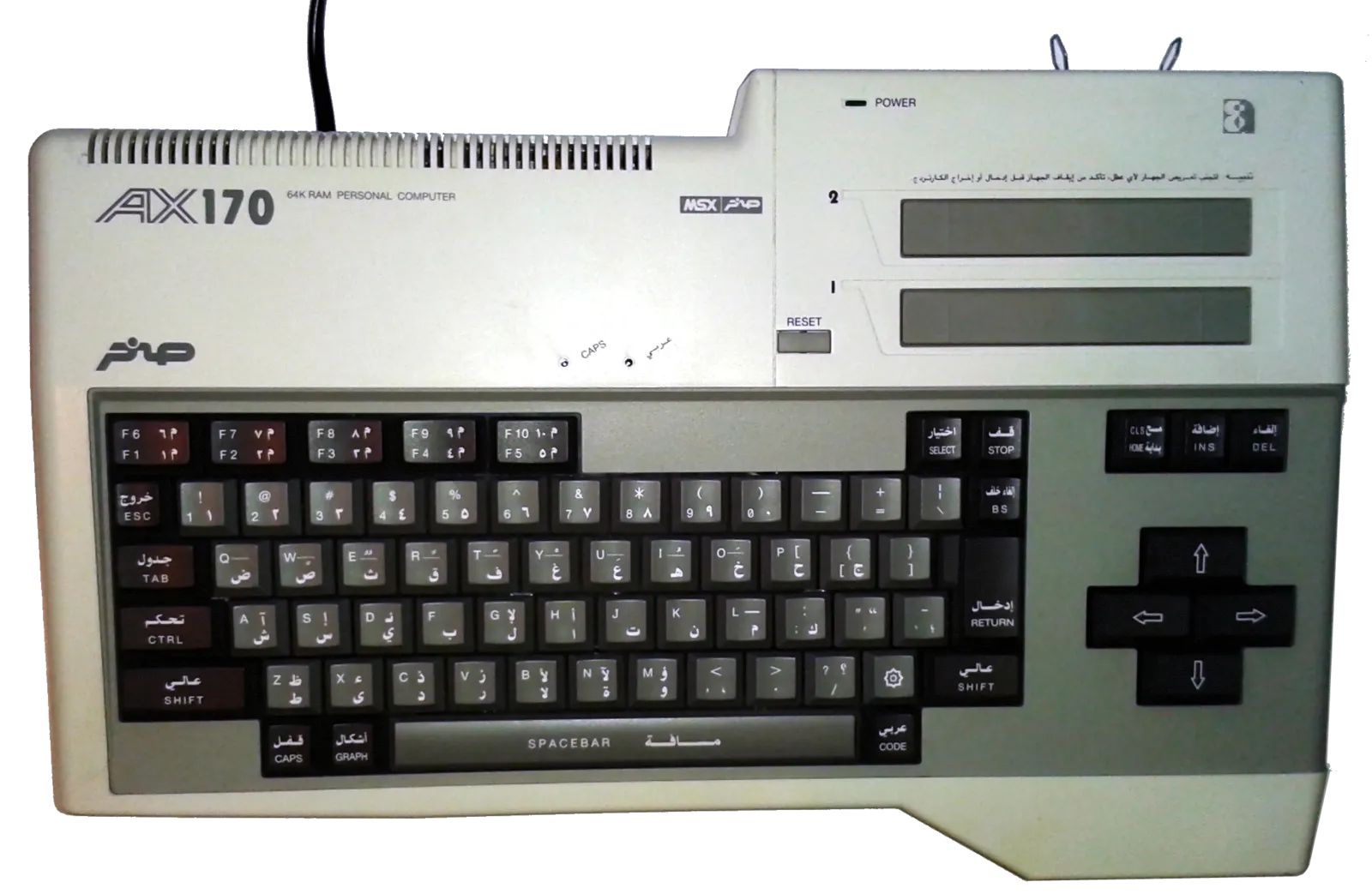
Sakhr (Al Alamiah) AX170, AX200 and AX-350 II
The collection includes one each of the Al Alamiah AX170, AX200 and AX-350 II. The bilingual AX170 offers an entry point into the history of Arabic-language MSX computing.
Photo: own photograph
Open page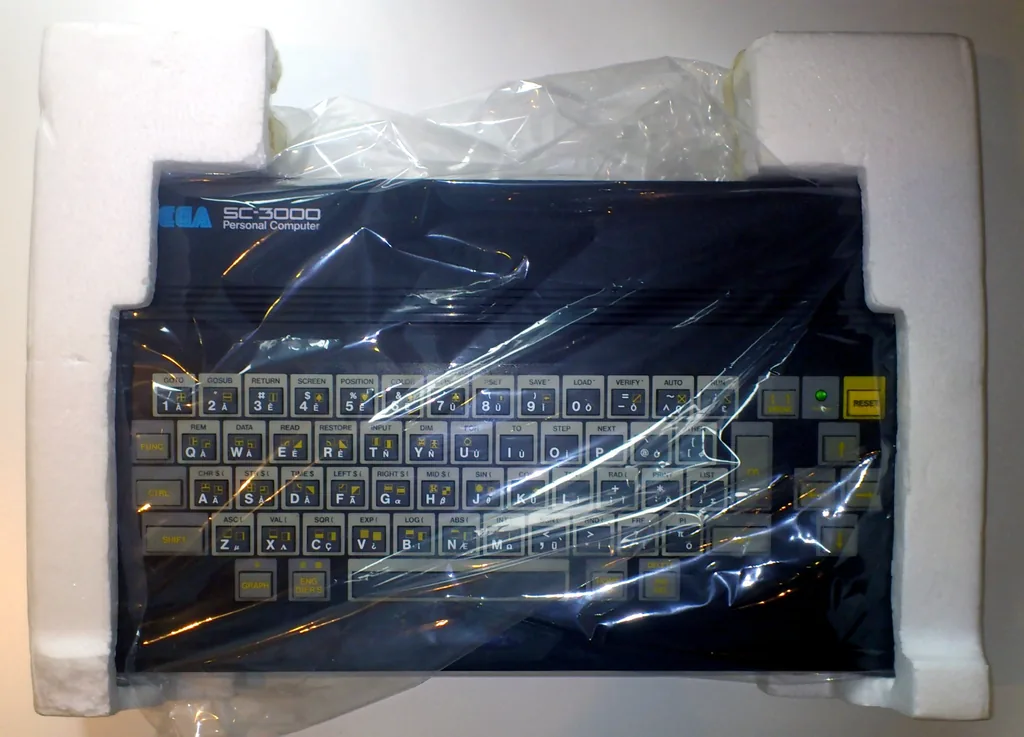
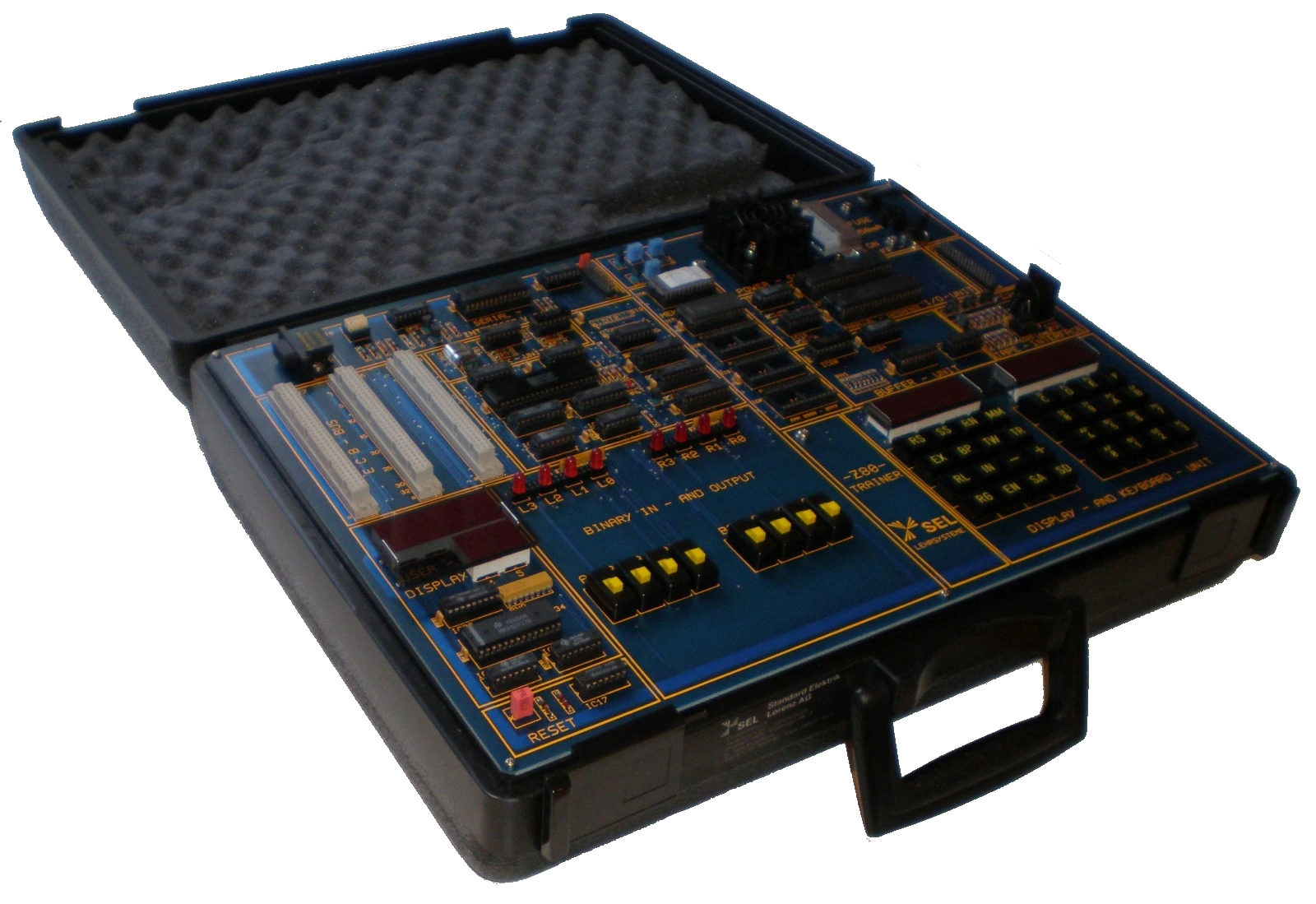
SEL Z80 Trainer and TEL Control Box
The Z80-Trainer is an experimental computer from SEL Standard Elektrik Lorenz AG Lehrmittel, used mainly in schools. Designed for education, it provides a …
Photo: own photograph
Open page
Sharp MZ-800
The MZ-800 is the successor of the Sharp MZ-700.
Model illustration · Image: Superandi73 · CC BY-SA 3.0 · Source and original on Wikimedia Commons · Superandi73 at German Wikipedia · WebP, resized where necessary
Open page
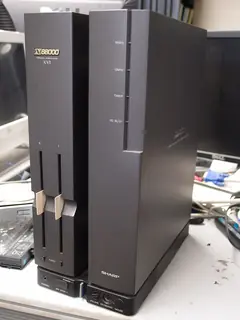
Sharp X68000
Sharp X68000
Model illustration · Image: htomari · CC BY-SA 2.0 · Source and original on Wikimedia Commons · WebP, resized where necessary
Open page
Inventory list
The inventory records the home computers and single-board computers in the collection, with a focus on the 8-, 16- and 32-bit eras. Their computer accessories are documented in a separate area and form part of the overall offer. A historical overview explains the development of these computers.
| Manufacturer | Product | Year | Quantity |
|---|---|---|---|
| Aircomp | Aircomp 16 | 1982 | 1 |
| Accept | Accept ZX Spectrum [Sinclair clone] | 1987 | 1 |
| Acorn Computers | Atom | 1980 | 2× |
| ::: | BBC Micro | 1981 | 1 |
| ::: | Acorn Electron | 1983 | 1 |
| ::: | BBC Master Compact [+ Master Compact Disc Unit] | 1986 | 1 |
| ::: | A3000 | 1989 | 1 |
| ::: | A3010 | 1992 | 2× |
| ::: | Acorn A7000+ | 1997 | 1 |
| Al Alamiah (Japan) | AX170 [MSX] | 1986 | 1 |
| ::: | AX200 [MSX] | 1986 | 1 |
| ::: | AX-350 II [MSX2, gebaut von Yamaha] | 19?? | 1 |
| Apple | See Apple Computer | 1 | |
| Blaupunkt (Hildesheim) | Apple II clone | 1983 | 1 |
| Applied Technology (later MicroBee Systems) | MicroBee 32 | 1983 | 1 |
| ::: | MicroBee 64 | 1983 | 1 |
| ::: | MicroBee 256TC | 1986 | 1 |
| Amper | Exeltel [Spanish version of the Exelvision EXL-100] | 1986 | 1 |
| Atari | Atari 400 | 1979 | 2× |
| ::: | Atari 800 | 1979 | 1 |
| ::: | Atari 600XL | 1983 | 1 |
| ::: | Atari 800XL | 1983 | 7× |
| ::: | Atari 130XE | 1985 | 3× |
| ::: | Atari 800XE | 1985 | 2× |
| ::: | Atari 260ST | 1985 | 1 |
| ::: | Atari 520ST | 1985 | 1 |
| ::: | Atari 520ST+ | 1985 | 1 |
| ::: | Atari Mega ST2 | 1987 | 1 |
| ::: | Atari 1040 STF | 1986 | 1 |
| ::: | Atari 1040 STE | 1989 | 1 |
| ::: | Atari ST Book | 1989 | 1 |
| ::: | Atari TT030 | 1990 | 1 |
| ::: | Falcon 030 | 1992 | 1 |
| Bandai | RX-78 Gundam | 1983 | 1 |
| Basis | BASIS 108 | 1982 | 1 |
| Bit Corporation | BIT 90 Home Computer | 1984 | 1 |
| BR Toys (for example in Denmark) | Power 3000 [Sinclair clone] | 1982? | 1 |
| Brest Electromechanical Plant | Byte [Sinclair clone] | 1989 | 1 |
| Camputers | LYNX | 1982 | 1 |
| Canon | V-10 [MSX] | 1983 | 1 |
| Casio | MX-10 RD, Type B [MSX] | 1986 | 1 |
| ::: | MX-10 BK [MSX] | 1986 | 1 |
| ::: | MX-15 [MSX] | 1986 | 1 |
| ::: | FP-200 | 1983 | 1 |
| CCE | MC 1000 | 1985 | 1 |
| Commodore | KIM-1 | 1976 | 1 |
| ::: | PET 2001 Series [blue lettering] | 1977 | 1 |
| ::: | Commodore VC 20 (VIC 20) | 1981 | 2× |
| ::: | MAX Machine | 1982 | 1 |
| ::: | Commodore 64 [1 x French] | 1982 | 14× |
| Drean | Drean Commodore 64 [Argentina] | 1983 | 1 |
| Commodore | SX-64 | 1983 | 2× |
| ::: | Commodore 116 | 1984 | 1 |
| ::: | Commodore Plus/4 | 1984 | 5× |
| ::: | Commodore 16 | 1985 | 5× |
| ::: | Commodore 128 [3 x C128 and 2x C128D (1x metal)] | 1985 | 4× |
| ::: | Amiga 1000 | 1985 | 1 |
| ::: | Amiga 500 | 1987 | 3× |
| ::: | Amiga 2000 | 1987 | 1 |
| ::: | Amiga 600 | 1990 | 1 |
| ::: | Amiga 1500 | 1990 | 1 |
| ::: | Commodore 65 [prototype, never released] | 1991 | 1 |
| ::: | Amiga 3000 | 1992 | 1 |
| ::: | Amiga 4000 | 1992 | 1 |
| ::: | Amiga 1200 | 1995 | 1 |
| Web Computers International | (Commodore 64) Web.it | 1998 | 1 |
| COMX World Operations Ltd. | COMX PC1 | 1986 | 1 |
| Czerweny | CZ 1500 [Sinclair clone] | 1983 | 1 |
| ::: | CZ Spectrum [Sinclair clone] | 1984 | 1 |
| ::: | CZ 2000 [Sinclair clone] | 1985 | 1 |
| Daewoo | CeTec MPC 80 | 1985 | 1 |
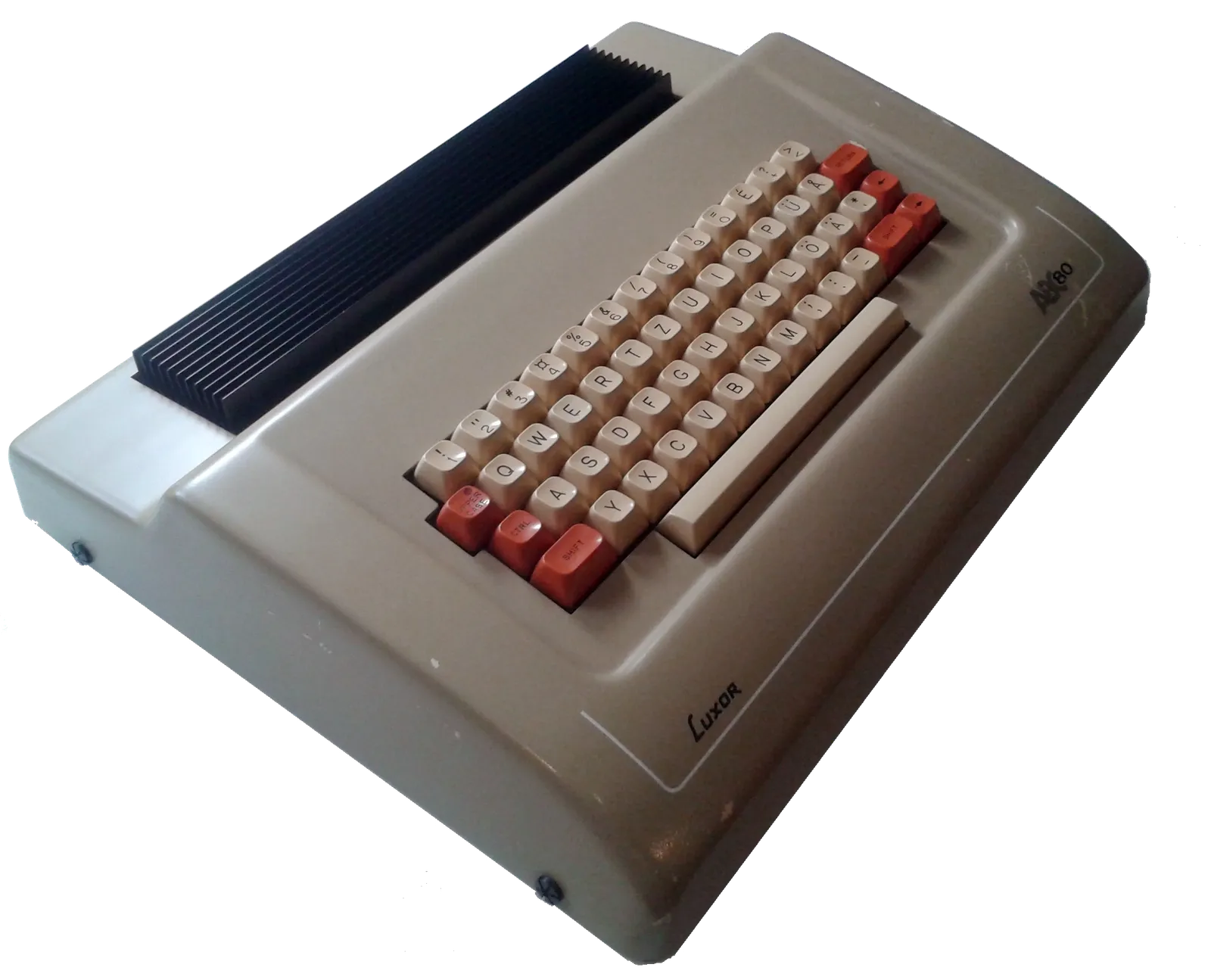
| Dataindustrier AB | ABC 80 | 1978 | 1 |
| DEF | DEF 3000 [Sinclair clone] | 1984 | 1 |
| Delta | Delta-C [Sinclair clone] | 1989 | 1 |
| Didaktik Skalica Ltd. | Didaktik Gama [Sinclair clone] | 1987 | 1 |
| ::: | Didaktik M [Sinclair clone] | 1990 | 1 |
| DK'Tronics | DK'Tronics Keyboard with ZX81 | 1983 | 3× |
| Dragon Data | Dragon 32 | 1982 | 2× |
| EACA | Video Genie System EG 3003 | 1981 | 1 |
| ::: | Colour Genie (EG2000) | 1982 | 1 |
| Electronica | Electronica CIP 03 [Sinclair clone] | 1988 | 2× |
| Elwro | elwro 800-2 Junior [Spectrum-compatible] | 1986 | 1 |
| ::: | elwro 800-3 Junior | 1986 | 1 |
| Enterprise | Enterprise 64 | 1985 | 1 |
| ::: | Enterprise 128 | 1985 | 1 |
| Exelvision | EXL 100 | 1984 | 1 |
| Fenner | SPC-800 [MSX] | 1984 | 1 |
| Frael | Bruc 100 | 1987 | 1 |
| Franklin | ACE 2200 [Apple IIe clone] | 1986 | 1 |
| Fujitsu | FM-X [MSX] | 1983 | 1 |
| ::: | FM Towns | 1989 | 1 |
| ::: | FM Towns II with built-in monitor | 1989 | 1 |
| Goldstar | Goldstar FC-200 | 1984 | 1 |
| Heathkit | H8 | 1977 | 1 |
| Hitachi | MB 6892 | 1983 | 1 |
| ::: | MB-H1 [MSX] | 1984 | 1 |
| ::: | AH-200 [MSX, Al Alamiah?] | 198? | 1 |
| Homelab | HomeLab 3 | 1985 | 1 |
| Ice-Felix | hc 91 [and another hc 91 or hc 90?] (ZX Spectrum clone) | 1991 | 2× |
| Inves | Spectrum+ [Sinclair clone] | 1986 | 1 |
| ISS (distributor) | Keyboard with built-in Sinclair Spectrum | 198? | 3× |
| Jauua | Jauua [Sinclair clone] | 1988? | 1 |
| Jupiter Cantab Limited | Jupiter ACE | 1982 | 1 |
| ::: | Jupiter ACE 4000 | 1983 | 1 |
| Komtek | KOMTEK-1 microcomputer, Model KT 1001 | 19?? | 1 |
| Matra | Alice [TRS-80 MC-10] | 1984 | 1 |
| ::: | Alice 90 | 1985 | 1 |
| Mattel | Aquarius | 1983 | 1 |
| Memotech | MTX500 | 1983 | 1 |
| ::: | MTX512 | 1984 | 1 |
| Mera-Elzab | Meritum | 1983 | 1 |
| MCS | ALPHA 1 | 1977 | 1 |
| Microdigital Eletronica | TK 85 personal computer [Sinclair clone] | 1983 | 1 |
| ::: | TK 90X color computer [Sinclair clone] | 1983 | 1 |
| ::: | TK2000 color computer [ Apple IIc clone] | 1984 | 1 |
| ::: | TK-3000 [Apple IIe clone] | 1985 | 1 |
| Microkey Kftt. | Primo A32 (Microkey Personal Computer) | 1984 | 1 |
| ::: | Primo B32 (Microkey Personal Computer) | 1984 | 1 |
| Mitsubishi | ML-FX1 [MSX] | 1983 | 1 |
| ::: | Multi 8 | 1983 | 1 |
| ::: | ML-8000 [MSX] | 1983 | 1 |
| ::: | ML-F120 [MSX] | 1984 | 1 |
| Mupid | komfort mupid C2A2 | 1983 | 1 |
| Nascom | Nascom 2 | 1979 | 1 |
| National | JR.100 | 1982 | 1 |
| ::: | CF-1200 [MSX, black] | 1984 | 1 |
| ::: | FS-1300 [MSX] | 1984 | 1 |
| ::: | FS-4000 [MSX2] | 1985 | 1 |
| ::: | FS-4500 [MSX2] | 1986 | 1 |
| Nouck | Nouck [Sinclair clone] | 198x | 1 |
| National Research University of Electronic Technology (MIET) | BK 0010-01 | 1984 | 1 |
| ::: | BK-0011 | 1989 | 1 |
| ::: | BK-0011M | 198? | 1 |
| Ohio Scientific | OSI Challenger | 1978 | 1 |
| Oric Products International (Tangerine Computer Systems) | Oric-1 | 1983 | 3× |
| ::: | Oric Atmos | 1984 | 1 |
| Panasonic | National JR 100 | 1981 | 1 |
| PEL Varaždin | Orao | 1984 | 1 |
| Philips | P2033 [P2000 series] | 1980 | 1 |
| ::: | VG 5000/19 | 1984 | 1 |
| ::: | VG-8010 [MSX] | 1984 | 2× |
| ::: | VG-8020 [MSX] | 1985 | 2× |
| ::: | VG-8235 [MSX2] | 1986 | 2× |
| ::: | NMS-8245 [MSX2] | 1986 | 1 |
| ::: | NMS-8250 [MSX2] | 1986 | 1 |
| ::: | NMS-8280 [MSX2] | 1987 | 1 |
| ::: | Philips Telematico NMS 3000 | 1988 | 1 |
| Pioneer | Personal Computer PX-7 (Palcom) [MSX] | 1984 | 1 |
| Prologica | CP 400 COLOR | 1986 | 1 |
| ::: | CP 400 COLOR II | 1986 | 1 |
| Radiola | Radiola VG 5000µ | 1983 | 1 |
| Research Machines Limited | LINK 480Z | 1982 | 1 |
| Rockwell | AIM 65 | 1977 | 1 |
| Sanyo | PHC-25 | 1983 | 1 |
| ::: | PHC-28P | 1984 | 1 |
| ::: | SPC Super [MSX] | 1983 | 1 |
| ::: | MPC-2 (WAVY2) [MSX] | 1984 | 1 |
| ::: | MPC-3 (WAVY3) [MSX] | 1984 | 1 |
| ::: | MPC 64 [MSX] | 1985 | 1 |
| ::: | Wavy 23 [MSX2] | 1985 | 1 |
| ::: | PHC-77 (Wavy 77) [MSX2] | 1985 | 1 |
| Schneider/Amstrad | Schneider CPC464 | 1984 | 1 |
| ::: | CPC472 [Spanish keyboard] | 1985 | 1 |
| ::: | Schneider CPC664 | 1985 | 1 |
| ::: | Schneider CPC6128 | 1985 | 3× |
| ::: | Amstrad PCW 8256 | 1985 | 1 |
| ::: | Amstrad PCW 8512 | 1985 | 1 |
| ::: | Amstrad 464plus | 1990 | 1 |
| ::: | Amstrad 6128plus | 1990 | 1 |
| Sharp | X68000 | 198? | 1 |
| ::: | MZ-80K | 1978 | 2× |
| ::: | MZ-80B | 1981 | 1 |
| ::: | MZ-731 | 1983 | 2× |
| ::: | MZ-800 | 1984 | 2× |
| ::: | MZ-821 | 1984 | 1 |
| ::: | X1 (CZ-801C) | 1983 | 1 |
| Siemens | PC100 [AIM65] | 1979 | 1 |
| Sinclair, later Amstrad | MK14 | 1978 | 1 |
| ::: | Sinclair ZX81 | 1981 | 4× |
| ::: | ZX Spectrum | 1982 | 1 |
| ::: | ZX Spectrum+ | 1984 | 2× |
| ::: | Sinclair QL | 1984 | 1 |
| ::: | ZX Spectrum 128 | 1985 | 1 |
| ::: | Sinclair ZX Spectrum +2 | 1986 | 1 |
| ::: | PC 200 | 1988 | 1 |
| ::: | ZX Spectrum 128 +3 [Currys] | 1990 | 1 |
| Sintez | Sintez 2 [Sinclair clone] | 1987 | 1 |
| Sega | SC-3000 | 1983 | 1 |
| Sony | Hit Bit HB-55P [MSX] | 1984 | 1 |
| ::: | Hit Bit HB-75D [MSX] | 1984 | 2× |
| ::: | HB-701 [MSX] | 1984 | 1 |
| ::: | Hit Bit HB-501F [MSX] | 1985 | 1 |
| ::: | HB-F700D [MSX2] | 1986 | 1 |
| ::: | HB-F700P [MSX2] | 1986 | 1 |
| Sord Computer Corporation / Computer Games Limited | CGL M5 | 1982 | 1 |
| Spectravideo International Ltd. | SV-318 MK II | 1983 | 1 |
| ::: | SVI-328 + SVI-605 | 1984 | 1 |
| ::: | SVI-328 MKII | 1984 | 1 |
| ::: | SVI-728 [MSX] | 1985 | 1 |
| ::: | SVI-738 X'Press [MSX] | 1986 | 1 |
| Tandy/RadioShack | TRS-80 Model 1 | 1977 | 2× |
| ::: | TRS-80 Model III | 1980 | 1 |
| ::: | TRS-80 Color Computer 2 | 1983 | 1 |
| ::: | TRS-80 Micro Color Computer Model MC-10 | 1984 | 1 |
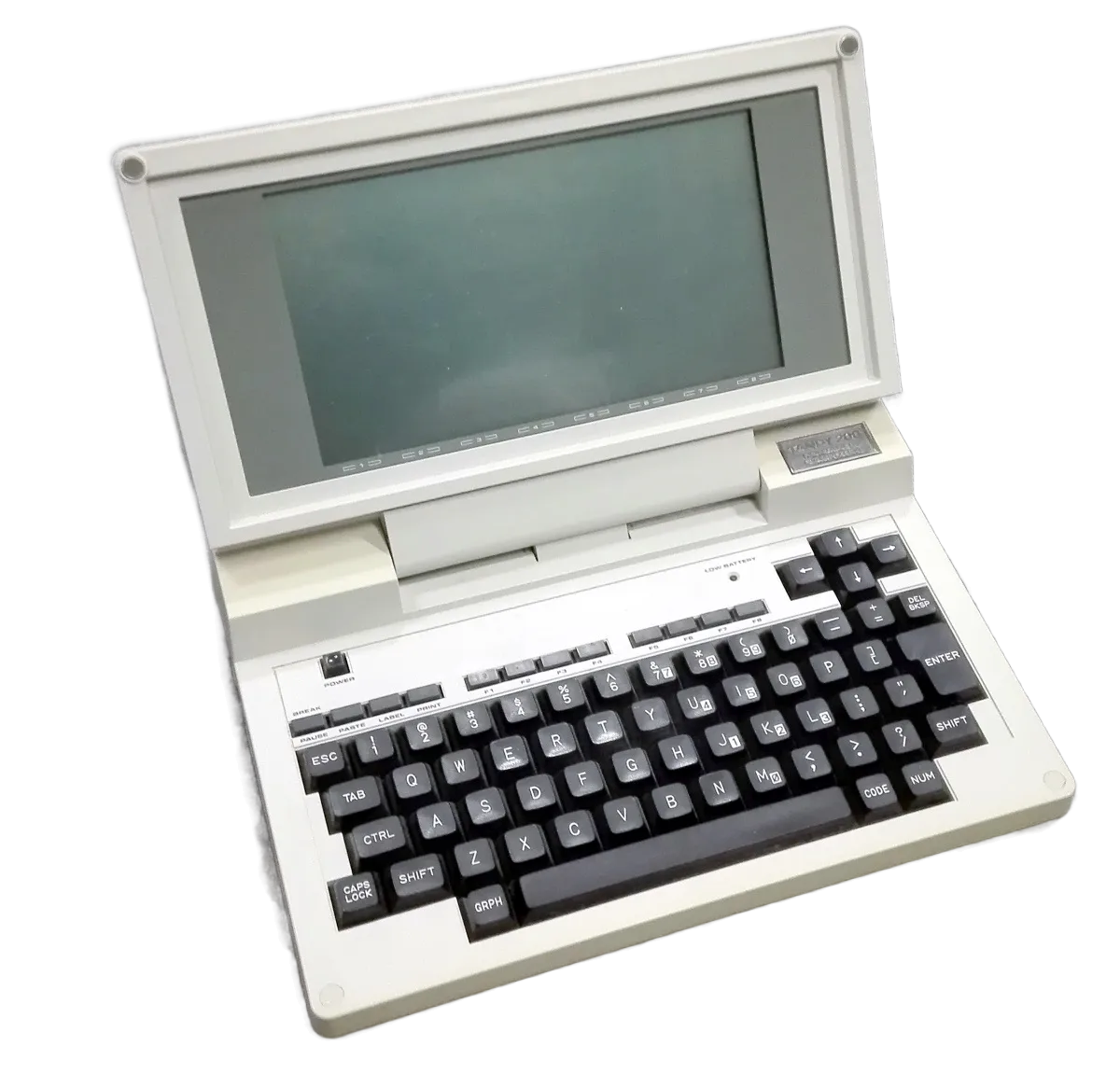
| ::: | Tandy 200 (TRS-80 Model 200) | 1984 | 1 |
| Tatung | Tatung Einstein 256 | 1985 | 1 |
| Tesla | PMD-85-2A | 1987 | 1 |
| Texas Instruments | TI-99/4A | 1981 | 3× |
| Timex Sinclair | Timex Sinclair 1000 [Sinclair clone] | 1982 | 1 |
| ::: | Timex Sinclair 2068 [Sinclair clone] | 1983 | 1 |
| ::: | Timex Sinclair 2048 [Sinclair clone] | 1984 | 1 |
| Thomson | TO7 | 1982 | 1 |
| ::: | MO5 E | 1984 | 1 |
| ::: | MO5 | 1984 | 1 |
| ::: | MO5 Michel Platini | 1986 | 2× |
| ::: | TO7-70 | 1985 | 1 |
| ::: | TO9 | 1985 | 1 |
| ::: | TO8D | 1986 | 1 |
| Tomy | Tutor (Model TP 1000) [English and Japanese] | 1983 | 2× |
| Toshiba | Toshiba HX-10 [red] | 1983 | 1 |
| ::: | Toshiba HX-31 PASOPIA IQ [MSX] | 1985 | 1 |
| ::: | Toshiba HX-33 PASOPIA IQ [MSX2] | 1985 | 1 |
| ::: | HX-51 [MSX] | 1983 | 1 |
| ::: | Pasopia 700 [PA-7015D prototype] | 198? | 1 |
| Triton | Triton IPT-02 | 1982 | 1 |
| Triumph-Adler | Alphatronic PC | 1983 | 1 |
| Umtech | VideoBrain | 1977 | 1 |
| Unipolbrit | Komputer 2086 [Sinclair clone] | 1986 | 1 |
| VEB Mikroelektronik | KC 85/2 Color | 1984 | 1 |
| ::: | KC 85/3 | 1986 | 2× |
| ::: | KC 85/4 | 1989 | 1 |
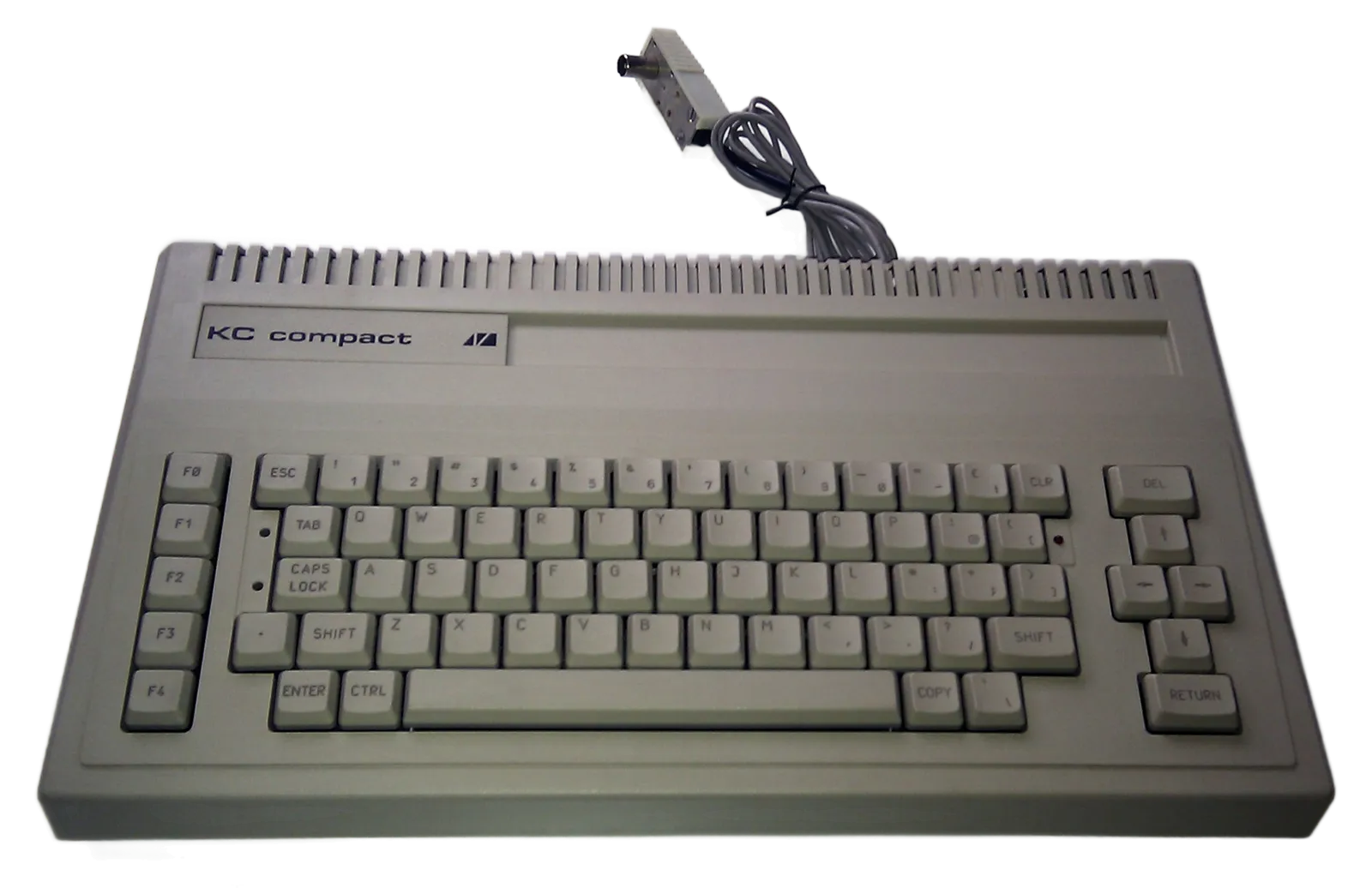
| ::: | KC Compact | 1989 | 1 |
| VEB Robotron | Z1013 | 1985 | 1 |
| Victor | Victor HC-30 [MSX] | 1983 | 1 |
| Video Technology Ltd. | VTech Laser 110 | 1983 | 1 |
| ::: | VTech Laser 200 | 1983 | 1 |
| ::: | VTech Laser 210 | 1983 | 2× |
| ::: | VTech Laser 310 | 1983 | 2× |
| ::: | Laser 50 | 1985 | 1 |
| ::: | Laser 500 | 1985 | 2× |
| ::: | Laser 700 | 1985 | 1 |
| ::: | Laser 128 [Apple II clone] | 1988 | 1 |
| ::: | Laser 128EX [Apple IIc+ clone] | 1988 | 1 |
| Videoton (VT) | 56132 | 197x | 1 |
| ::: | TV Computer [64 KiB, Enterprise clone] | 1984 | 1 |
| Yamaha | Yamaha CX5M [MSX] | 1985 | 1 |
| ::: | Yamaha CX5MII/128 [MSX] | 1985 | 1 |
| ::: | AX100 [MSX] | 1985 | 1 |
| ::: | AX350 II [MSX2, Al Alamiah] | 198? | 1 |
| ::: | AX500 [MSX2] | 198? | 1 |
| ::: | YIS-503F [MSX] | 198? | 1 |
| Yashica | YC-64 [MSX] | 1984 | 1 |
| Yeno | SC-3000 [is Sega SC-3000] | 1983 | 1 |
| ::: | SC 3000H [is Sega SC-3000H] | 1983 | 1 |
| Your Computer | Your Computer [Sinclair clone] | 198? | 1 |
| ZPA Nový Bor | IQ 151 | 1985 | 1 |
| ZVT (Zavody automatizace a vypocetni techniky) | SMEP PP-01 color | 198? | 1 |
| Spektr-001 [Radio 86RK clone] | 19?? | 1 | |
| ? | PC-48 [ Apple II clone] | 198? | 1 |
| ? | NTK "Cictemotechnik" Obninsk, ZX Spectrum [Sinclair clone] | 198? | 1 |
| ? | Triton Kompi Tápegységekhez | 19?? | 1 |
| ? | unnamed Sinclair clones from Russia/Eastern Europe | 198? | 5× |
Total: 337
DIY computers
| Device | Quantity |
|---|---|
| CP/M 56 KiB Z80 computer built in 1978 by Mr Lohmer | 1 |
Incomplete lists of Sinclair clones are available on Wikipedia and ZX SPECTRUM 48kb.
Accessories complement the list.