PC Engine GT and TurboExpress

Summary
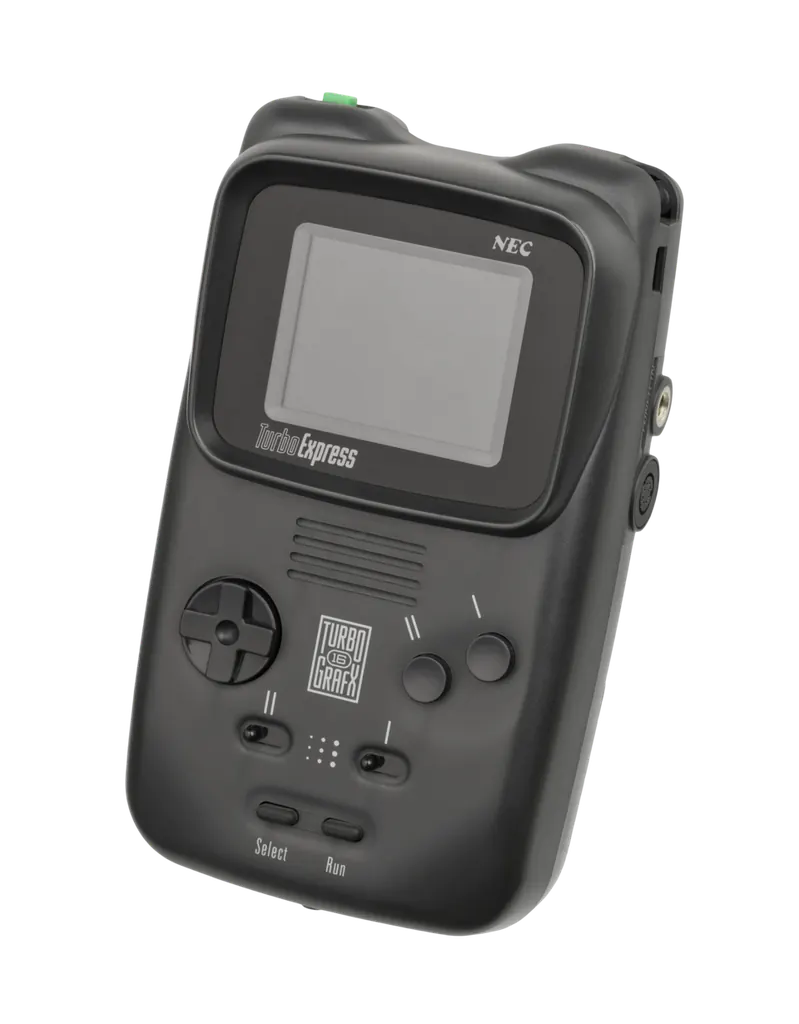
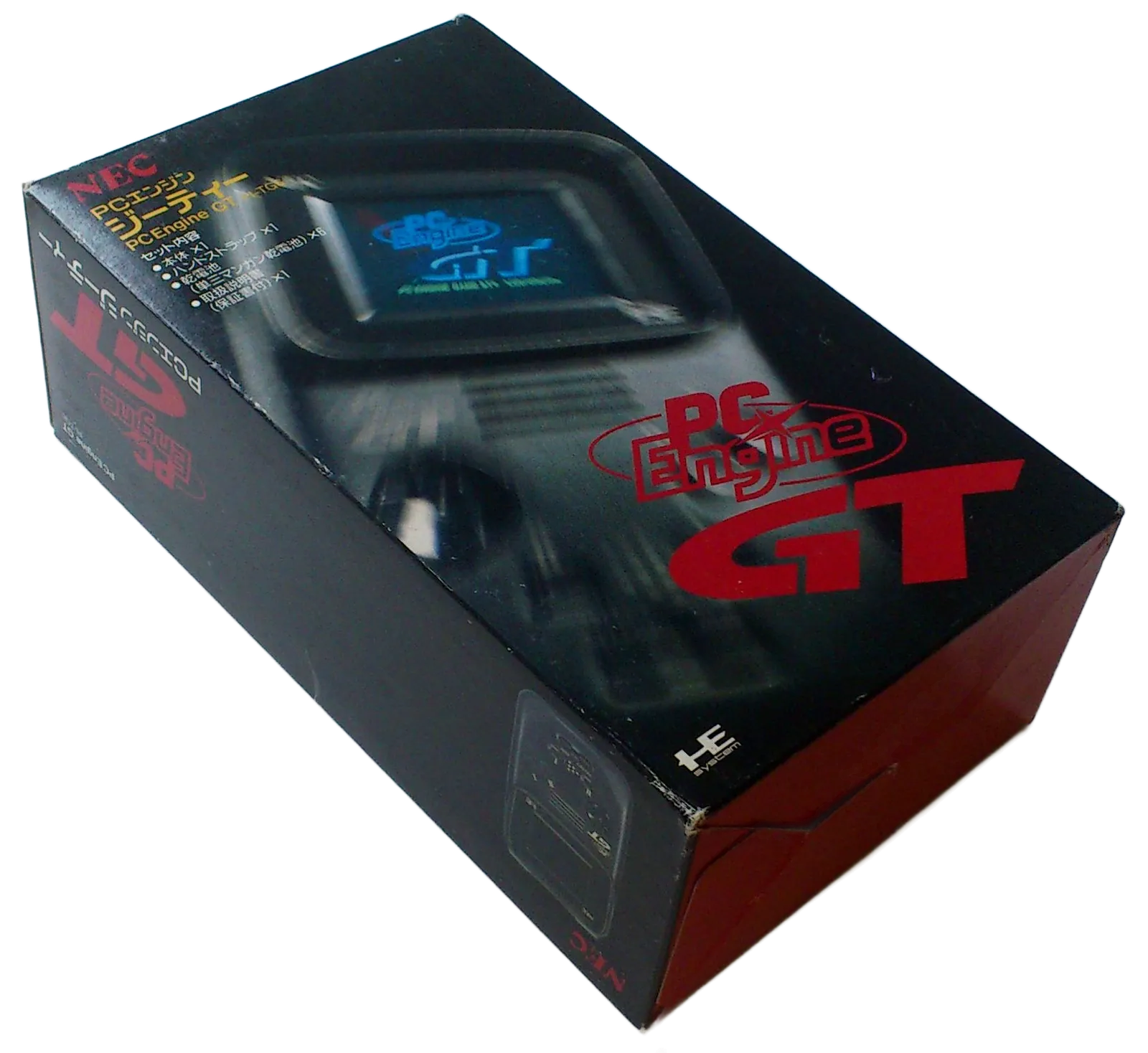
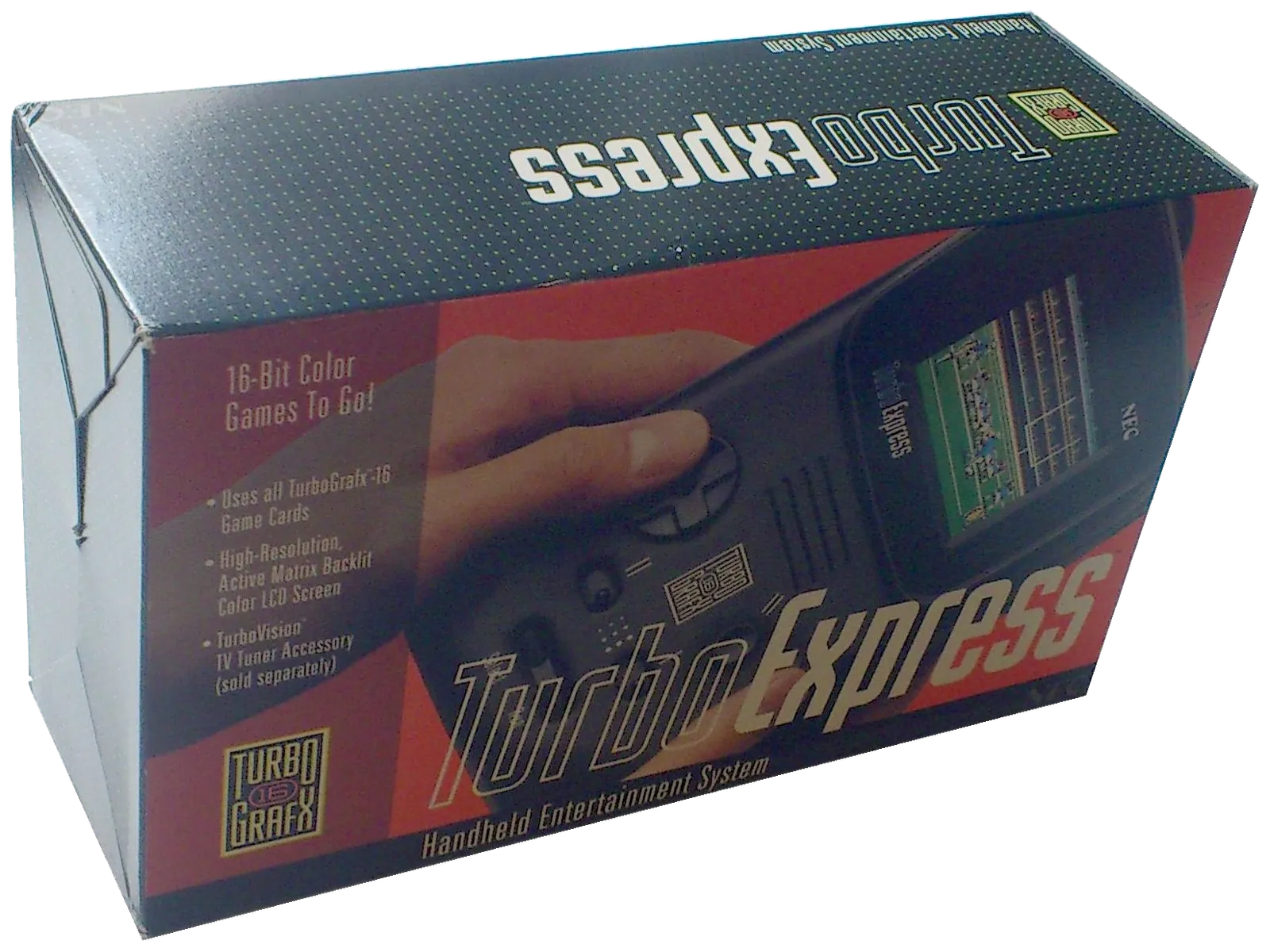
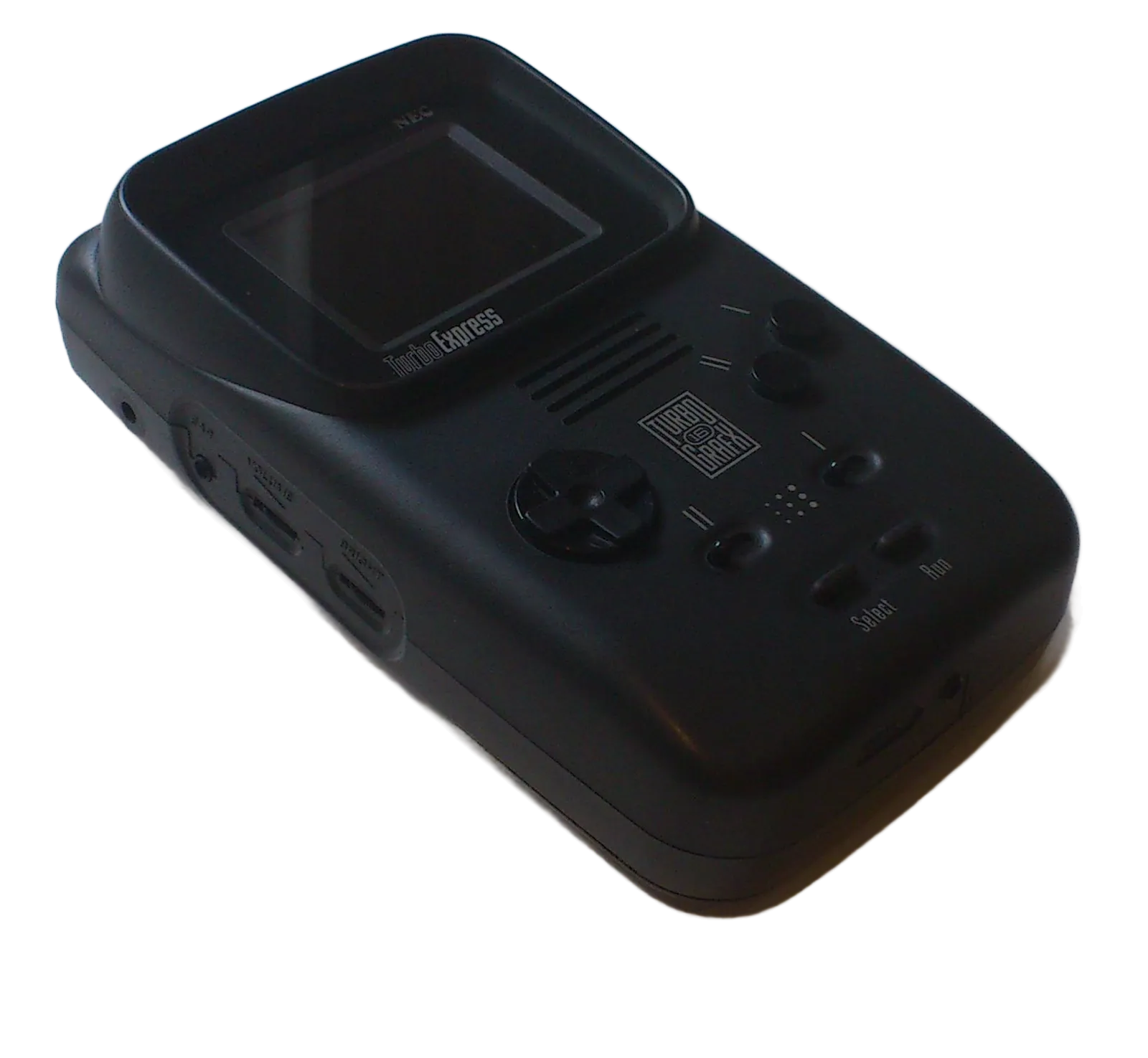
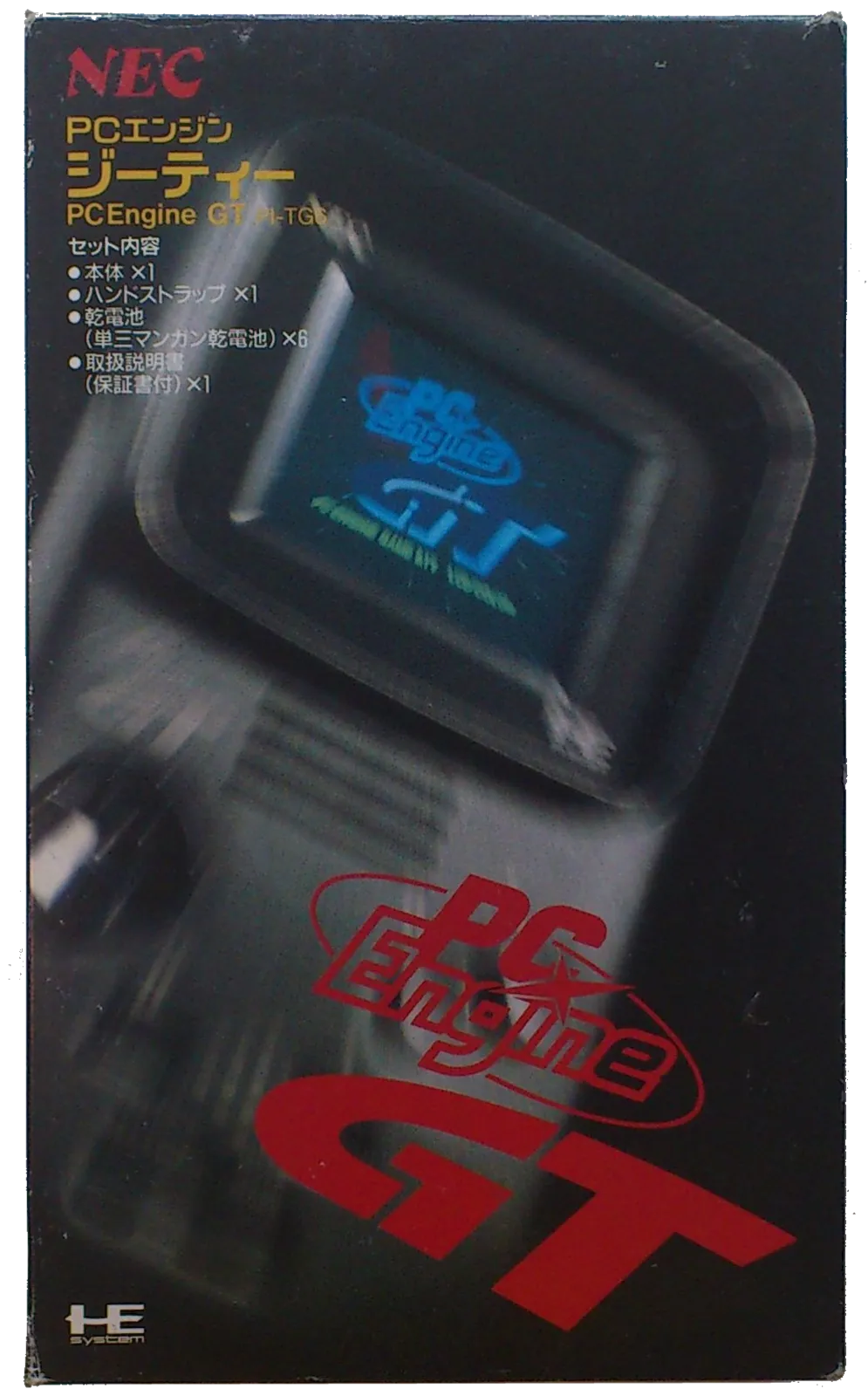
The PC Engine GT is a portable version of the PC Engine, a stationary video game console from NEC and Hudson Soft. In its Japanese home, the PC Engine GT appeared in December 1990. The following year, the companies also published the mobile device in the USA. Based on the fact that the PC Engine is known to Western players as TurboGrafx-16, the handheld there bears the name TurboExpress.
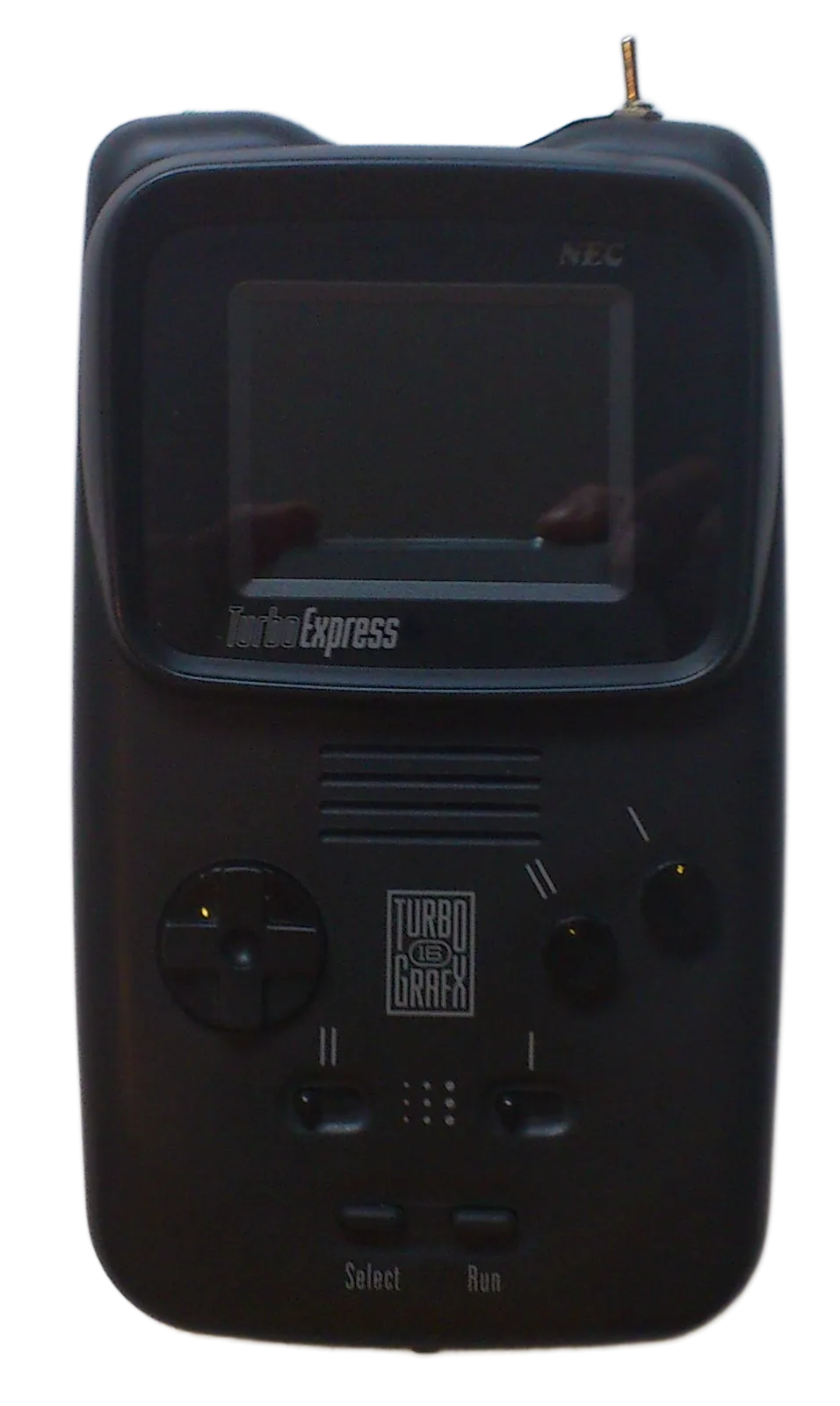
Visually and technically, PC Engine GT and TurboExpress hardly differ. Both have a black case colour, only the GT lettering (over the D-pad) or TurboExpress (at the bottom of the screen) reveals whether it is the Japanese or US version.
Technically, several aspects of this mobile system are remarkable. The PC Engine or the TurboGrafx was thus the first video game system in the world to have a portable version that corresponded to the original home console hardware and used the same gaming medium. NEC and Hudson Soft relied on credit card-sized cartridges called HuCard. These are not only very thin, but also very compact in terms of area: a HuCard is about half the size of a module of the Sega Mega Drive and has no more than a quarter of the size of a NES module. PC Engine GT or TurboExpress are therefore anything but unmanageable (such as the Sega Nomad), but their home console variants are almost equally powerful. Although the maximum resolution of the Handheld screen with 400 x 270 pixels is lower than the maximum resolution of PC Engine or TurboGrafx (565 x 242 pixels). But since most games support only the standard resolution of 256 x 239 anyway, this hardly matters.
Technically, the handheld counted among the elite in his publication. It has a backlit color screen that can display up to 481 colors at the same time. For comparison: The competitors Sega Game Gear and Atari Lynx available during the same period bring it to 160 x 144 pixels with up to 32 colors and 160 x 102 pixels with up to 16 colors. The advantages of the PC Engine GT or the Turbo Express are also a decisive disadvantage: the six AA batteries are used up after about three hours. None of the handhelds were able to beat Nintendo’s Game Boy. Although Nintendo’s handheld only offers monochrome graphics without backlight, four AA batteries ensure a runtime of over 30 hours.
Both in Japan and the USA NEC/Hudson Softs Handheld was thus not economically successful. In total, it sold more than 1.5 million times. From a popular cultural point of view, it is worth noting that it was surprisingly often seen in film and television productions. It appears in the TV series Doogie Howser, M.D. (USA, 1989 - 1993), the film series 3 Ninjas (USA, 1992 - 1998) and the film Der Staatsfeind Nr. 1 (OT: Enemy of the State, USA, 1998).
Connections in the collection
Keywords
Acquire the complete collection.
The collection is offered as a whole. The inventory lists show which objects are included.