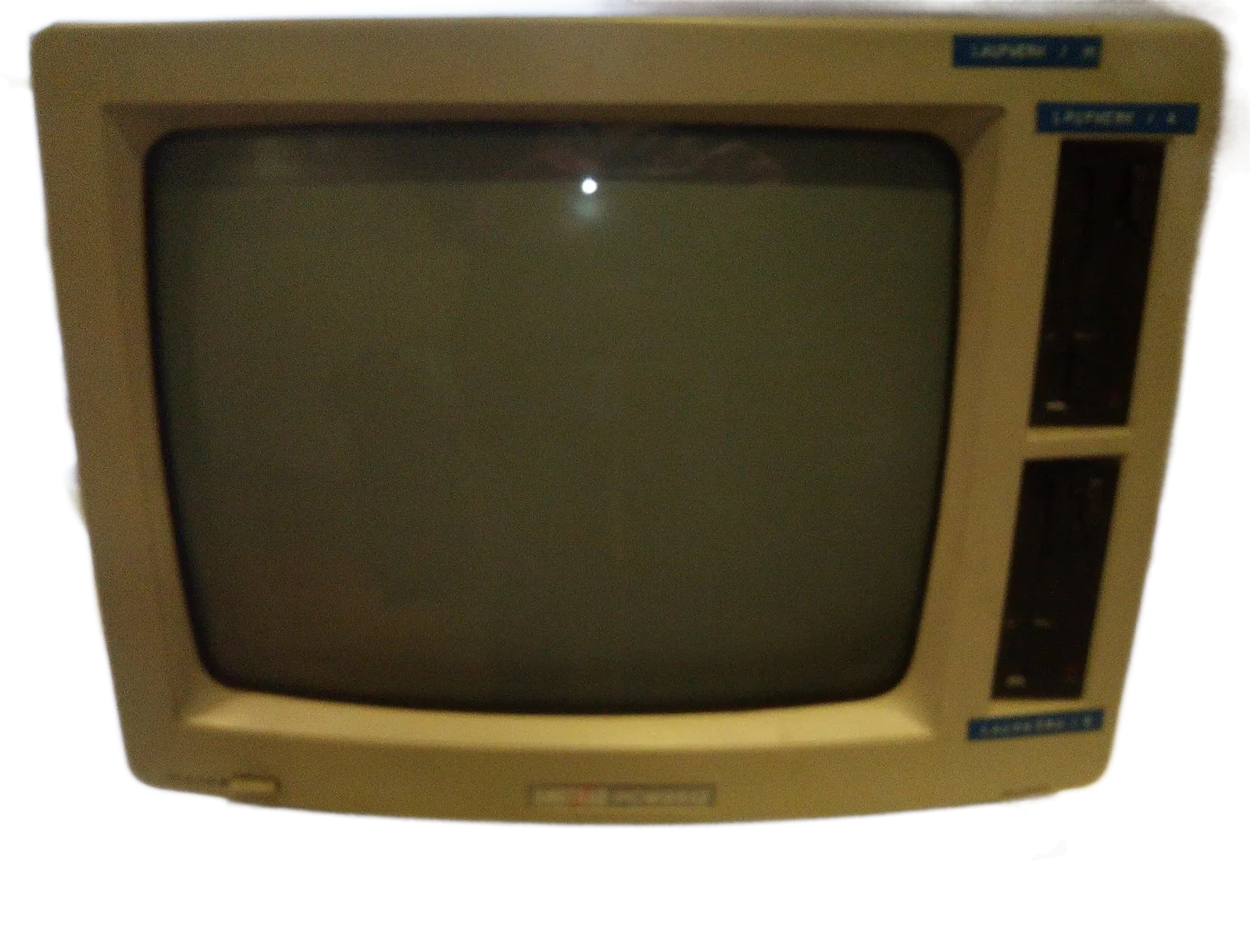
Amstrad PCW 8256 and 8512 (Schneider Joyce)
In September 1985, Amstrad released the PCW 8256, a computer primarily for writing. For £399 plus VAT, buyers received the computer, a 12-inch green-screen …
Photo: own photograph
Open pageKeyword · 22 pages
In September 1985, Amstrad released the PCW 8256, a computer primarily for writing. For £399 plus VAT, buyers received the computer, a 12-inch green-screen …
Photo: own photograph
Open page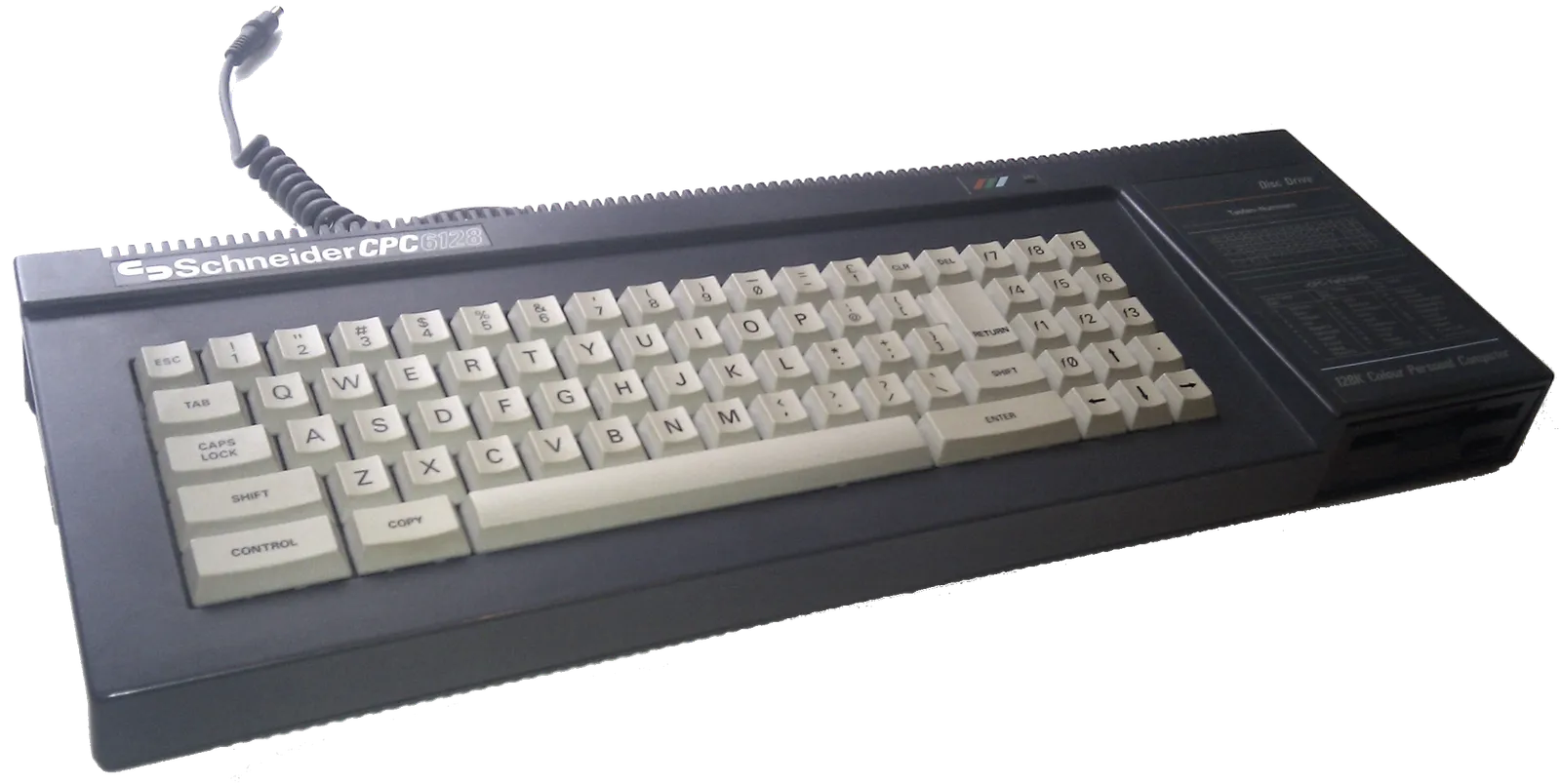
The CPC6128 is a popular Amstrad computer, sold in Germany by Schneider, that replaced the CPC664. Like its predecessor, it has a built-in 3-inch floppy disk …
Photo: own photograph
Open page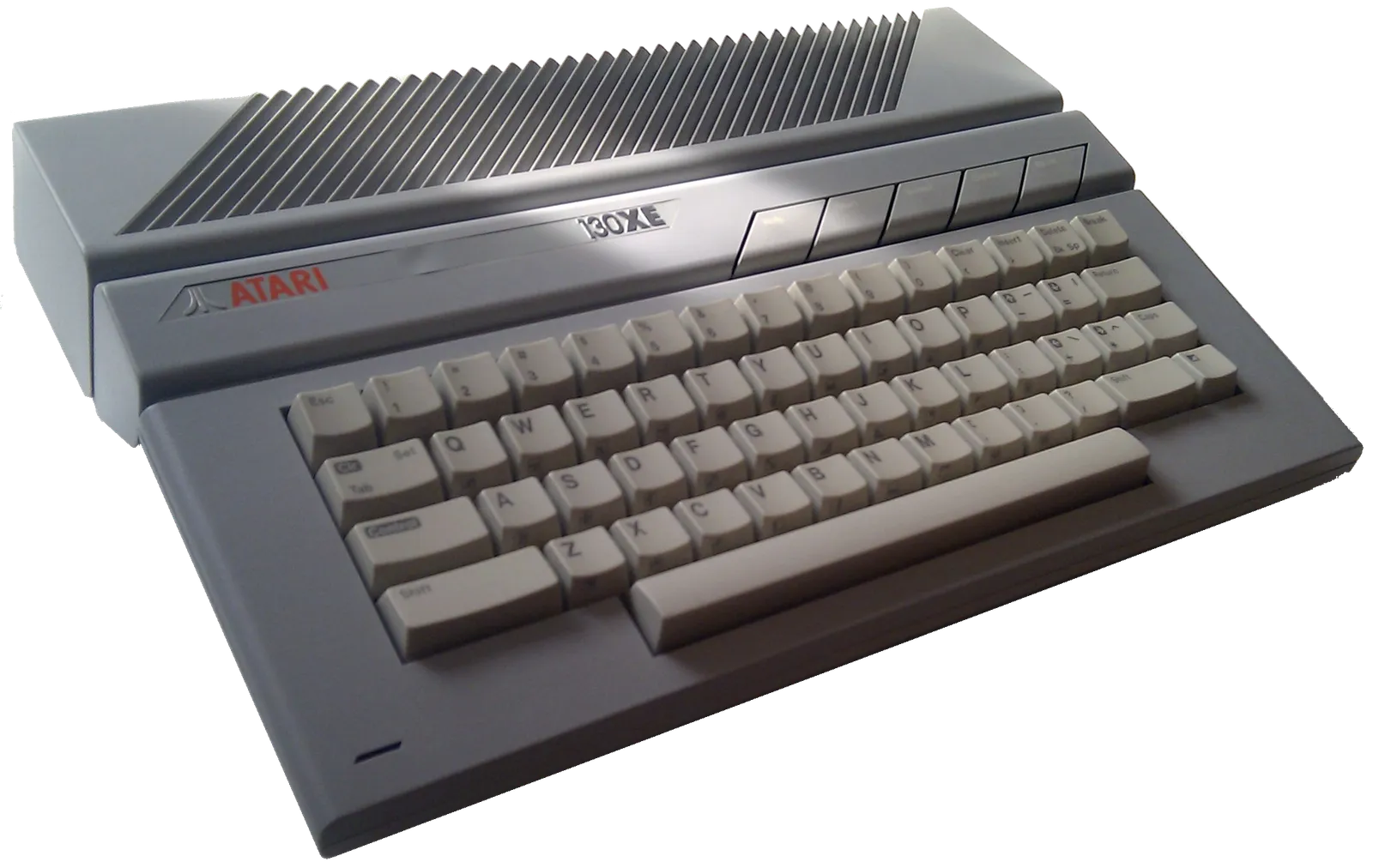
The Atari 130XE and Atari 65XE were Atari’s final 8-bit computers. They were essentially based on the Atari 800XL, with the same ROM, but more integrated …
Photo: own photograph
Open page
The Atari 260ST and Atari 520ST form the first 16-bit computer of Atari with the Motorola 68000 processor, which contributes as 16/32 processor (Sixteen/Thirty …
Model illustration · Image: © Bill Bertram, 2006 · CC BY-SA 2.5 · Source and original on Wikimedia Commons · WebP, resized where necessary
Open page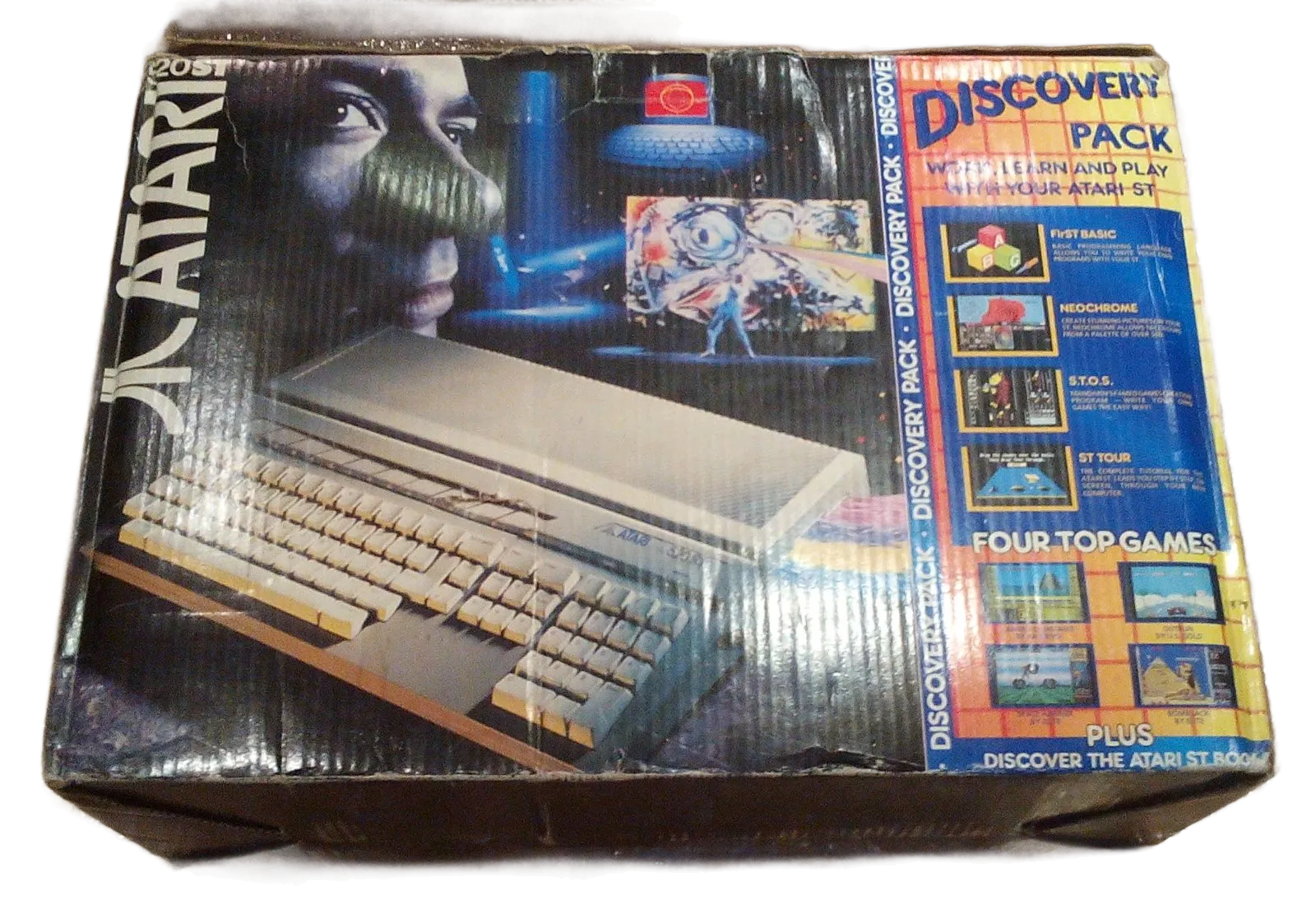
After the Sinclair QL, Atari is the second company with a home computer based on the 16/32-bit Motorola 68000 processor. Based on the CPU's data bus width …
Photo: own photograph
Open page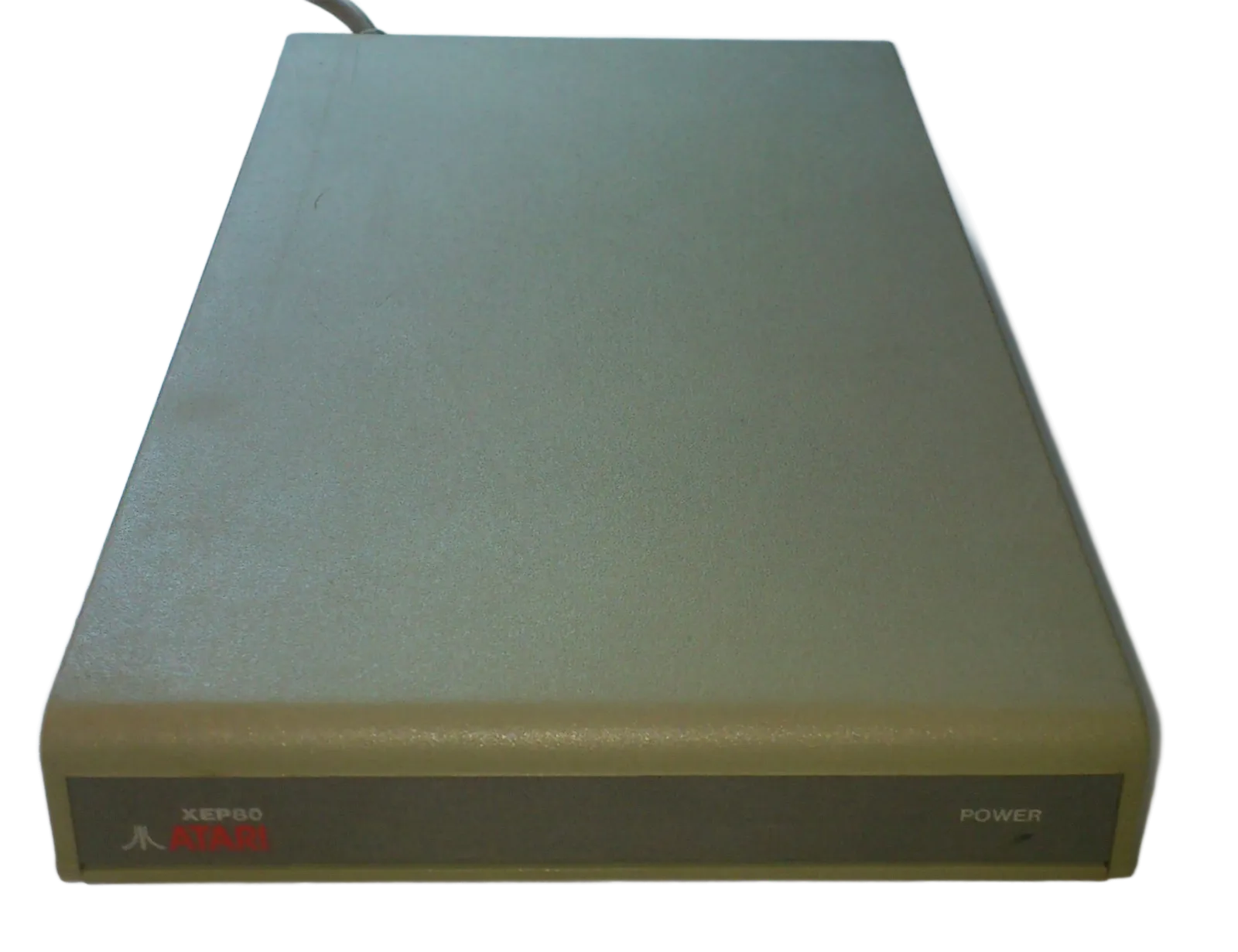
Early Atari home computers have a standard resolution of 40 x 24 characters. The Atari XEP80 Interface Module is a small box that connects between the monitor …
Photo: own photograph
Open page
On the one hand, the console market is changing after the video game crash, on the other hand, the idea of a video game is already so widespread that niche …
Model illustration · Image: Incog88 · CC BY-SA 3.0 · Source and original on Wikimedia Commons · WebP, resized where necessary
Open page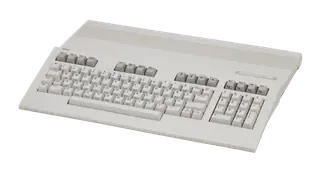
The Commodore 128 (C128) was released in 1985 in the USA, a year later in Europe. Technically, it builds on the C64 as a successor, but it offers an improved …
Model illustration · Image: Evan-Amos · CC BY-SA 3.0 · Source and original on Wikimedia Commons · WebP, resized where necessary
Open page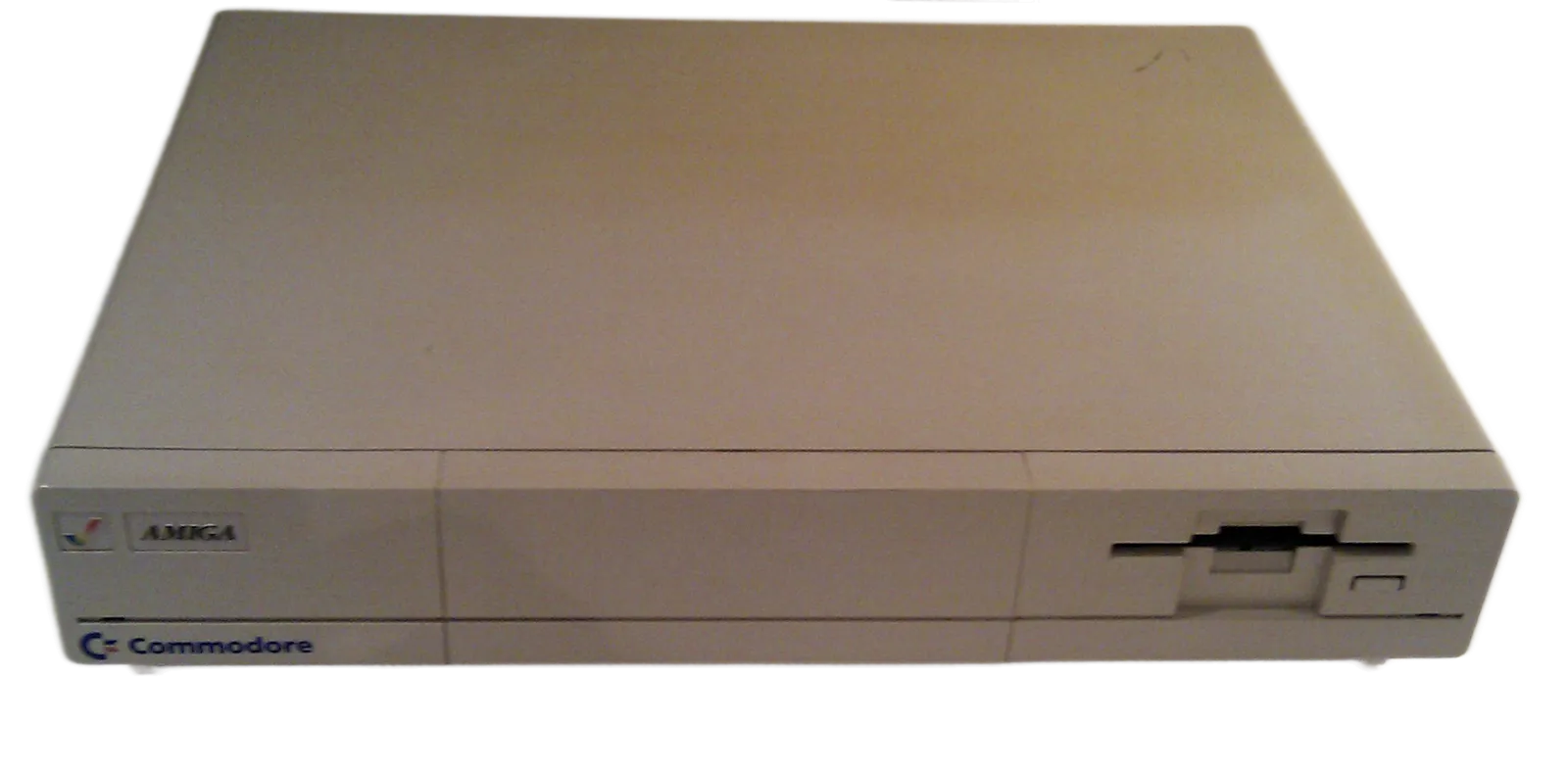
Commodore introduced the Amiga 1000 in the USA in summer 1985, at an event attended by pop artist Andy Warhol and singer Debbie Harry of Blondie. It launched …
Photo: own photograph
Open page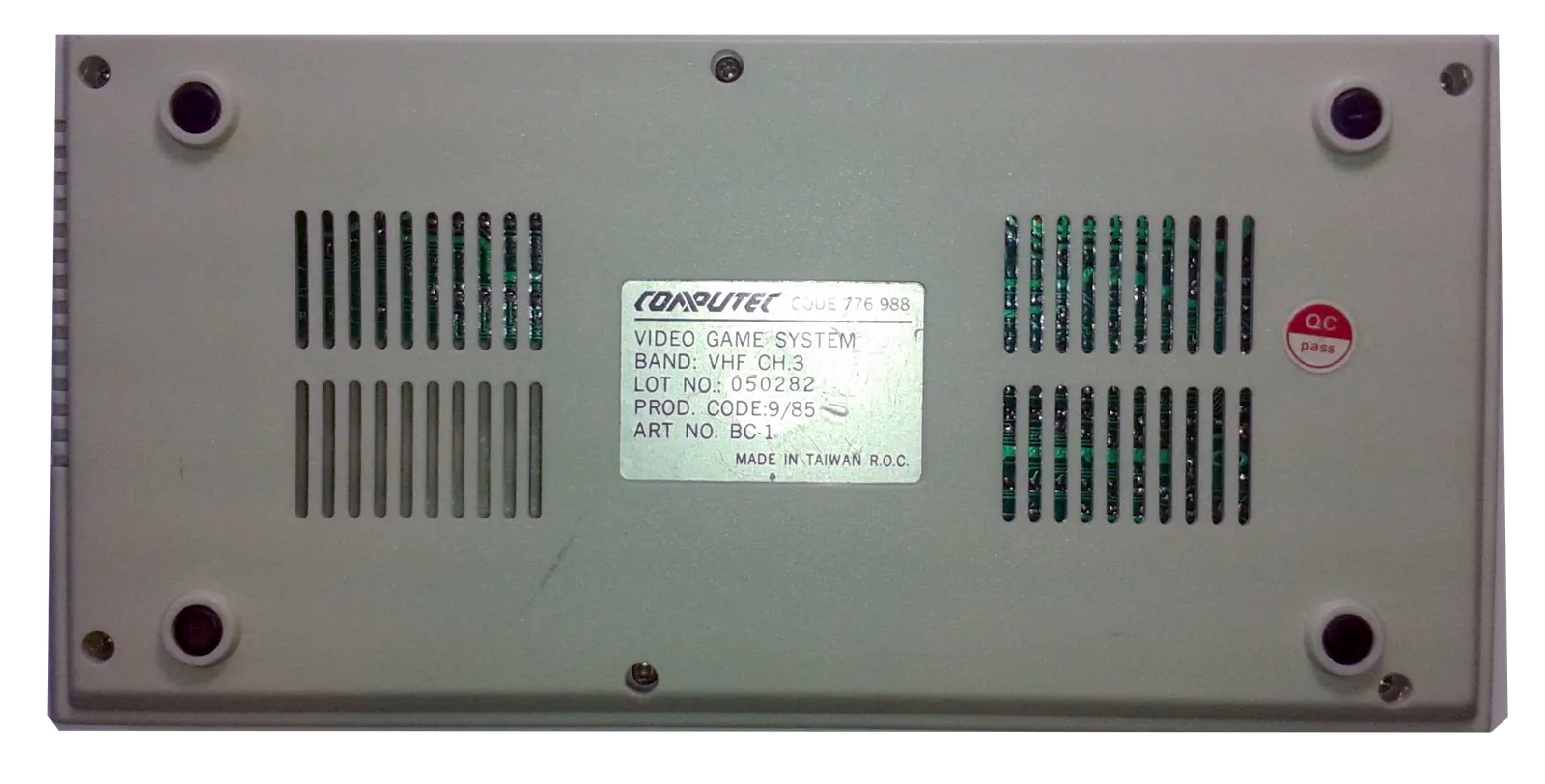
The Video Game System by Computec is an unusual clone of an Atari 2600 console. It was produced in Taiwan, it is held in a light beige shade. On the top right …
Photo: own photograph
Open page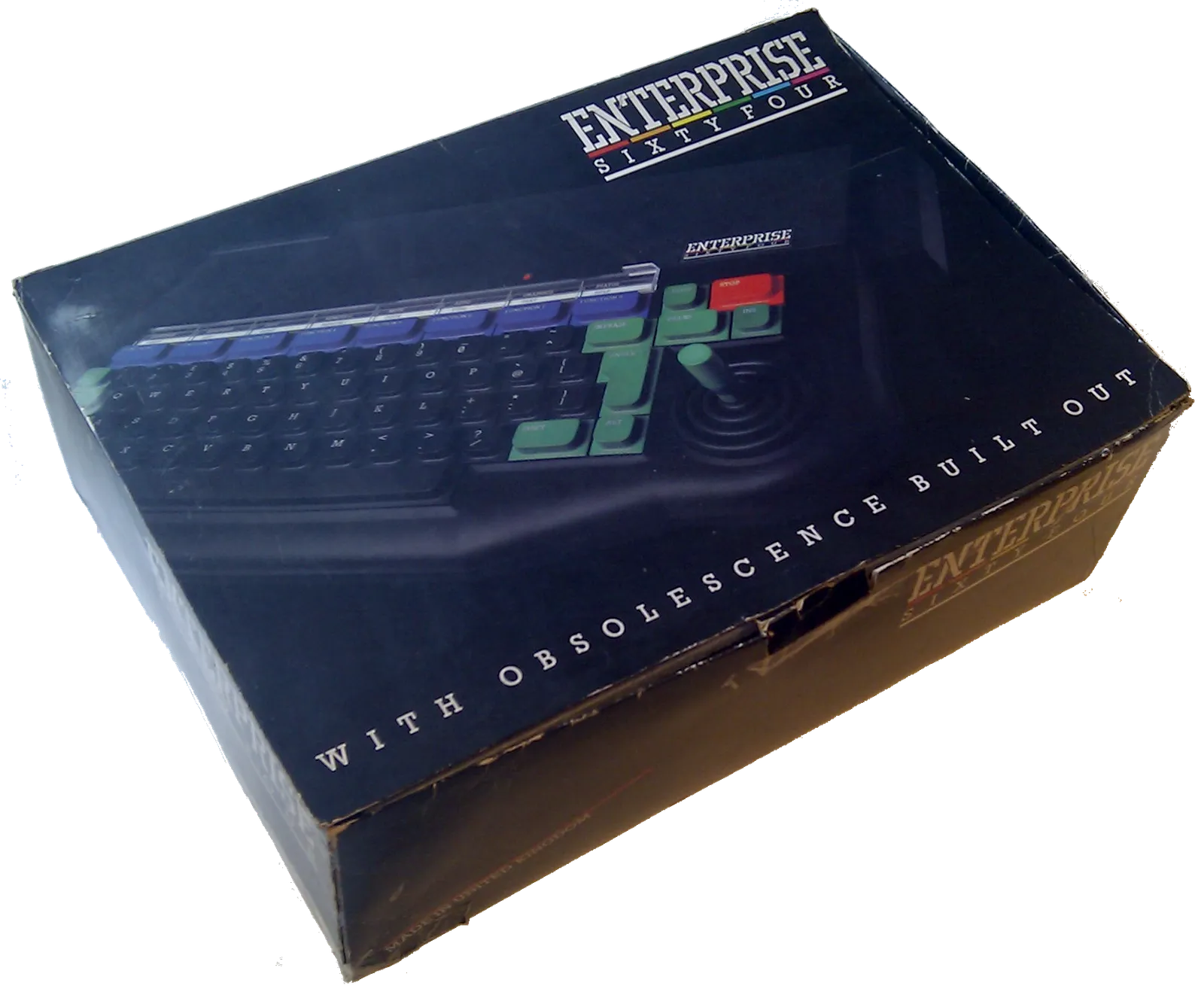
There are two versions of Enterprise: Enterprise 64 with 64 KiB RAM (of which 50 KiB are available) and a short time later the Enterprise 128 (128 KiB RAM) …
Photo: own photograph
Open page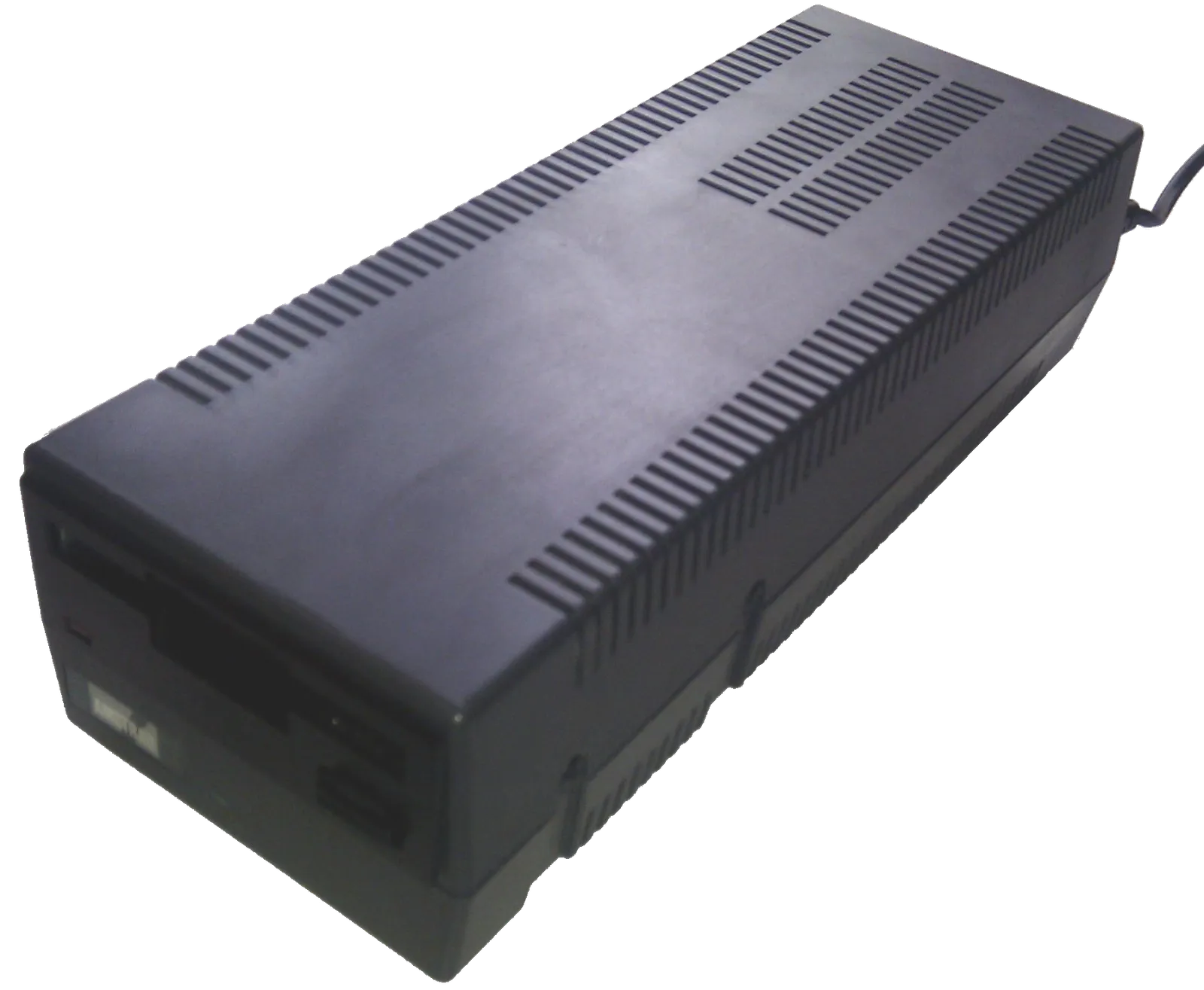
The FD-1 is an external floppy disk drive for the CPC664 and the CPC6128. To connect the FD-1 to an older CPC464, an adapter, the DDI-1 (for Disk Drive …
Photo: own photograph
Open page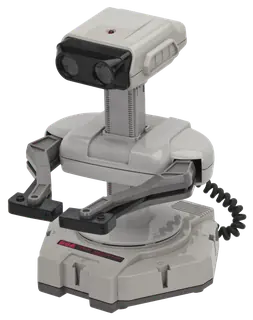
After the big video game crash Nintendo is looking with the Famicom for ever new possibilities of marketing video games. To avoid associations with the old …
Model illustration · Image: Evan-Amos · CC BY-SA 3.0 · Source and original on Wikimedia Commons · WebP, resized where necessary
Open page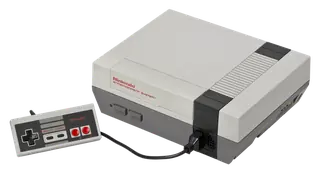
When Nintendo decides to release Famicom in the USA, the video game market there is no longer existing. The experience of the video game crash has also led …
Model illustration · Image: Evan-Amos · Public domain · Source and original on Wikimedia Commons · WebP, resized where necessary
Open page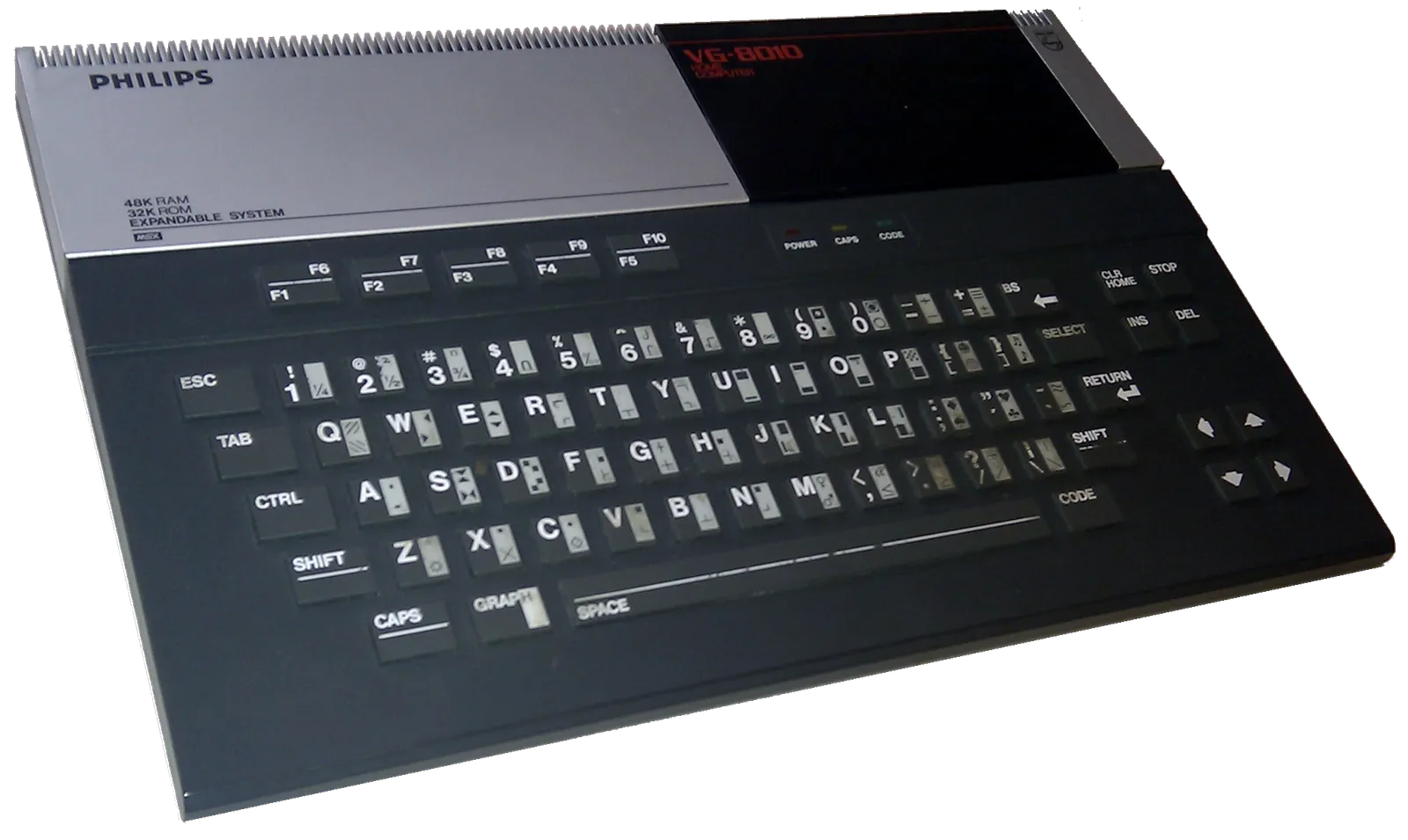
The Philips VG-8010 is an 8-bit home computer and offers 2 module spaces, a moderate keyboard and strangely arranged cursor keys but no built-in datasette. The …
Photo: own photograph
Open page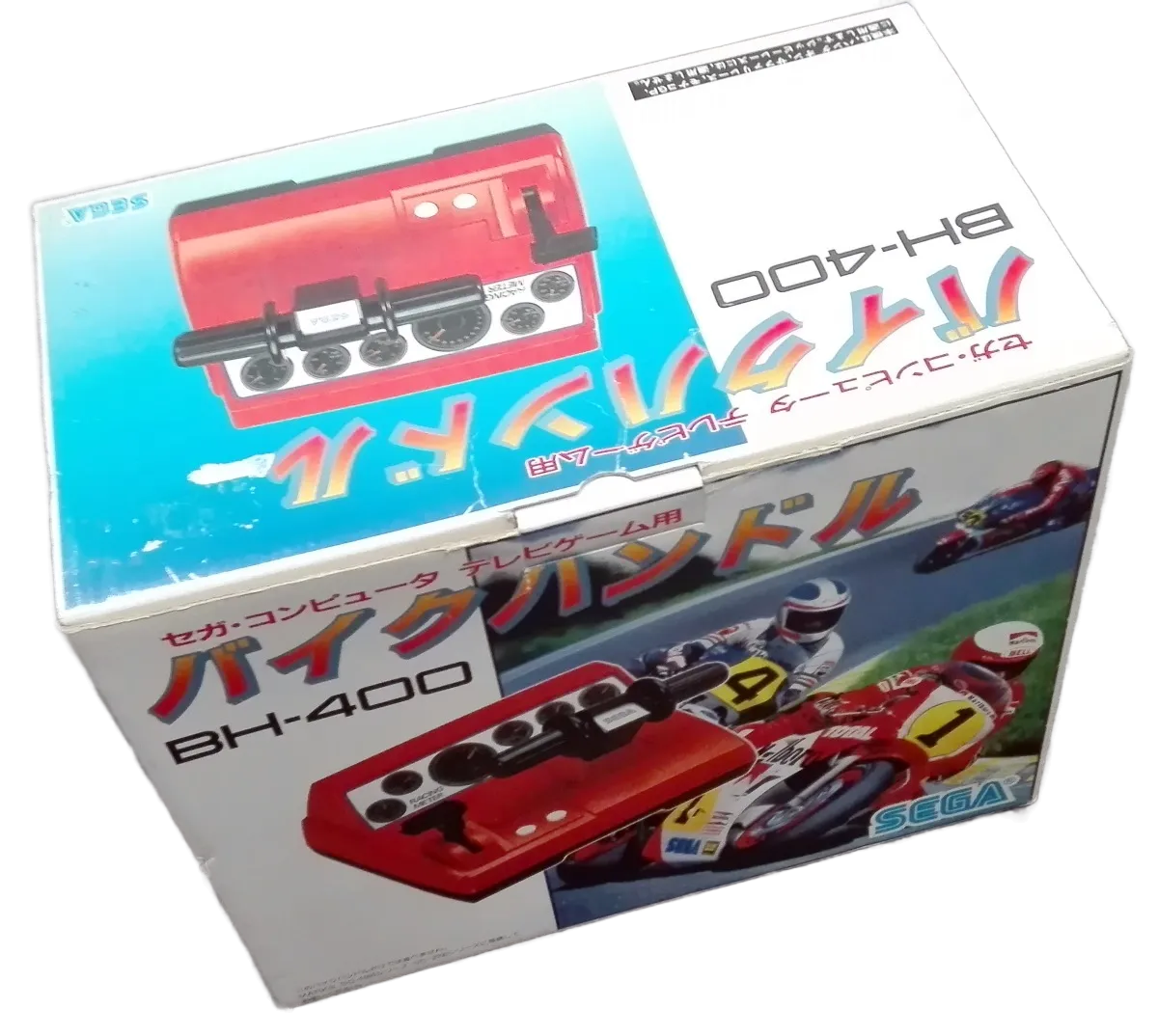
The motorcycle controller (BH-400) from 1985 was released only in Japan. It is built for the systems Sega SC-3000, SG-1000, SG1000II, Sega Mark III and …
Photo: own photograph
Open page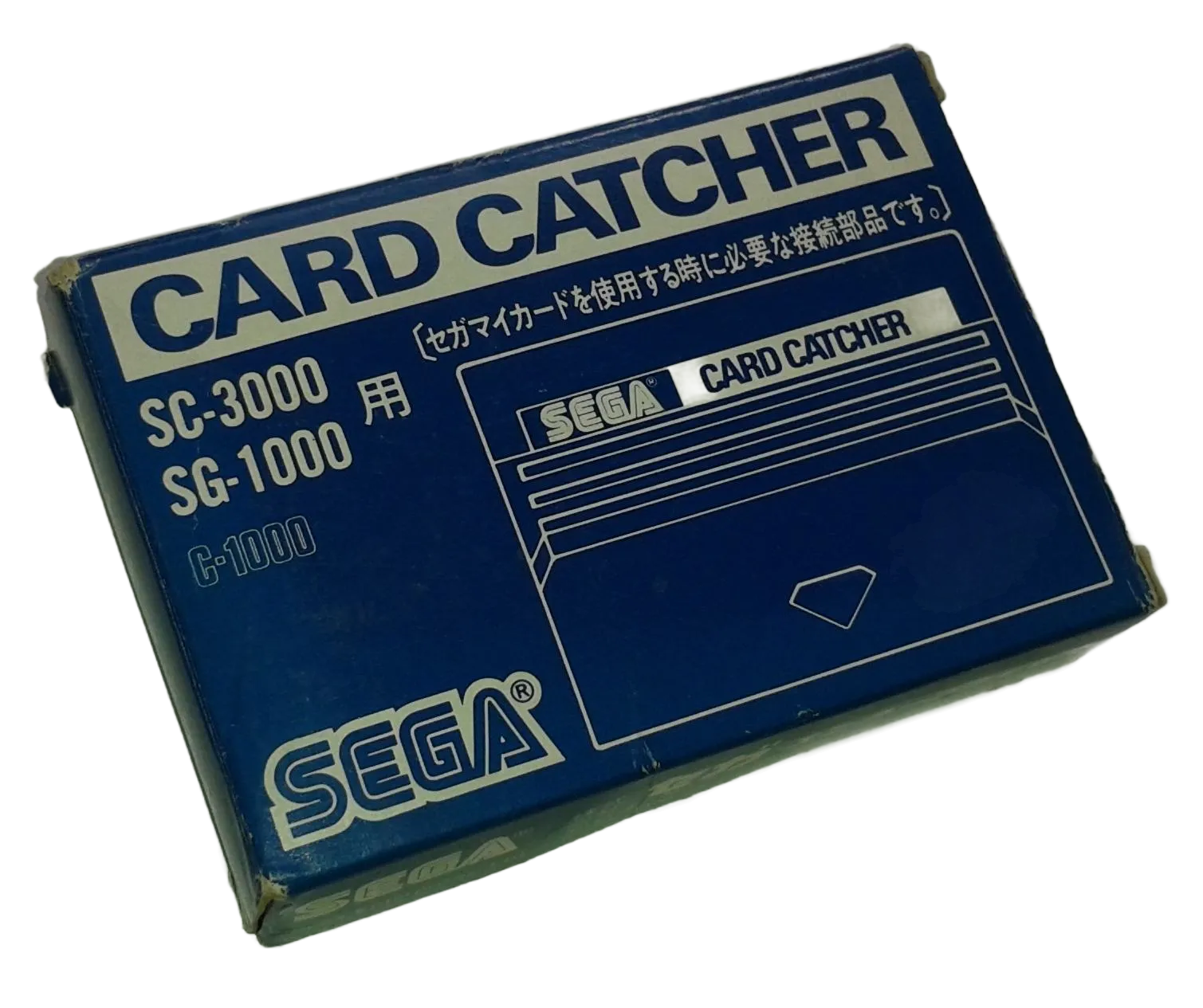
The Sega consoles Mark III and Master System (both the third generation of game consoles) were able to receive games either as a module or on Sega Card or Sega …
Photo: own photograph
Open page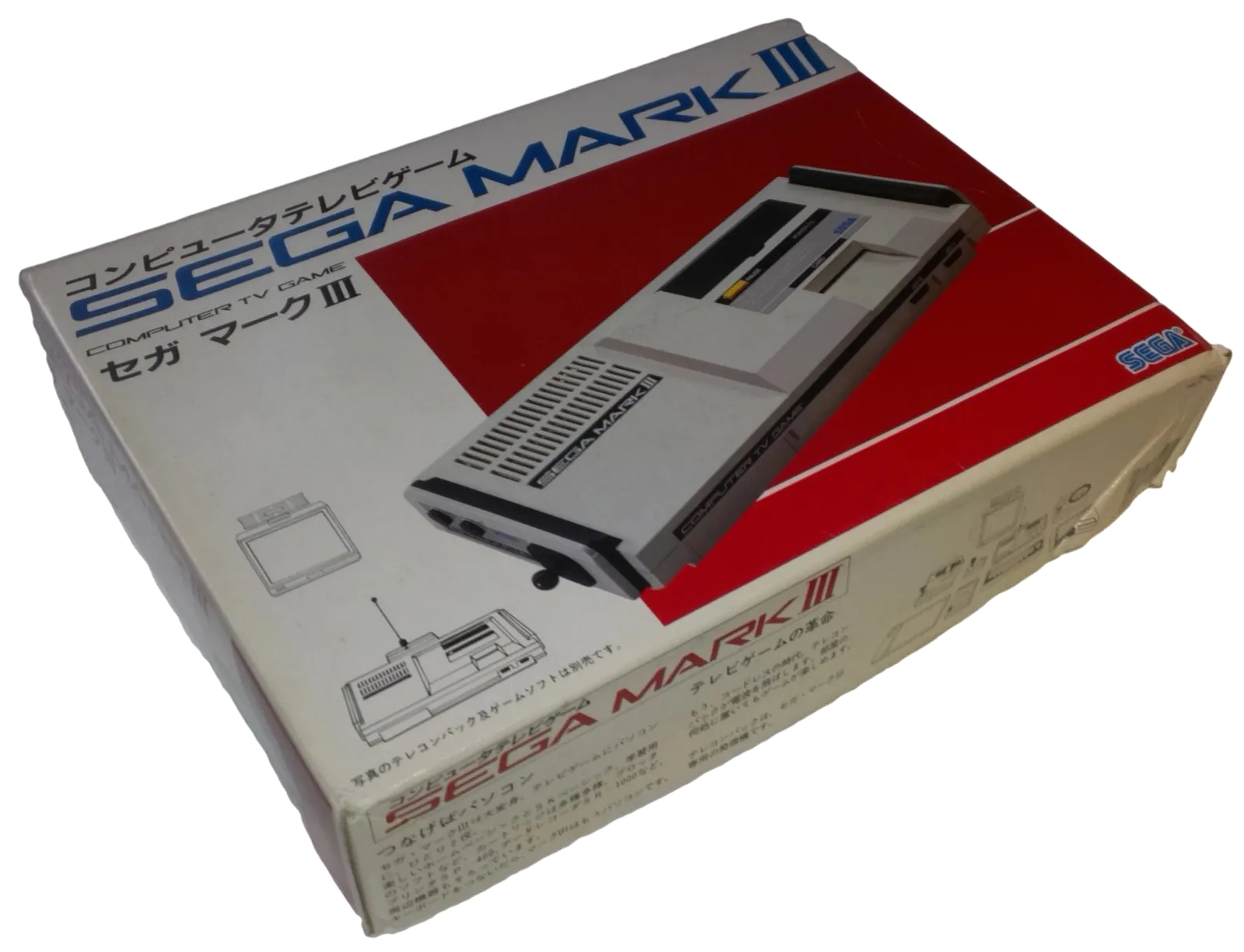
The Mark III is the final version of the SG-1000. Sega improves the hardware to make the console stronger than the market leader, Nintendo's Famicom.
Photo: own photograph
Open page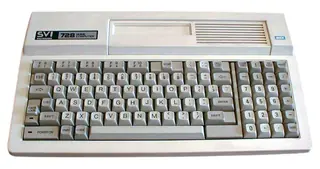
The SVI-728 sold by the American company Spectravideo (1988) is the successor of the SV-328, and irons out some flaws, making the SVI-728 the first …
Model illustration · Image: Tiziano Garuti (1000Bit · Public domain · Source and original on Wikimedia Commons · WebP, resized where necessary
Open page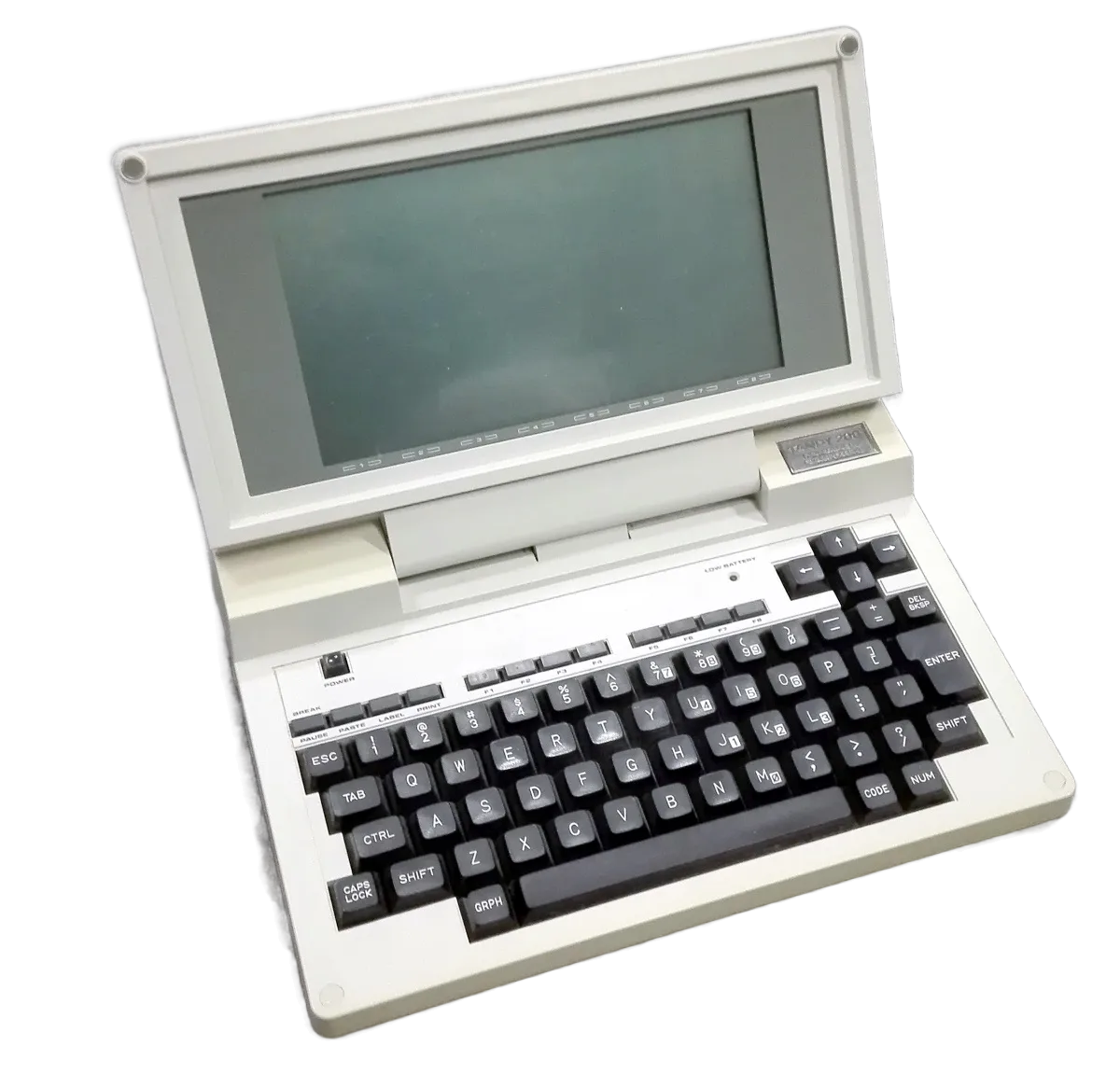
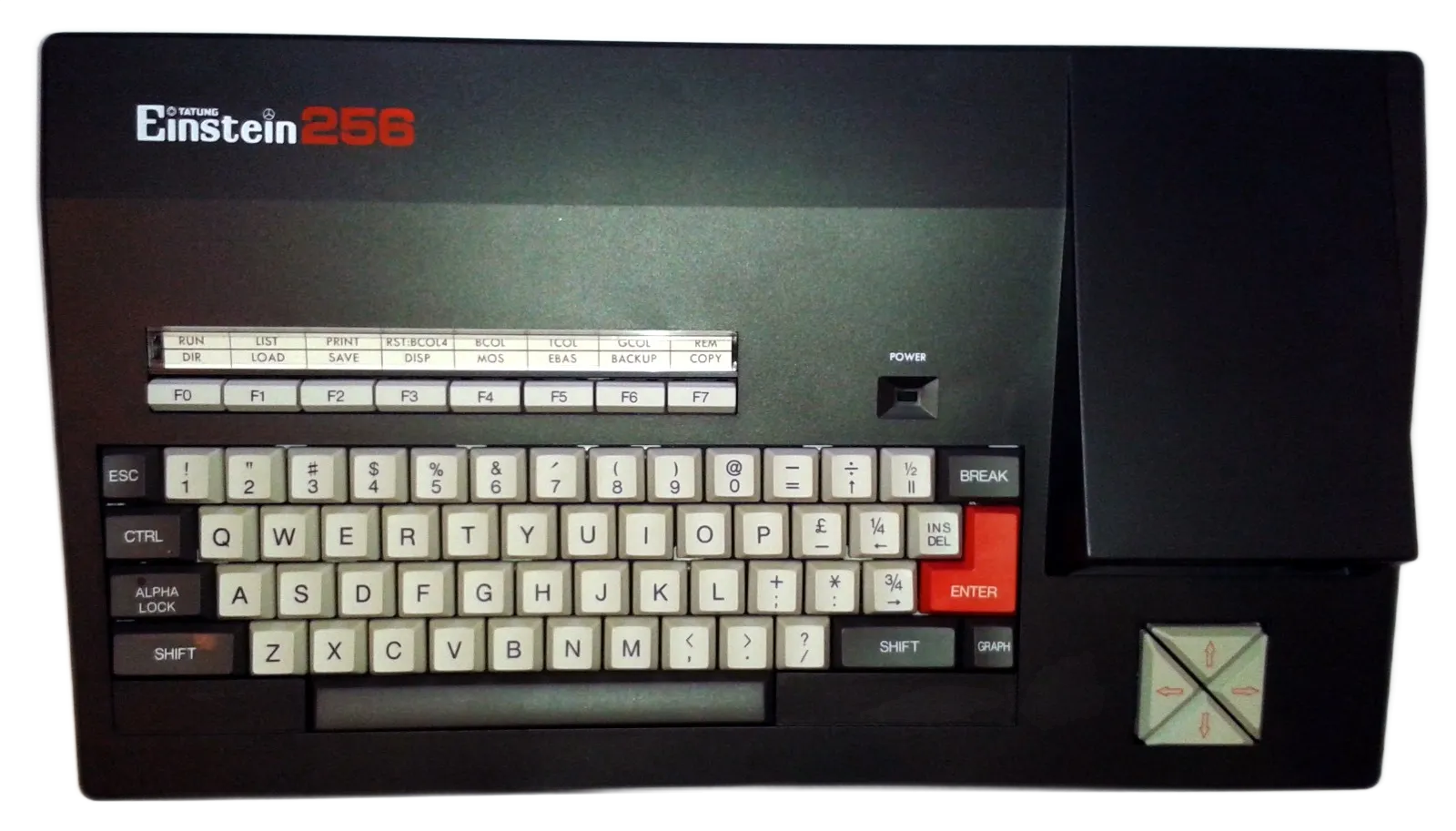
Taiwanese company Tatung had the Einstein (TC-01) home computer developed and built in England in 1984. It has a 4 MHz Z80A, 64 KB RAM and a built-in 3-inch …
Photo: own photograph
Open page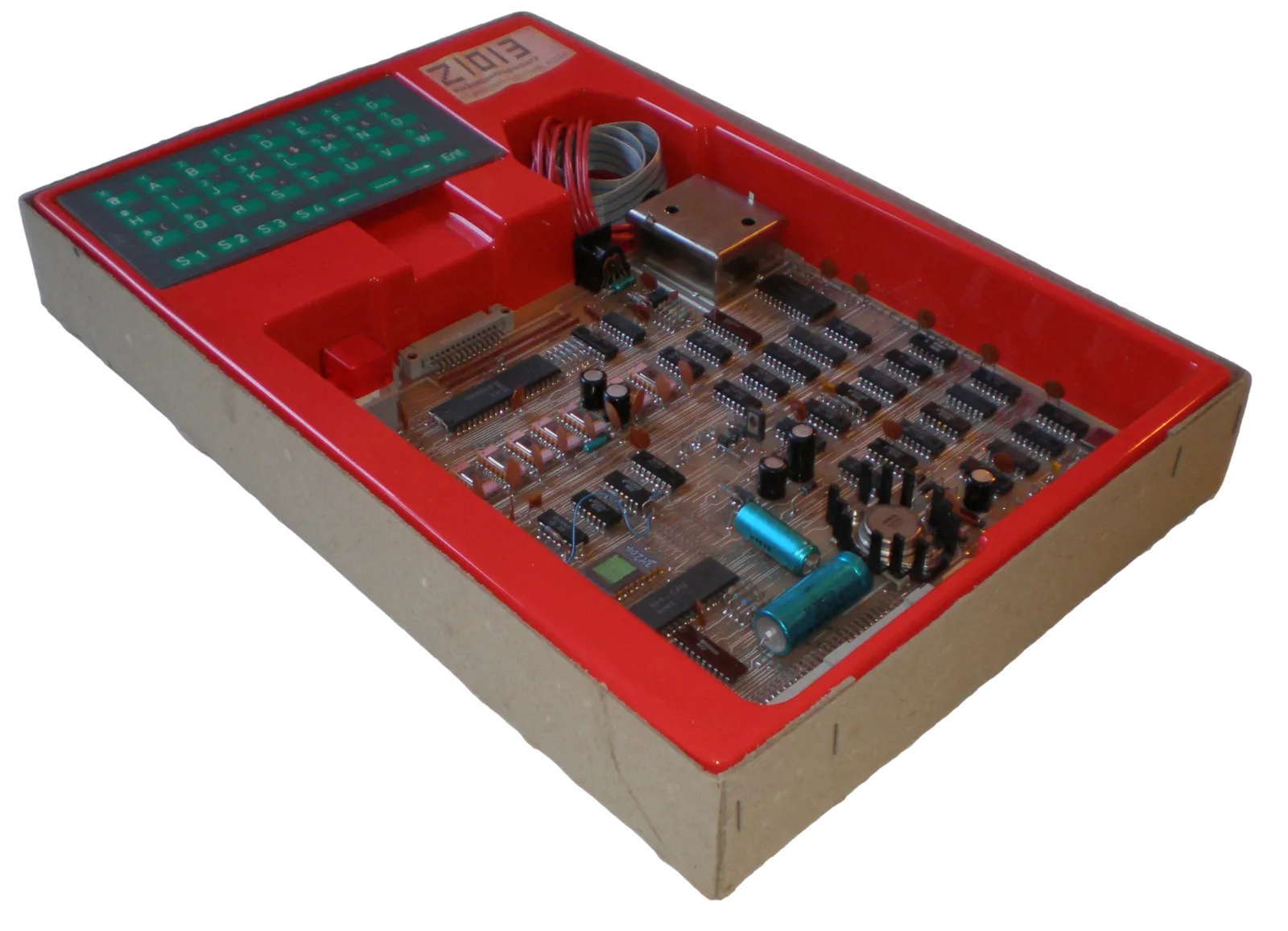
The Z1013 is a kit computer from the former GDR, manufactured by VEB Robotron-Elektronik in Riesa.
Photo: own photograph
Open page


