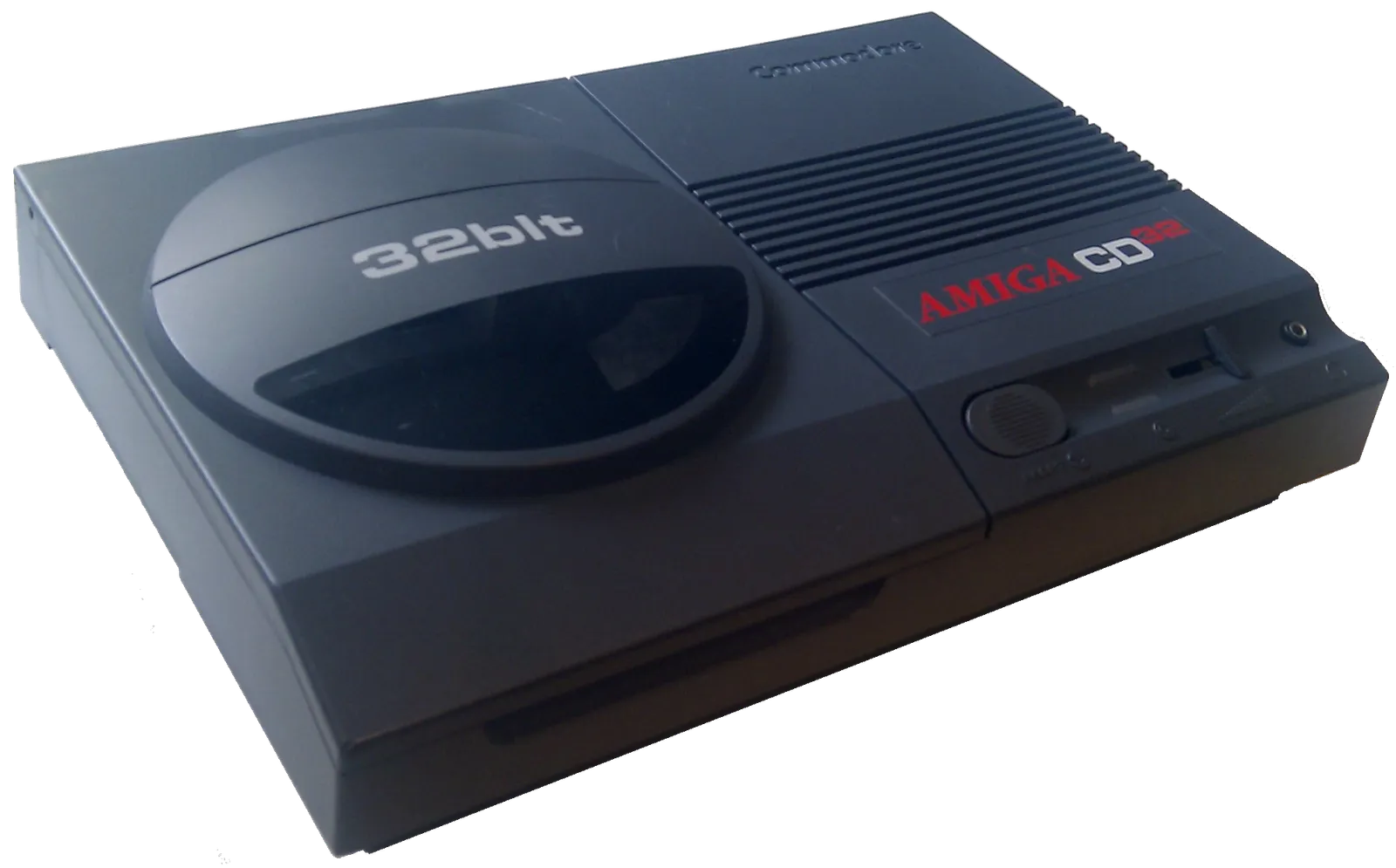
Amiga CD32
Like all Commodore game consoles, the Amiga CD32 is a variant of a home computer. The C64GS is actually a C64, the CDTV an Amiga and the CD32 an Amiga 1200 …
Photo: own photograph
Open pageKeyword · 32 pages
Like all Commodore game consoles, the Amiga CD32 is a variant of a home computer. The C64GS is actually a C64, the CDTV an Amiga and the CD32 an Amiga 1200 …
Photo: own photograph
Open page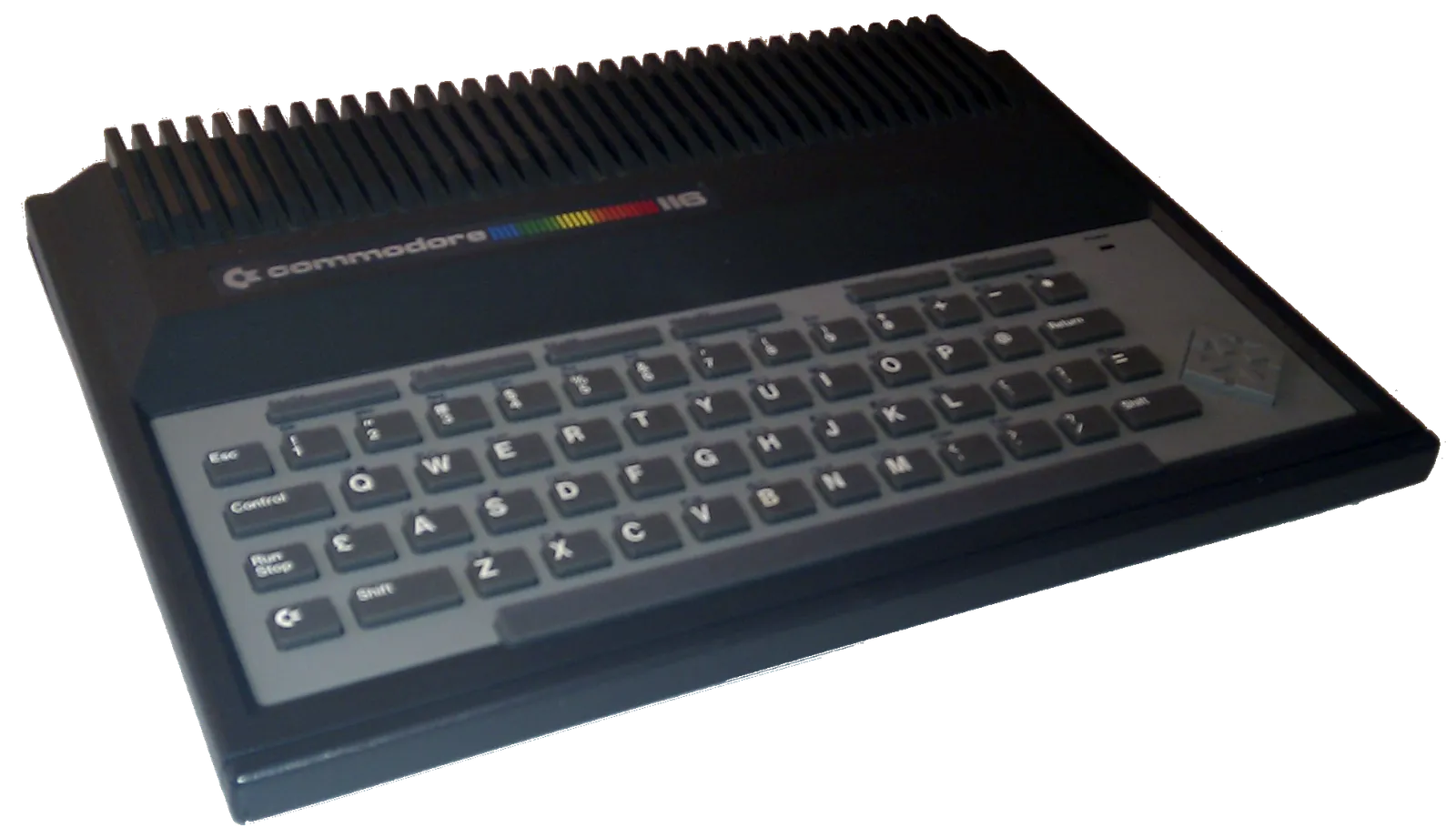
The C116 is the smallest home computer in Commodore's 264 series compared to the C16 and Plus/4. Similar to the VC-20, it is designed in terms of price and …
Photo: own photograph
Open page
The Commodore 128 (C128) was released in 1985 in the USA, a year later in Europe. Technically, it builds on the C64 as a successor, but it offers an improved …
Model illustration · Image: Evan-Amos · CC BY-SA 3.0 · Source and original on Wikimedia Commons · WebP, resized where necessary
Open page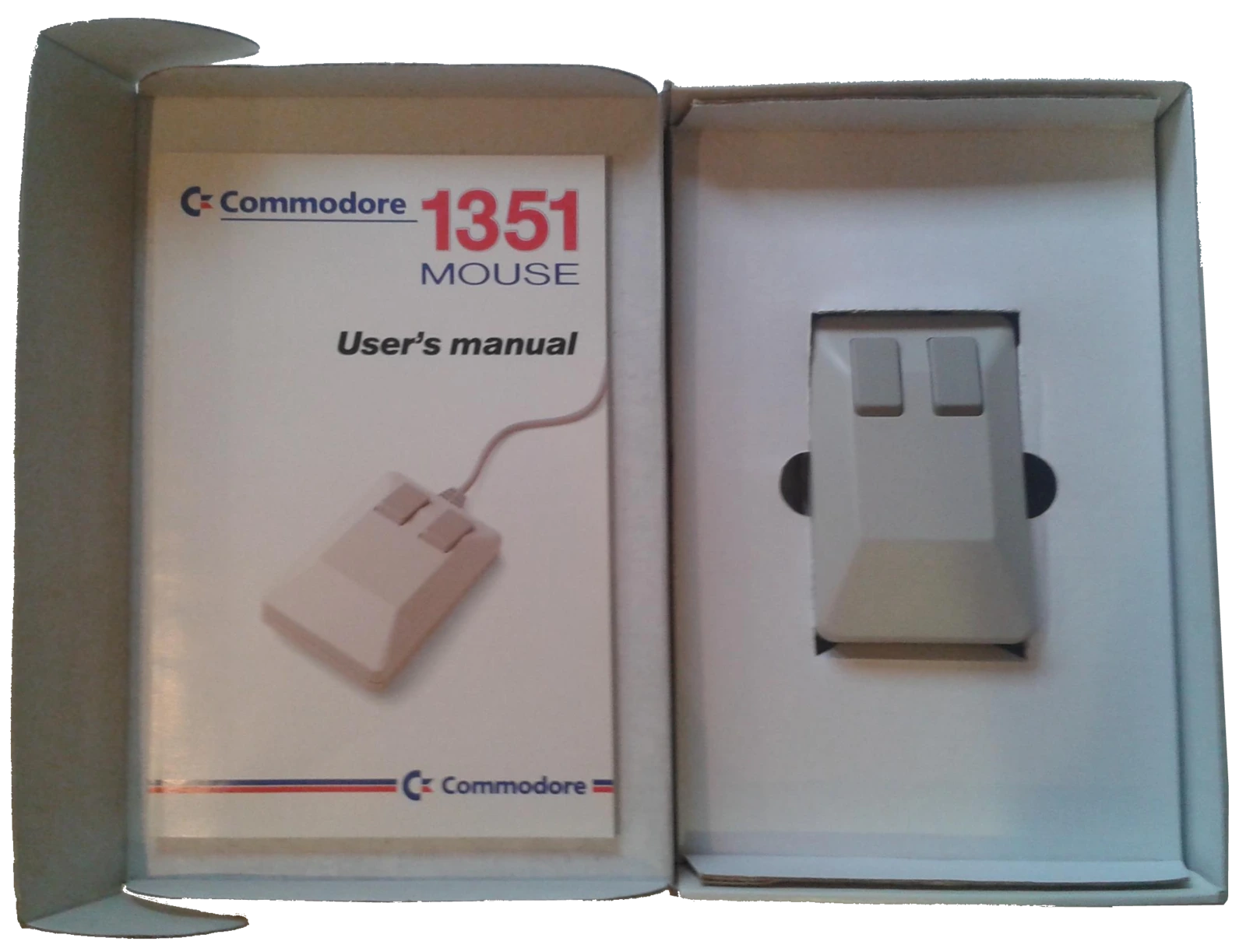
The Commodore 1351 is a mouse for C64 and C128. It transmits movements proportionally and can be operated as a joystick if necessary.
Photo: own photograph
Open page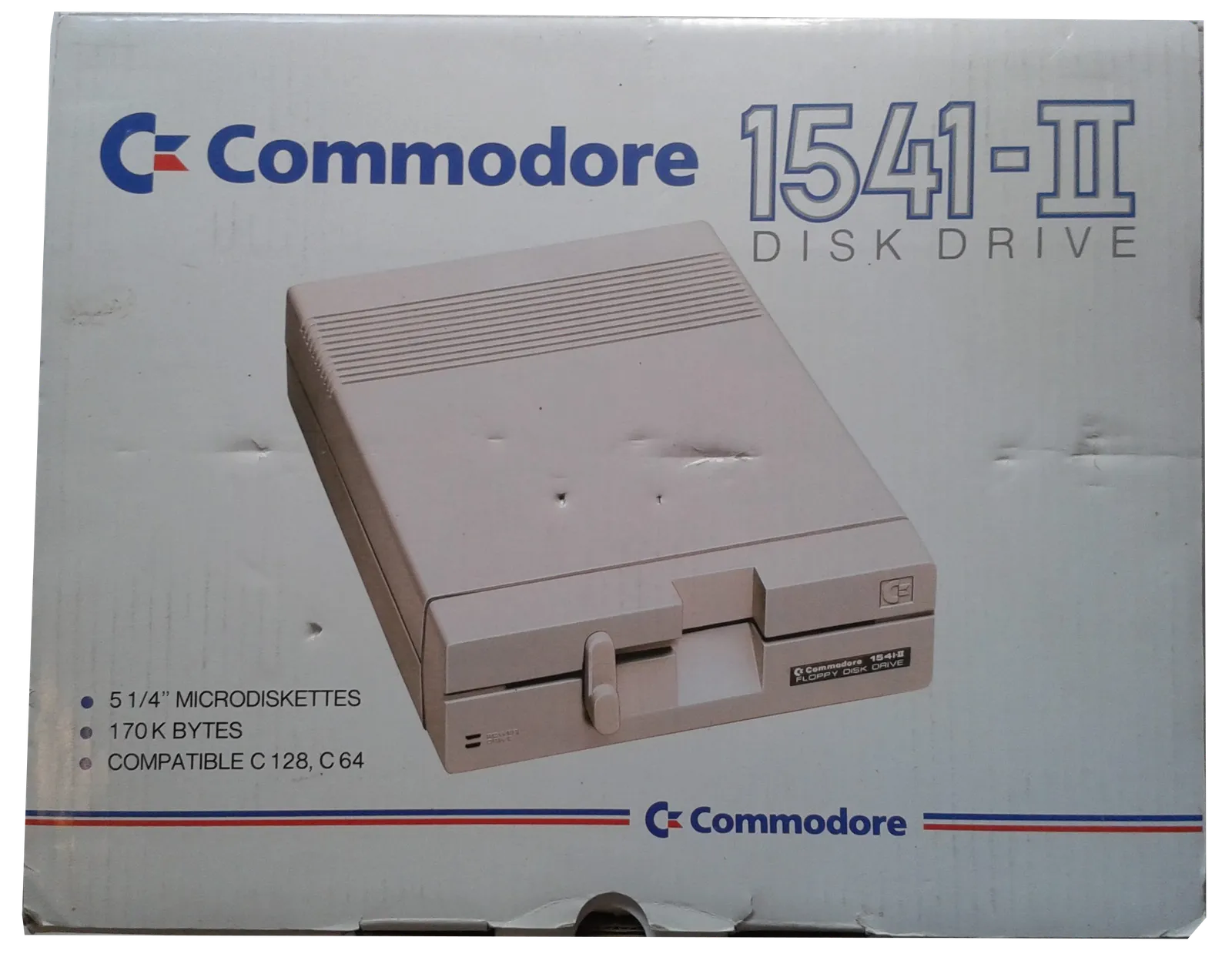
The VC1541 is a 5¼-inch floppy disk drive released by Commodore for the C64 in 1982. It has only one read/write head, so it can access only one side of a disk …
Photo: own photograph
Open page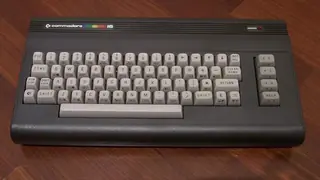
The Commodore 16 was the third member of the Commodore 264 range, alongside the Commodore 116 and Plus/4. It was intended to succeed the Commodore VC 20, but …
Model illustration · Image: Matteo Caccia · CC BY-SA 2.5 IT · Source and original on Wikimedia Commons · WebP, resized where necessary
Open page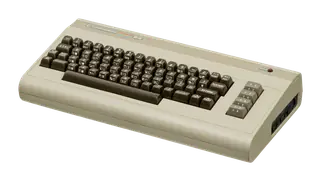
In January 1982 Commodore introduced the Commodore 64 (C64). The fans affectionately call the computer because of its form "breadbox". At the beginning of 1983 …
Model illustration · Image: Evan-Amos · Public domain · Source and original on Wikimedia Commons · WebP, resized where necessary
Open page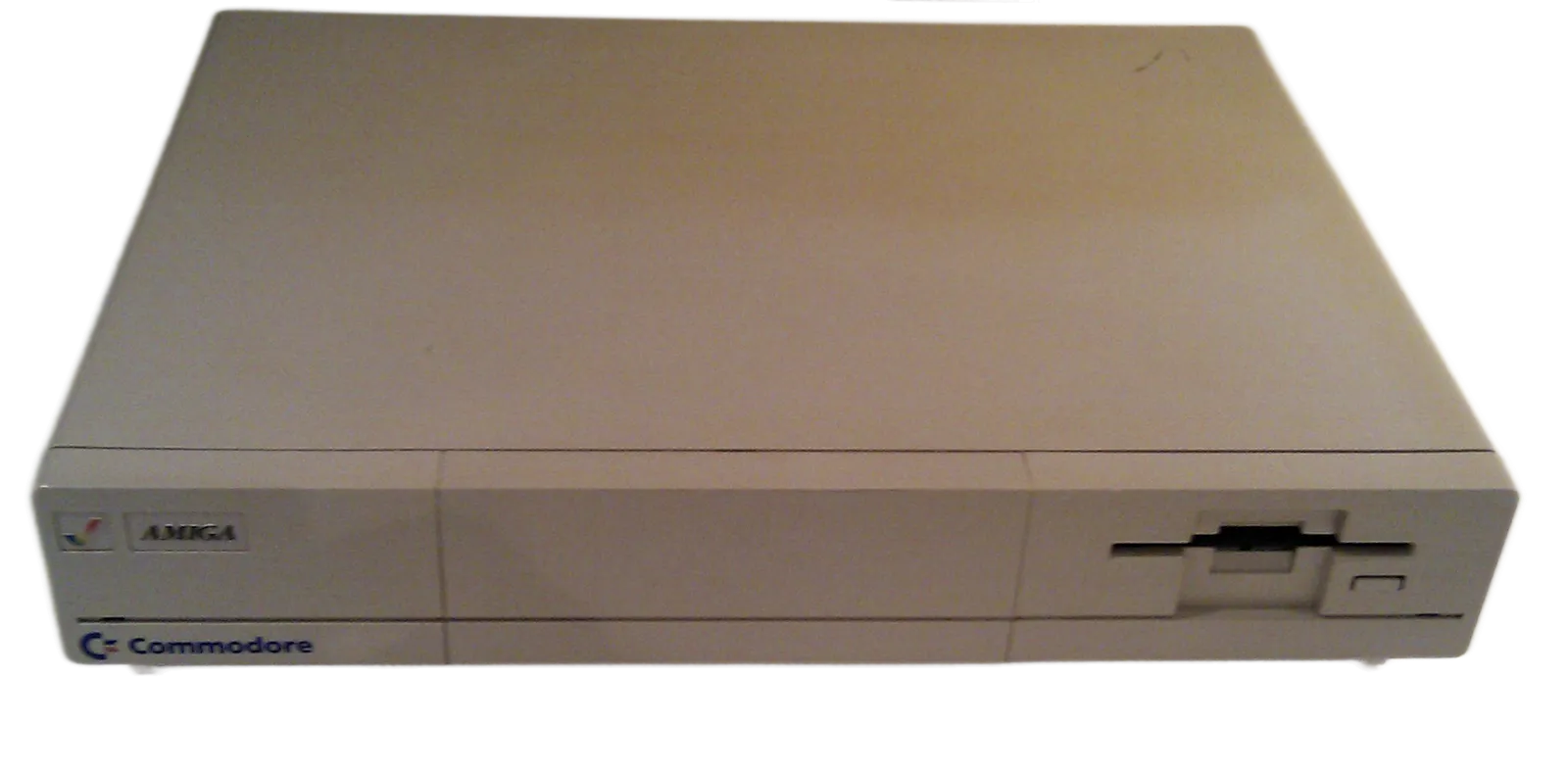
Commodore introduced the Amiga 1000 in the USA in summer 1985, at an event attended by pop artist Andy Warhol and singer Debbie Harry of Blondie. It launched …
Photo: own photograph
Open page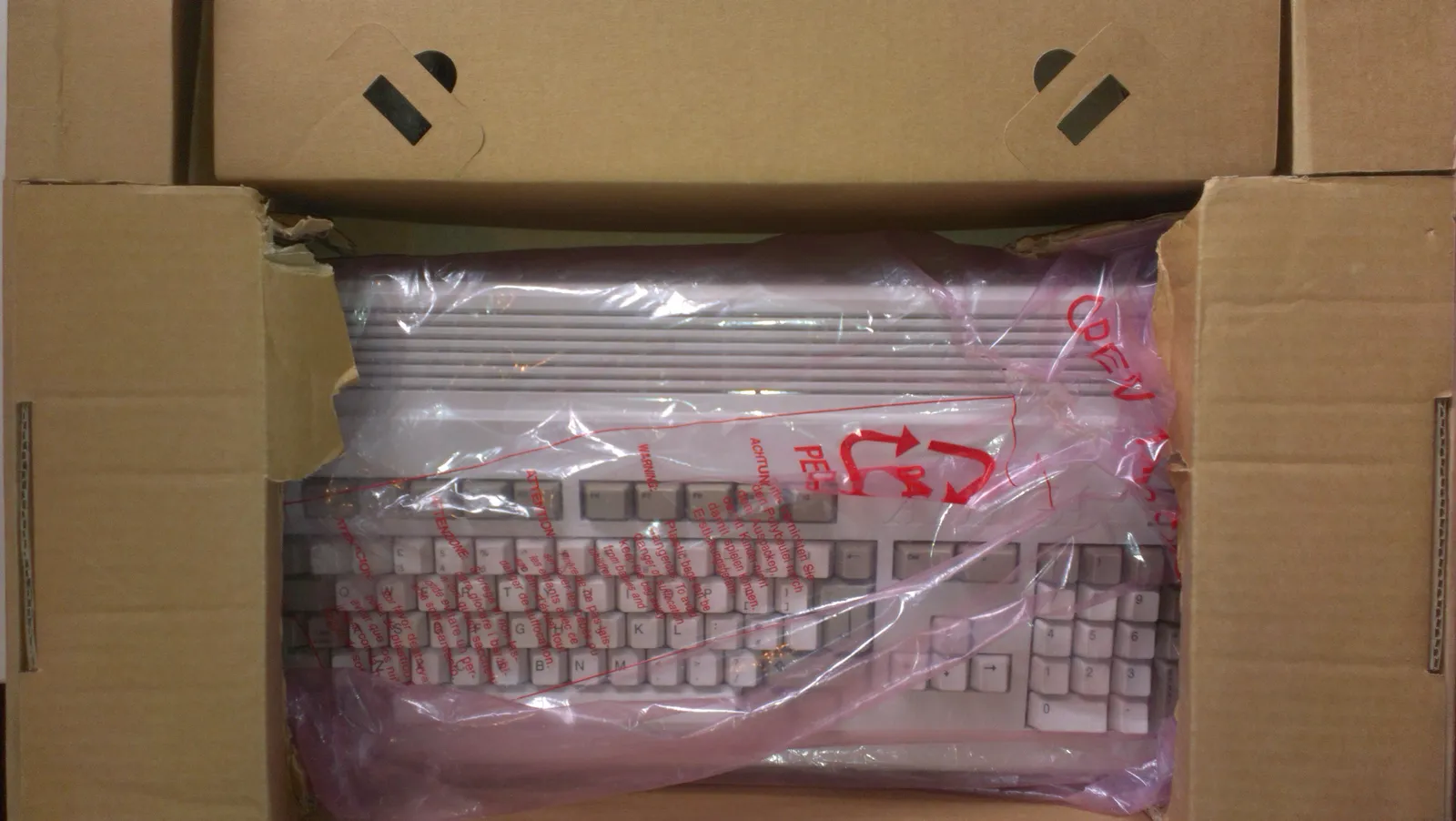
Commodore released the Amiga 1200 keyboard computer in 1992 as the successor to the unsuccessful Amiga 600. Its introductory price in Germany was 899 DM.
Photo: own photograph
Open page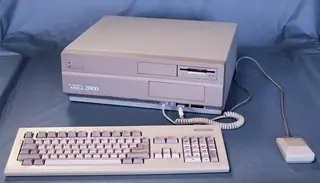
The Amiga 2000 appeared in March 1987 as a large, expandable Amiga for professional users, priced at US$1,495. Commodore's German division played the leading …
Model illustration · Image: Trafalgarcircle · Public domain · Source and original on Wikimedia Commons · WebP, resized where necessary
Open page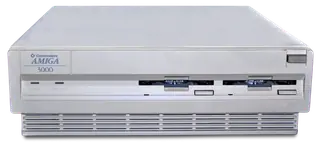
Commodore manufactures the Amiga 3000 between June 1990 and 1992, which represents a complete new development towards a high-end graphics workstation. The …
Model illustration · Image: "Joe Smith" (Uploader of original was Joeinwap at en.wikipedia (Changes made by Ubcule)) · Public domain · Source and original on Wikimedia Commons · WebP, resized where necessary
Open page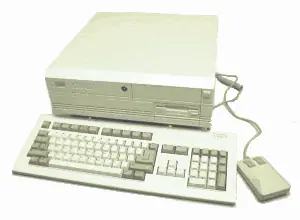
The Amiga 4000 is a further development of the Amiga 3000 and is in trade from 1992 to 1994. First Commodore installs a 25 MHz fast Motorola 68040 CPU (Amiga …
Model illustration · Image: Crb136 at English Wikipedia (Original text: Crb136) · Public domain · Source and original on Wikimedia Commons · WebP, resized where necessary
Open page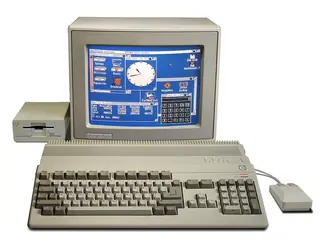
The Amiga 1000 is followed by the Amiga 2000 desktop computer in 1987 and the Amiga 500 for home users as a keyboard computer.
Model illustration · Image: Bill Bertram · CC BY-SA 2.5 · Source and original on Wikimedia Commons · WebP, resized where necessary
Open page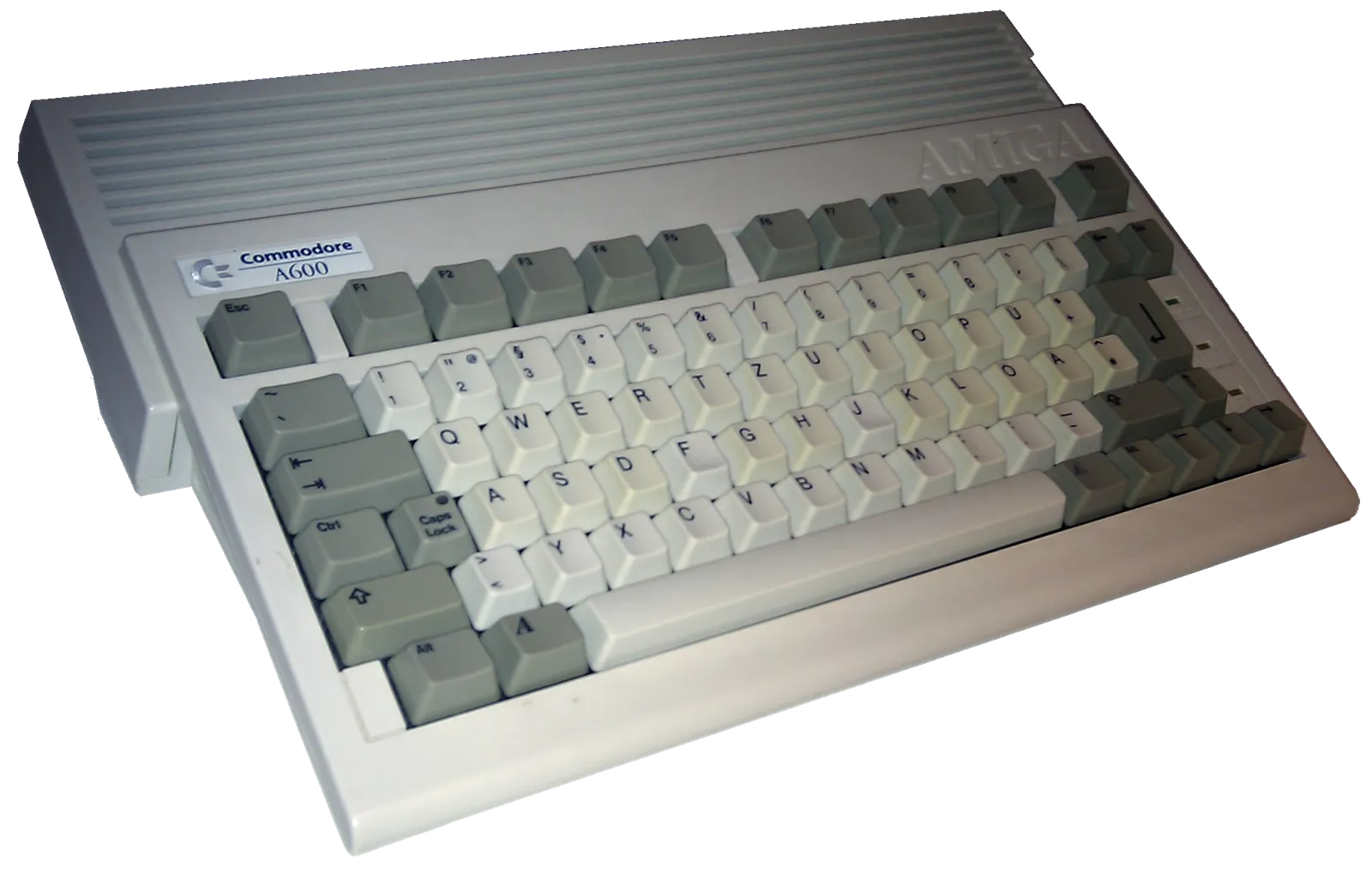
The Amiga 600 is the conclusion of the Amiga 500 series, which Commodore introduced in 1992. Like its predecessor, the Amiga 600 has a Motorola 68000 CPU – all …
Photo: own photograph
Open page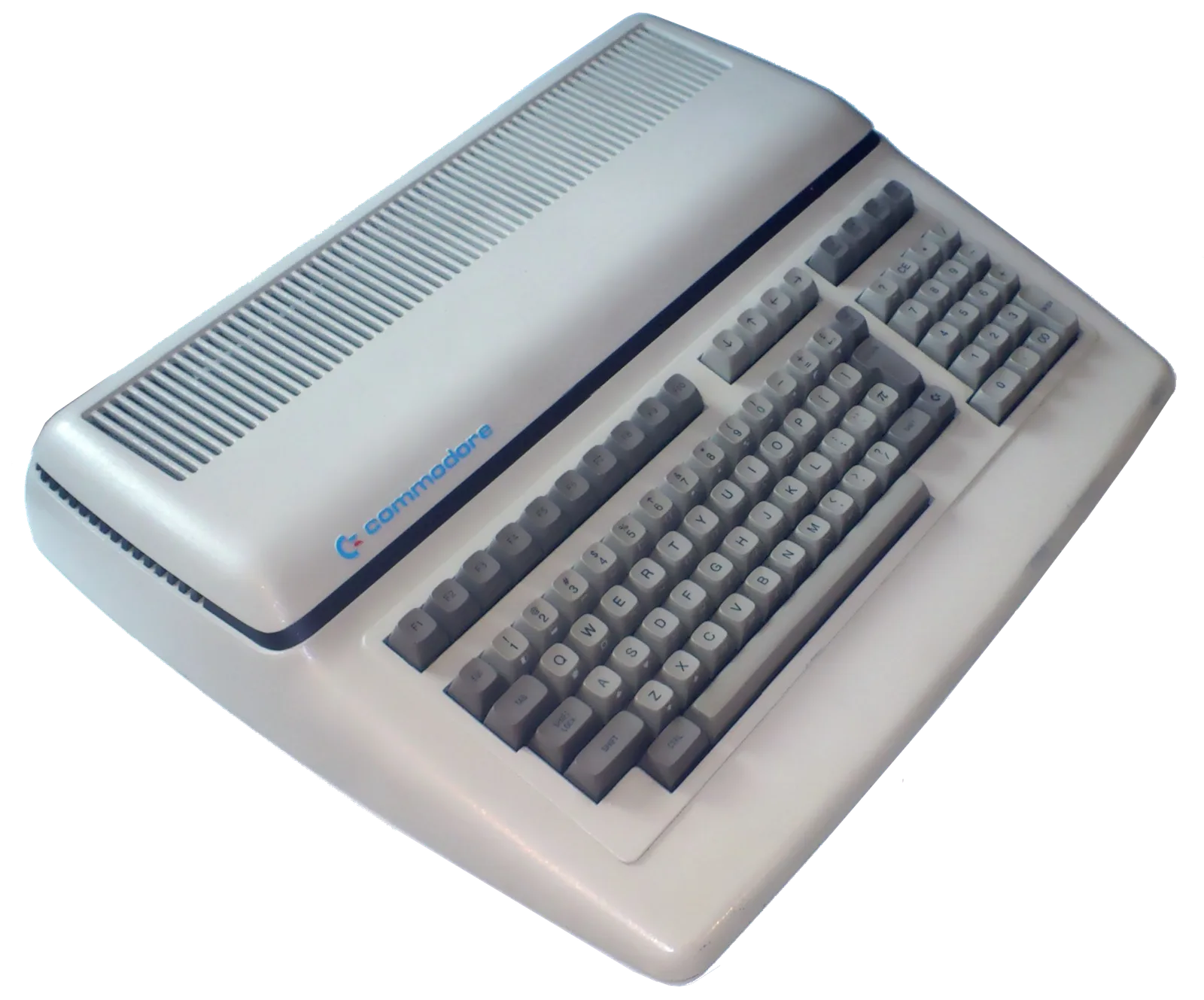
Commodore’s office computing history in the collection: a B500 with serial number WG 0066. It complements the focus on home computers.
Photo: own photograph
Open page
The Commodore C64 Games System (C64GS), which only appeared in Europe, was an attempt to market the Commodore 64 (C64, bread box) as a game console in a …
Model illustration · Image: Evan-Amos · CC BY-SA 3.0 · Source and original on Wikimedia Commons · WebP, resized where necessary
Open page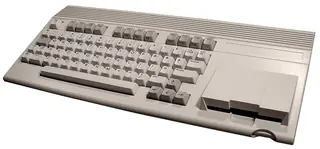
A development prototype of the C65, the planned successor to the Commodore 64, which never received a regular commercial release.
Model illustration · Image: Machine · CC BY-SA 3.0 · Source and original on Wikimedia Commons · Machine at de.wikipedia · WebP, resized where necessary
Open page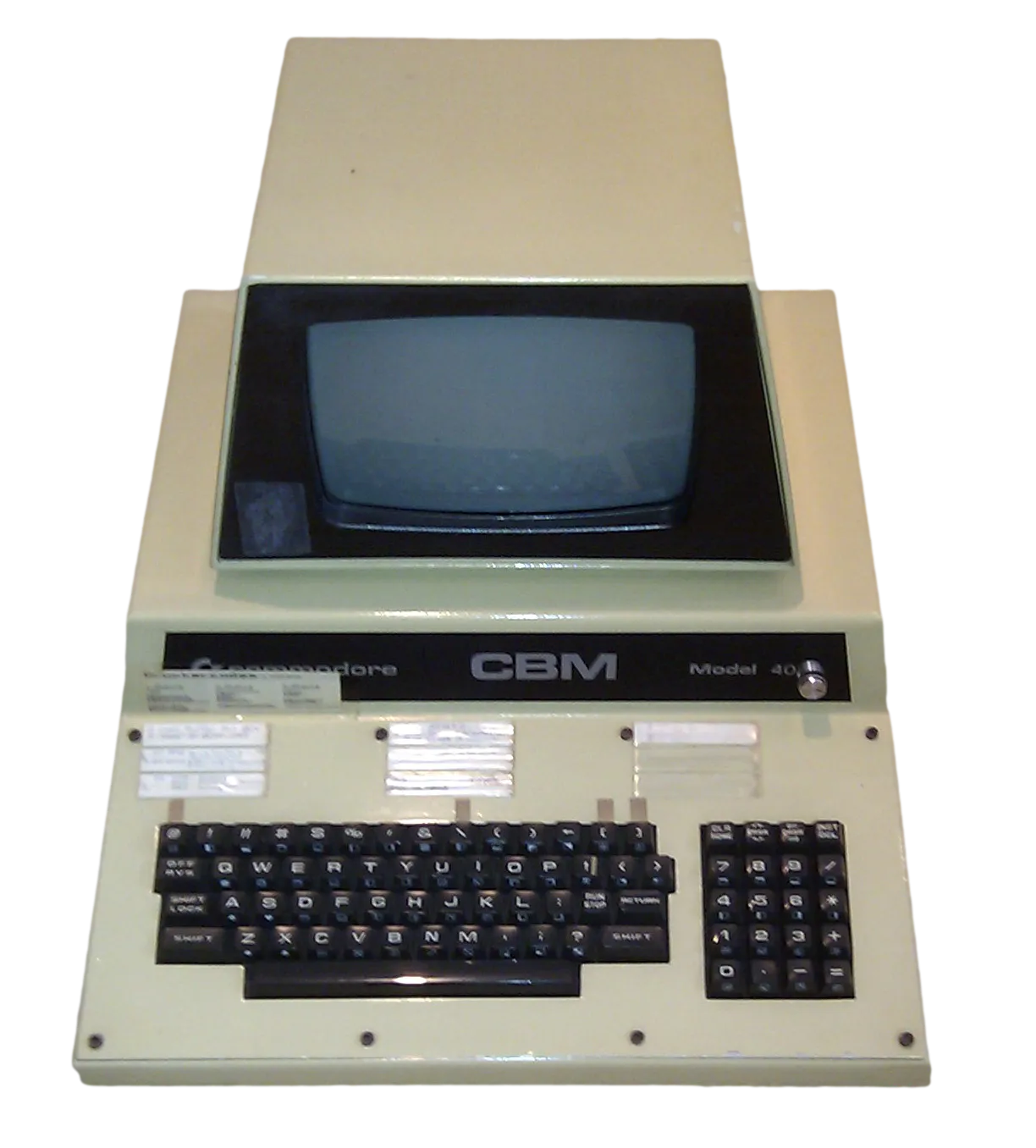
Several model series followed the Commodore PET 2001 through the mid-1980s, retaining the same basic design: screen, keyboard and computer in one case, a 1 MHz …
Photo: own photograph
Open page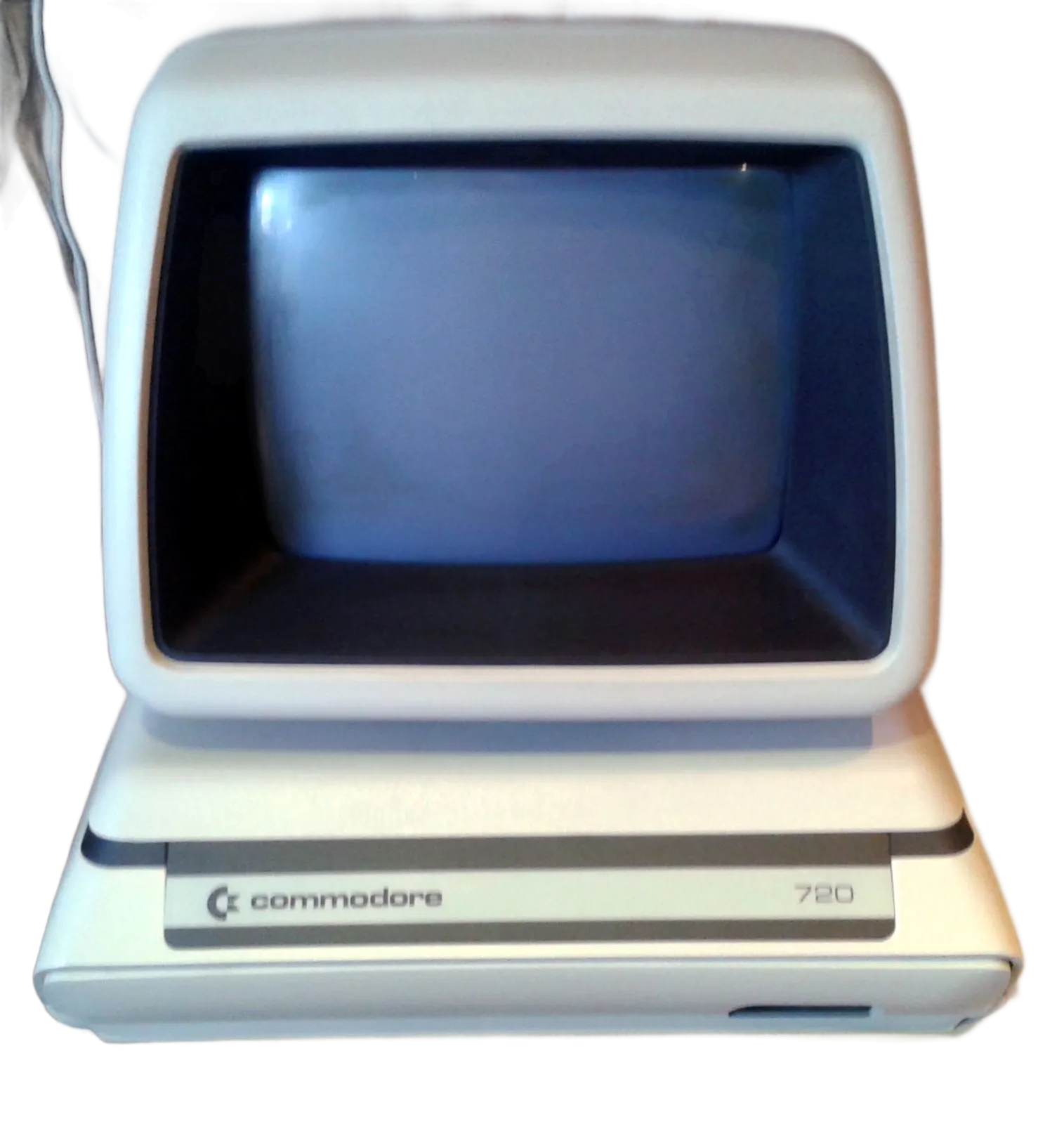
Commodore intended the CBM-II series to succeed the PET in 1982. The business models display 80 characters per line on a monochrome screen. Their MOS 6509 …
Photo: own photograph
Open pageThe CD 1200 is an infrared Commodore controller for the Commodore CDTV system. The small device integrates a keyboard, a trackball and mouse buttons.
Open page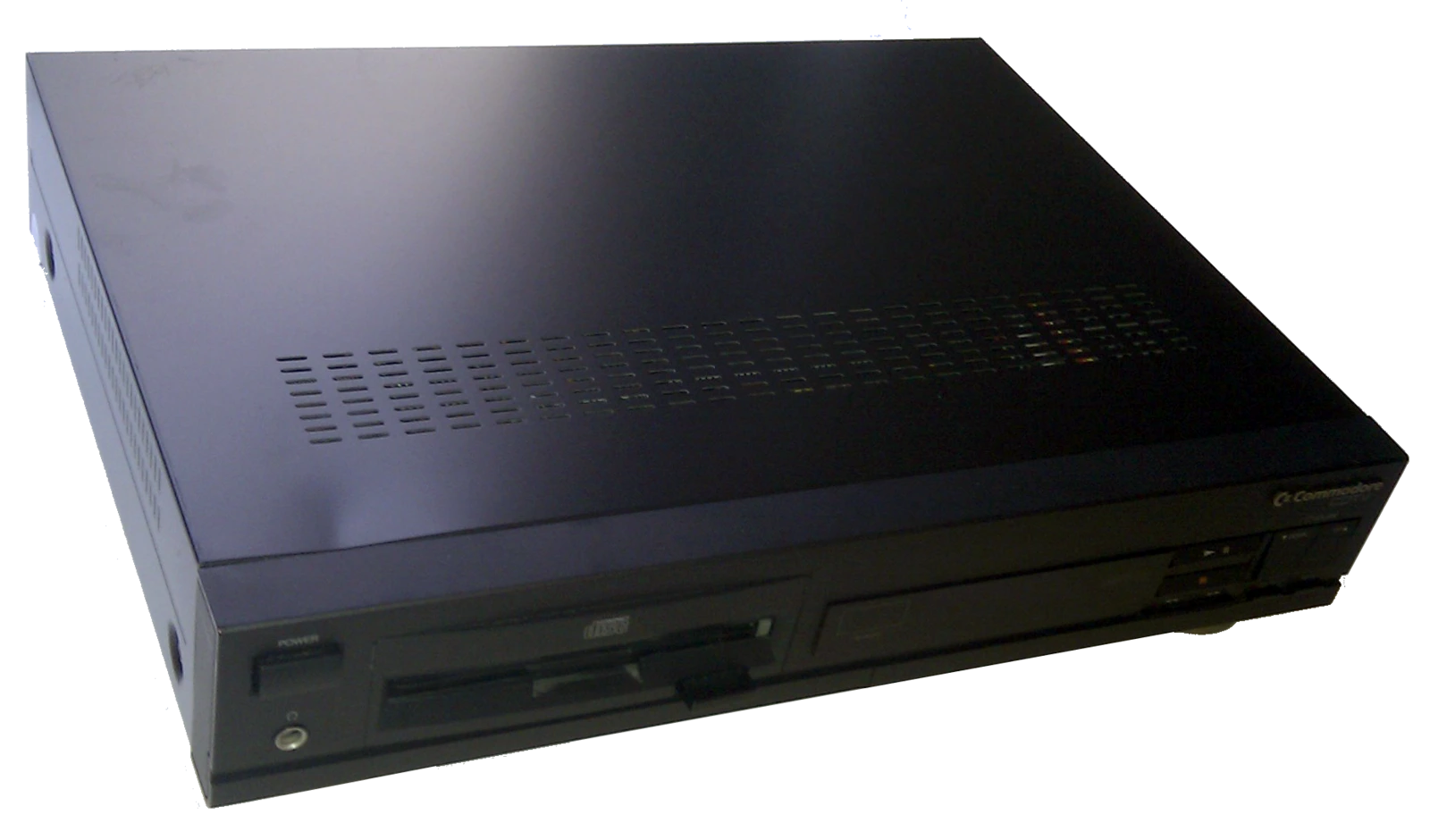
In 1991, Commodore introduced the CDTV (Commodore Dynamic Total Vision), which puts an Amiga 500 with a CD drive in a Hifi case. With the remote control, the …
Photo: own photograph
Open page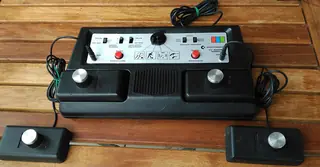
The Colour TV Game (Model 2000K) is a Pong console by Commodore.
Model illustration · Image: José Antonio Ortigueira Amor · CC BY 4.0 · Source and original on Wikimedia Commons · WebP, resized where necessary
Open page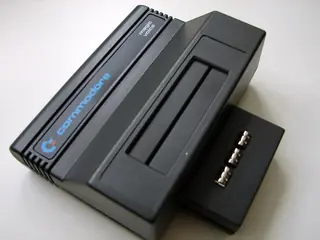
Voice output on computers has a long tradition. Before the computers were powerful for a software solution and offered good audio playback, it was hardware …
Model illustration · Image: Thomas Conté · CC BY-SA 2.0 · Source and original on Wikimedia Commons · WebP, resized where necessary
Open page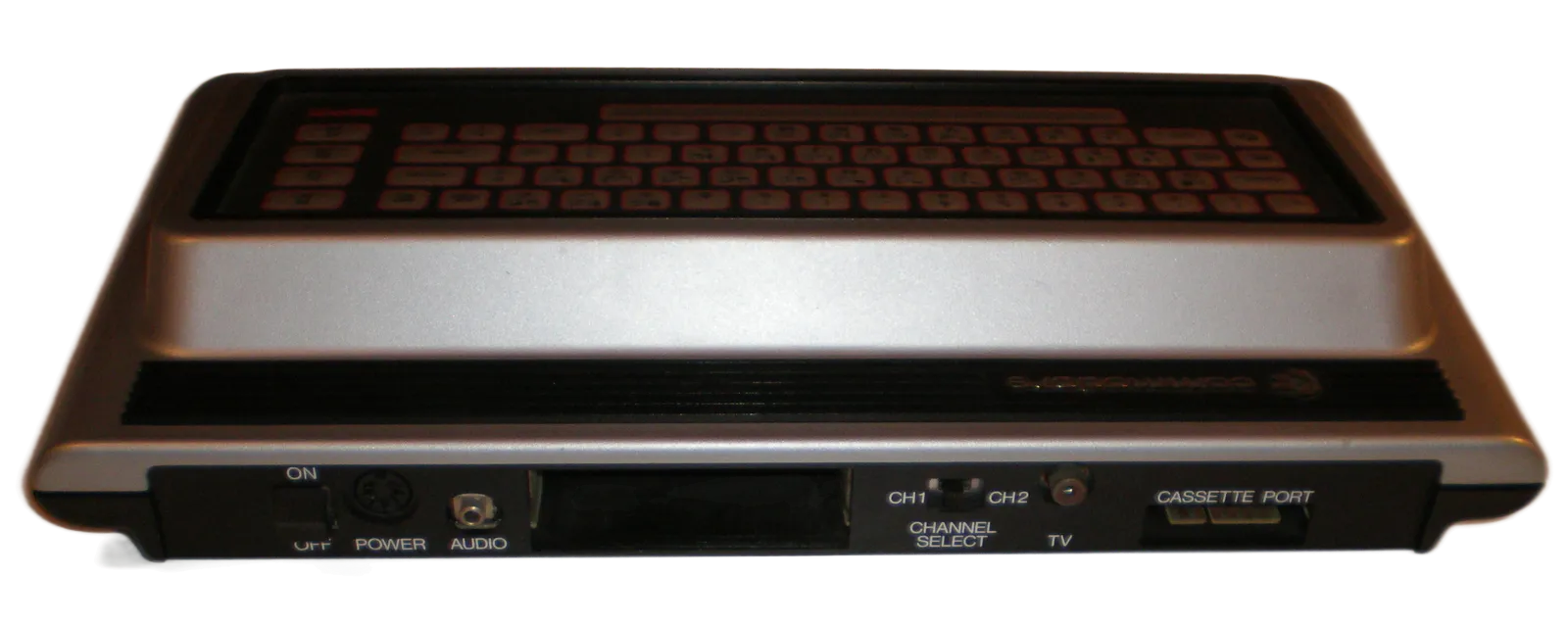
The VIC-20 is a great success, thanks to the video interface chip (VIC) produced by MOS, which produces sound and graphics. Commodore expands the VIC …
Photo: own photograph
Open page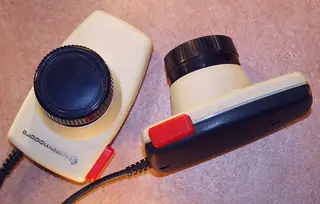
In the early 80s, Commodore released a pair of analogue paddles, model 1312, for the VC20, C64 and C128. Paddles were among the earliest input devices. While a …
Model illustration · Image: Eule64 · CC BY-SA 4.0 · Source and original on Wikimedia Commons · WebP, resized where necessary
Open page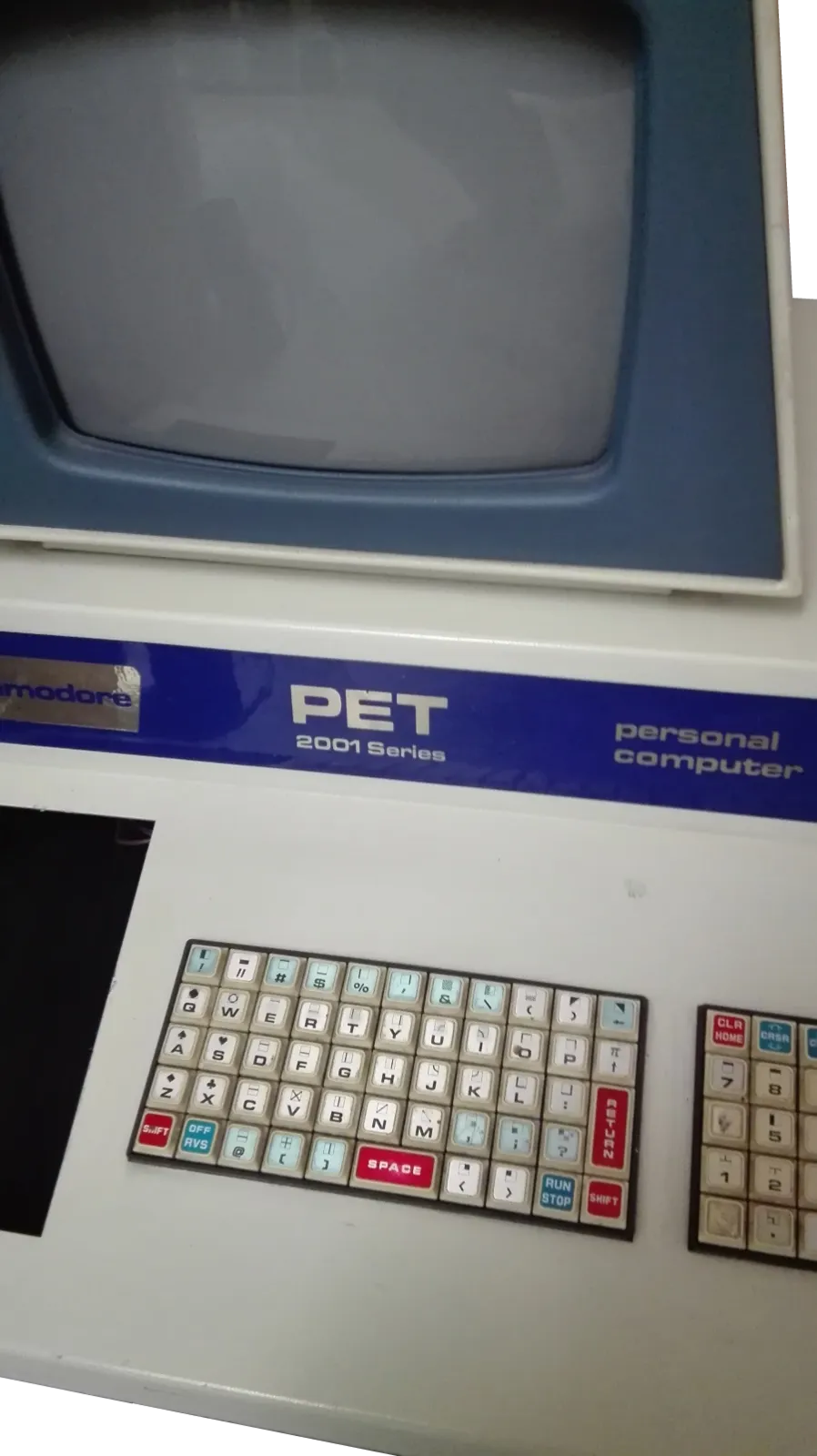
At the Consumer Electronics Show in January 1977, American company Commodore presented the Commodore PET 2001 (Personal Electronic Transactor), a computer with …
Photo: own photograph
Open page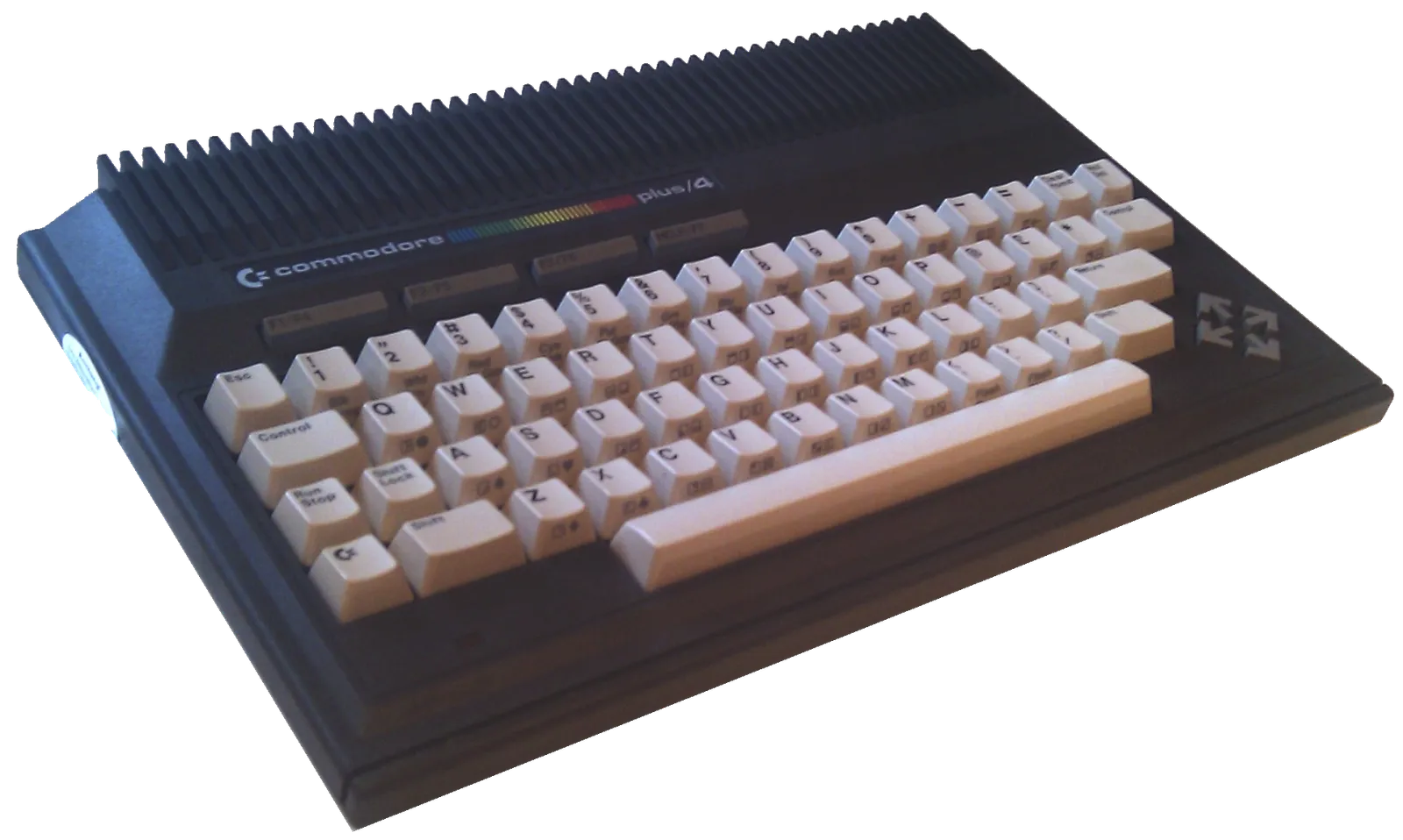
Commodore planned the Plus/4 as a cost-effective successor to the Commodore 64. The cost-effective production costs could be realized by reducing the chips …
Photo: own photograph
Open page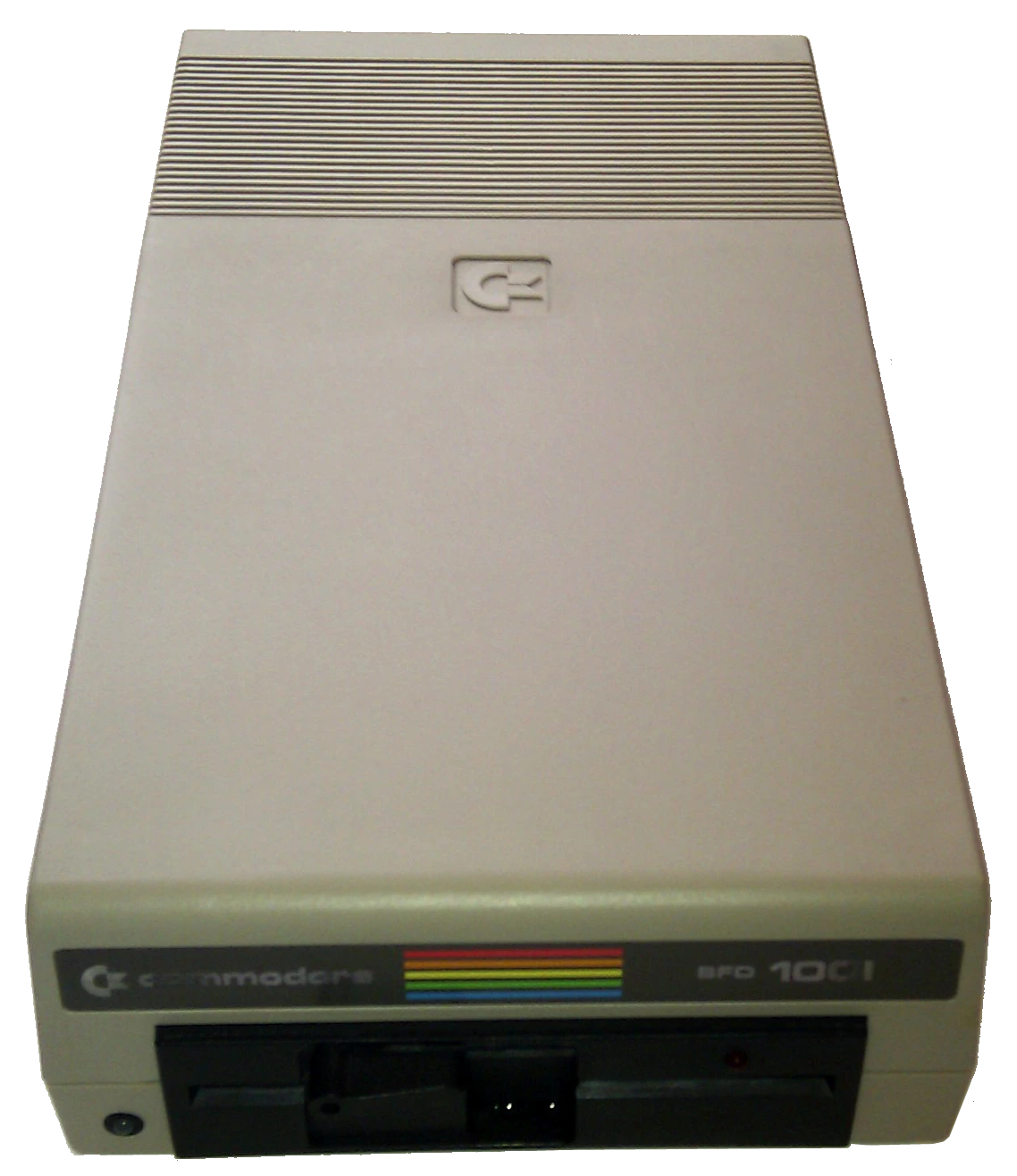
The SFD 1001 is a Commodore floppy drive with IEEE-488 interface. A floppy disk holds about 1 MB, a multiple of the 1541.
Photo: own photograph
Open page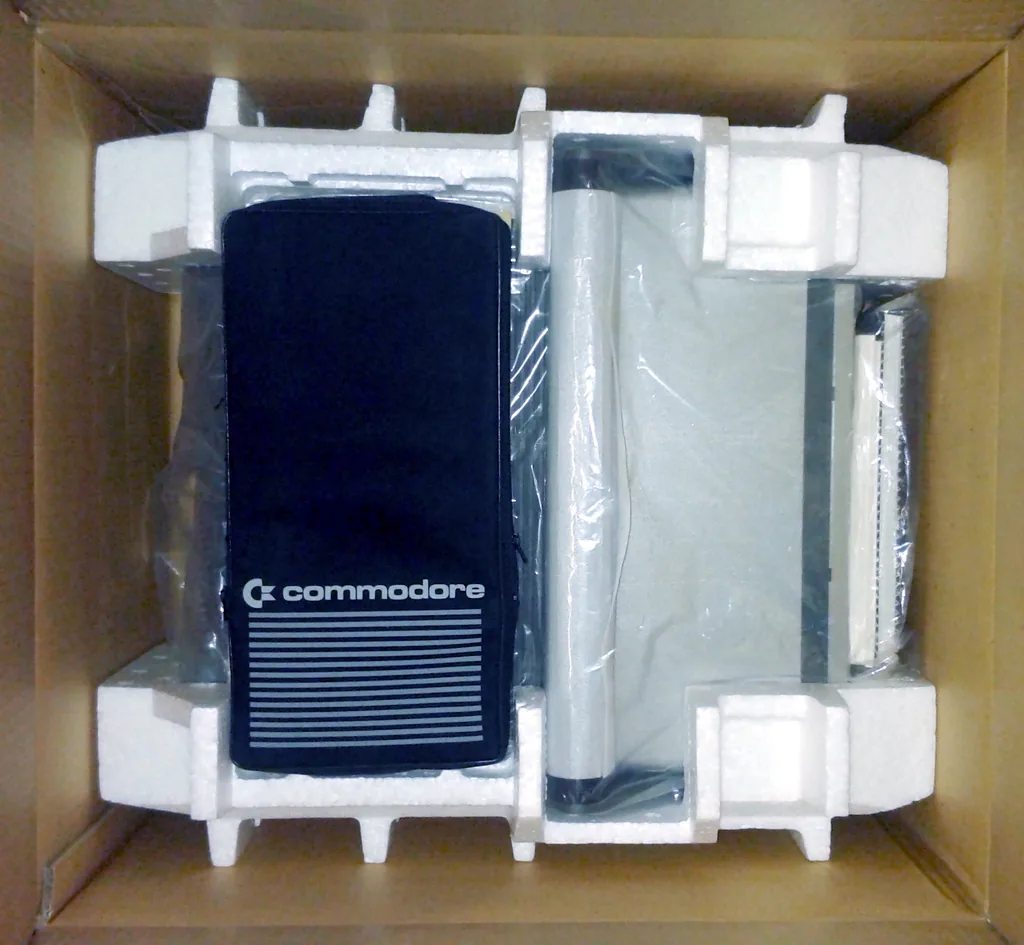
The Single Drive Executive 64 (SX-64) is a portable version of the popular C64, which Commodore launched in December 1983. It has a built-in 5 inch color …
Photo: own photograph
Open page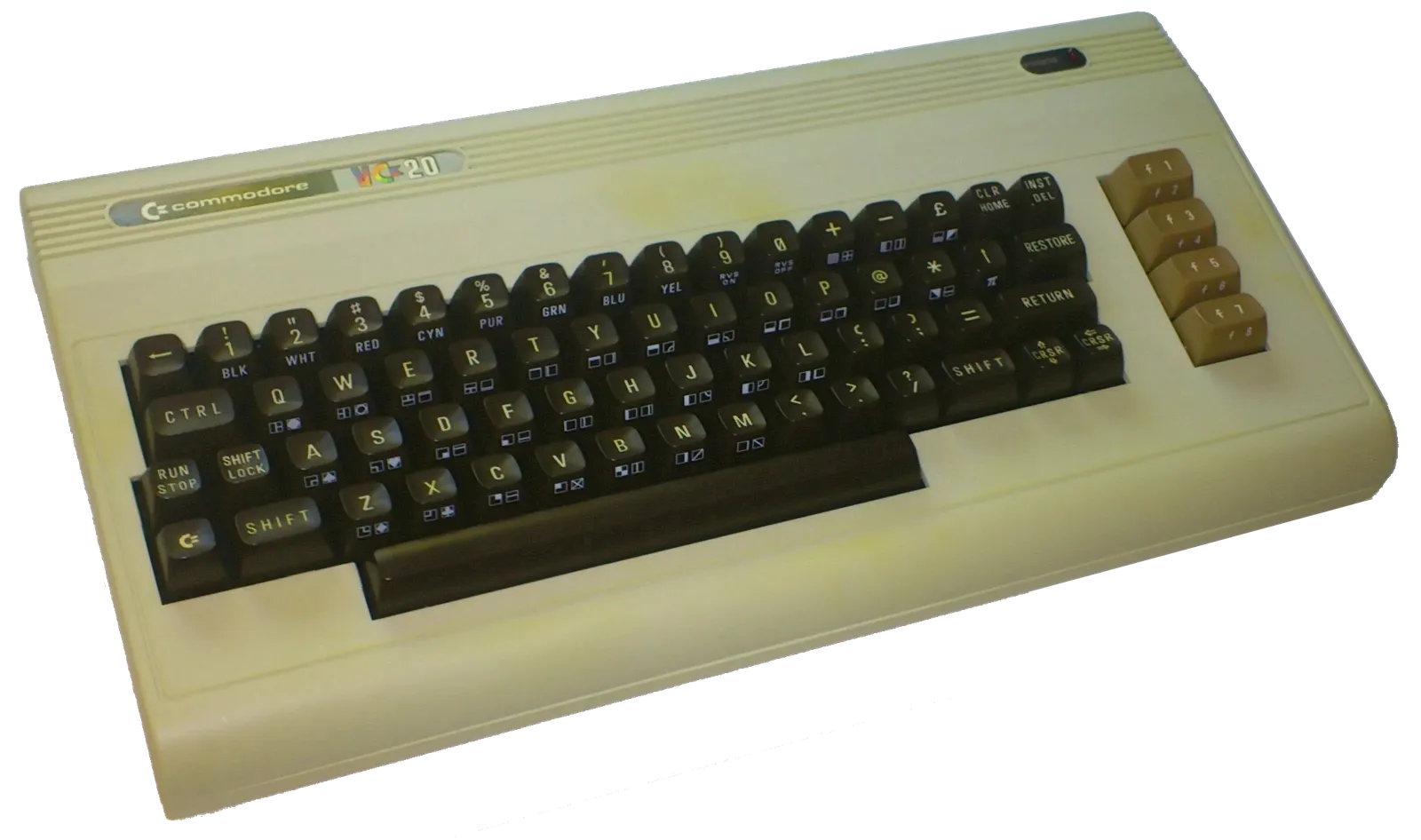
The Commodore VC 20 is, after the Commodore PET, the second computer of the American company Commodore. In addition, it is the first Commodore home computer …
Photo: own photograph
Open page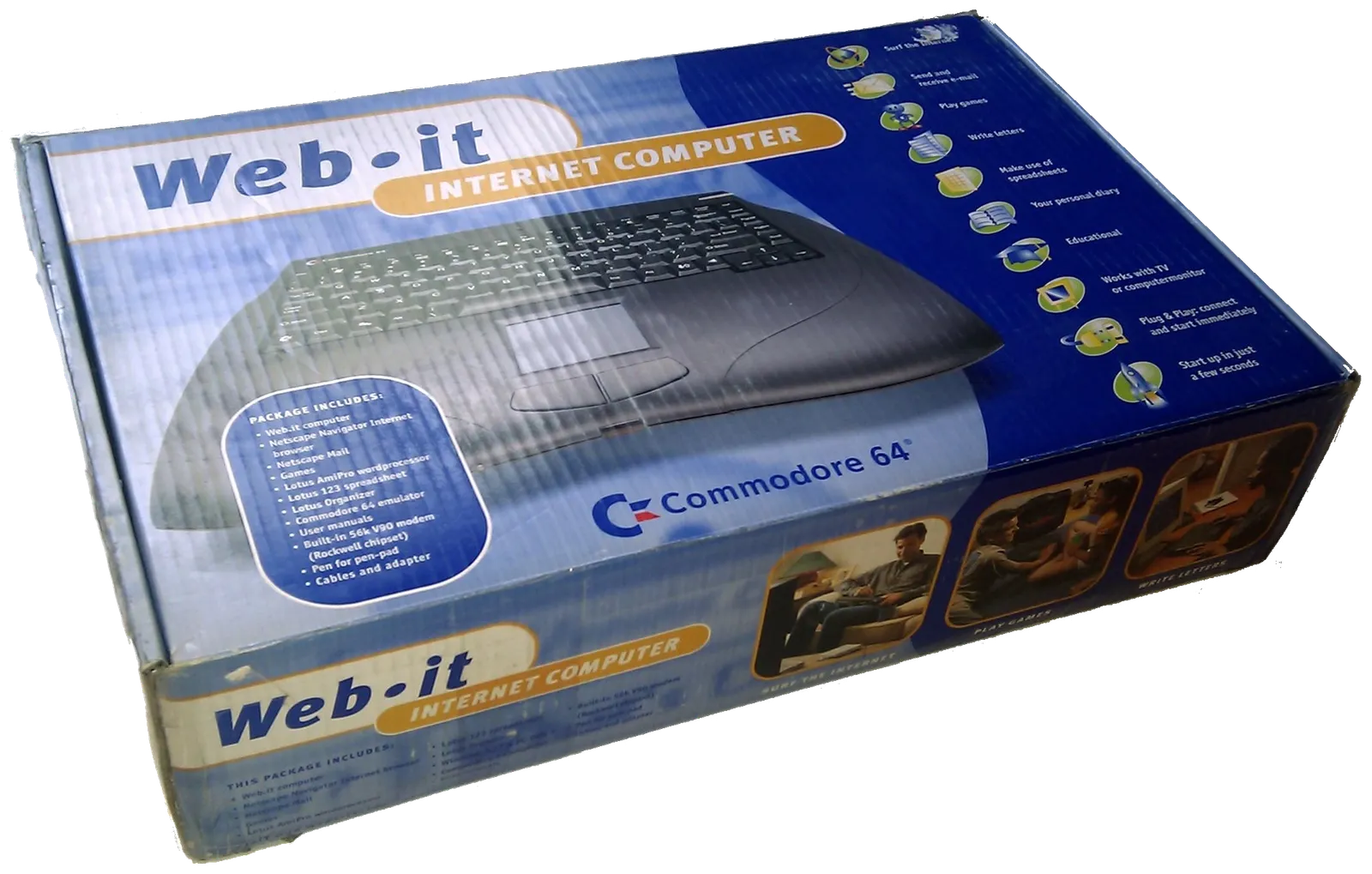
The Web.it from Web Computers International is a PC DOS 7/Windows 3.1 computer with AMD processor and pre-installed C-64 emulator. To move within the scope of …
Photo: own photograph
Open page


