99 documentation pages
Game consoles
Home game consoles in the collection up to the PlayStation 5, together with clones and retro consoles. Includes model details and quantities.
From Pong to PlayStation 5
The collection includes home video game consoles from all nine console generations. Each panel shows the number of units and some familiar models; the generation links to its section in the exhibition concept.
- Generation1
1972–1984
85units
- Generation2
1977–1988
39units
- Generation3
1983–1993
24units
- Generation4
1988–1996
34units
- Generation5
1993–2003
30units
- Generation6
1999–2004
15units
- Generation7
2005–2010
4units
- Generation8
2012–2013
5units
- Generation9
2020
1unit
- PlayStation 5
The tiles link to documentation pages. To see which objects are in the collection and in what quantities, see the inventory further down this page.
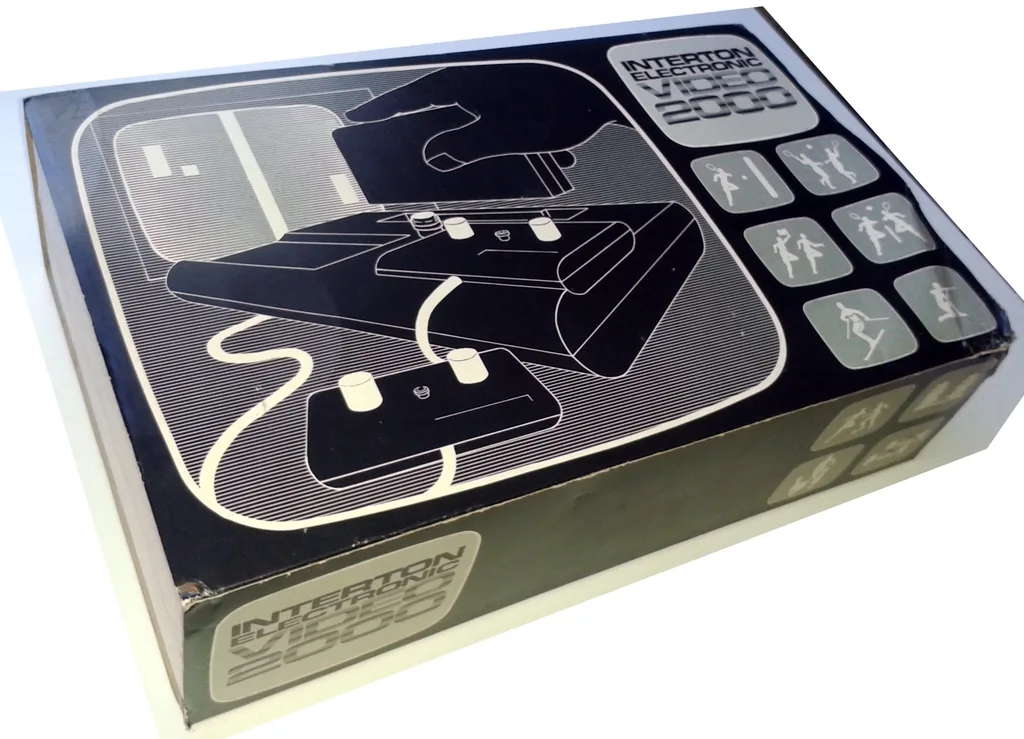
Interton Electronic Video 2000
Interton Electronic Video 2000: documented information about the manufacturer, publication, original packaging and condition of the collection device.
Photo: own photograph
Open page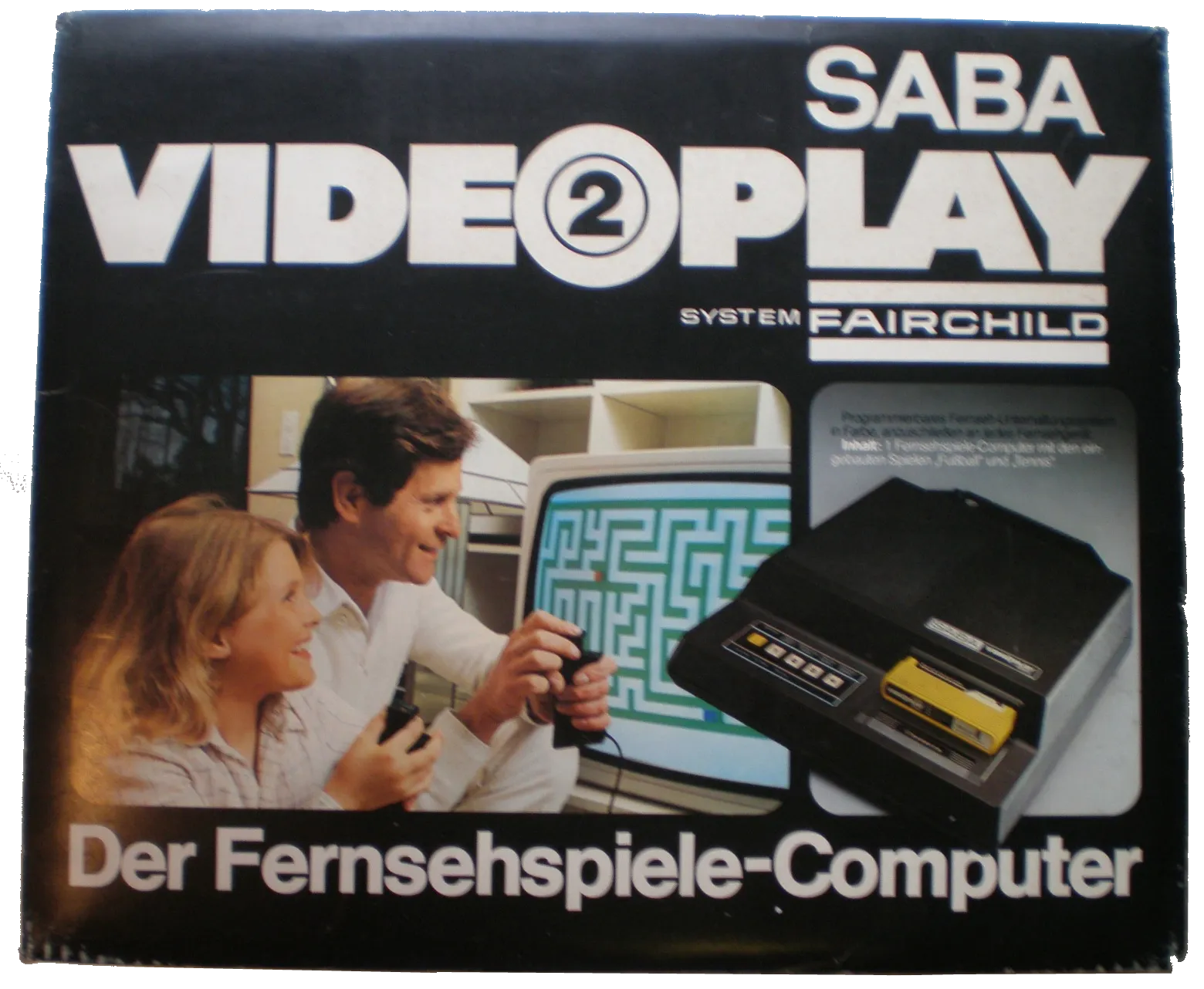
Fairchild Channel F
The Fairchild Channel F is the first real module-based console. Unlike previous consoles, which also already use modules, Channel F has an internal processor …
Photo: own photograph
Open page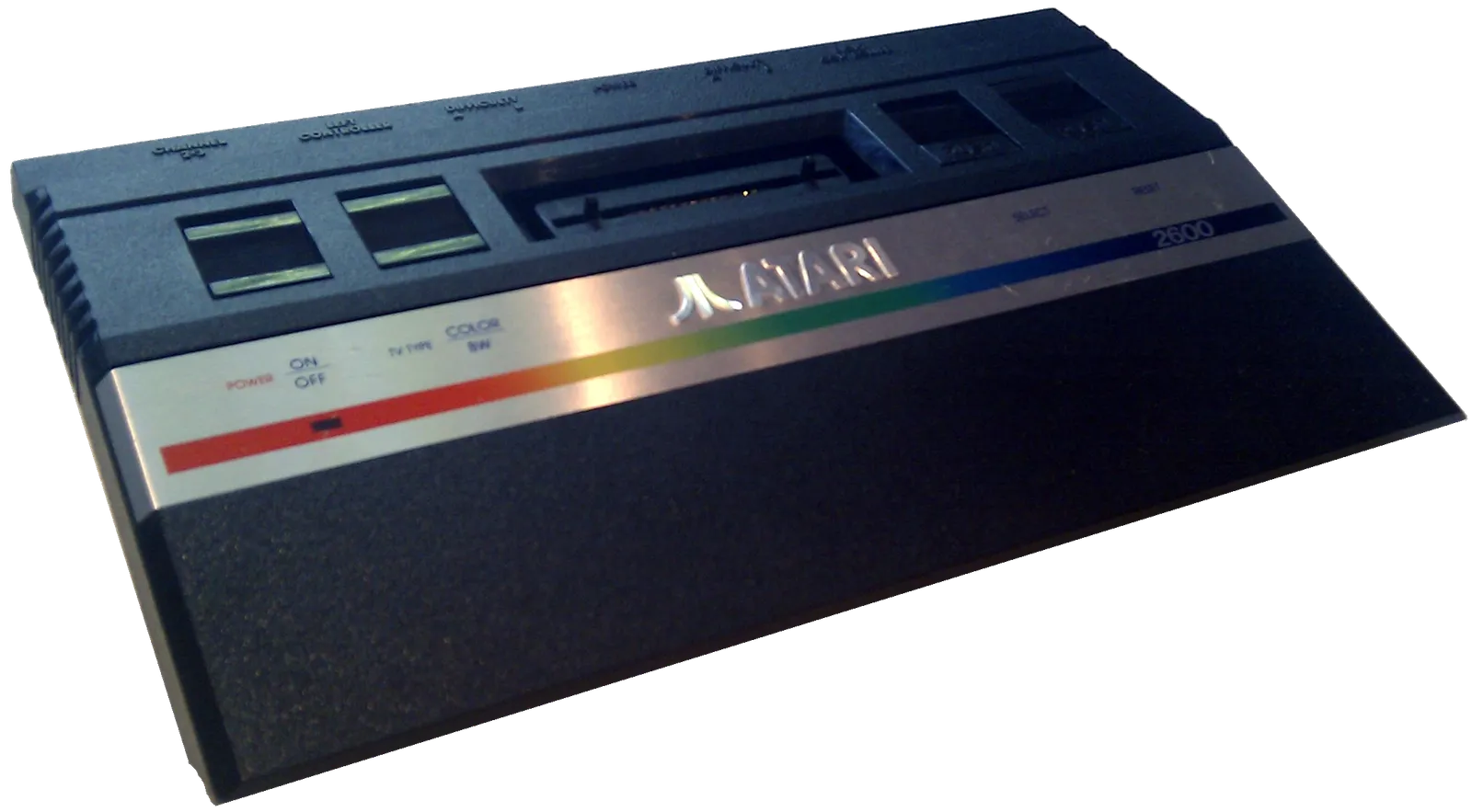
Atari 2600
The Atari 2600, originally released as the Atari VCS (Video Computer System), was among the first consoles to use interchangeable cartridges containing …
Photo: own photograph
Open page
Bally Astrocade
"Astrocade" is only the most common name of this console. The device is announced in 1977 by the US manufacturer Bally as Bally Home Library Computer, and is …
Model illustration · Image: Evan-Amos · CC BY-SA 3.0 · Source and original on Wikimedia Commons · WebP, resized where necessary
Open page
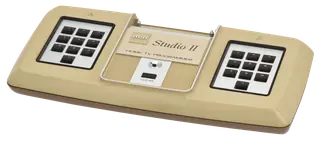
RCA Studio II
Studio II is technically much inferior to Channel F, which is already available at the start of the sale, and the Atari VCS, which is only a few months later.
Model illustration · Image: Evan-Amos · CC BY-SA 3.0 · Source and original on Wikimedia Commons · WebP, resized where necessary
Open page
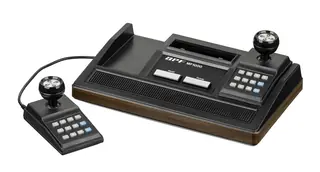
APF M1000
The M1000 is the first console that can be expanded into a home computer. Its Imagination Machine expansion is considerably larger than the console itself. It …
Model illustration · Image: Evan-Amos · Public domain · Source and original on Wikimedia Commons · WebP, resized where necessary
Open page
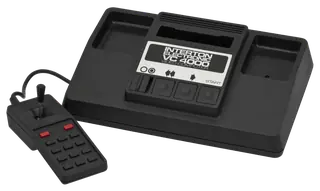
Interton VC 4000
The VC 4000 (VC for Video Computer) is a popular game console from Germany. First experience is gained by Interton with Pong consoles, such as the typical Pong …
Model illustration · Image: Evan-Amos · CC BY-SA 3.0 · Source and original on Wikimedia Commons · WebP, resized where necessary
Open page
Mustang 9016 Telegame Computer
The Mustang 9016 is a clone of RCA Studio II. Such technologically identical variants are available from the unknown systems of the second generation. Some are …
Open page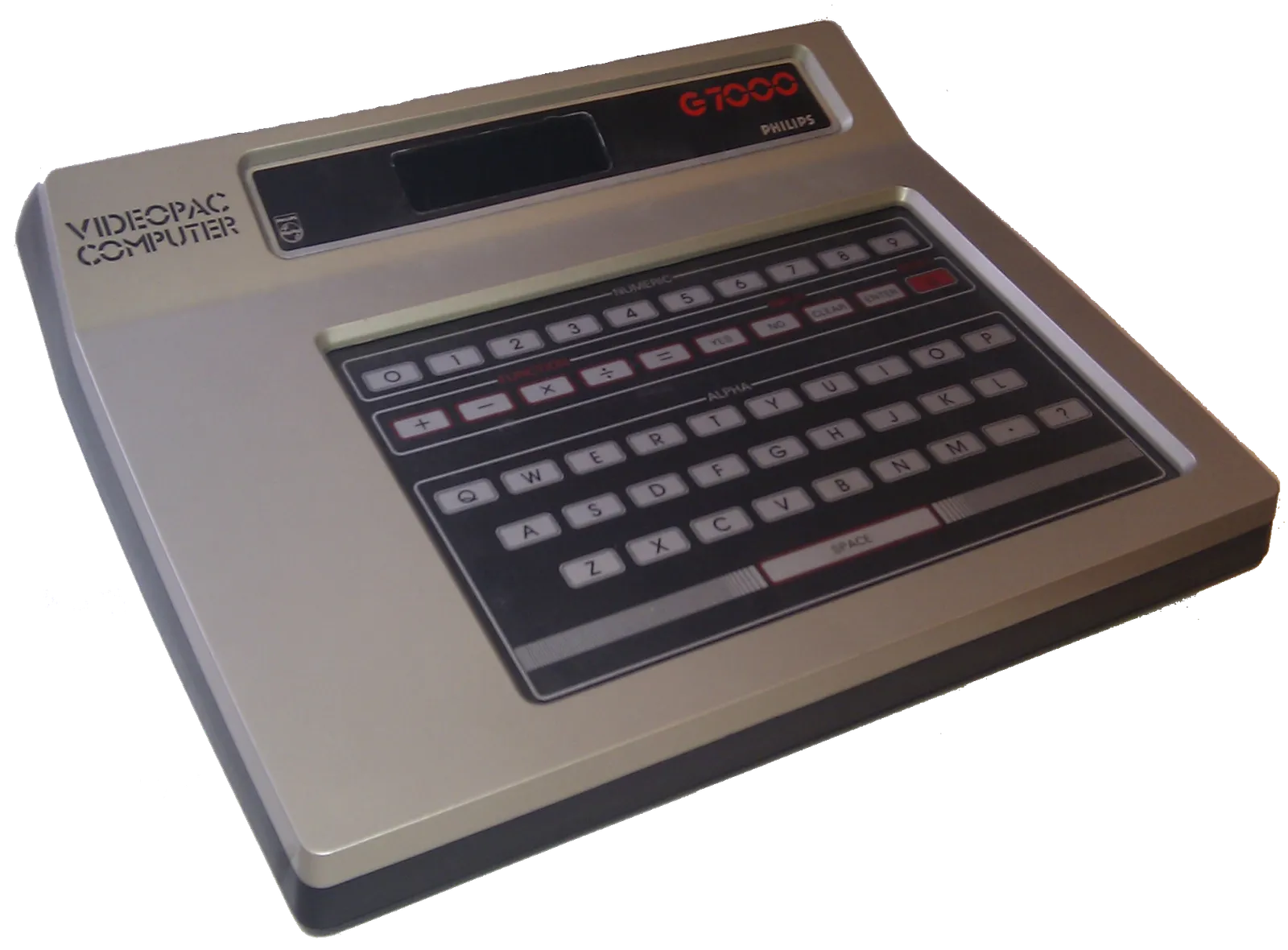
Philips Videopac G7000
Magnavox, the odyssey manufacturer, is purchased by Philips in 1974. Therefore, the Odyssey 2, the successor model of the legendary first home console, is sold …
Photo: own photograph
Open page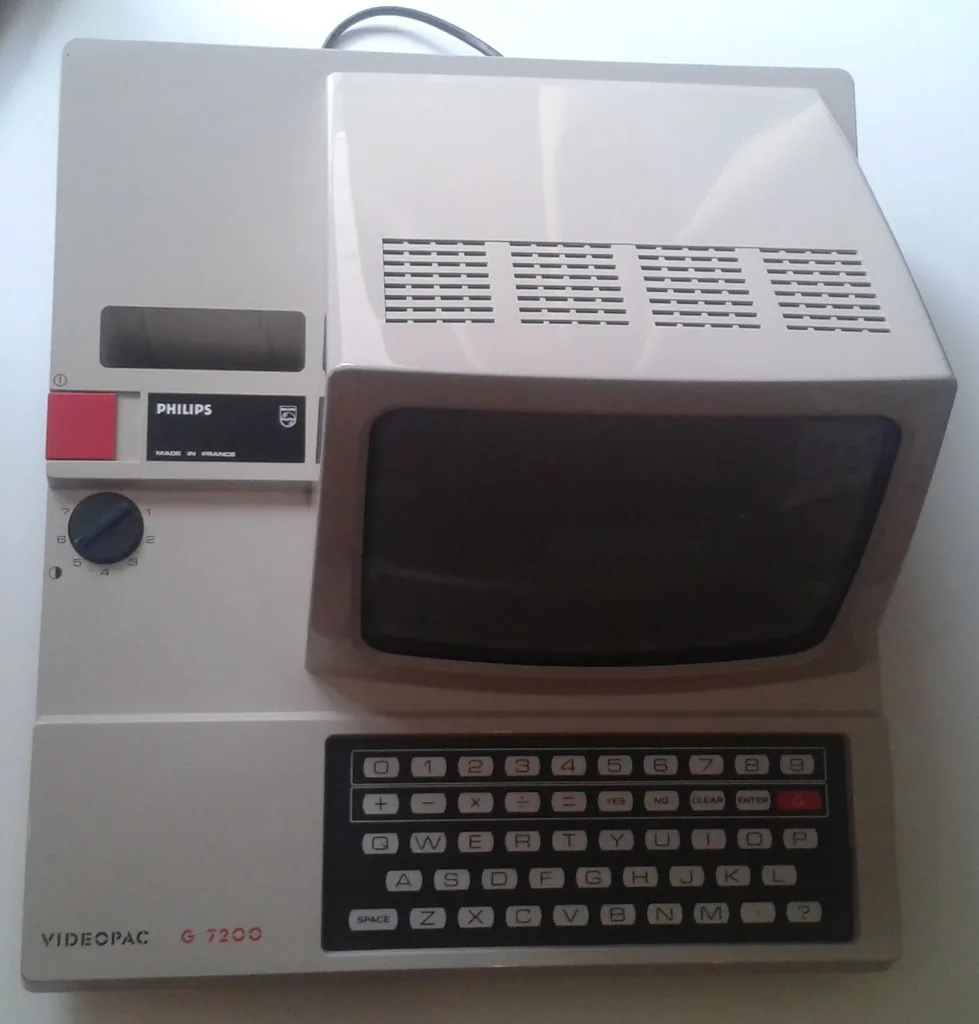
Philips Videopac G7200
The Philips Videopac G7200 is a technically identical variant of the G7000 and fully compatible with its software. It differs from the G7000 in the additional …
Photo: own photograph
Open page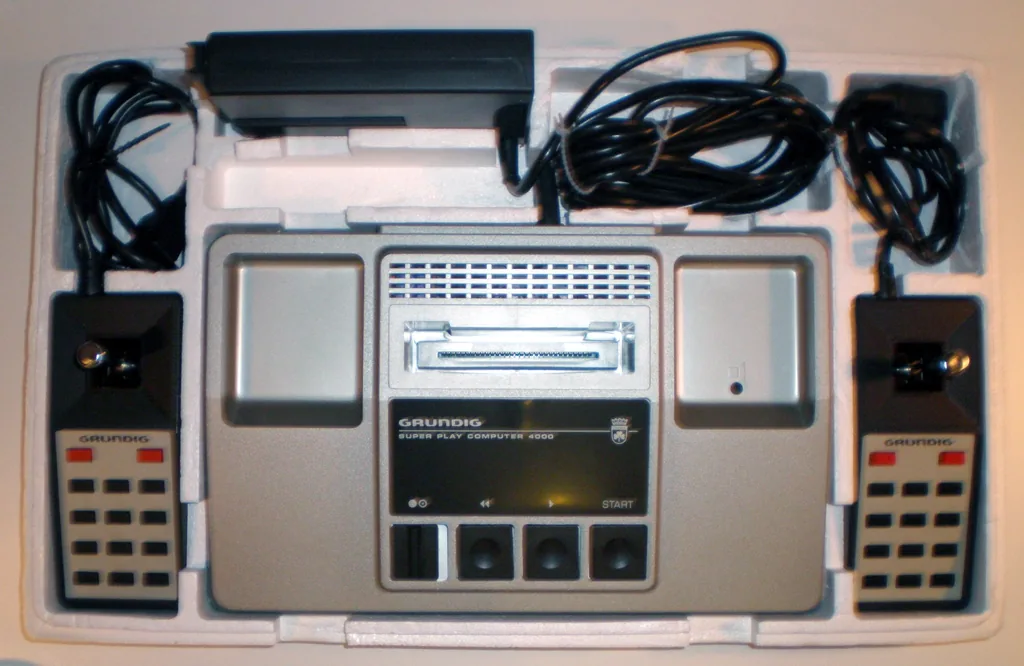
Super Play Computer 4000
The Super Play Computer 4000 is the most well-known of several compatible versions of the Interton VC4000. It is identical to the VC4000, apart from the color …
Photo: own photograph
Open page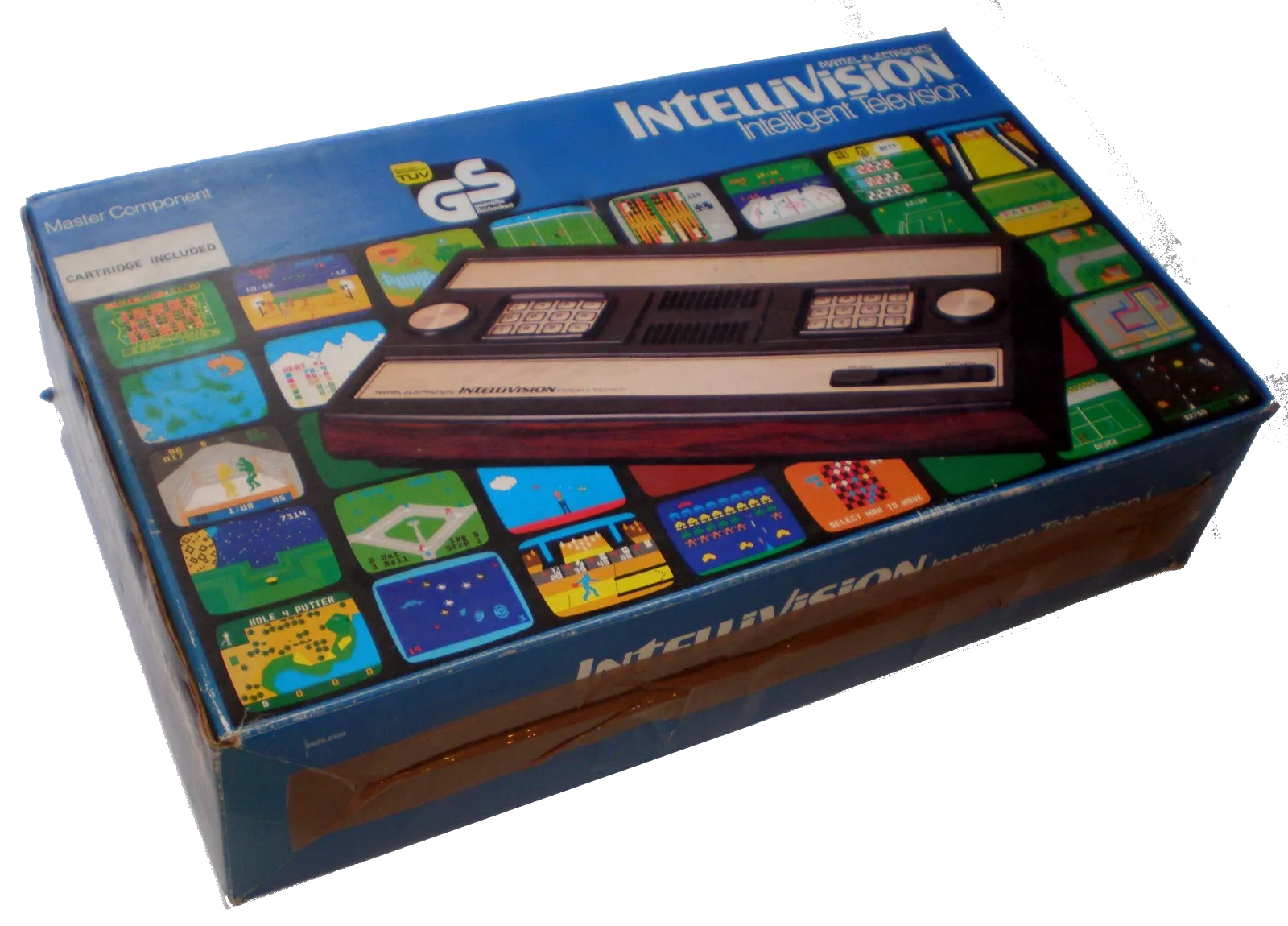
Intellivision
Faced with Atari’s dominance, Mattel initially hesitated to enter the console business and concentrated on handhelds. Their great success encouraged the …
Photo: own photograph
Open page
Epoch Cassette Vision
The Cassette Vision is the only Japanese system in the second generation. Unlike the name suggests, it does not use magnetic tape cassettes, but also modules …
Model illustration · Image: Evan-Amos · CC BY-SA 3.0 · Source and original on Wikimedia Commons · WebP, resized where necessary
Open page
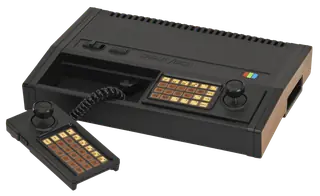
Vtech CreatiVision
Since VTech is based in Hong Kong, the CreatiVision, although the latest hardware is installed, can be produced extremely cheaply and is priced below Atari and …
Model illustration · Image: Evan-Amos · CC BY-SA 3.0 · Source and original on Wikimedia Commons · WebP, resized where necessary
Open page
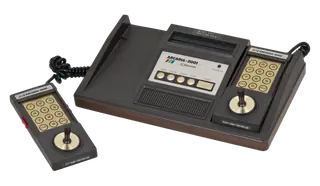
Arcadia 2001
US manufacturer Emerson saves time and money when entering the home console market by licensing existing technology from British manufacturer Radofin: Arcadia …
Model illustration · Image: Evan-Amos · CC BY-SA 3.0 · Source and original on Wikimedia Commons · WebP, resized where necessary
Open page
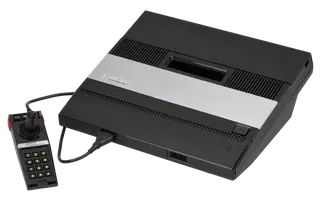
Atari 5200
The Atari 5200 is the successor of the Atari 2600. Technically it corresponds to the home computers Atari 400 and 800, there are different connections for …
Model illustration · Image: Evan-Amos · Public domain · Source and original on Wikimedia Commons · WebP, resized where necessary
Open page
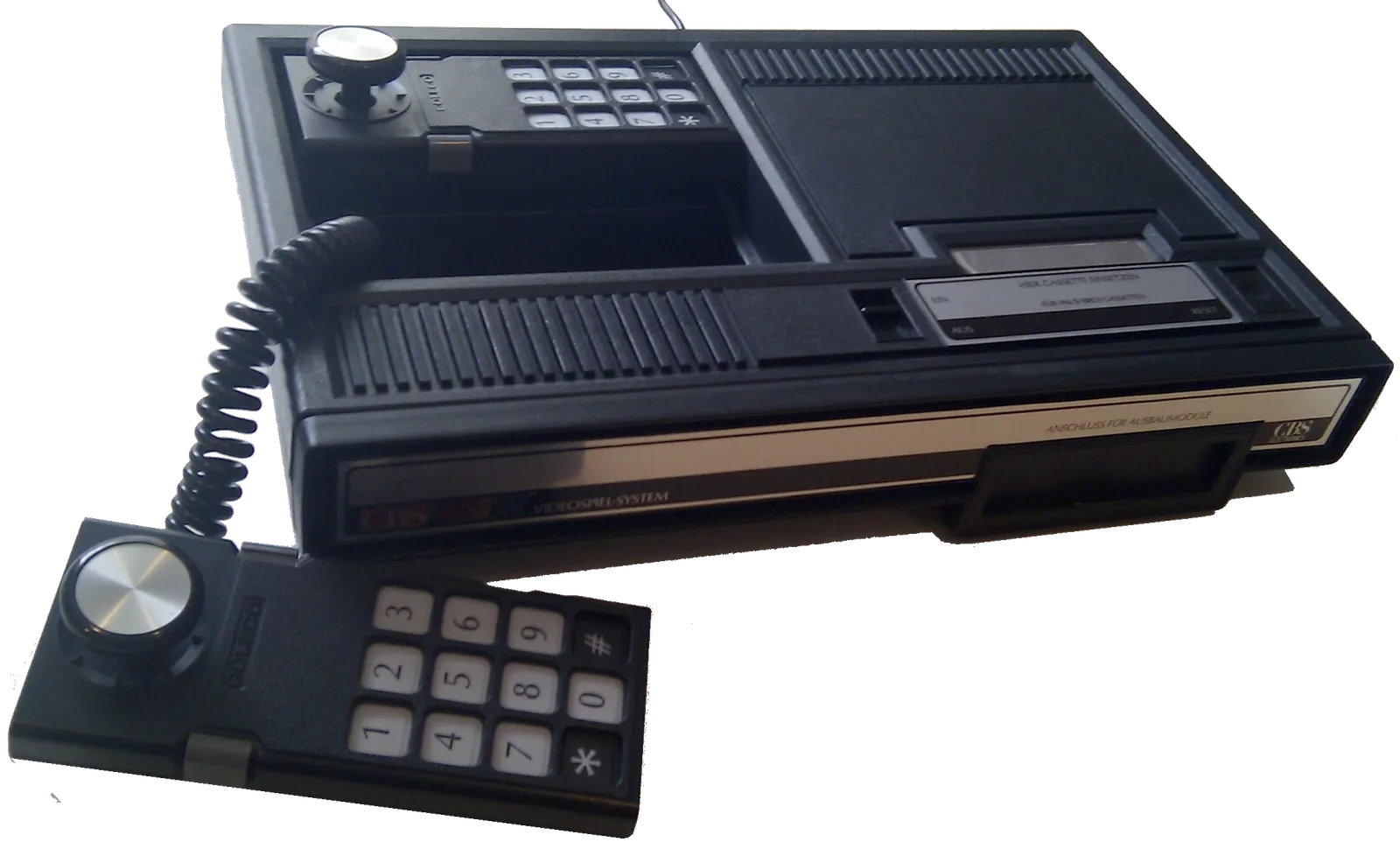
ColecoVision
Toy manufacturer Coleco has already produced pong clones, but will only publish its module-based console at a time when the market is already divided. But the …
Photo: own photograph
Open page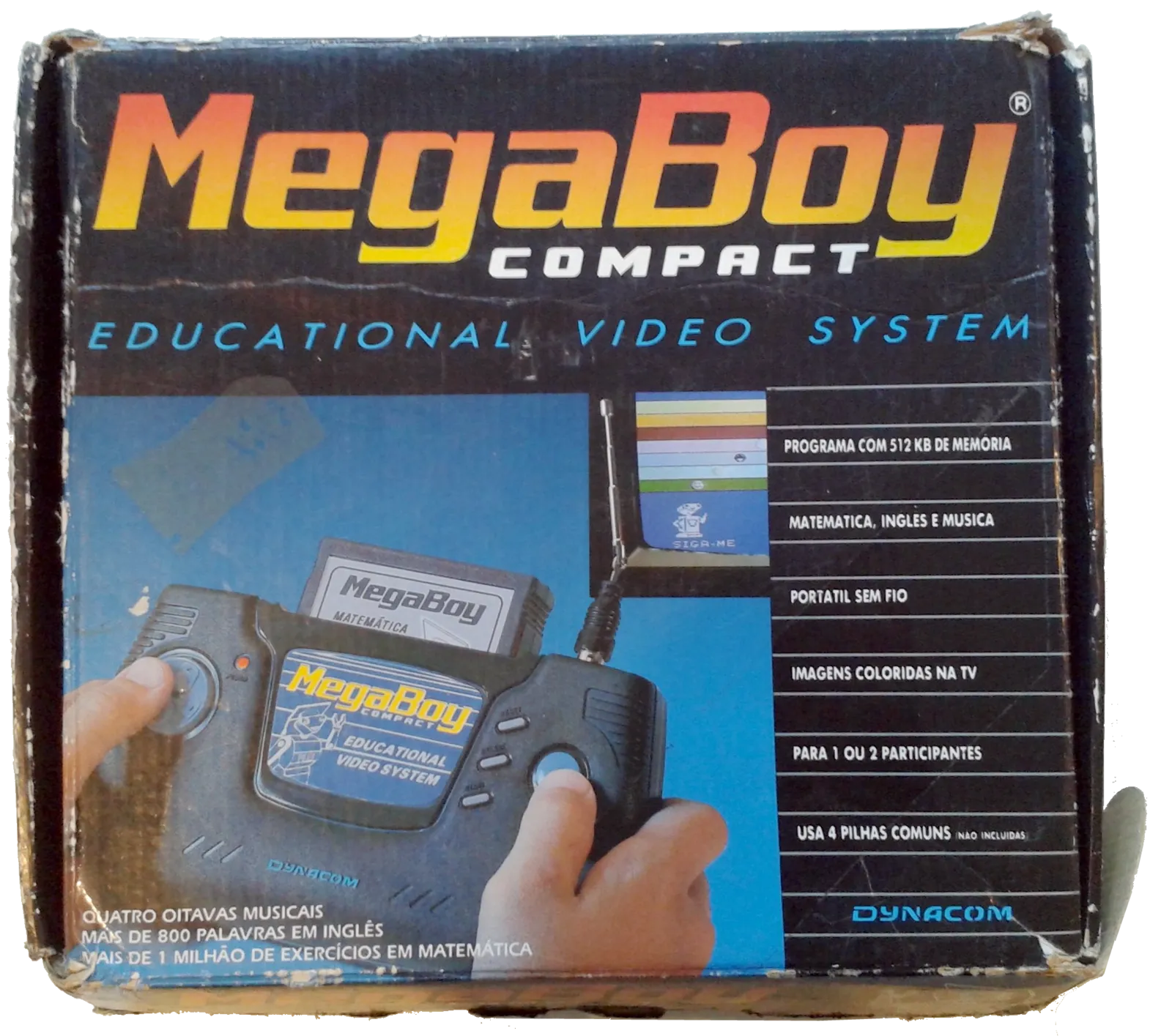
Dynacom MegaBoy
The Atari 2600 is one of the most popular game consoles of the late 1970s and there were some companies that produced legal and illegal clones. One company …
Photo: own photograph
Open pageArcadia 2001 series
Emerson Radio Corp. launched the Arcadia 2001 in the USA in 1982, using Signetics’ 2650A and 2637 chips. It was affordable and successful, establishing a …
Model illustration · Image: Evan-Amos · CC BY-SA 3.0 · Source and original on Wikimedia Commons · WebP, resized where necessary
Open page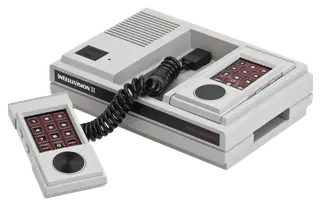
Intellivision II
The Intellivision II differs from its predecessor mainly in its modernised design. Mattel aimed to minimise production costs and economised on the controller …
Model illustration · Image: Evan-Amos · CC BY-SA 3.0 · Source and original on Wikimedia Commons · WebP, resized where necessary
Open page
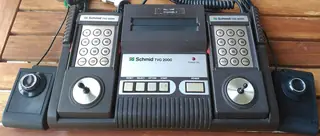
Schmid TVG 2000
Schmid TVG 2000: the entry for the game console in the device catalog of The 1000 Collection.
Model illustration · Image: José Antonio Ortigueira Amor · CC BY 4.0 · Source and original on Wikimedia Commons · WebP, resized where necessary
Open page
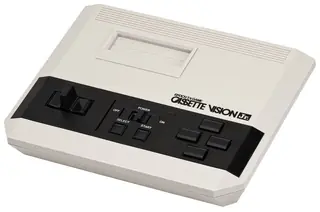
Epoch Cassette Vision Jr.
The Cassette Vision Jr. is a variant of the Cassette Vision, which is later published and offers fewer functions. Compared to the Cassette Vision, the Jr …
Model illustration · Image: Evan-Amos · Public domain · Source and original on Wikimedia Commons · WebP, resized where necessary
Open page
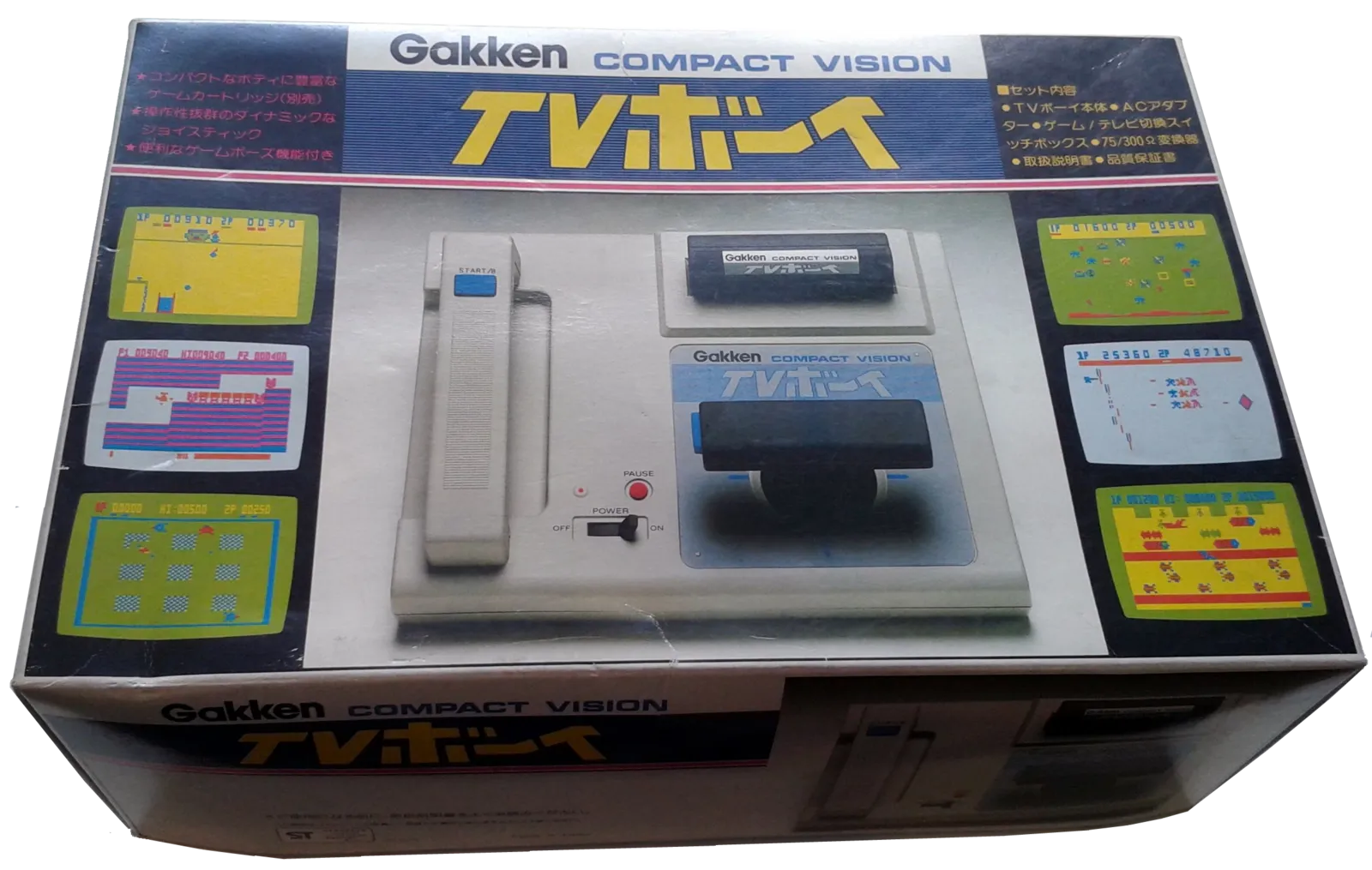
Gakken Compact Vision TV Boy
The Japanese manufacturer Gakken successfully produces electronic toys and arcade machines in the 1980s. The Compact Vision TV Boy will be released in October …
Photo: own photograph
Open page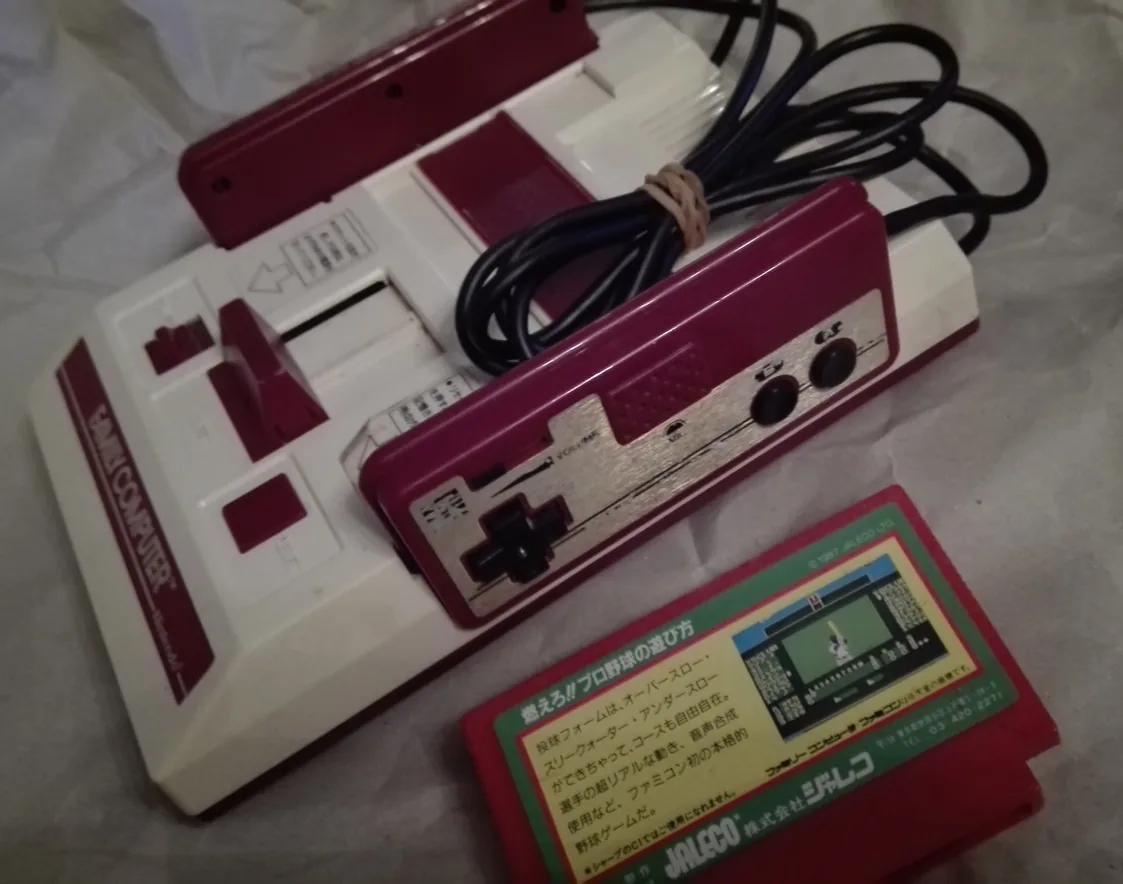
Nintendo Family Computer
In parallel to the video game crash in the West, Nintendo introduces Famicom in Japan, an abbreviation for Family Computer. In fact, the console is supposed to …
Photo: own photograph
Open page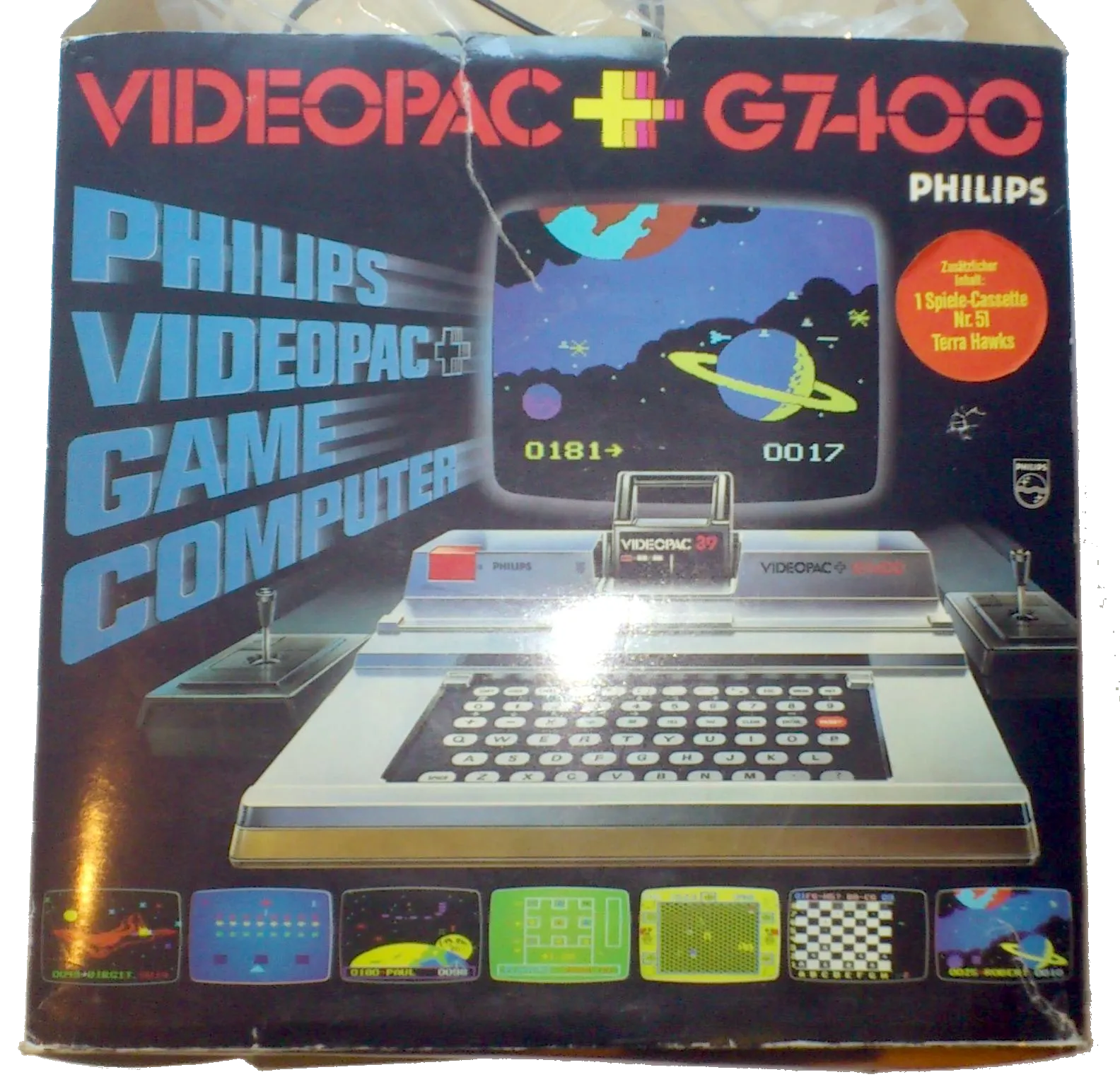
Philips Videopac+ G7400
Philips seamlessly transforms the transition between Philips Videopac G7000 and the successor model G7400. The new console has more up-to-date graphics …
Photo: own photograph
Open page
Vectrex
The Vectrex offers a technology that no other home console has before or after: the image is not built line by line, but via vectors – hence the name.
Model illustration · Image: Evan-Amos · CC BY-SA 3.0 · Source and original on Wikimedia Commons · WebP, resized where necessary
Open page
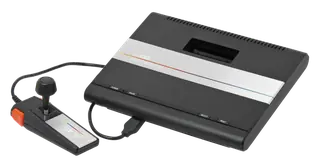
Atari 7800
After the commercial failure of the Atari 5200, the successor model Atari 7800 relied on the buyership of the Atari 2600 – the console has its own module …
Model illustration · Image: Evan-Amos · CC BY-SA 3.0 · Source and original on Wikimedia Commons · WebP, resized where necessary
Open page
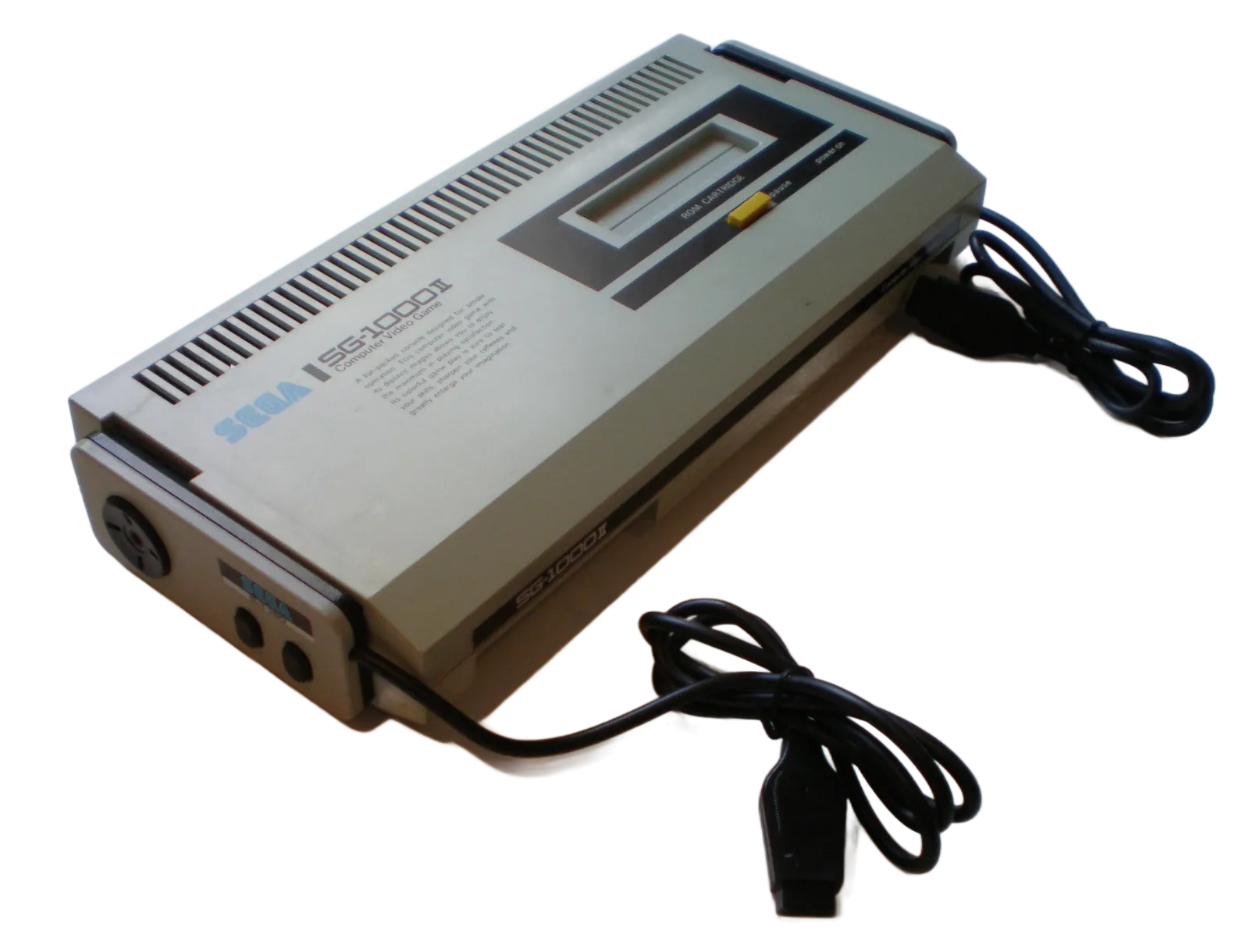
Sega SG-1000 II
The SG-1000 is the first Sega released game console to appear on the same day as Nintendo's Famicom. The system is flopping, which gives Sega managing director …
Photo: own photograph
Open page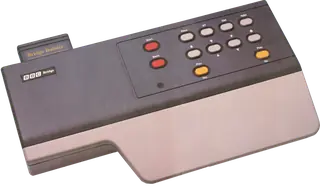
BBC Bridge Companion
On the one hand, the console market is changing after the video game crash, on the other hand, the idea of a video game is already so widespread that niche …
Model illustration · Image: Incog88 · CC BY-SA 3.0 · Source and original on Wikimedia Commons · WebP, resized where necessary
Open page
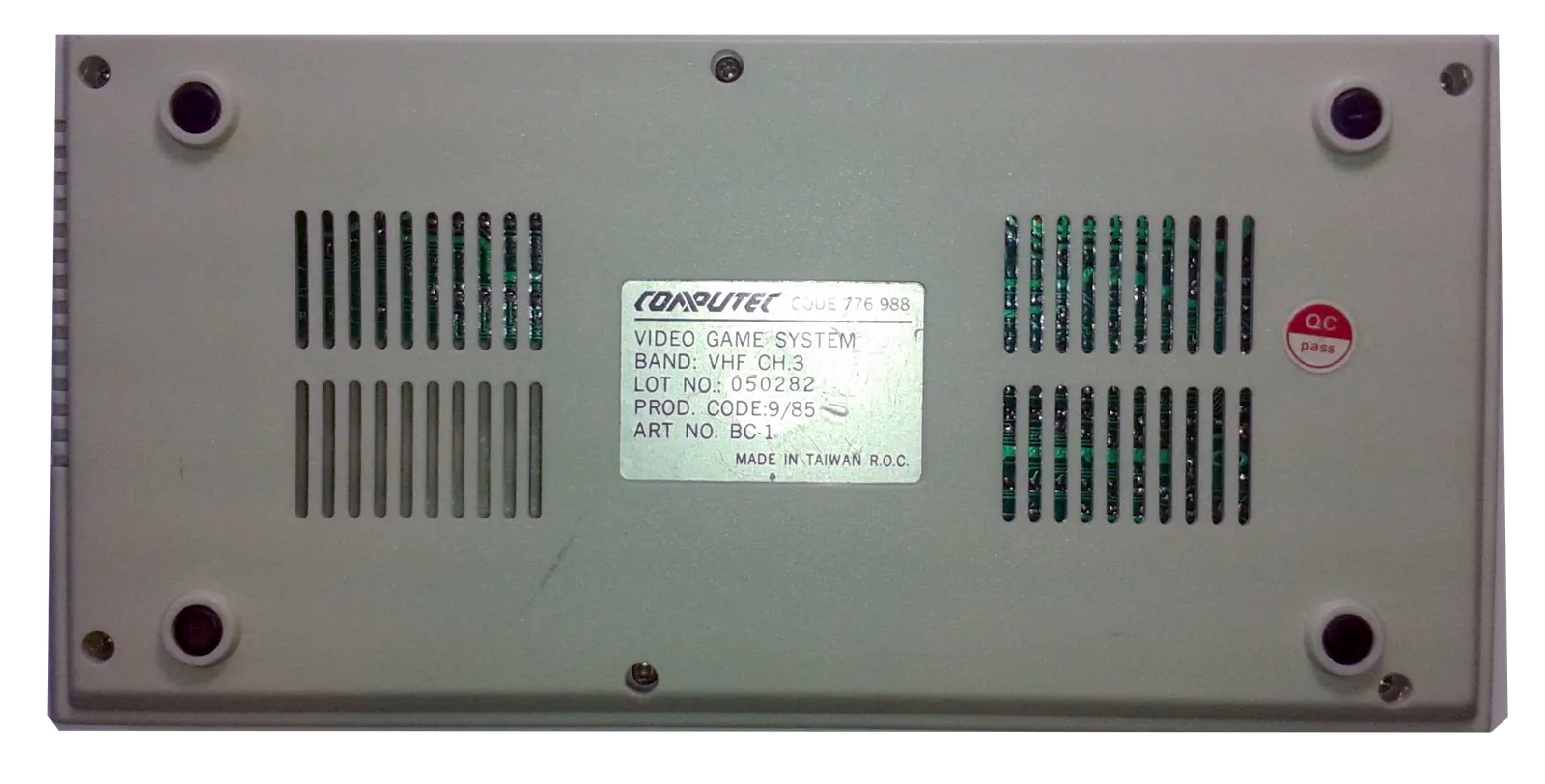
Computec Video Game System
The Video Game System by Computec is an unusual clone of an Atari 2600 console. It was produced in Taiwan, it is held in a light beige shade. On the top right …
Photo: own photograph
Open page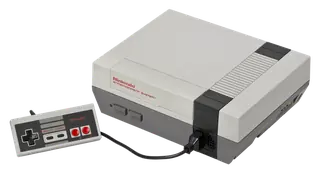
NES
When Nintendo decides to release Famicom in the USA, the video game market there is no longer existing. The experience of the video game crash has also led …
Model illustration · Image: Evan-Amos · Public domain · Source and original on Wikimedia Commons · WebP, resized where necessary
Open page
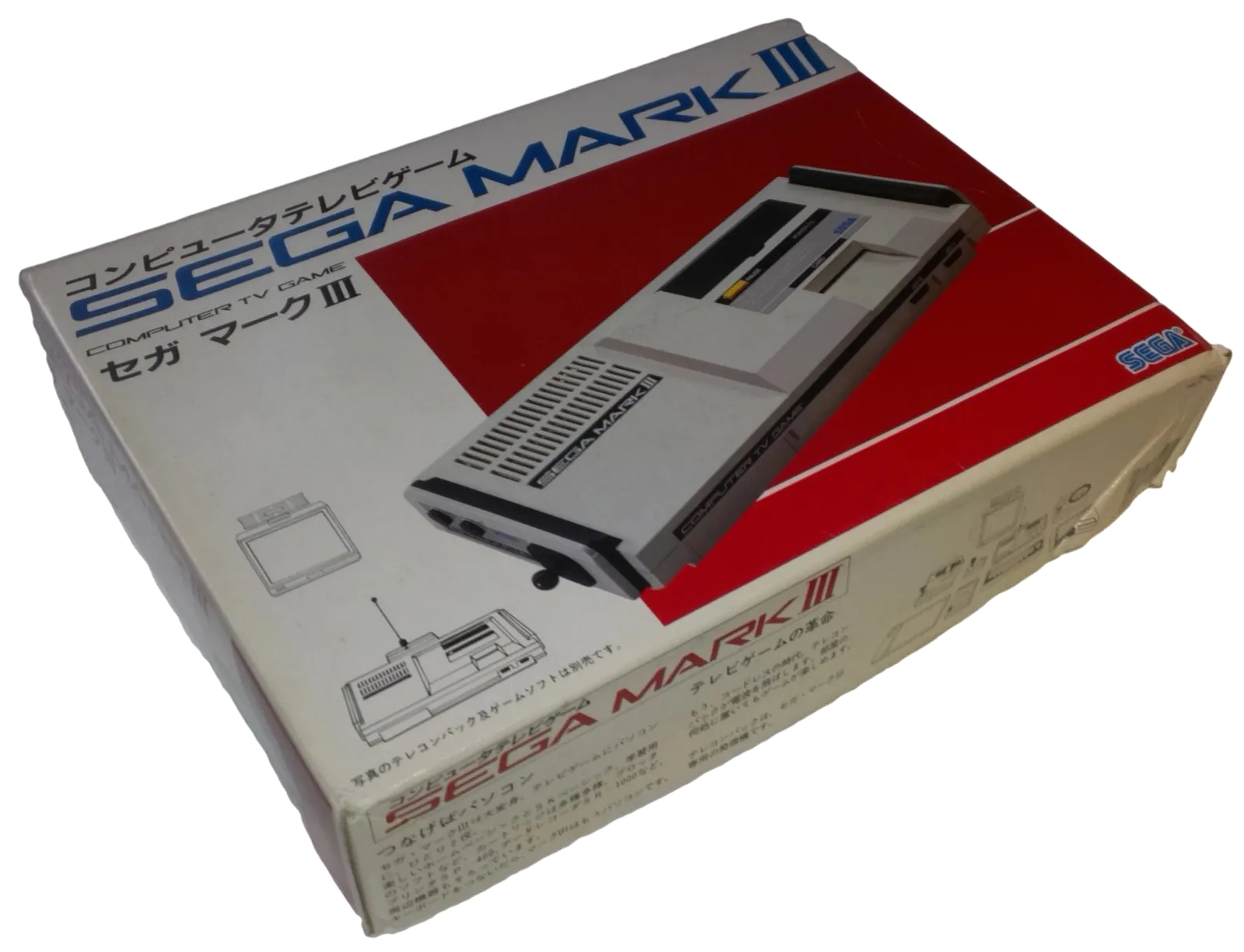
Sega Mark III
The Mark III is the final version of the SG-1000. Sega improves the hardware to make the console stronger than the market leader, Nintendo's Famicom.
Photo: own photograph
Open page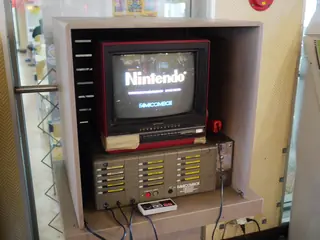
Nintendo FamicomBox
The FamicomBox is an extension of the Famicom, which brought Nintendo for example for hotels and similar facilities on the market. The FamicomBox offers 10 …
Model illustration · Image: 椰子之樹 · CC BY 3.0 · Source and original on Wikimedia Commons · WebP, resized where necessary
Open page
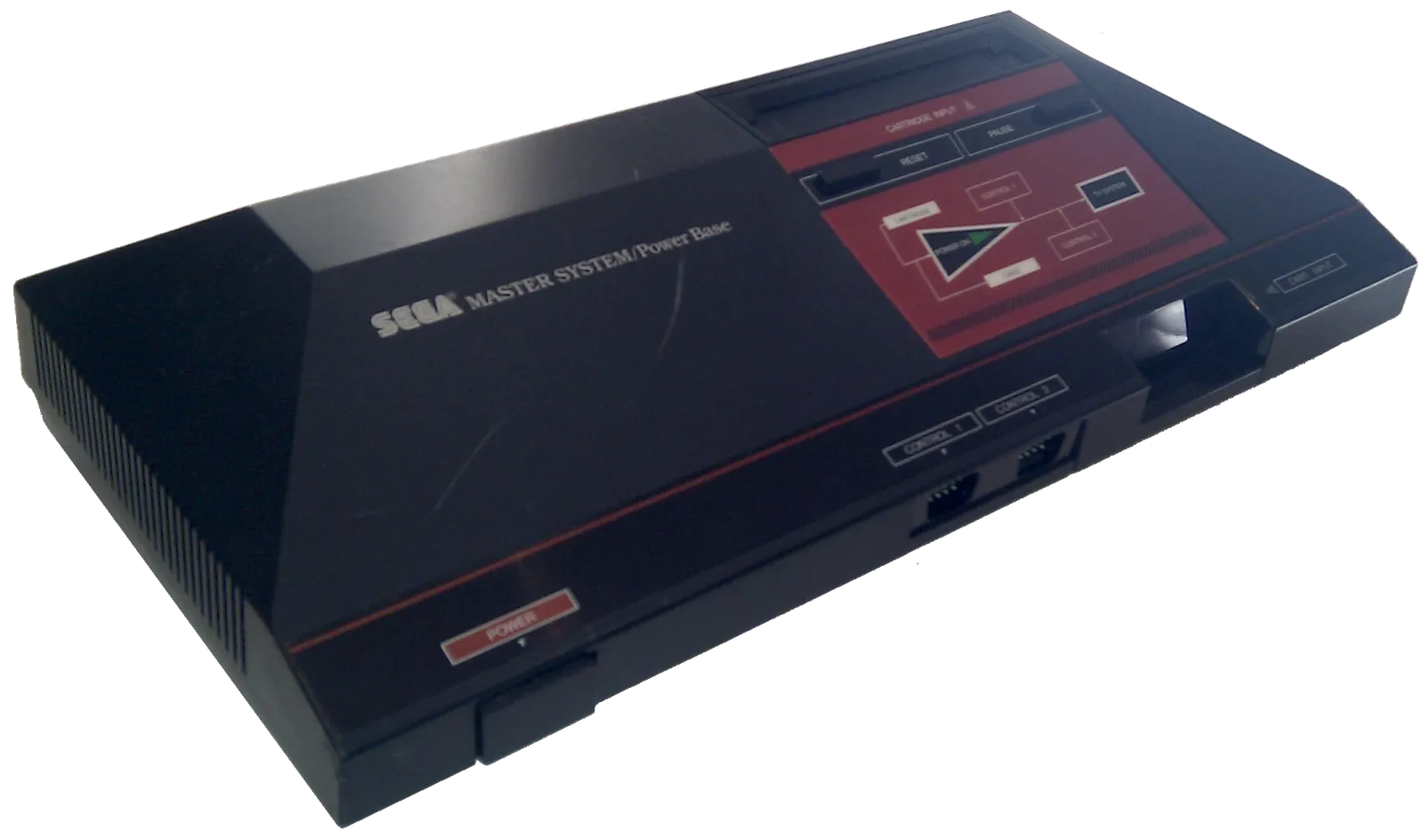
Sega Master System
The Master System is the version of the Sega Mark III produced for the West. The exterior, like Nintendo's NES, has been changed for the western market, but …
Photo: own photograph
Open page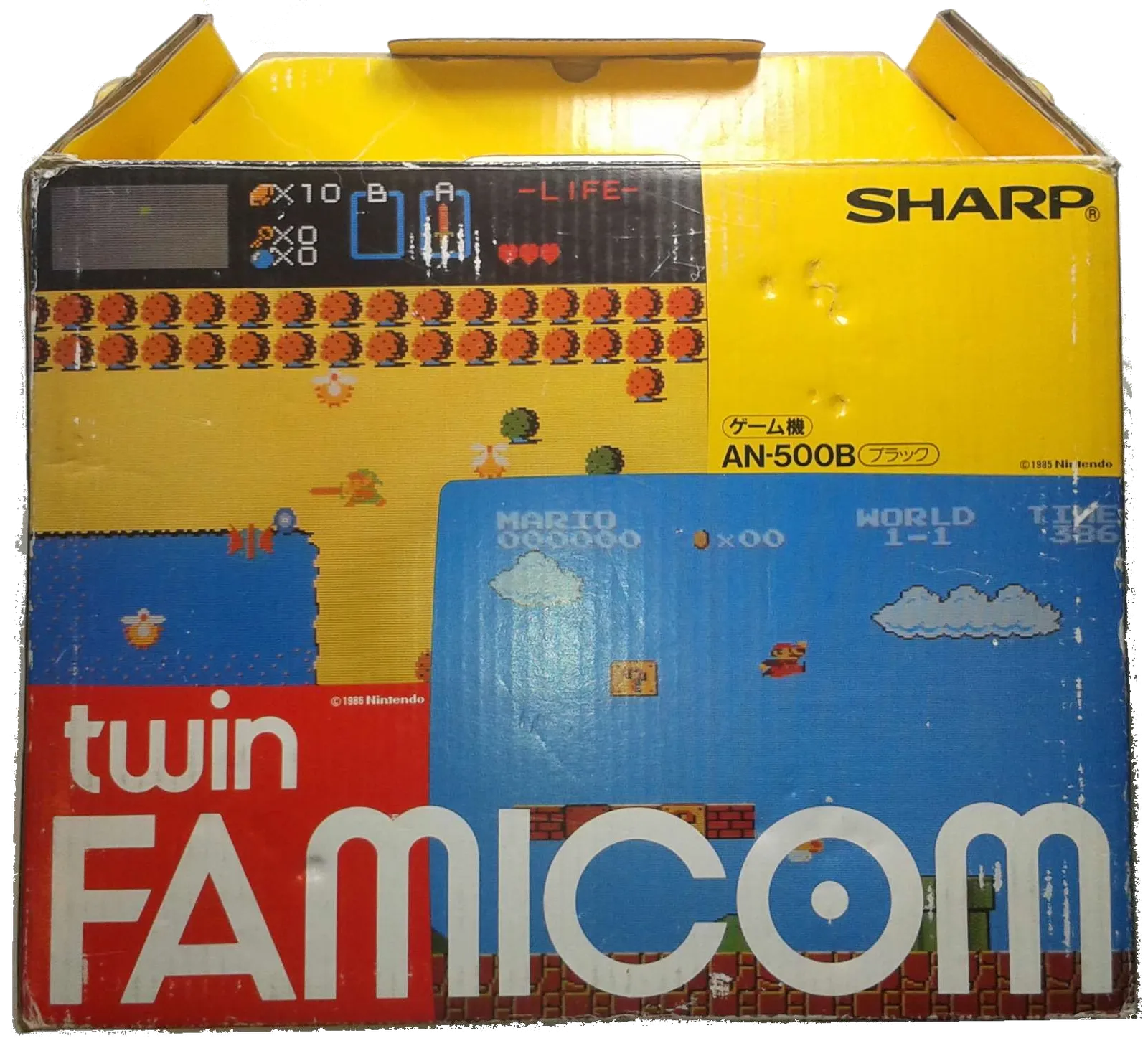
Sharp Twin Famicom
The Twin Famicom is a Famicom clone licensed by Nintendo, where the disk system extension is installed directly.
Photo: own photograph
Open page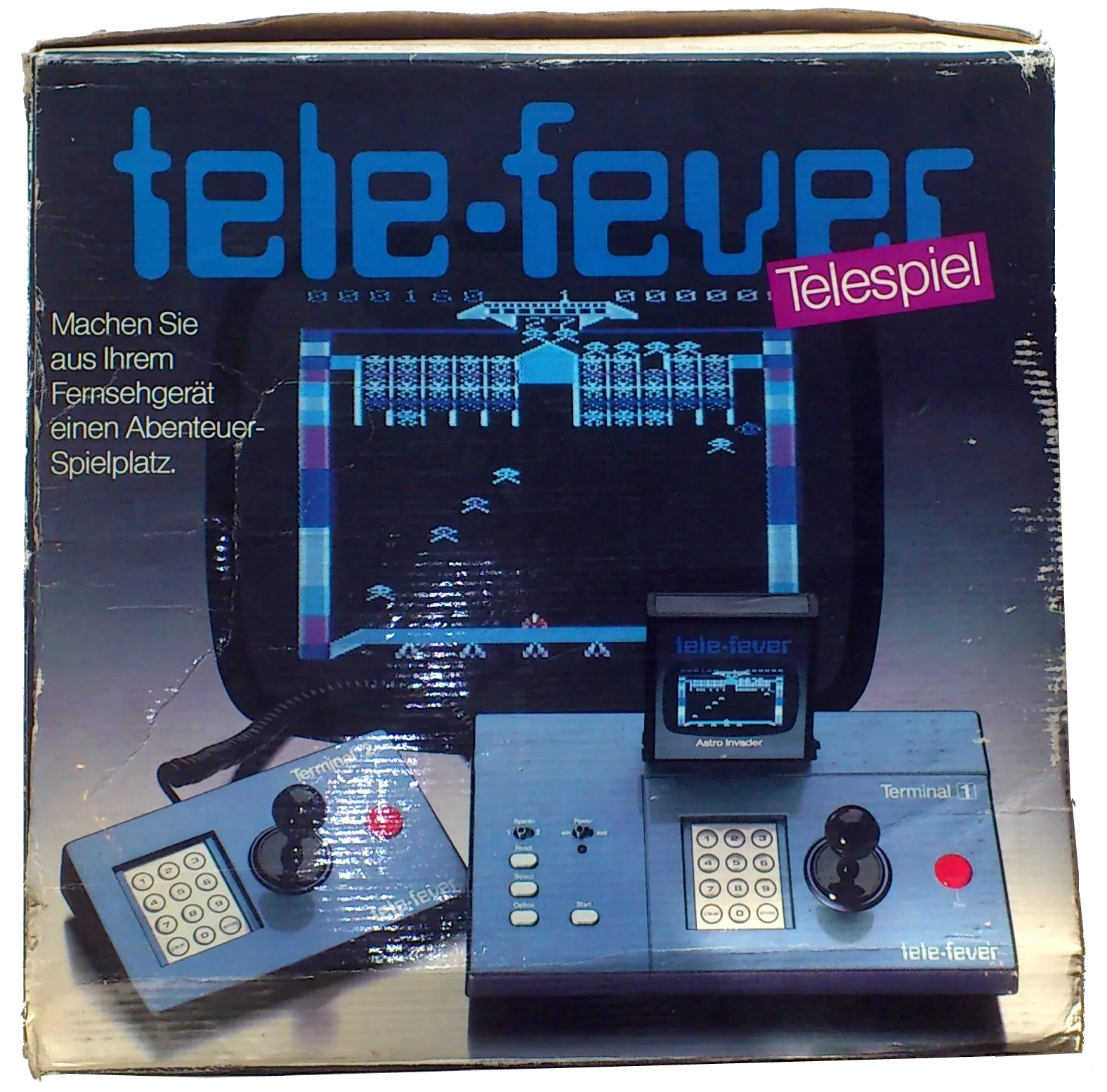
Tchibo Tele Fever
The Tele-Fever console from the coffee retailer Tchibo is one of the many (and one of the last) variants of the Arcadia 2001 console by Emerson. It is sold …
Photo: own photograph
Open page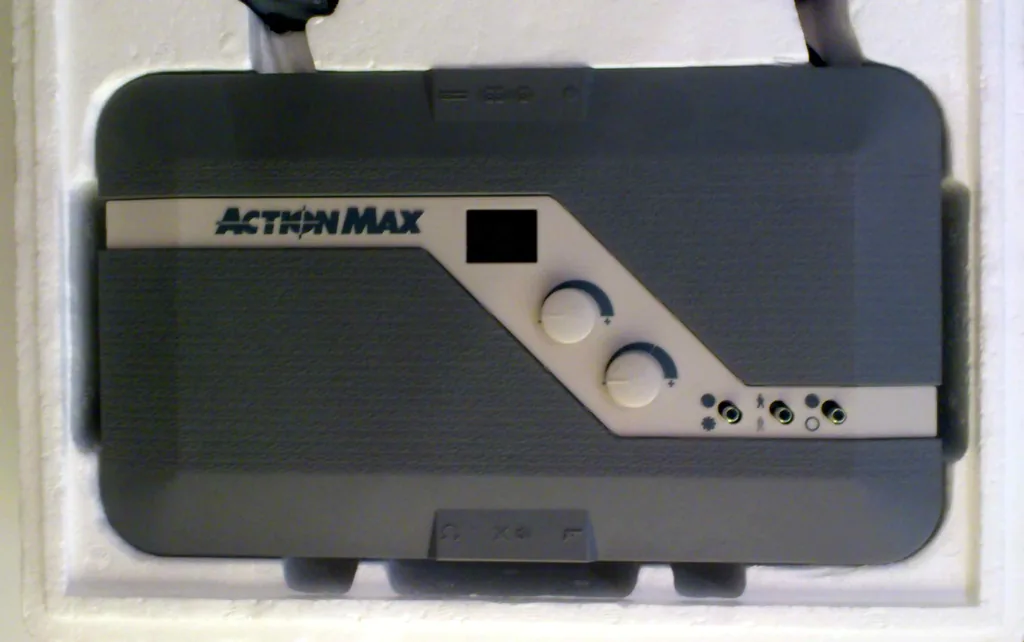
ActionMax Game System by Worlds of Wonder
Worlds of Wonder was a U.S. company that launched the ActionMax Game System (also ACTIONMAX) in 1987. The type of data carrier is particularly interesting on …
Photo: own photograph
Open page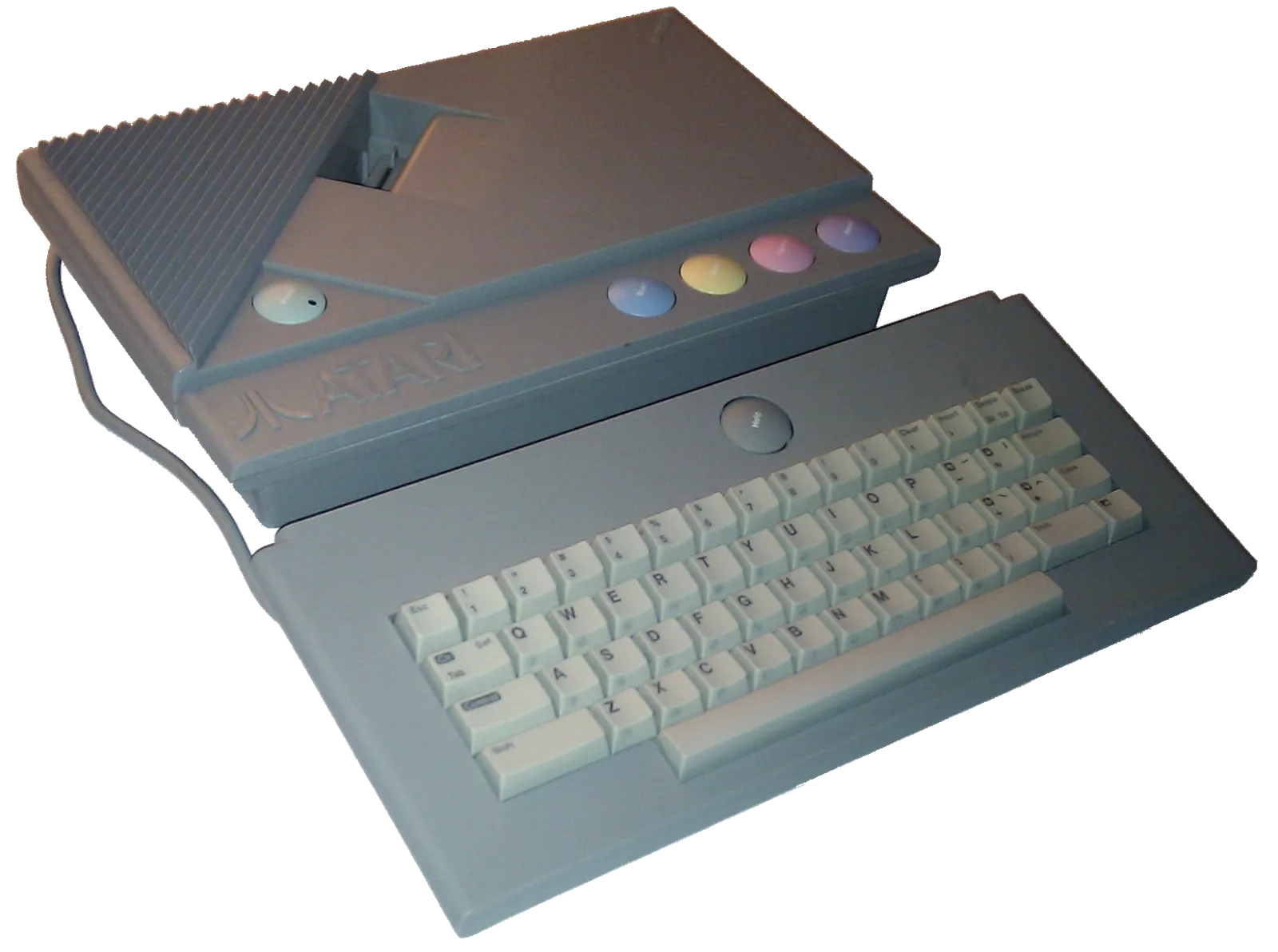
Atari XE Game System
The Atari XE Game System (XEGS) is Atari's attempt to better position itself in the 8-bit market and to attract new users to the home computer segment in the …
Photo: own photograph
Open pageIde Yosuke Meijin no Jissen Mahjong
Capcom released a mahjong game for Famicom in 1987. It is not the first Famicom implementation of the popular Asian board game, but the first that simplifies …
Open page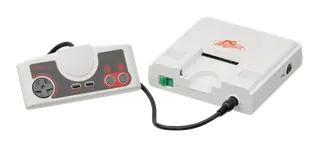
PC Engine
The original version of the PC Engine is a fourth generation video game console. It is released in Japan in October 1987. It has an 8-bit processor with a …
Model illustration · Image: Evan-Amos · Public domain · Source and original on Wikimedia Commons · WebP, resized where necessary
Open page
Projector Mega Video Game
The Projector Mega Video Game is a tabletop game that projects the game on the wall using a built-in projector. The games are introduced from above and consist …
Open page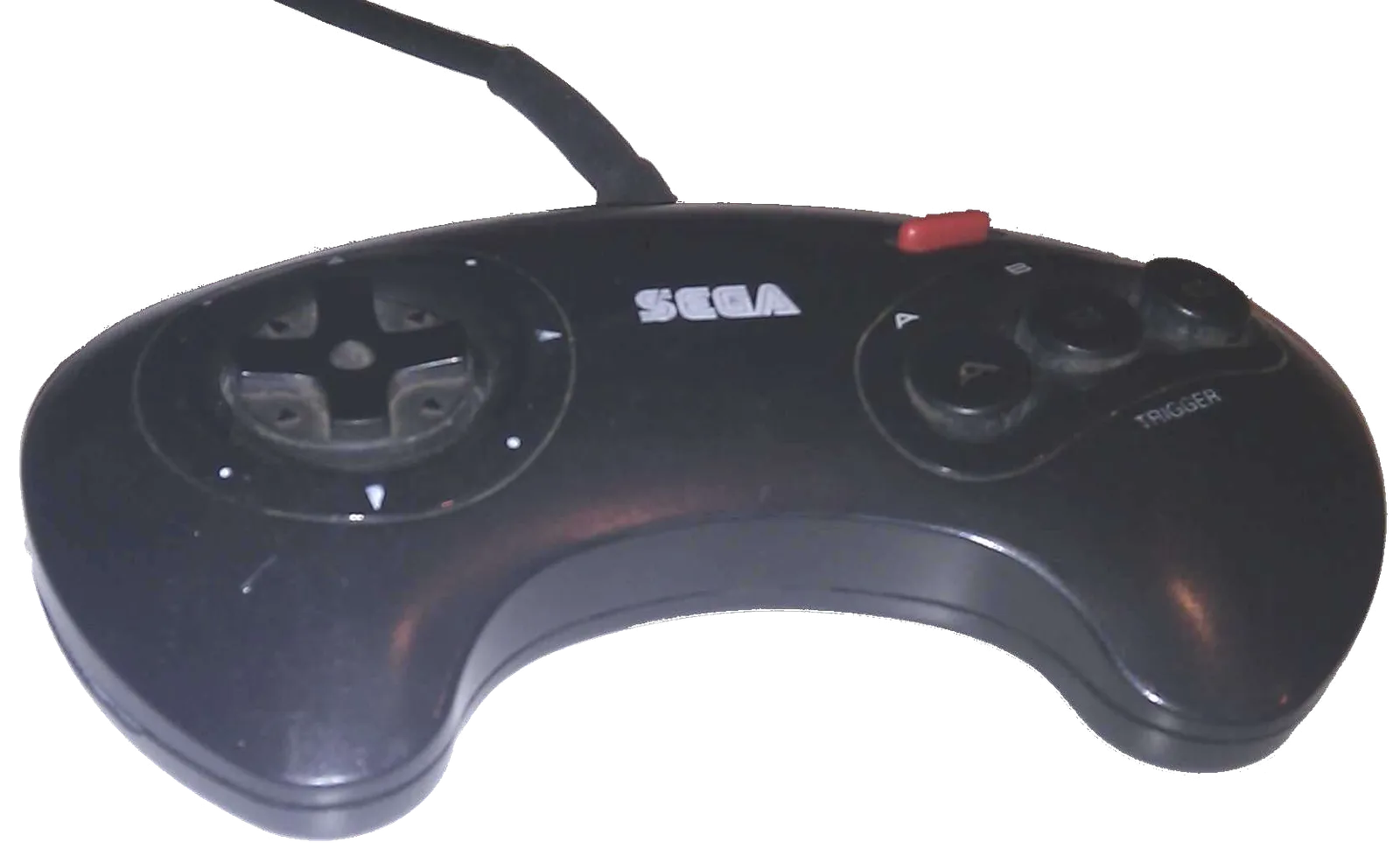
Sega Mega Drive
At the time of its release, the Mega Drive/Genesis is technically clearly superior to Famicom, yet the superiority of Nintendo prevents Sega from gaining …
Photo: own photograph
Open page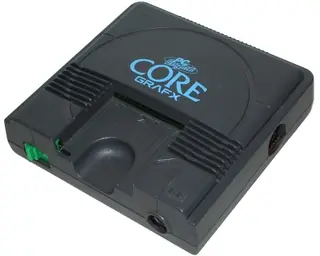
PC Engine CoreGrafx
The PC Engine CoreGrafx is a Version of the PC Engine. In December 1989, NEC and Hudson Soft released them exclusively in Japan. There are three differences …
Model illustration · Image: Muband at Japanese Wikipedia · CC BY-SA 3.0 · Source and original on Wikimedia Commons · WebP, resized where necessary
Open page
PC Engine Shuttle
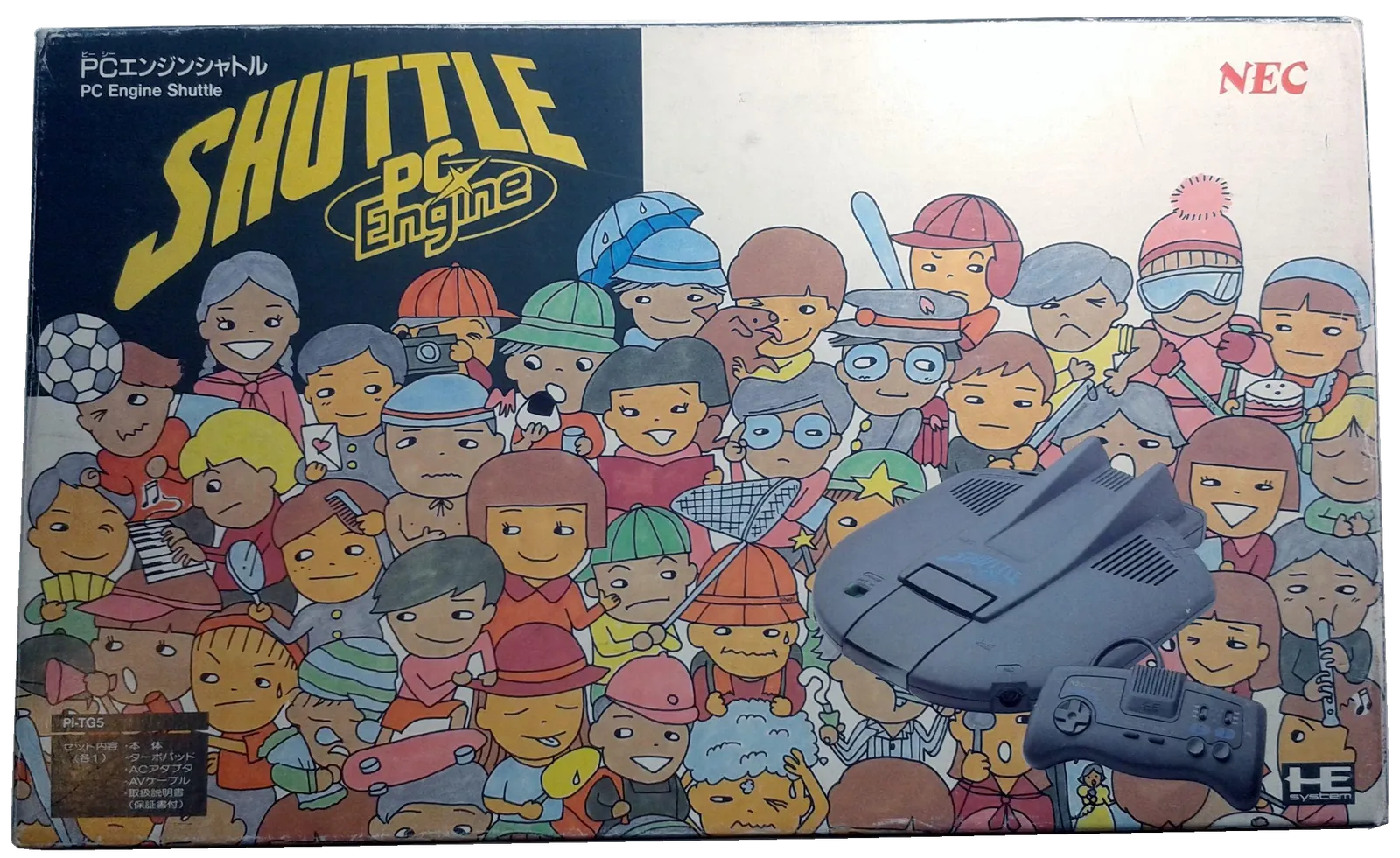
The PC Engine Shuttle is a revised Version of the PC Engine. It is published exclusively in Japan in November 1989. The name added Shuttle makes itself …
Photo: own photograph
Open page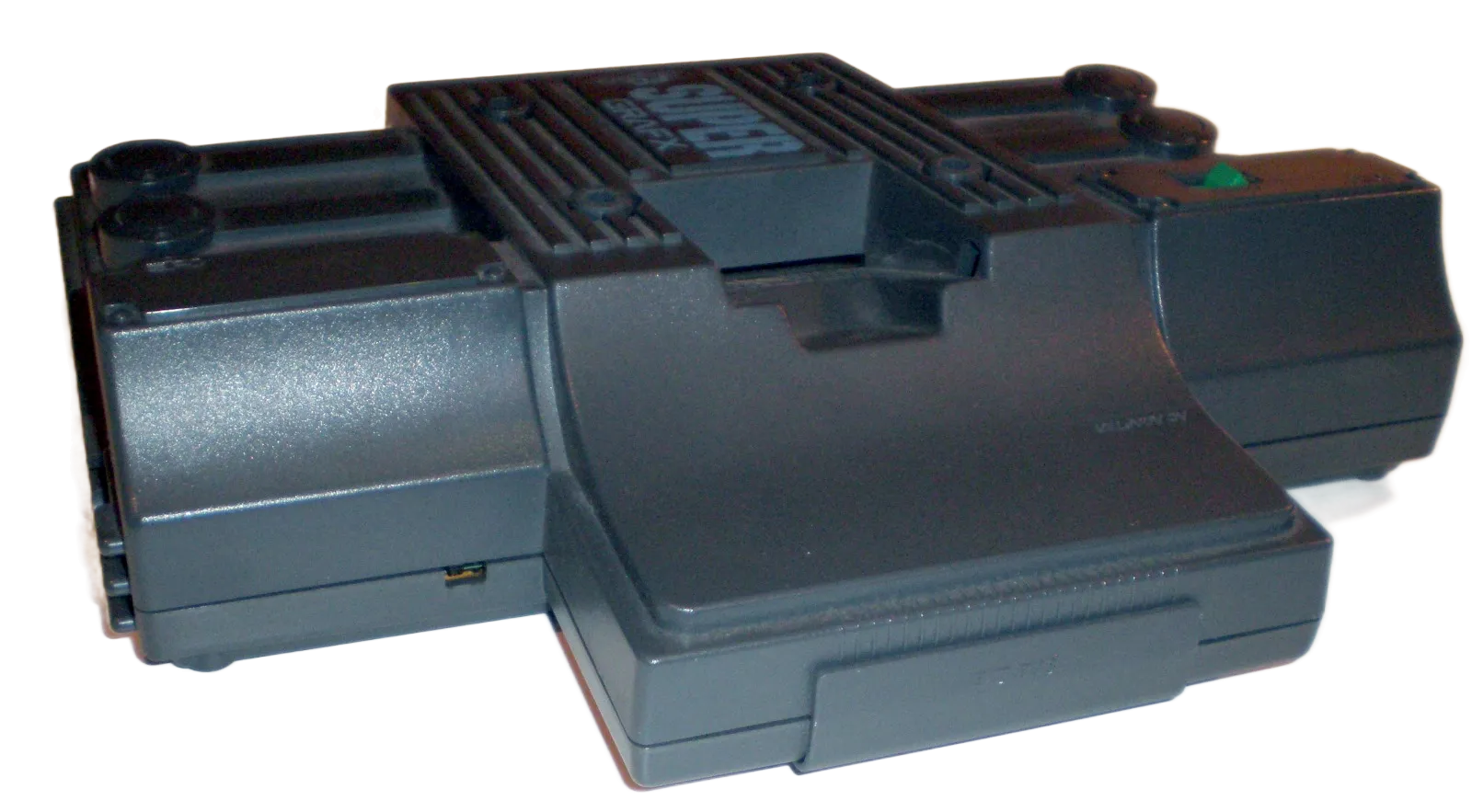
PC Engine SuperGrafx
The PC Engine SuperGrafx, or SuperGrafx for short, is an enhanced version of the original PC Engine released exclusively in Japan. Its main differences are …
Photo: own photograph
Open page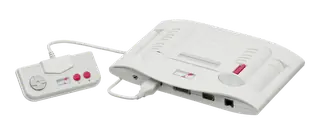
Amstrad GX4000
The Amstrad GX4000 is a modified Amstrad CPC 6128+. Internally, mainly the layout of the board was changed to fit into the housing, externally missing the …
Model illustration · Image: Evan-Amos · Public domain · Source and original on Wikimedia Commons · WebP, resized where necessary
Open page
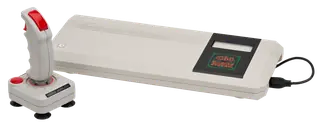
C64
The Commodore C64 Games System (C64GS), which only appeared in Europe, was an attempt to market the Commodore 64 (C64, bread box) as a game console in a …
Model illustration · Image: Evan-Amos · CC BY-SA 3.0 · Source and original on Wikimedia Commons · WebP, resized where necessary
Open page
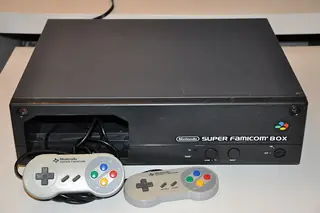
Super Famicom Box
The Super Famicom Box is a video game system developed by Nintendo, which contained a pay-to-play mechanism. The box was operated exclusively in Japan in the …
Model illustration · Image: Cyrian103 · CC BY-SA 4.0 · Source and original on Wikimedia Commons · WebP, resized where necessary
Open page
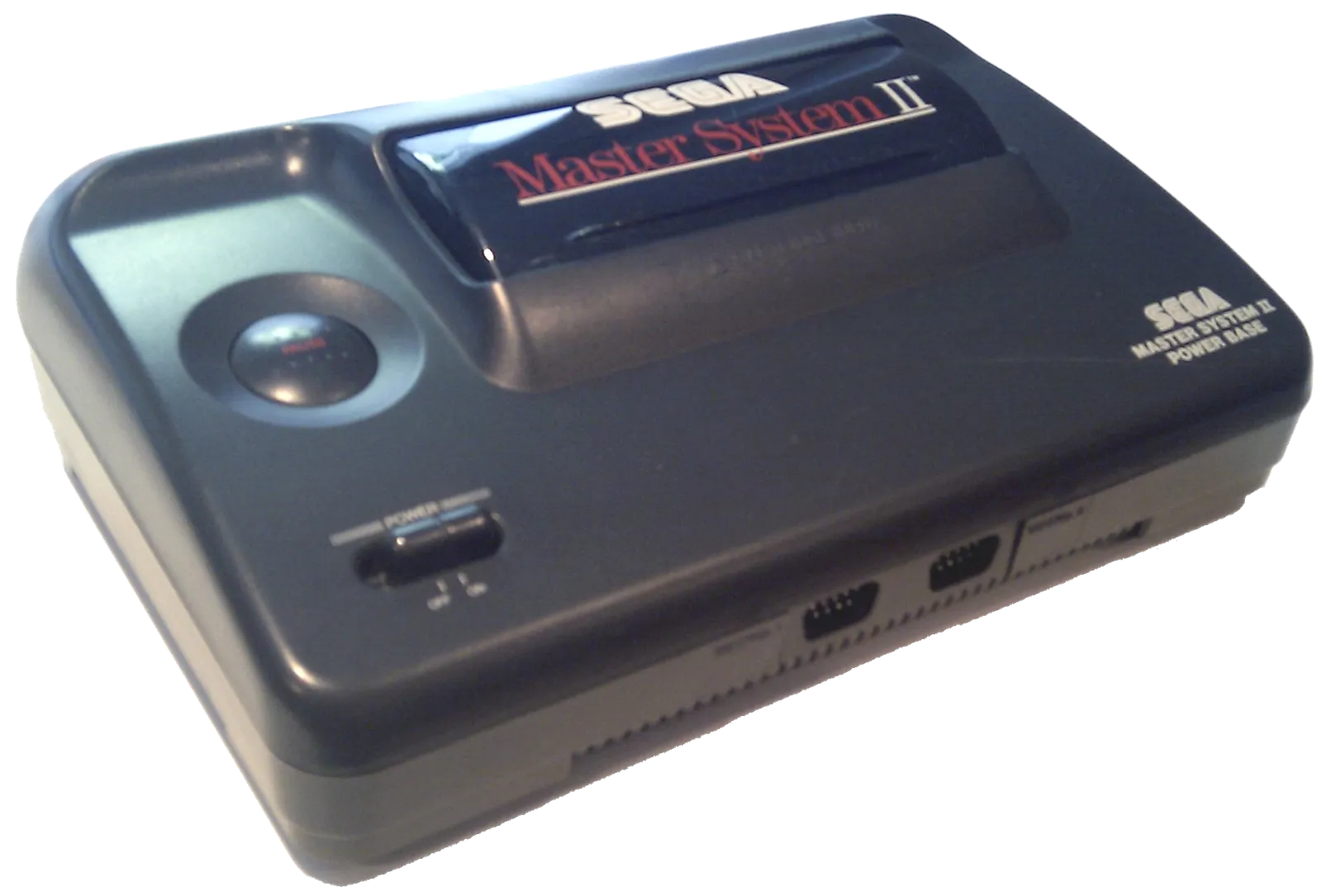
Sega Master System II
Sega is disappointed with the performance of the master system on the American market. When the Mega Drive was introduced in the USA in 1990, it was decided to …
Photo: own photograph
Open page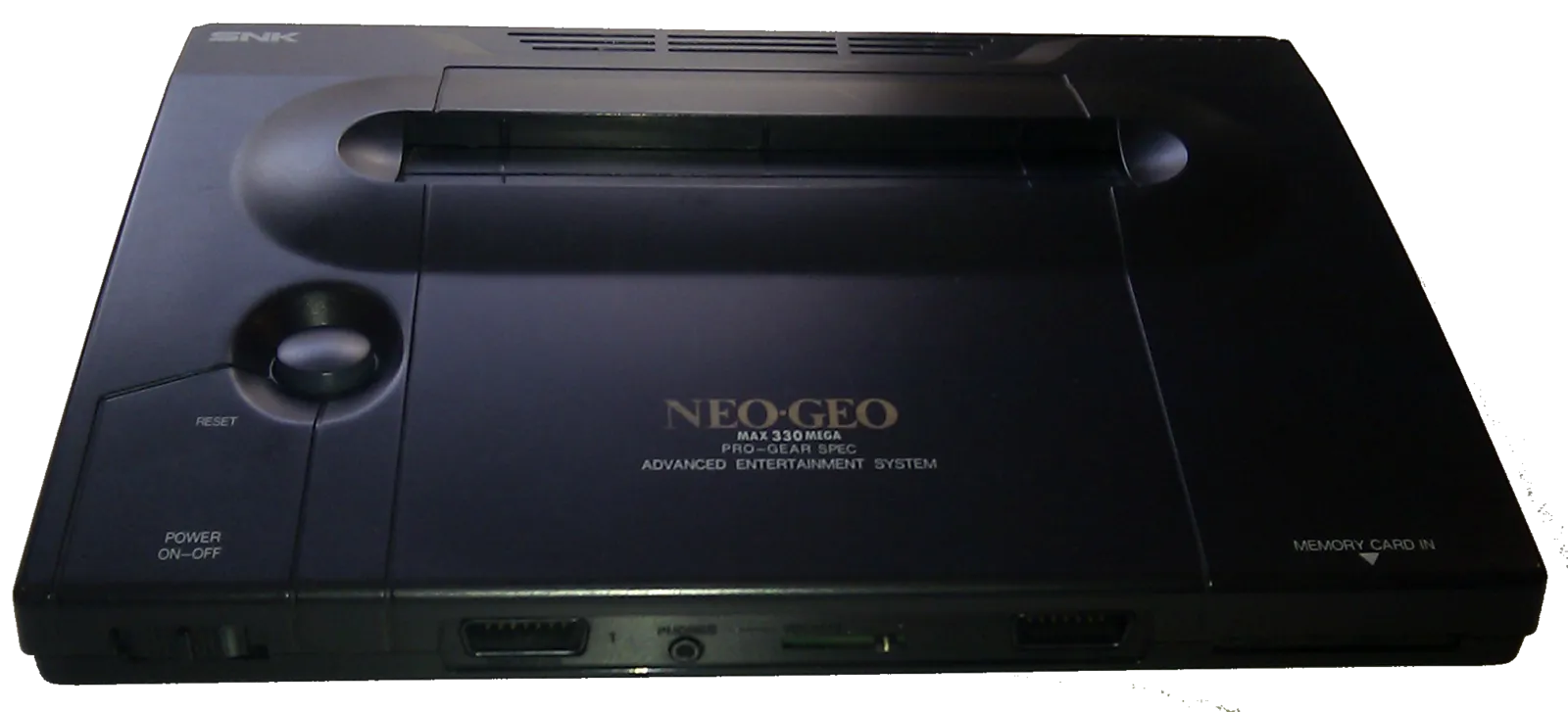
SNK Neo Geo
SNK designs the Neo Geo as a game hall hardware that allows exhibitors to exchange games without having to buy a new cabinet each time. In parallel, you offer …
Photo: own photograph
Open page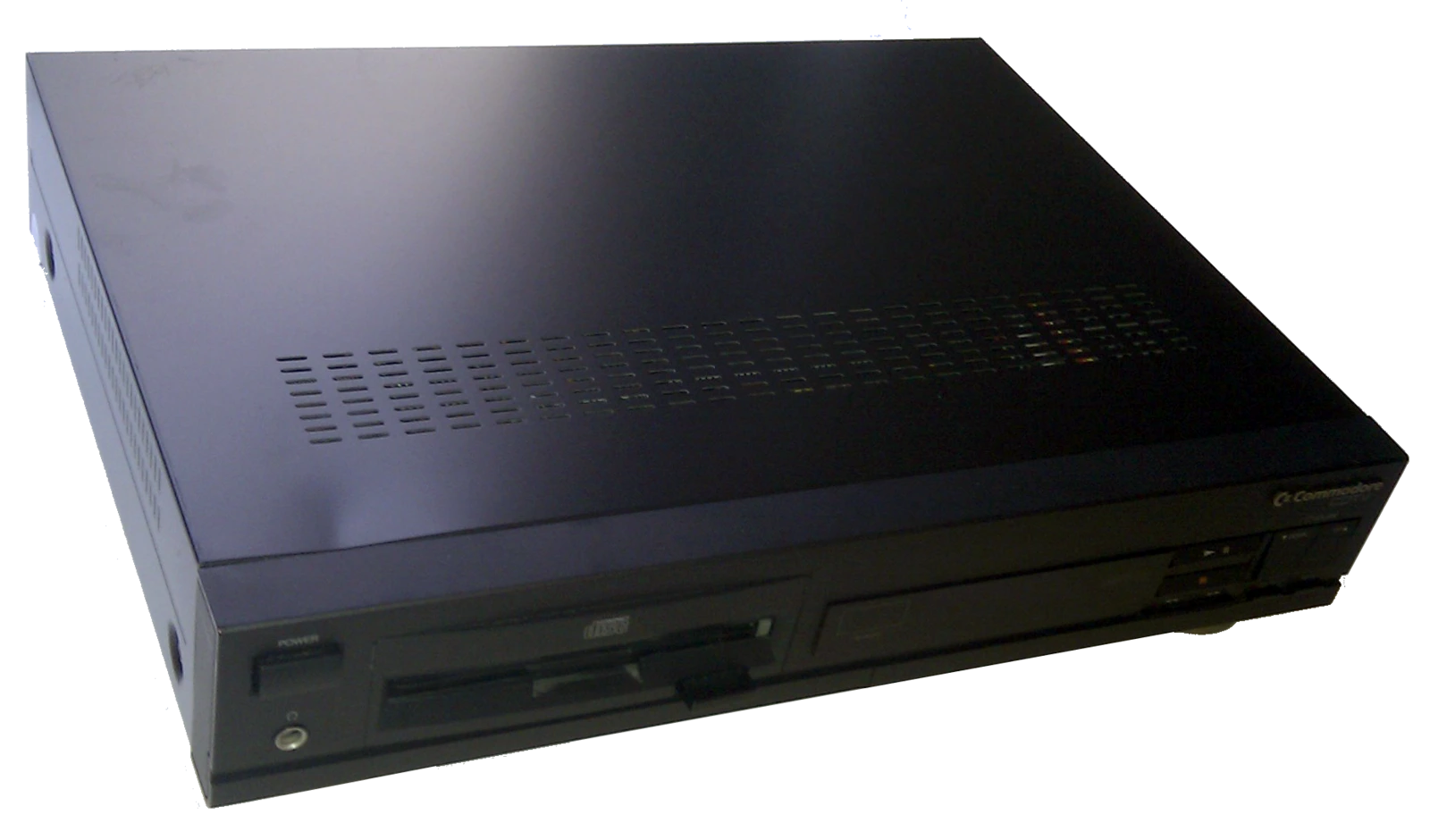
Commodore CDTV
In 1991, Commodore introduced the CDTV (Commodore Dynamic Total Vision), which puts an Amiga 500 with a CD drive in a Hifi case. With the remote control, the …
Photo: own photograph
Open page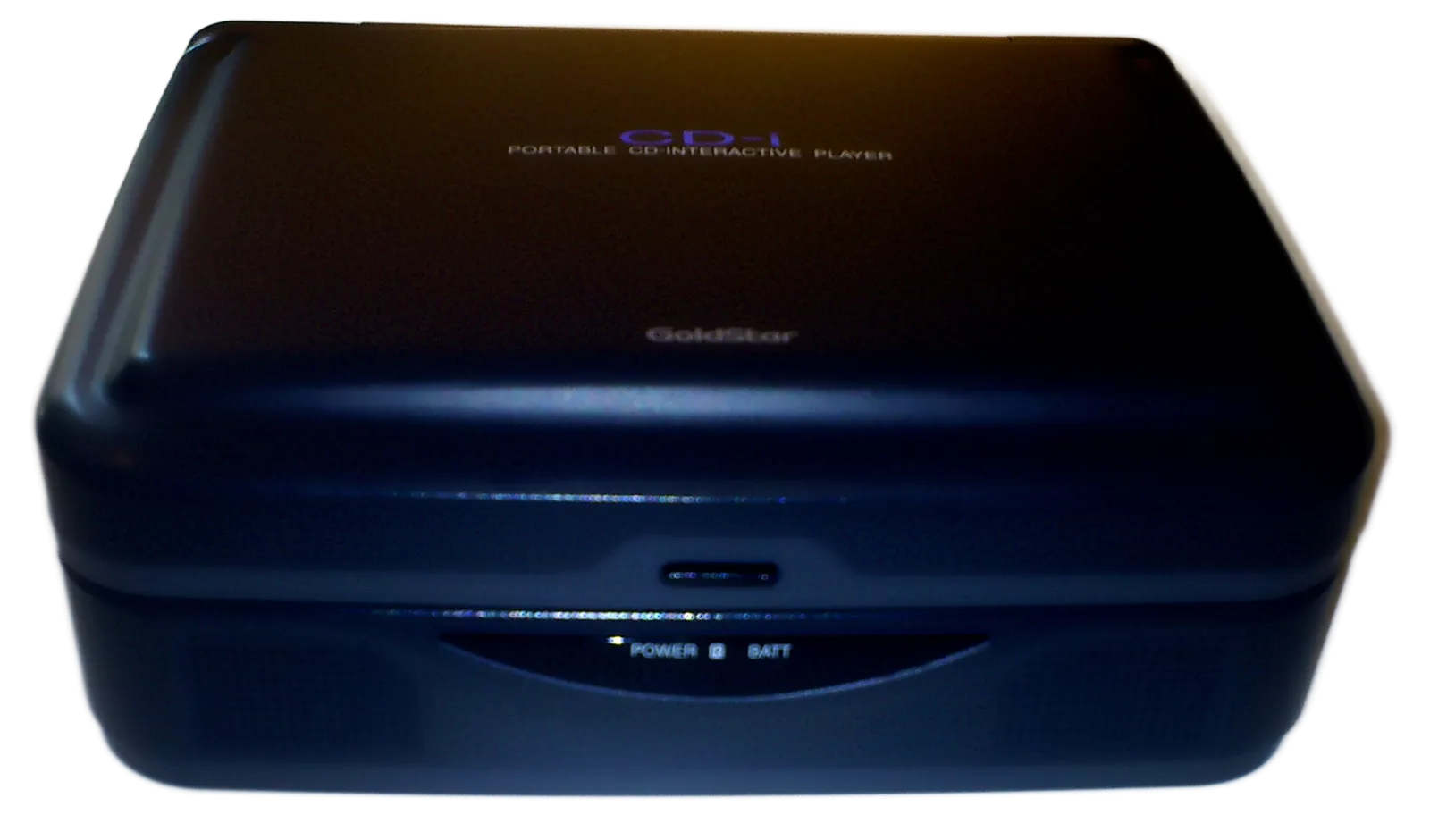
GoldStar CD-i
GoldStar's CD-i Player has an external power supply. The console display can also be used as a monitor with a suitable cable, whereby the system can be …
Photo: own photograph
Open page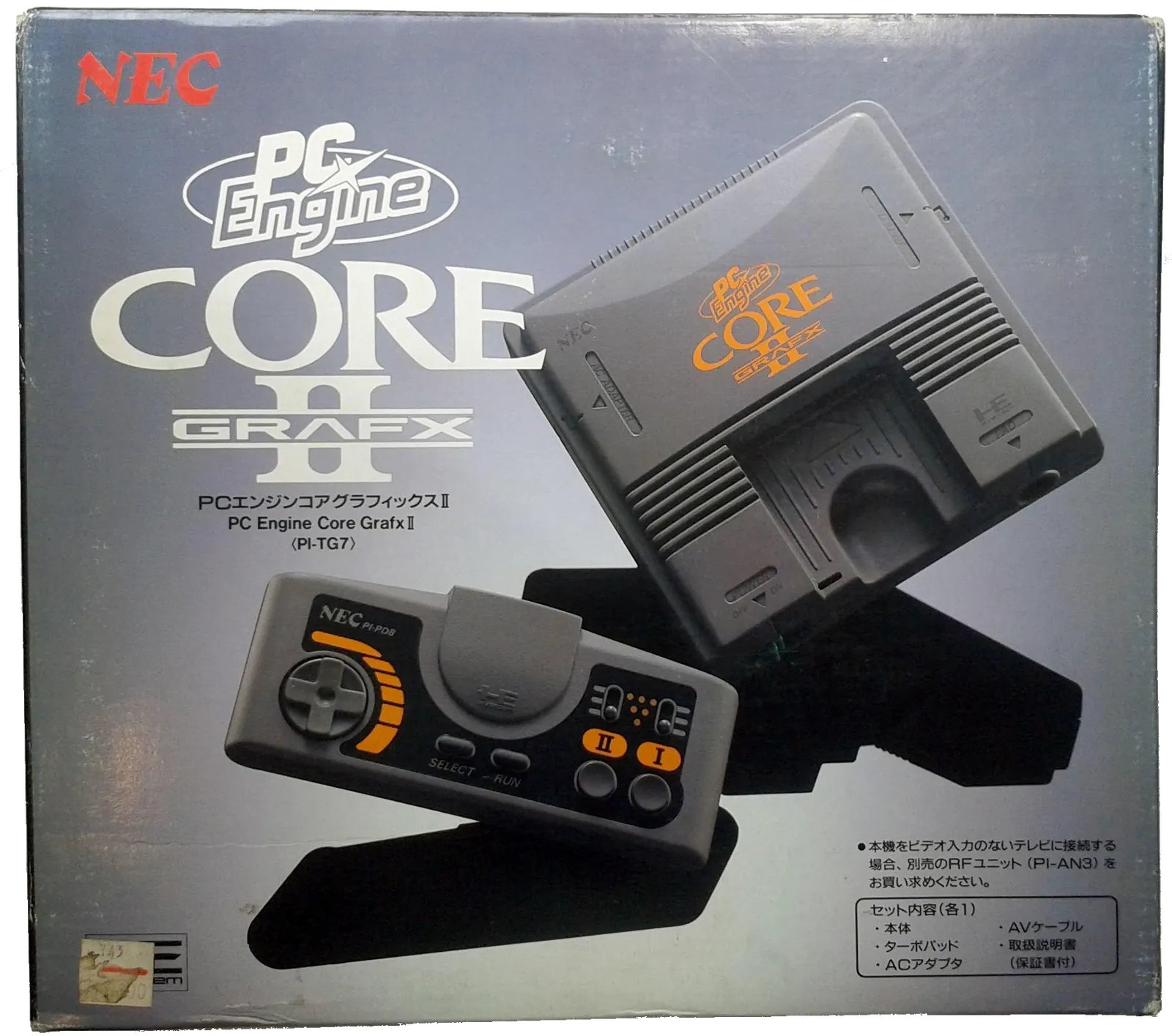
PC Engine CoreGrafx II
About a year and a half after the release of the PC Engine Core Grafx in December 1989, the PC Engine CoreGrafx II was released in Japan in June 1991. It's …
Photo: own photograph
Open page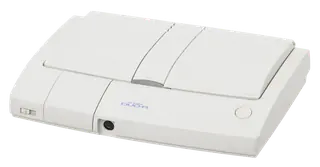
PC Engine Duo-R
After the considerable success of the PC engine and the CD-Rom Add-on in Japan, it was obvious that NEC would also publish a console that would combine all the …
Model illustration · Image: Evan-Amos · CC BY-SA 3.0 · Source and original on Wikimedia Commons · WebP, resized where necessary
Open page
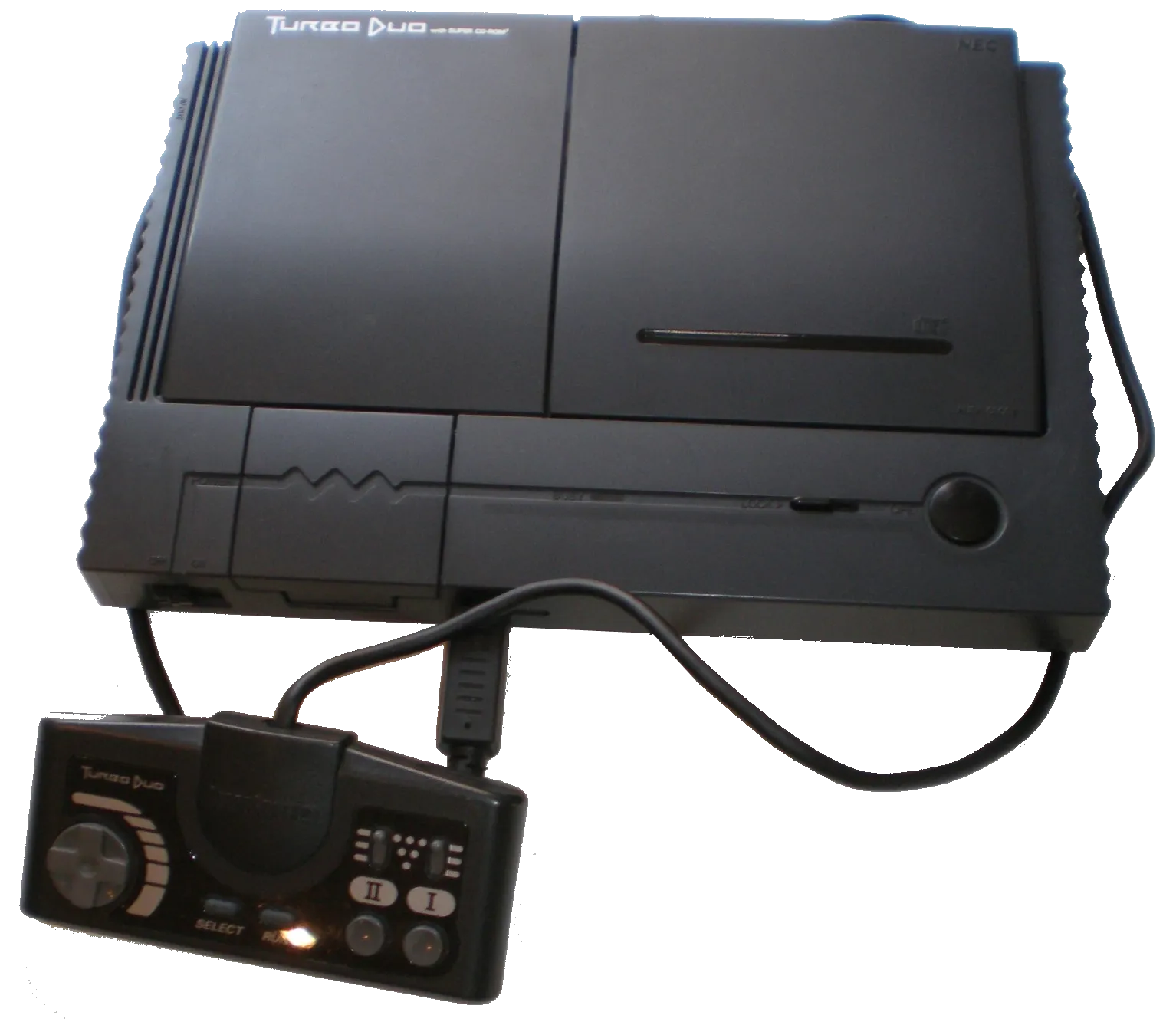
PC Engine Duo/Turbo Duo
The PC Engine Duo is a series of versions of the PC Engine game console by NEC and Hudson Soft. All variants are common that they play both games on cartridges …
Photo: own photograph
Open page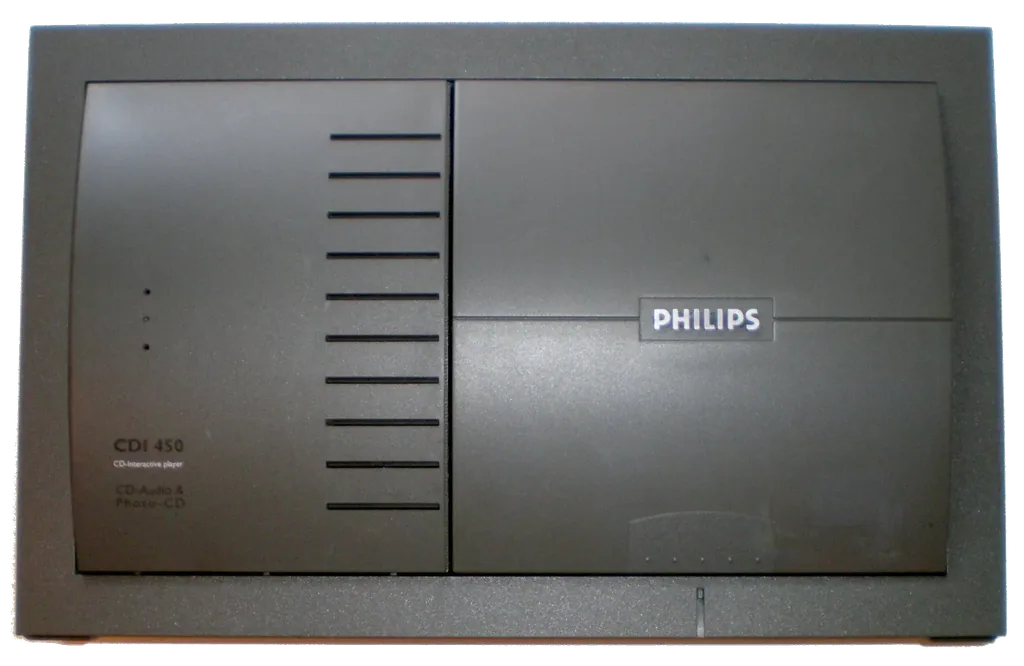
Philips CD-i
Released in October 1991, the CD-i (Compact Disc Interactive) is a multimedia system developed mainly by Philips, with some involvement from Sony. Philips …
Photo: own photograph
Open page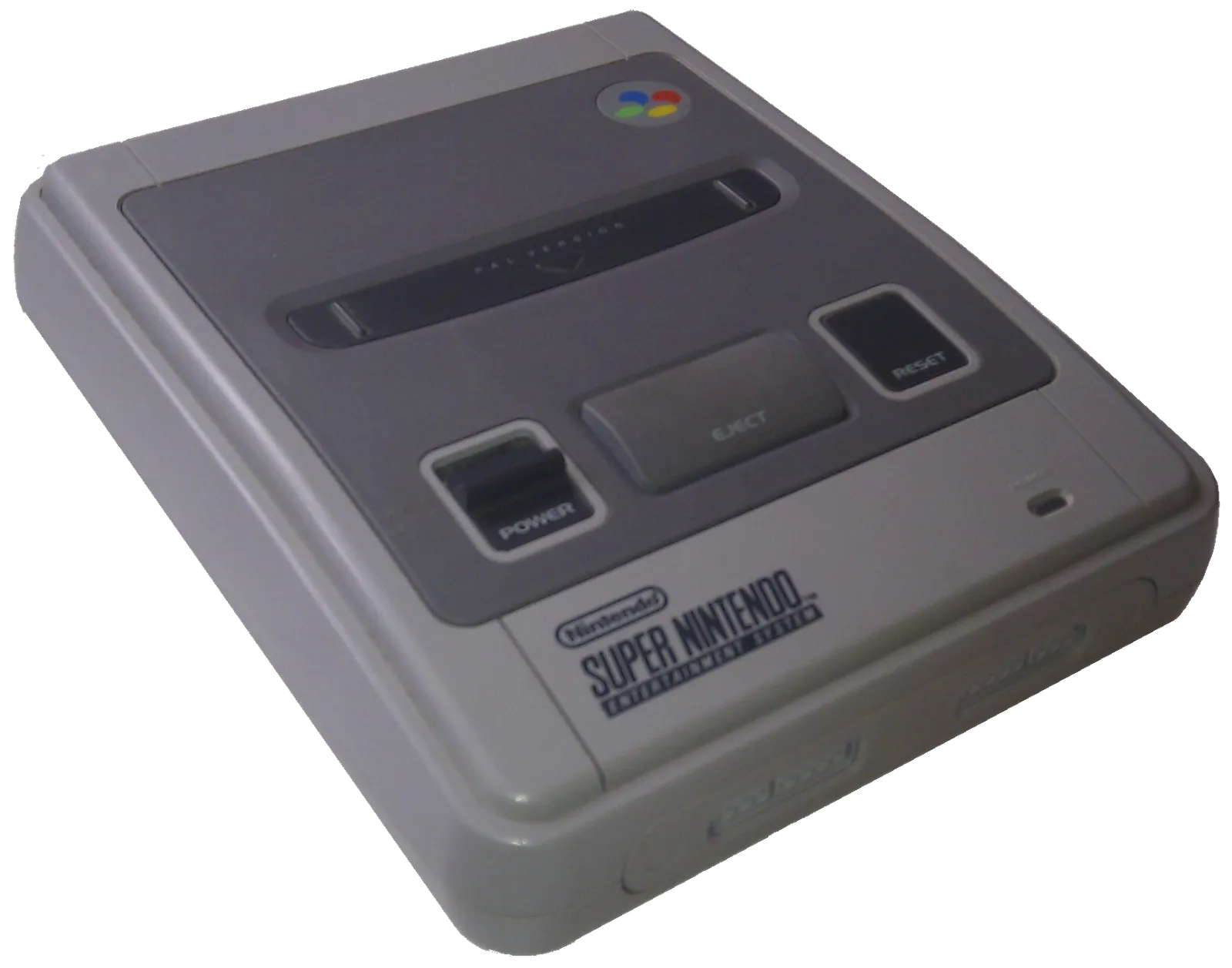
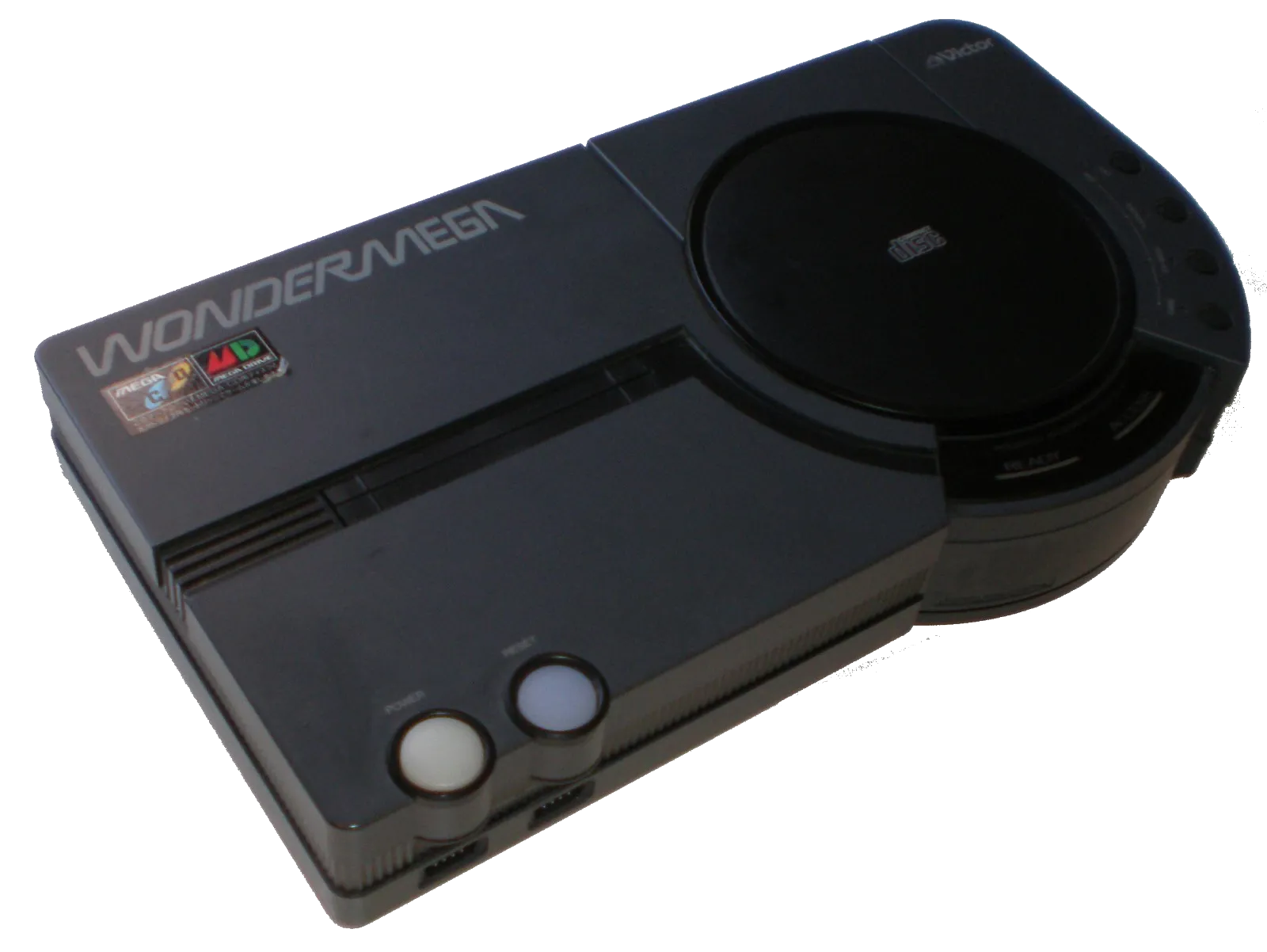
JVC Wondermega
A Sega Mega Drive (Genesis) and Sega Mega CD combined in one device. It is sold in the USA under the name X'Eye from 1994. Due to the high price the different …
Photo: own photograph
Open page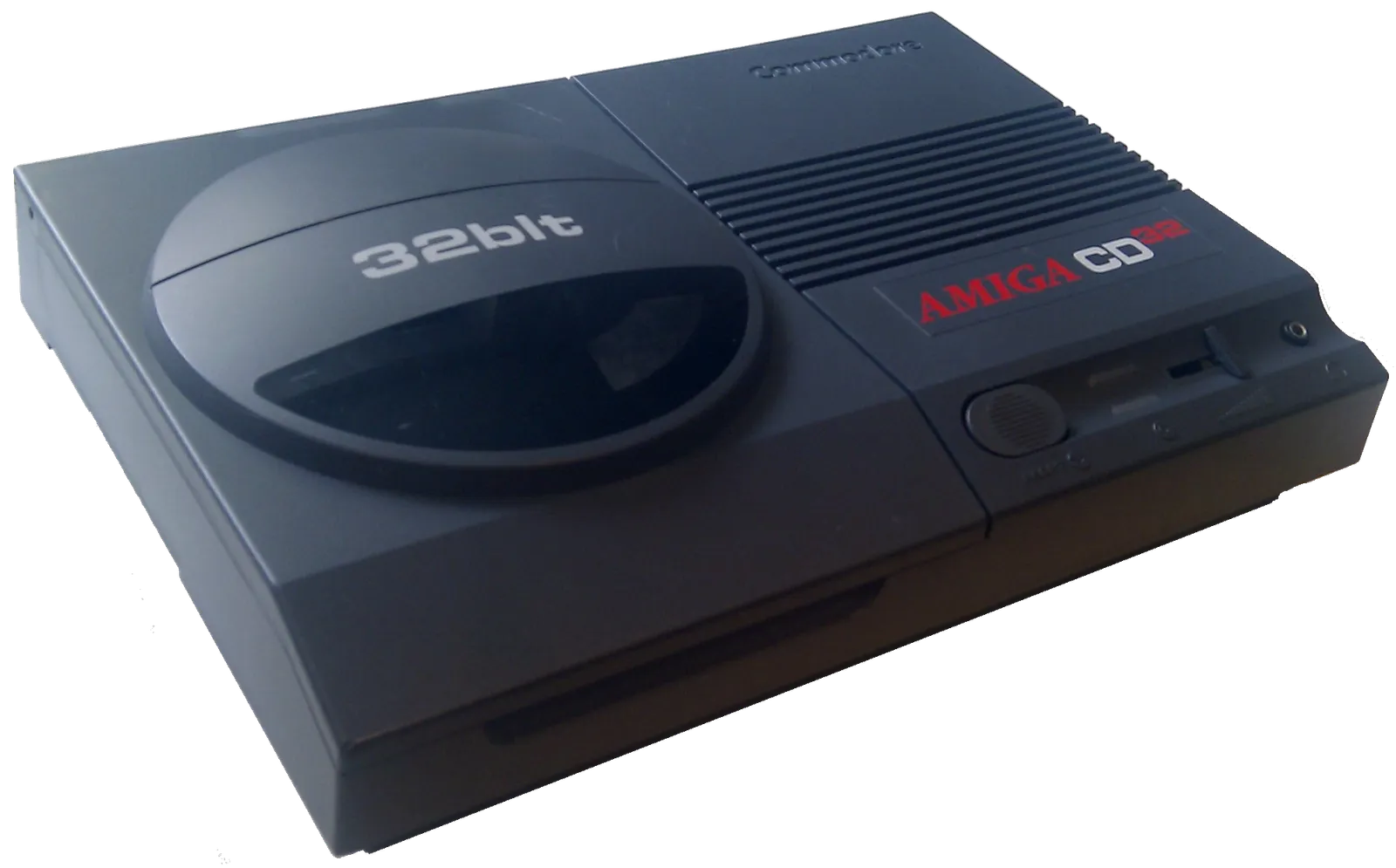
Amiga CD32
Like all Commodore game consoles, the Amiga CD32 is a variant of a home computer. The C64GS is actually a C64, the CDTV an Amiga and the CD32 an Amiga 1200 …
Photo: own photograph
Open page
Atari Jaguar
After the Atari 7800, Atari takes almost 10 years for further development. The Jaguar appears in 1993 at a price of 249.99 US dollars. Although the console is …
Model illustration · Image: Evan-Amos · CC BY-SA 3.0 · Source and original on Wikimedia Commons · WebP, resized where necessary
Open page
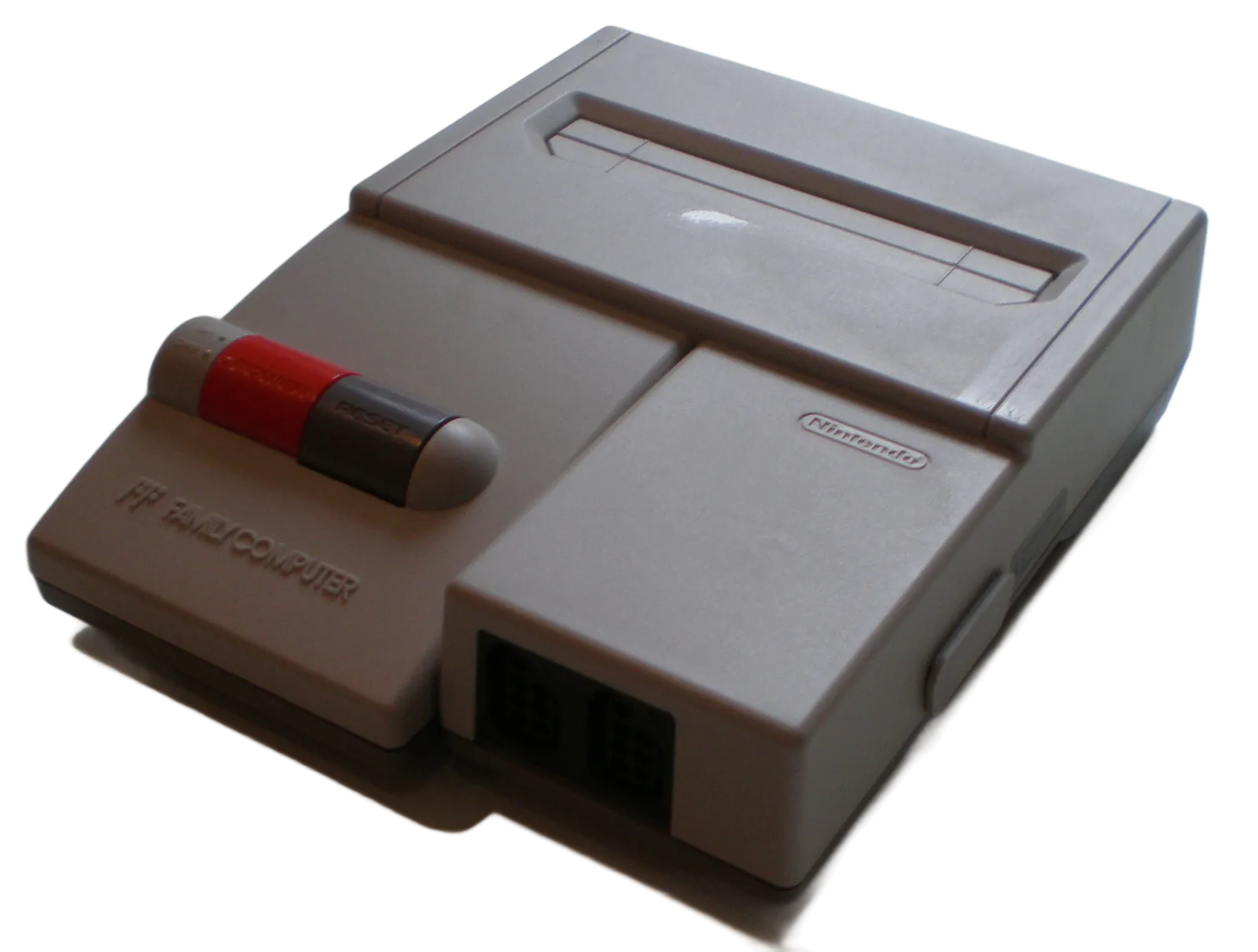
AV Famicom
The AV Famicom is released in 1993 almost at the same time in Japan and the USA. It is technically almost identical with the original Famicom or the NES, but …
Photo: own photograph
Open page
Fujitsu FM Towns Marty
Fujitsu has nothing to do with game consoles, but the PC under the name FM Towns sells well. Thus Fujitsu converts this PC to a console, packing it in another …
Model illustration · Image: Evan-Amos · Public domain · Source and original on Wikimedia Commons · WebP, resized where necessary
Open page
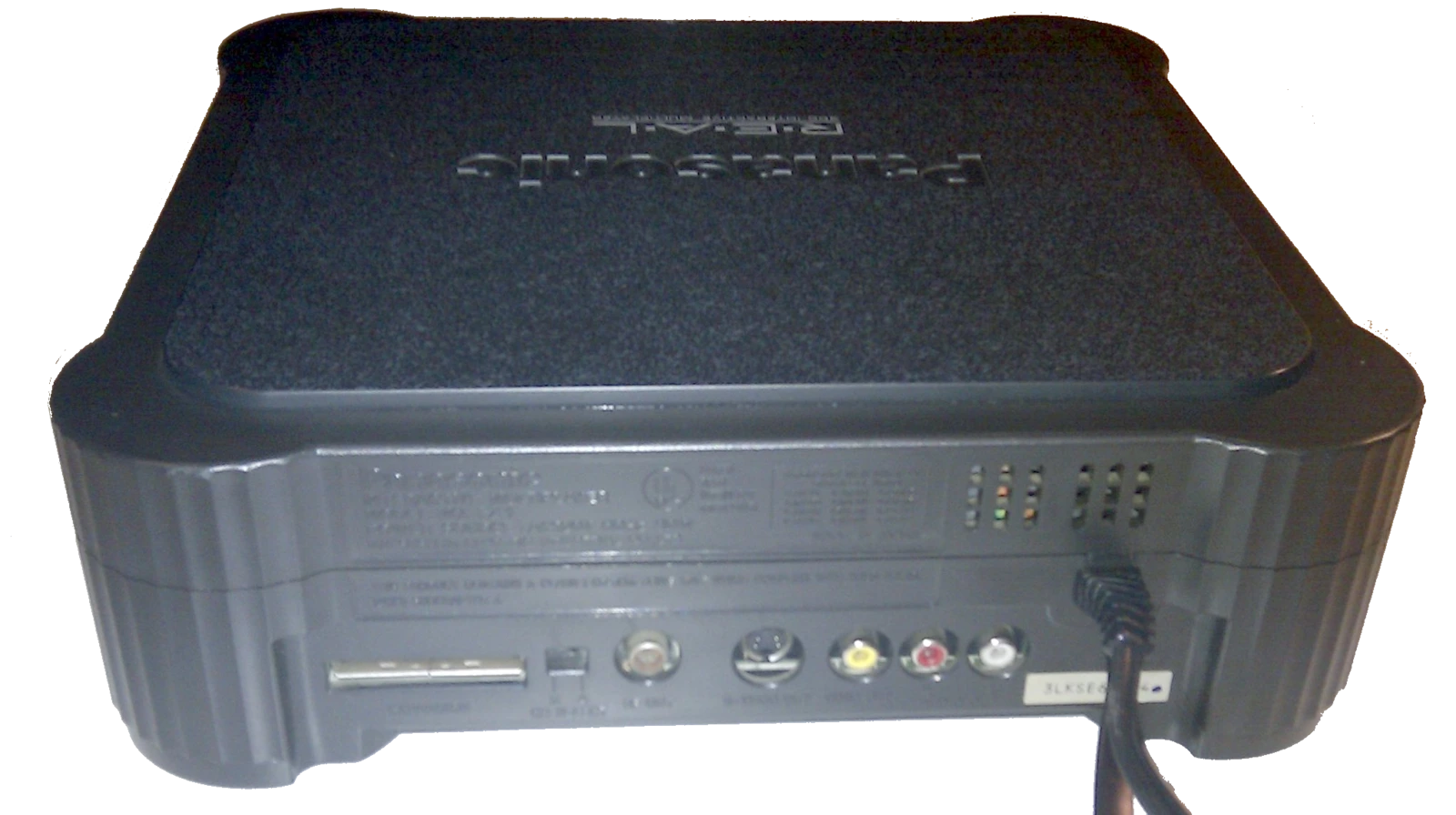
Panasonic FZ-1 R.E.A.L. 3DO Interactive Multiplayer
In the USA, a company named The 3DO Company was founded in 1991 to develop a specification for a game console and a home entertainment system. This …
Photo: own photograph
Open page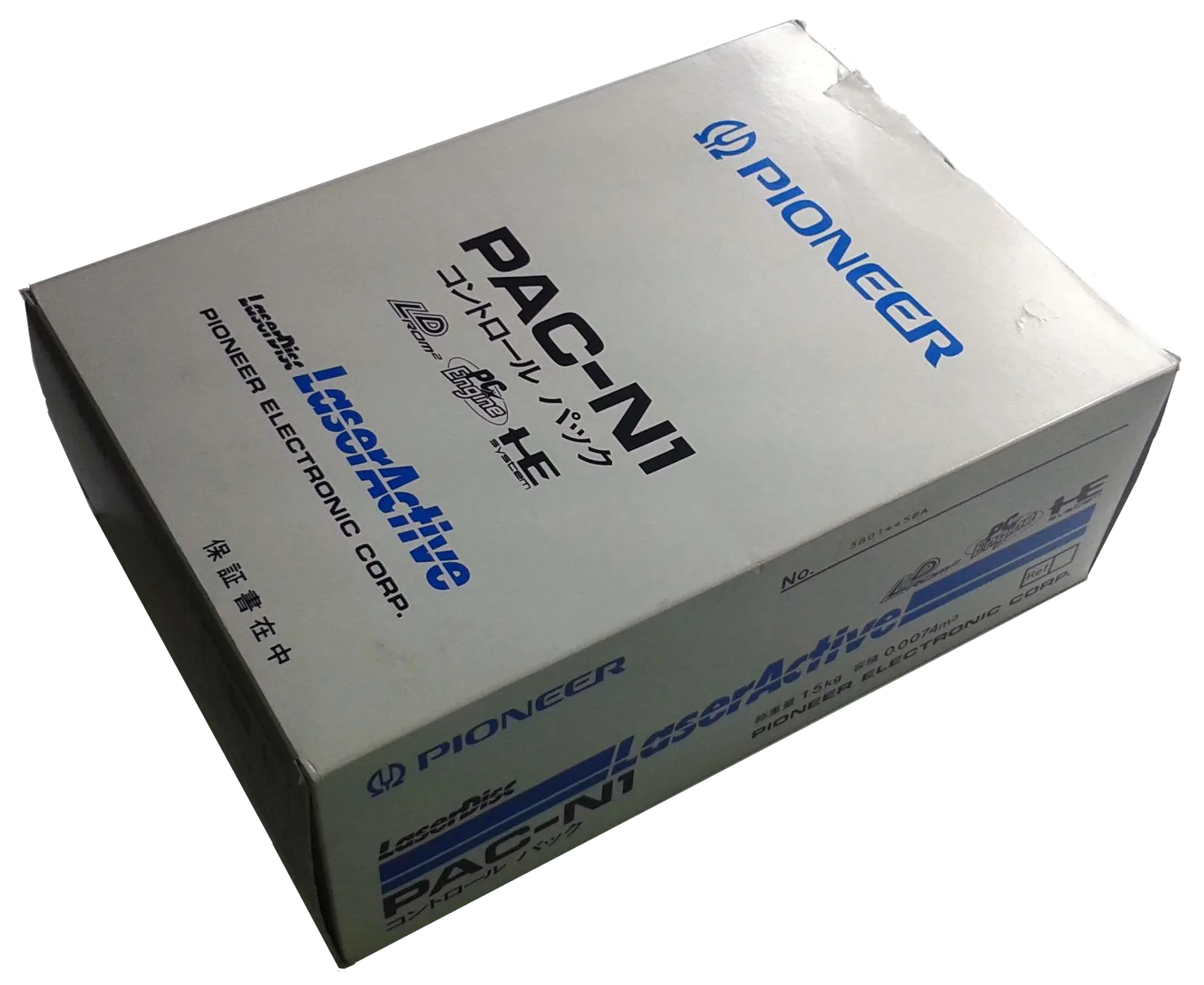
Pioneer LaserActive
A LaserActive CLD-A100 in the collection, with PAC-N1, PAC-S1 and GOL-1. A modular approach to combining games and LaserDisc media.
Photo: own photograph
Open page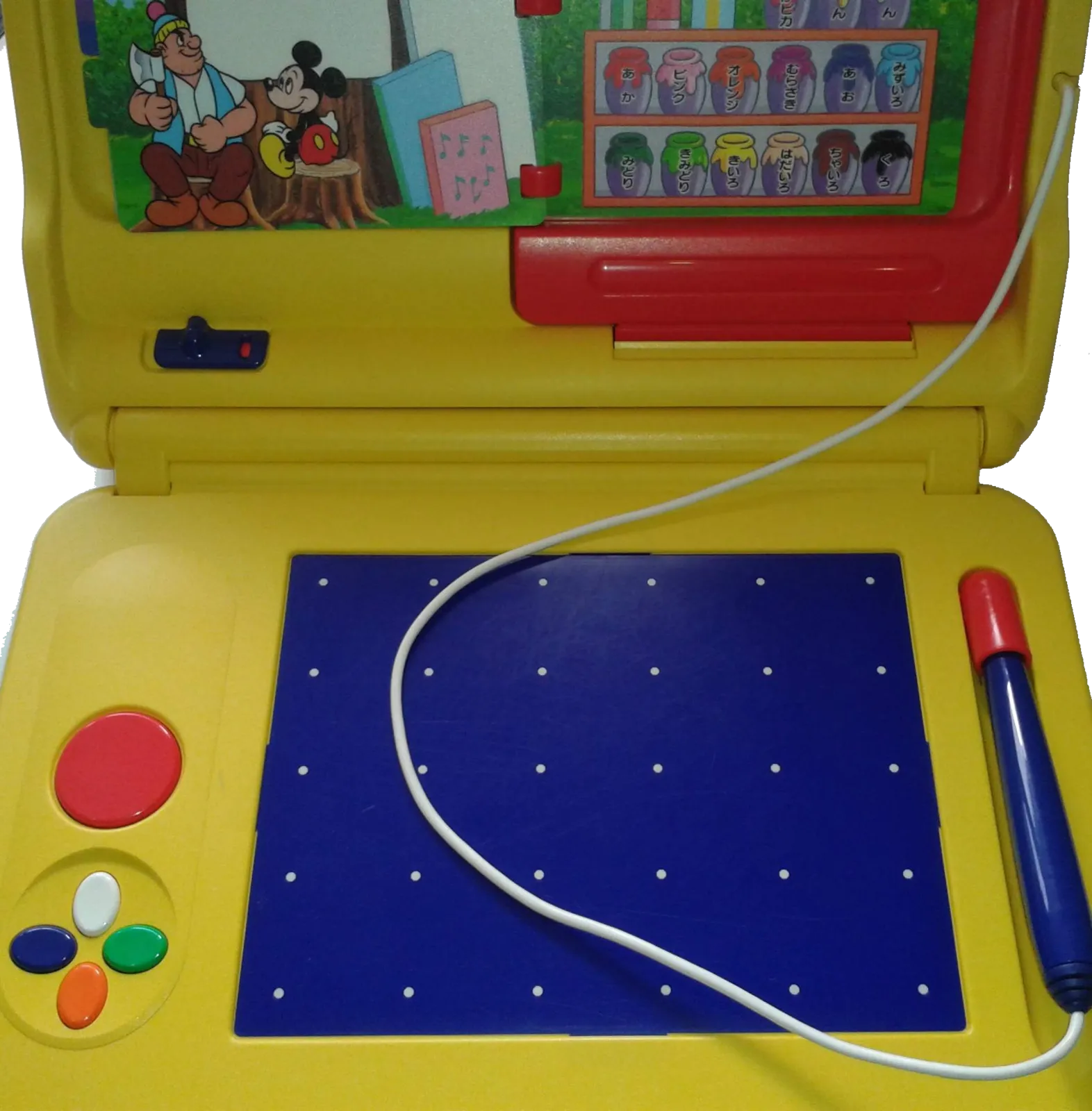
Sega Kids Computer Pico
While Sega continues to devote herself to the classic home consoles, the first console for learning appears in parallel. The Sega Pico (called Pico Kids …
Photo: own photograph
Open page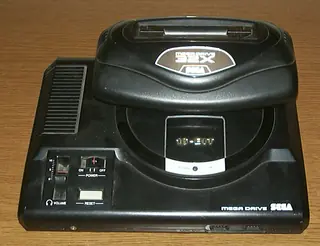
32 X
Shortly before the Playstation launched, Sega released a hardware add-on for the Sega Mega Drive. The Sega 32x was intended to turn the 16-bit Mega Drive into …
Model illustration · Image: 32X · CC BY-SA 3.0 · Source and original on Wikimedia Commons · WebP, resized where necessary
Open page
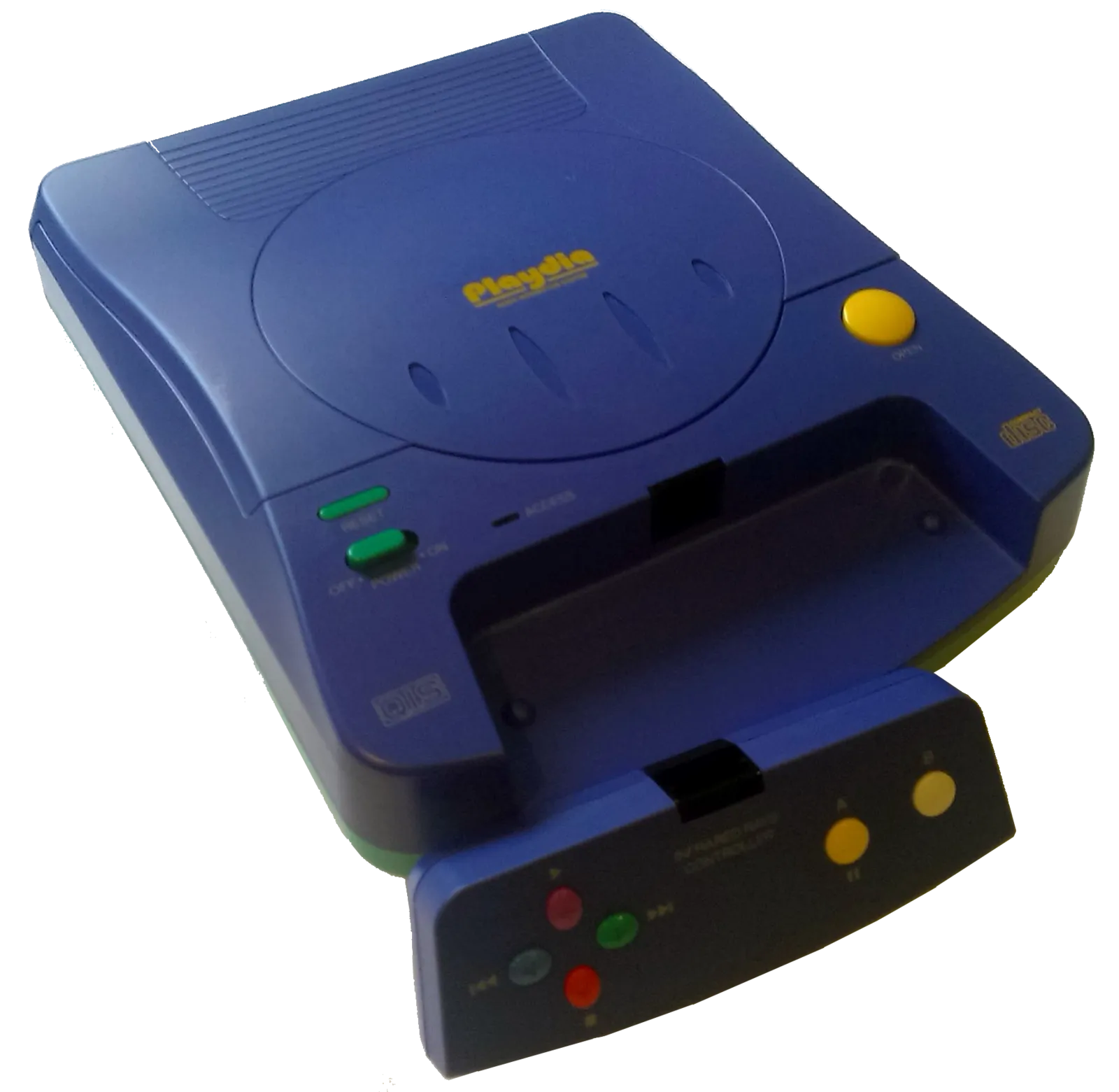
Bandai Playdia
The Playdia is designed for younger children, and despite its appearance, it is more of an interactive video player than a console. This can be easily seen by …
Photo: own photograph
Open page
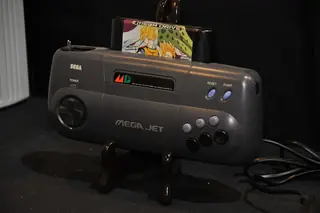
Sega Mega Jet
The Mega Drive is a popular console produced by Sega in 1988. With the recognition of the console and a wide range of games, Sega and Japan Airlines (JAL) work …
Model illustration · Image: Fidel Ramos from Osaka, Japan · CC BY-SA 2.0 · Source and original on Wikimedia Commons · WebP, resized where necessary
Open page
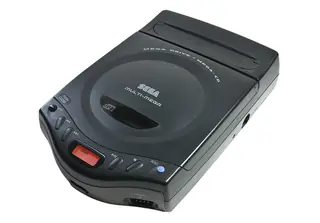
Sega Multi Mega
The Sega Multi-Mega or Sega CDX (USA) is a combination of Sega Mega Drive and Sega Mega-CD limited to 5,000 pieces. It is slightly larger than a discman …
Model illustration · Image: © Bill Bertram (Pixel8) 2008 · CC BY-SA 3.0 · Source and original on Wikimedia Commons · WebP, resized where necessary
Open page
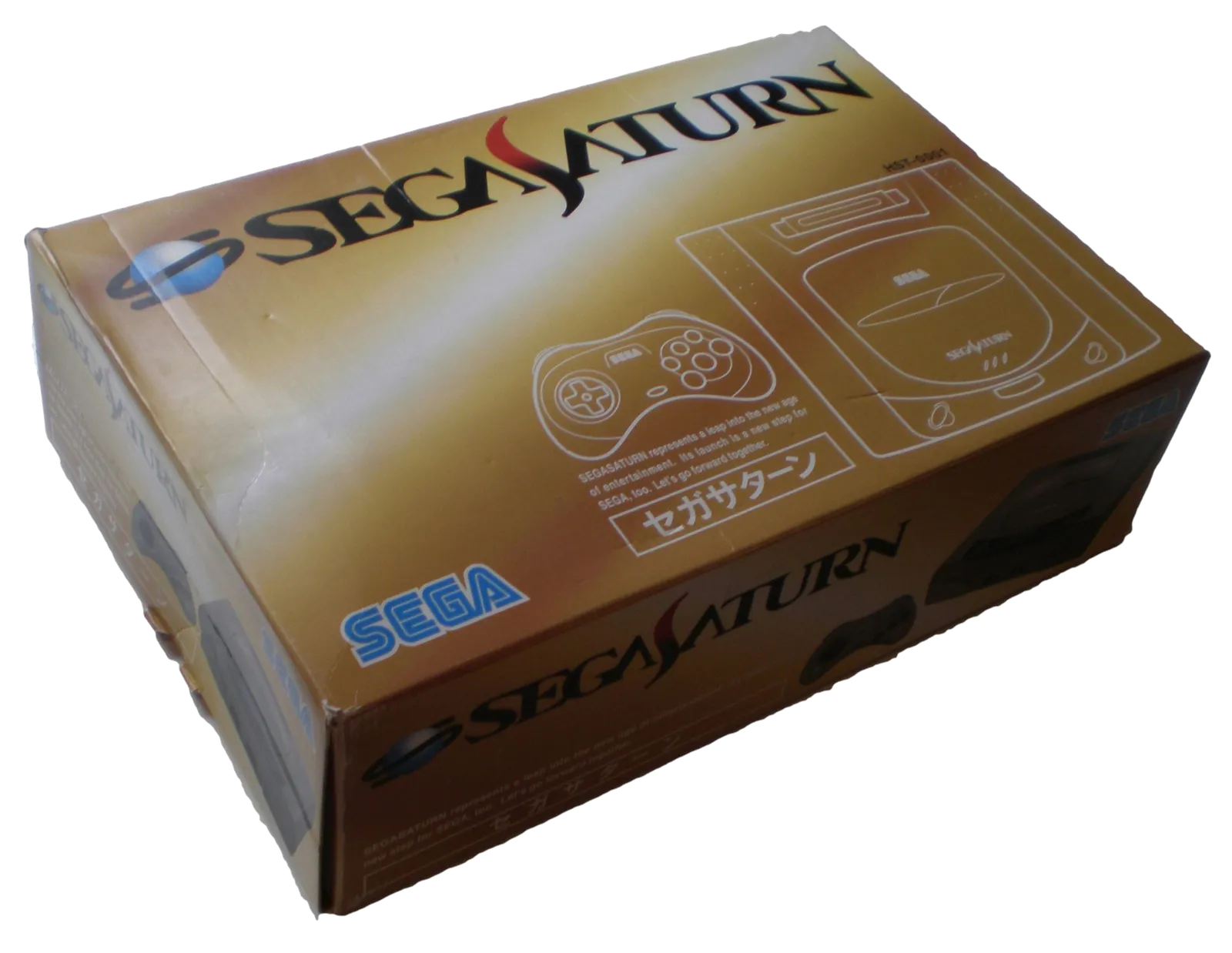
Sega Saturn
Sega Saturn is overshadowed by management decisions that are responsible for Sega's withdrawal from the hardware industry a few years later.
Photo: own photograph
Open page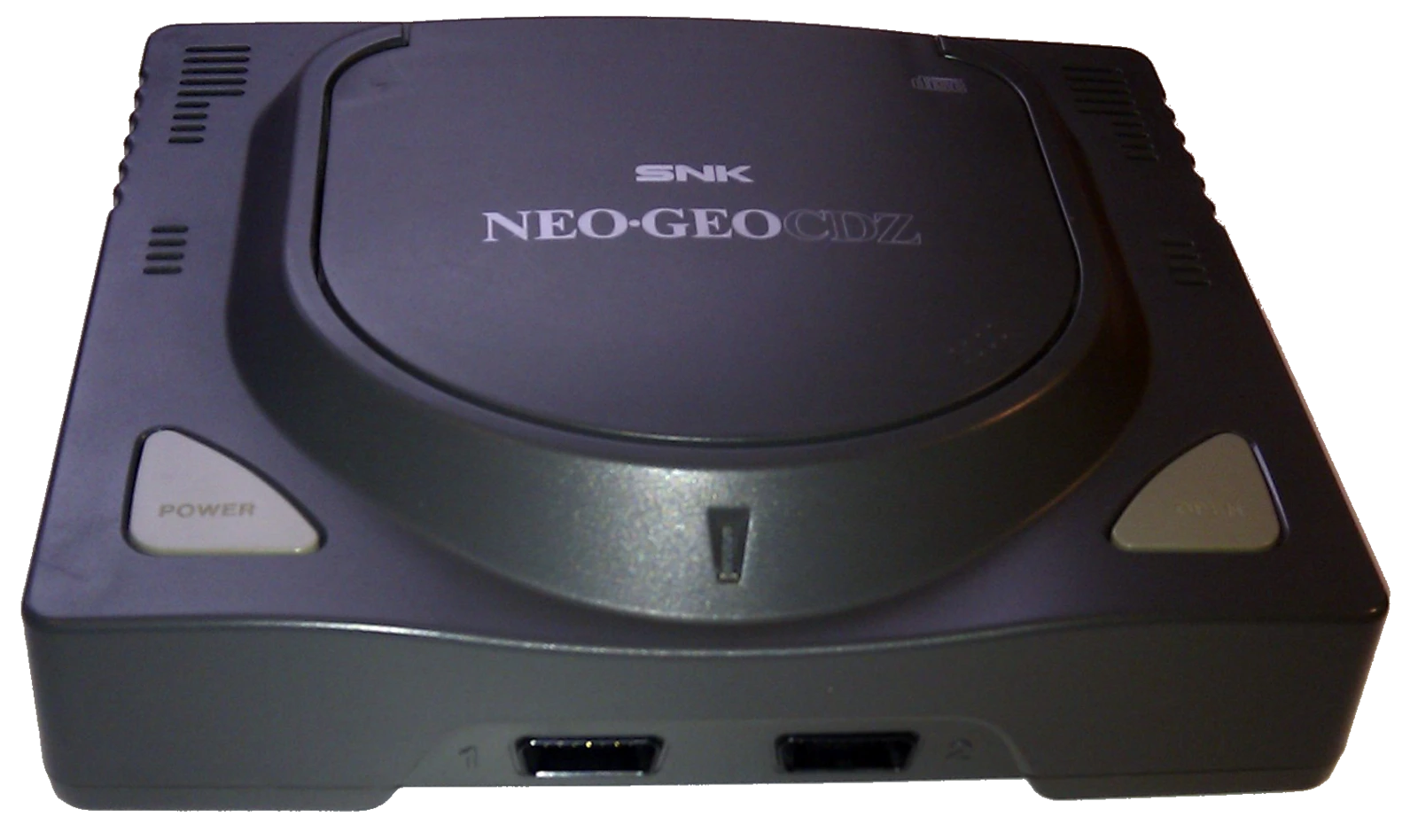
SNK Neo Geo CD
The Neo Geo is a console with modules, which can be found mainly in arcades. The Neo Geo AES is the home version, but the modules are still very expensive. As …
Photo: own photograph
Open page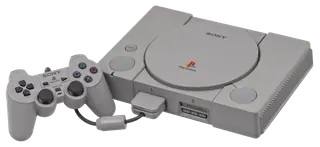
Sony PlayStation (PS1)
After the collaboration between Sony and Nintendo failed to develop a CD-ROM extension for the Super Nintendo, Sony decides to build its own video game …
Model illustration · Image: Evan-Amos · Public domain · Source and original on Wikimedia Commons · WebP, resized where necessary
Open page
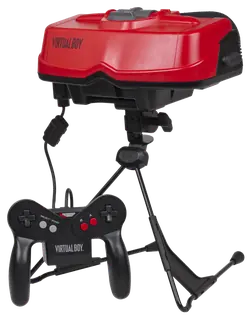
Nintendo Virtual Boy
In the early 90s, Game Boy creator Gunpei Yokoi became interested in a method developed by American company Reflection Technology for producing stereoscopic …
Model illustration · Image: Evan-Amos · Public domain · Source and original on Wikimedia Commons · WebP, resized where necessary
Open page
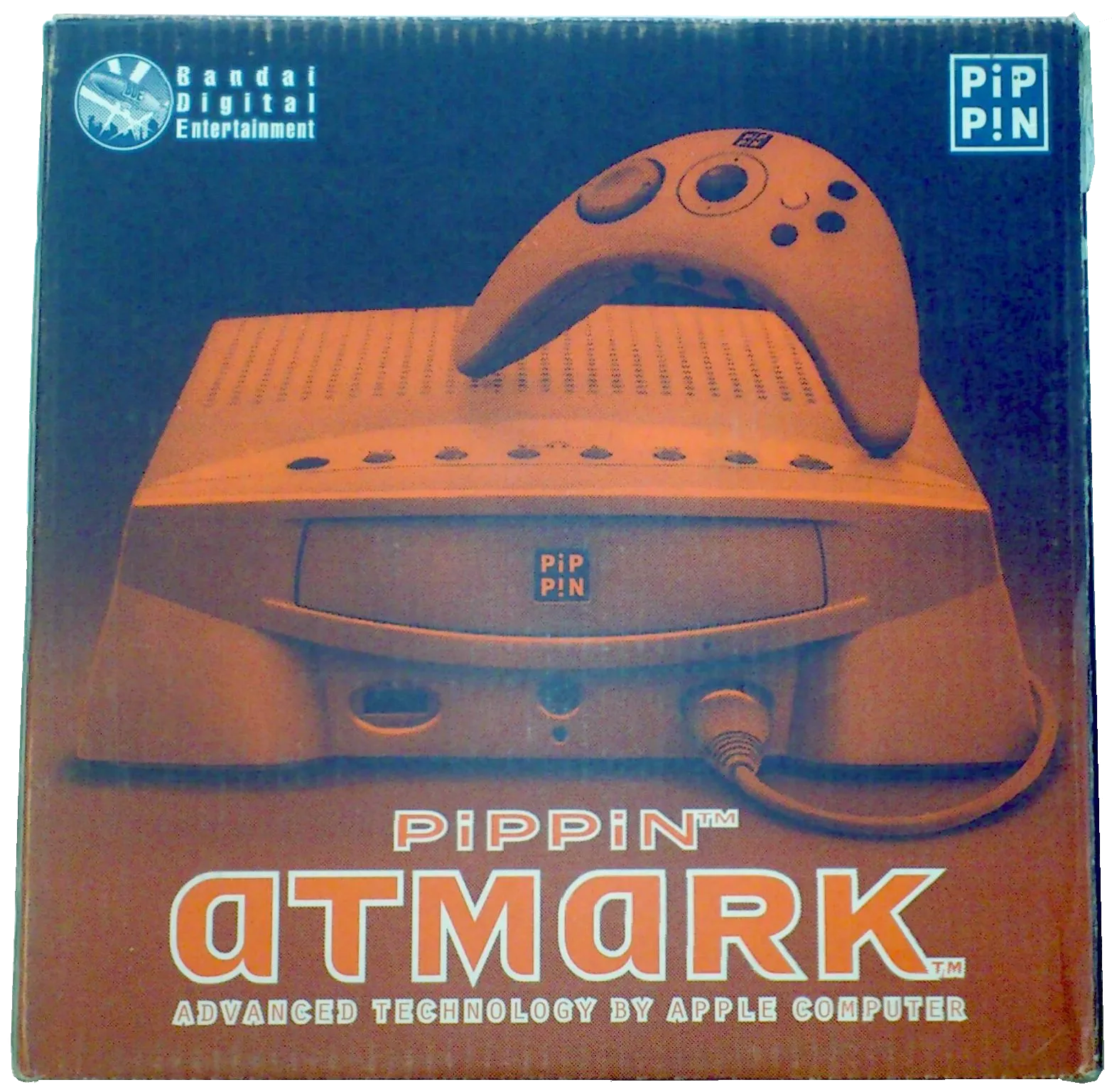
Apple/Bandai Pippin ATMARK
Apple designs the Pippin (named after an apple variety) as a standard that other manufacturers are supposed to build under license. The console is not only …
Photo: own photograph
Open page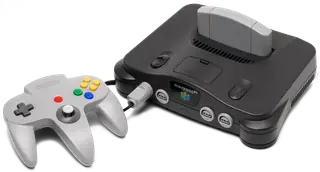
Nintendo 64
The Nintendo 64 appears late in the 5th generation, one and a half years after PlayStation, but is the first console with a 64-bit processor. It is developed …
Model illustration · Image: Evan-Amos · Public domain · Source and original on Wikimedia Commons · WebP, resized where necessary
Open page
R-Zone X.P.G. (Xtreme Pocket Game) by Tiger Electronics
The R-Zone stands for an LCD handheld series by Tiger Electronics, which first comes on the market as a version with Headset 1995. Two years later, in 1997, a …
Open page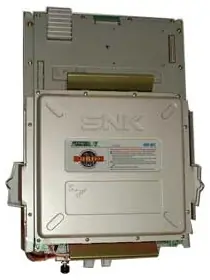
SNK Hyper Neo Geo 64
The Hyper Neo Geo 64 is a 64-bit arcade system that occasionally also found its way into homes. After success in arcades with games including 2D fighters, SNK …
Model illustration · Image: Dogtoy · CC BY-SA 3.0 · Source and original on Wikimedia Commons · WebP, resized where necessary
Open page
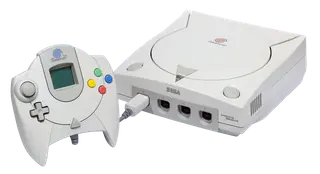
Sega Dreamcast
The Dreamcast is the first released console of the sixth generation. It is also the last console produced by Sega and marks the end of an era.
Model illustration · Image: Asim Saleem (Asim18) · CC BY 3.0 · Source and original on Wikimedia Commons · WebP, resized where necessary
Open page
NUON Player
The Nuon concept is a standard developed by VMLabs as early as 1995. It consists of equipping DVD players with a chipset, which makes it possible to use …
Open page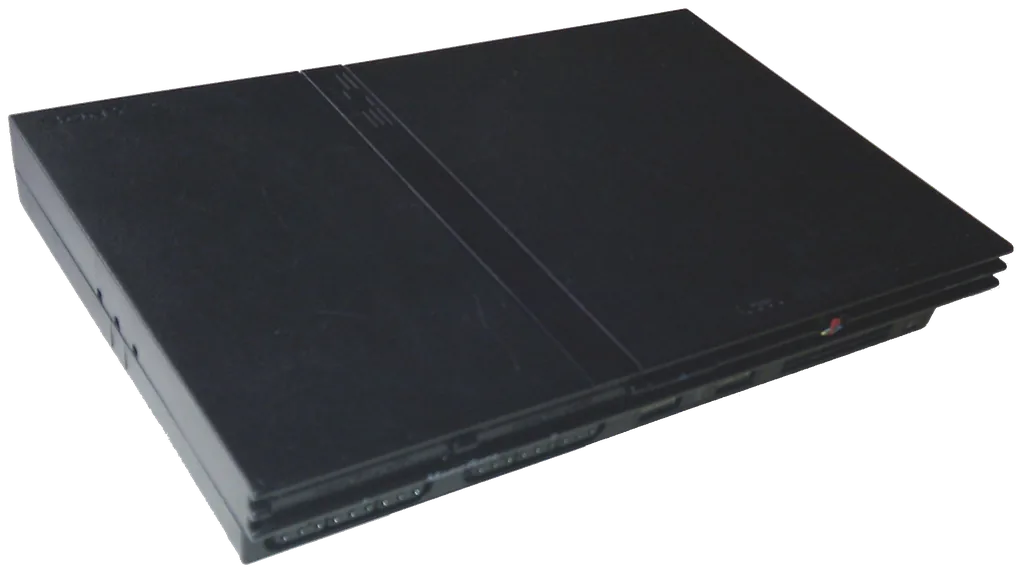
Sony PlayStation 2 (PS2)
Although the available games initially reap average reviews, three factors contribute decisively to the success of the PS2: After Sega has stopped producing …
Photo: own photograph
Open page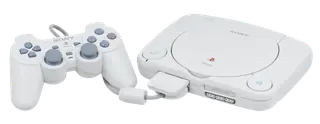
Sony PSone
The Sony PlayStation PSone is a smaller and visually revised version of the first PlayStation. Due to the reduction, the serial port on the back of the console …
Model illustration · Image: Evan-Amos · CC BY-SA 3.0 · Source and original on Wikimedia Commons · WebP, resized where necessary
Open page
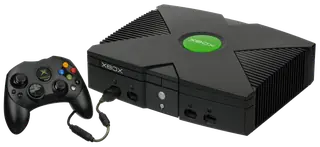
Microsoft Xbox
The XBox is the first American console since Ataris Jaguar five years earlier. It is Microsoft's first step into the console business, except for granted …
Model illustration · Image: Evan-Amos · Public domain · Source and original on Wikimedia Commons · WebP, resized where necessary
Open page
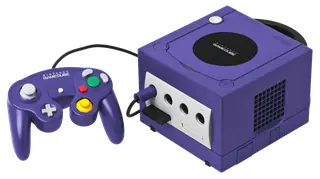
Nintendo GameCube
After Nintendo remained the last manufacturer to use cartridges with the N64, it adopted DVDs for the GameCube. Unlike the XBox and PS2, however, the GameCube …
Model illustration · Image: Evan-Amos · Public domain · Source and original on Wikimedia Commons · WebP, resized where necessary
Open page
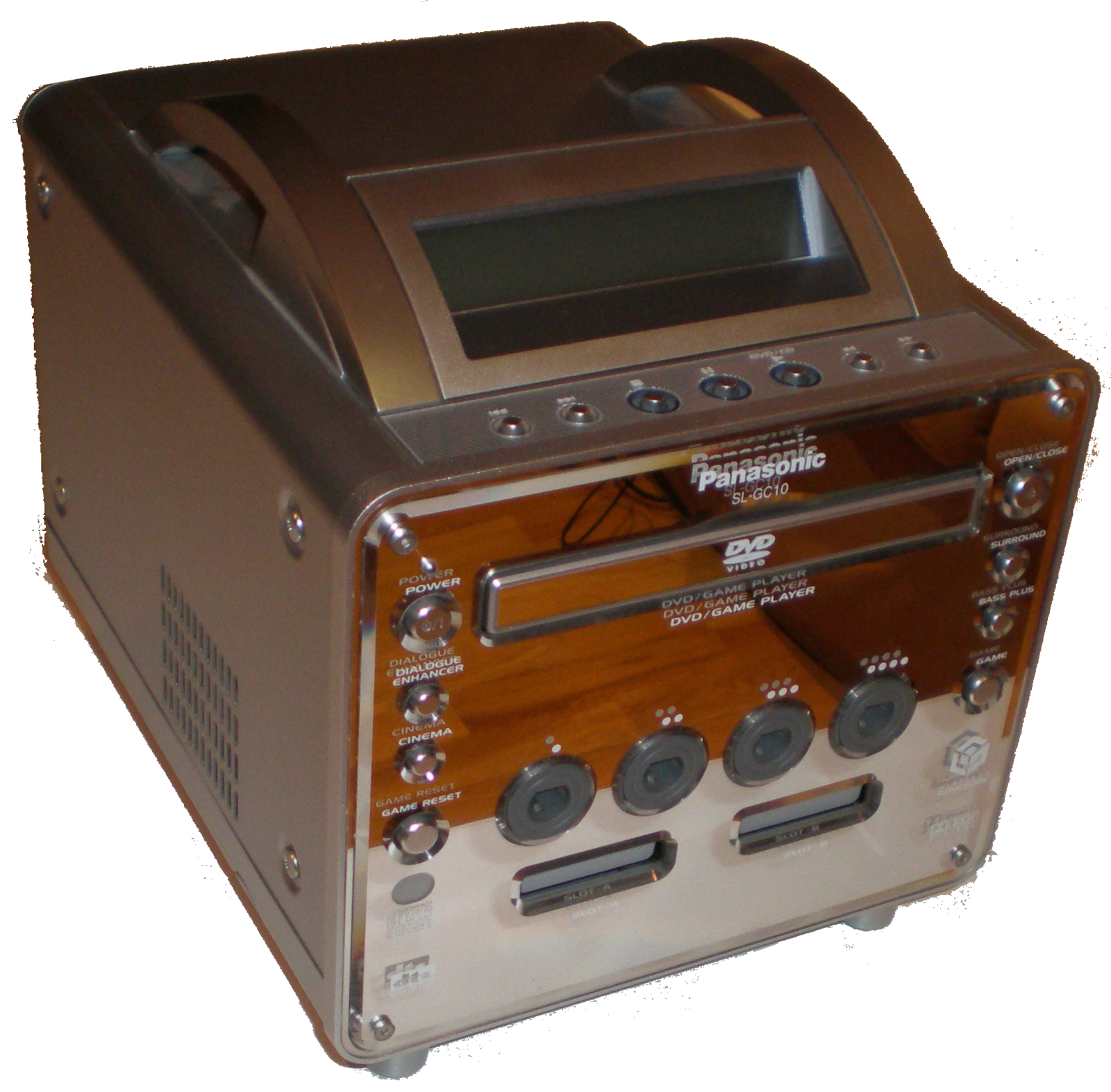
Panasonic Q (SL-GC10)
The Nintendo GameCube is launched in 2001, about five years after the introduction of the DVD. The Sony PlayStation 2 (PS2) and Microsoft Xbox can play DVDs by …
Photo: own photograph
Open pageTV Game 2600 by Jakks Pacific
The Atari 2600 console is now over 35 years old and Jakks Pacific, in response to this anniversary, is presenting 10 Atari classics in a joystick:
Open page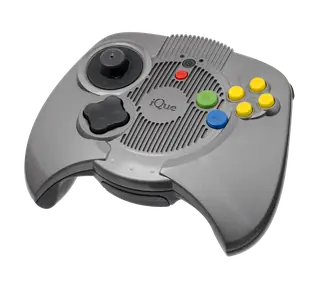
IQue Player
IQue is a joint venture company of Nintendo in China, used to circumvent the console ban, as Chinese companies are less affected by it. In addition, the device …
Model illustration · Image: Evan-Amos · Public domain · Source and original on Wikimedia Commons · WebP, resized where necessary
Open page
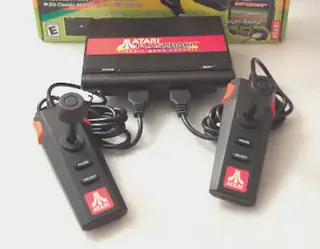
Atari Flashback (Mini 7800), AtGames Flashback 3
Atari had great success with the game consoles Atari 2600 and Atari 7800 in the 1970s and 1980s. In 2004 Atari launched the small Atari Flashback console to …
Model illustration · Image: Martin GoldbergThe original uploader was LeonWhite at English Wikipedia. · CC BY 2.5 · Source and original on Wikimedia Commons · WebP, resized where necessary
Open page
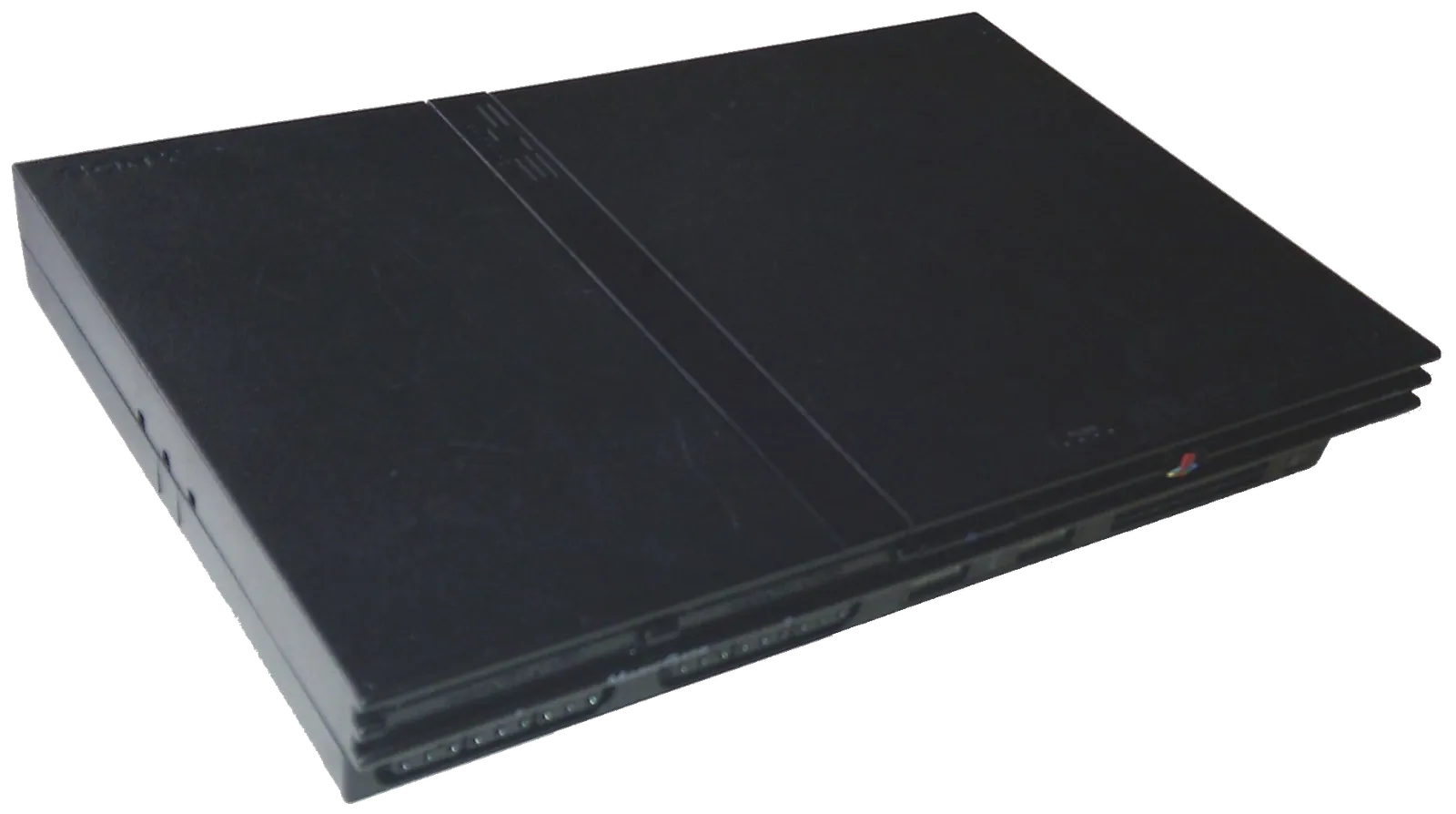
Sony PlayStation 2 Slim
In September 2004, a smaller version of the PS2 console was released. It is lighter and quieter than the original model and has already built-in technology for …
Photo: own photograph
Open page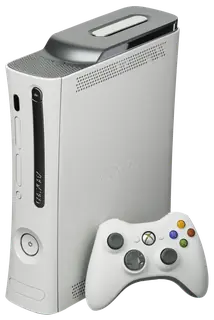
Microsoft Xbox 360
At the time of launch, the Xbox 360 is still subject to some technical problems. In particular, the so-called "Red Ring Of Death", which is expressed by three …
Model illustration · Image: Removed white background. Original by Evan-Amos. · Public domain · Source and original on Wikimedia Commons · WebP, resized where necessary
Open page
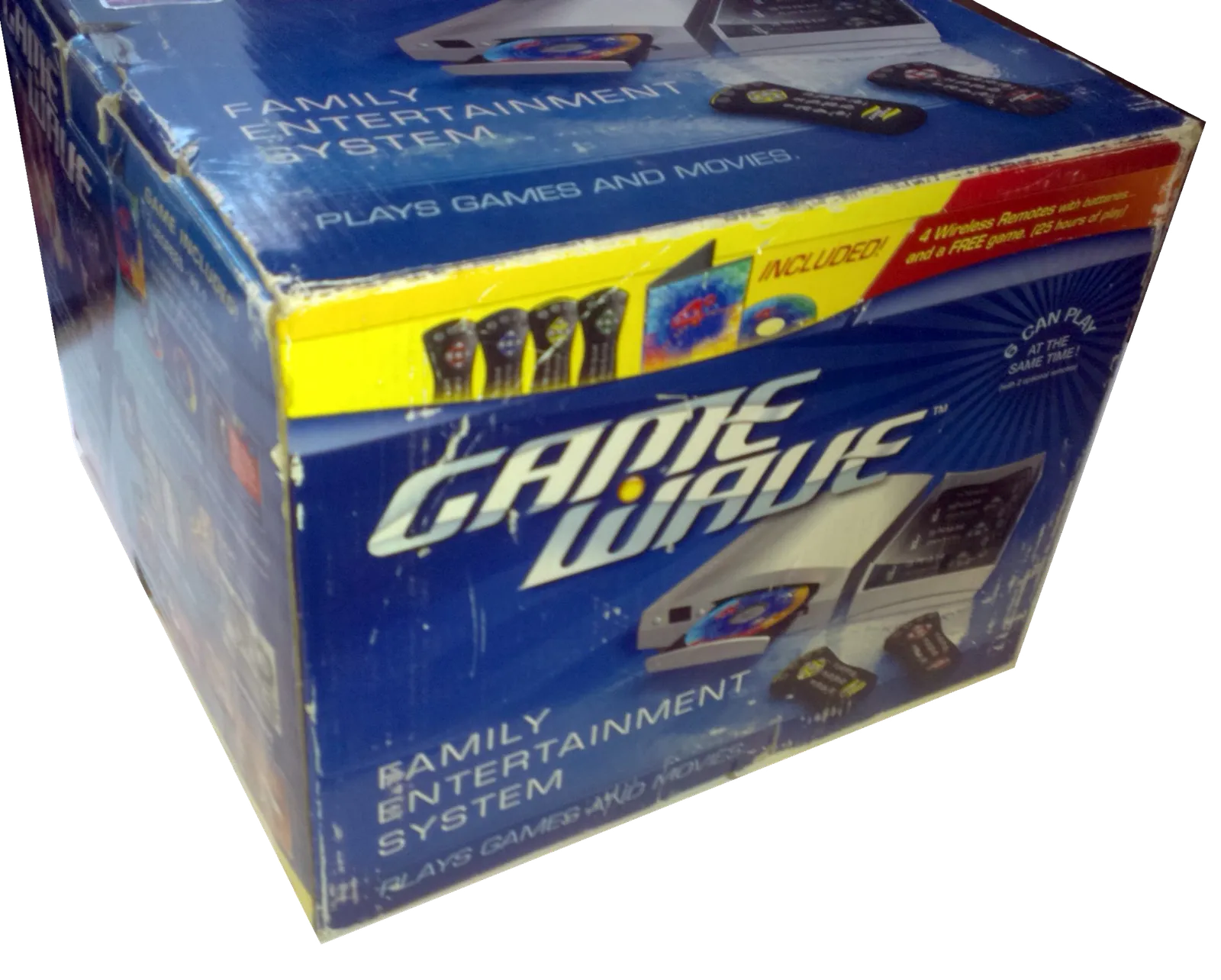
ZAPiT Game Wave Family Entertainment
In addition to the large consoles of Sony, Microsoft and Nintendo, some niche products, such as the Game Wave Family Entertainment System, appear in the …
Photo: own photograph
Open page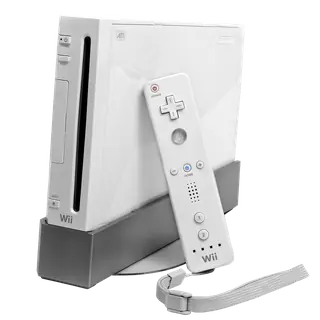
Nintendo Wii
The special feature of the Wii is its unique controller: the Wii Remote (or Wiimote) is a kind of remote control that allows you to map the three-dimensional …
Model illustration · Image: Evan-Amos · Public domain · Source and original on Wikimedia Commons · WebP, resized where necessary
Open page
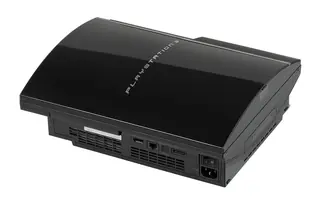
Sony PlayStation 3 (PS3)
The PlayStation 3 (PS3) is in direct competition with Microsoft Xbox 360 and Nintendo's Wii in the year of its release. The first version on the market is …
Model illustration · Image: Evan-Amos · Public domain · Source and original on Wikimedia Commons · WebP, resized where necessary
Open page
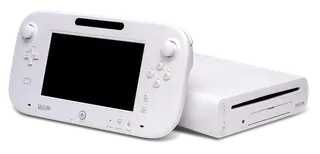
Nintendo Wii U
The Wii U of Nintendo is the successor to the highly successful Wii console. Like its predecessor, those rely on a special type of controller: the Wii U …
Model illustration · Image: Takimata (edited by:Tokyoship) · CC BY-SA 3.0 · Source and original on Wikimedia Commons · WebP, resized where necessary
Open page
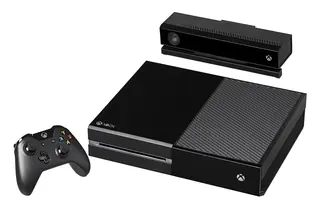
Microsoft Xbox One
The third console of the Xbox family is Xbox One. The name aims at the "all-in-one" function of the console, meaning a holistic entertainment system that not …
Model illustration · Image: Evan-Amos · Public domain · Source and original on Wikimedia Commons · WebP, resized where necessary
Open page
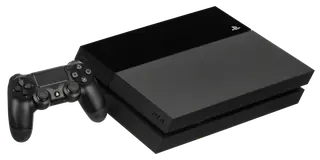
Sony PlayStation 4
The PlayStation 4 was released in 2013. The model portrait explains the console family; which devices belong to the collection shows the console list.
Model illustration · Image: Evan-Amos · Public domain · Source and original on Wikimedia Commons · WebP, resized where necessary
Open page
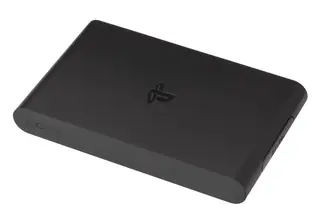
Sony PlayStation TV
Small console with which PlayStation Vita games can be played, or you stream a game either from PlayStation Now or the PS4.
Model illustration · Image: Evan-Amos · Public domain · Source and original on Wikimedia Commons · WebP, resized where necessary
Open page
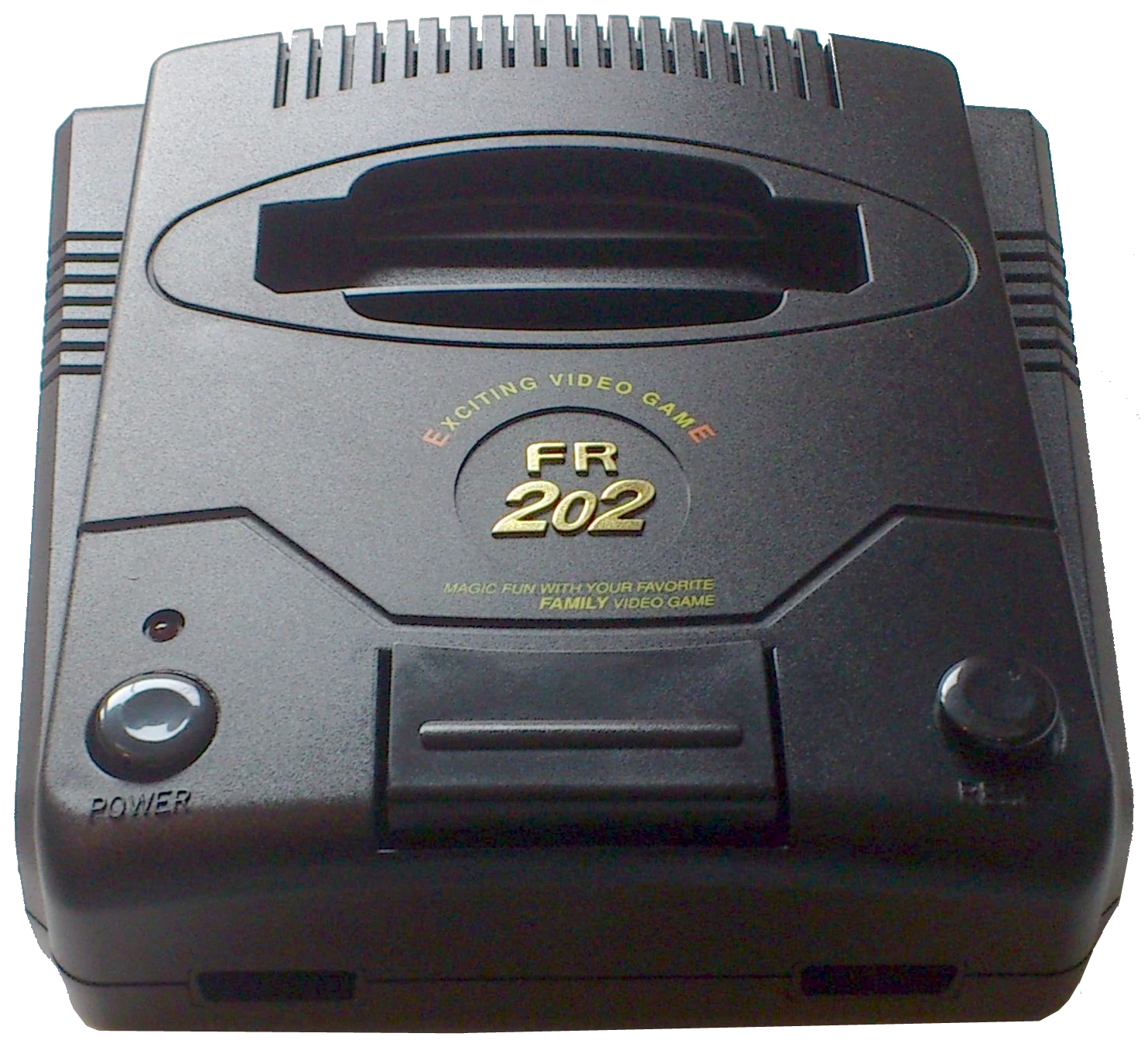
Family FR-202
The Family FR-202 is a Famiclone in a dark case. The cartridge slot and the Power and Reset buttons are on top.
Photo: own photograph
Open pageInventory list
The collection includes home game consoles from various generations up to the PlayStation 5, as well as console clones and retro consoles. The inventories list the models present and their quantities. The generation numbers provide chronological and technical context.
Pong consoles, handhelds and electronic toys are listed in separate areas.
Video game consoles
Total: at least 152
The console accessories belonging to the collection are documented separately. These links describe the holdings within the complete collection.
Clones
Copies of successful consoles have existed since the Coleco Gemini of 1982. Since the 1990s, they have been particularly widespread in countries where major manufacturers such as Nintendo have no official distribution. As they are produced for markets whose purchasing power is generally much lower than that of Western countries, they are usually copies of older 8-bit devices that are inexpensive to manufacture. The makers of these clones often operate in a legal grey area. Although producing the technology itself is legal, many clone consoles borrow the appearance of the original designs or use unlicensed images of games or characters on their packaging. Basic information, such as the manufacturer’s name or year of production, is often difficult to verify, and statements on the packaging may not reflect the facts.
| Manufacturer | Name | System | Generation | Year | Notes | Quantity |
|---|---|---|---|---|---|---|
| Gametech | Neo Fami | Famicom | 3 | 2004 | Original packaging; white version | 1 |
| Gametech | Poketfami | Famicom | 2 | 2004 | Famicom handheld | 1 |
| (unknown) | Arcade Action II (Argo UT-60) | ? | 3 | ???? | Original packaging | 1 |
| (unknown) | Dendy Kids | ? | 3 | ???? | Original packaging; Info | 1 |
| (unknown) | Fami-Comfort DX (black version) | Famicom (?) | 3 | ???? | Original packaging | 1 |
| (unknown) | Fami-Comfort DX (white version) | Famicom (?) | 3 | ???? | Original packaging | 1 |
| (unknown) | Funstation | ? | 3 | ???? | Original packaging | 1 |
| (unknown) | Family Video Computer Game Action Set | Famicom (?) | 3 | ???? | Original packaging | 1 |
| (unknown) | Station 2000 MegaPlay | ? | 3 | ???? | Original packaging | 1 |
| (unknown) | King Game Computer | ? | 3 | 2010 (?) | Original packaging | 1 |
| Yassin Games (?) | Essam Ghlab 8 Bit Super Entertainment Computer | ? | 3 | ???? | Original packaging | 1 |
| (unknown) | Terminator 2/Super Design Ending-Man BS-500 AS | Famicom | 3 | 1992 | Original packaging; Info | 1 |
| Cyber Gadget | Famulator (CY-FMLT-RE) | Famicom | 3 | ???? | Original packaging | 1 |
| Family/Ledertech & Electronic | FR 202 Thunder | ? | 3 | ???? | Info | 1 |
| Hamy | TV Game (9959) | ? | 3 | ???? | Original packaging | 1 |
| Hamy | Dual station Video Game System | NES/Mega Drive | 3/4 | ???? | Original packaging | 1 |
| Neo | Mega+Power II | Famicom | 3 | ???? | Original packaging | 1 |
| Redant | Game Axe | Famicon | 3 | ???? | Handheld; Info | 1 |
| (unknown) | Mega Drive II | Mega Drive | 4 | 2012 (?) | Original packaging; licensed by Sega according to the packaging (doubtful) | 1 |
| SoRoo | Panda | Famicom (?) | 3 | ???? | Original packaging | 1 |
| StarGame | Mega Drive 2 | Mega Drive | 4 | 2012 (?) | Original packaging | 1 |
| StarGame | New Educational TV Game (SG-E01E) | Famicom (?) | 3 (?) | ???? | Original packaging | 1 |
| Subor | SB2000 | Famicom | 3 | ???? | Famicon clone with keyboard, mouse and floppy drive; Info | 1 |
| (unknown) | FC Mobile/FCM-74/Nintendo software mobile | Famicom (?) | 3 | ???? | 1 | |
| Computec | Video Game System | Atari VCS | 2 | ???? | 1 | |
| (unknown) | Power Station 64 Games | ? | 3 | ???? | 1 | |
| (unknown) | Game Planet Super Com Entertainment System/SP-60 (Action Set JJ-8060) | ? | 3 | ???? | 1 |
Total: 27
All-in-one consoles and retro emulators
For some years, consoles have been available that emulate devices from earlier generations or reproduce them, usually through emulation. Some integrate the entire device into a controller that connects directly to a television. These all-in-one consoles generally have no cartridge slot; instead, a fixed set of games is built in. Apart from exceptions such as the Neo Geo X, further games cannot be added. Unlike console clones, the consoles in this section are generally officially licensed products.
| Manufacturer | Name | System | Generation | Year | Notes | Quantity |
|---|---|---|---|---|---|---|
| Tommo | Neo Geo X Gold | Neo Geo | 4 | 2012 | Original packaging; handheld with 20 built-in games and an SD slot | 1 |
| Atari | Atari Flashback (Mini 7800) | Atari VCS | 2 | 2004 | Original packaging | 1 |
| AtGames | Flashback 3 | Atari VCS | 2 | 2011 | Original packaging | 1 |
| Coleco | Coleco Sonic | Master System/Game Gear | 3/4 | 2006 | Original packaging; Info | 1 |
| AtGames | Intellivision Flashback | Intellivision | 2 | ???? | Original packaging; Info | 1 |
| AtGames | Mega Drive Arcade Motion Dual | Mega Drive | 4 | ???? | 1 | |
| Mebe Teck | TV-Games Plug & Play | ? | ? | ???? | Original packaging | 1 |
| MGT | GP-480.fit | Wii (?) | 7 (?) | ???? | Original packaging; Info | 1 |
| MGT | Game console with soft mat and 8 games | Wii (?) | 7 (?) | ???? | Original packaging | 1 |
| Jakks Pacific | Plug & Play TV Games | Atari VCS | 2 | ???? | Original packaging; Activision version; Competition Pro design | 1 |
| Jakks Pacific | Plug & Play TV Games | Atari VCS | 2 | ???? | Original packaging; Atari joystick design | 1 |
| Jakks Pacific | Plug & Play TV Games | Atari VCS | 2 | ???? | Atari joystick design | 1 |
| JM Bruneau | Wireless Game Console (CJS019DAU001) | Wii (?) | 7 (?) | Original packaging | 1 | |
| Sega Toys (?) | Mega Drive Volume II | Mega Drive | 4 | ???? | Original packaging | 1 |
| (unknown) | Stelly | ? | ? | ???? | 1 | |
| Tec Planet | 59 Games in 1 | ? | ? | ???? | 1 | |
| U.M.C. | Mega Drive 3 | Mega Drive | 4 | 2001 | Original packaging | 1 |
| Videojet | PDC | ? | ? | 2011 (?) | Original packaging; Info | 1 |
Total: 18