Keyword · 146 pages
USA
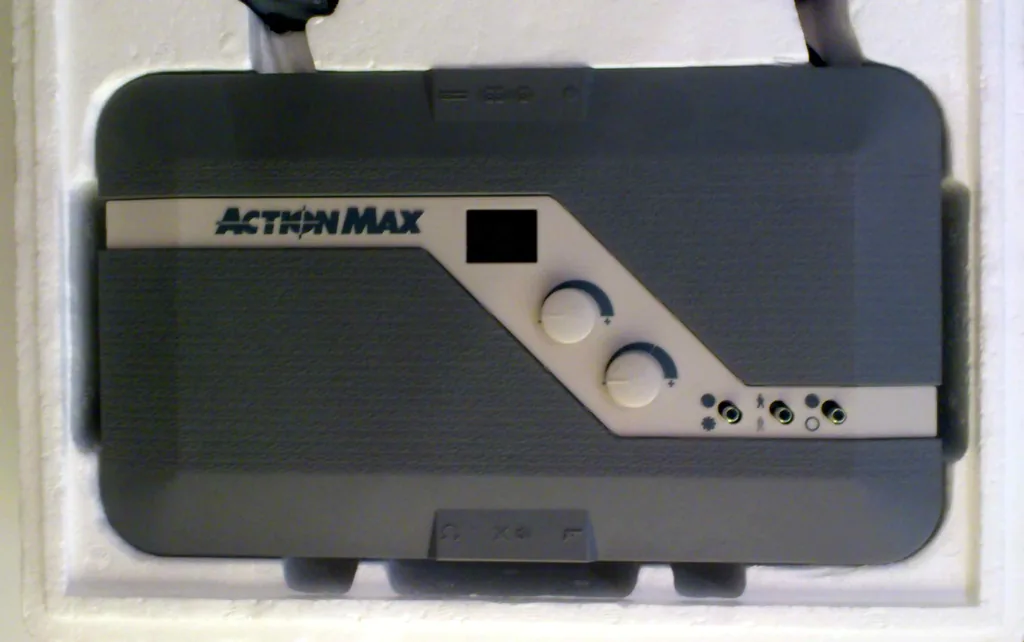
ActionMax Game System by Worlds of Wonder
Worlds of Wonder was a U.S. company that launched the ActionMax Game System (also ACTIONMAX) in 1987. The type of data carrier is particularly interesting on …
Photo: own photograph
Open pageAltair BASIC
Bill Gates and Paul Allen’s BASIC interpreter for the Altair 8800 worked so well that MITS asked them to continue developing it. The friends interrupted their …
Open pageAndroid and the Open Handset Alliance
Andy Rubin, Rich Miner, Nick Sears and Chris White founded Android Inc. in October 2003. They initially planned an advanced operating system for digital …
Open page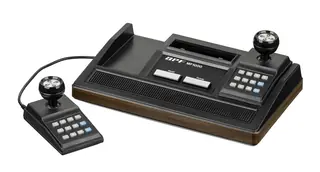
APF M1000
The M1000 is the first console that can be expanded into a home computer. Its Imagination Machine expansion is considerably larger than the console itself. It …
Model illustration · Image: Evan-Amos · Public domain · Source and original on Wikimedia Commons · WebP, resized where necessary
Open page
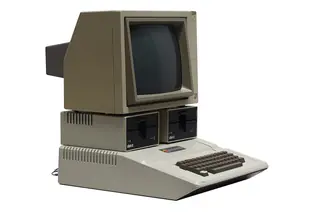
Apple II
On 10 June 1977, Apple launched a new generation of home computers with the Apple II. It was supplied as an assembled product rather than a kit.
Model illustration · Image: Rama & Musée Bolo · CC BY-SA 2.0 FR · Source and original on Wikimedia Commons · WebP, resized where necessary
Open page
Apple iPhone
Steve Jobs presented the first iPhone in 2007. The historical overview explains the approach of the device and refers to the mobile device inventory.
Open page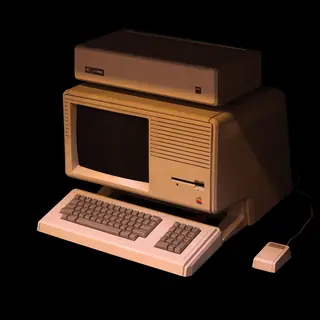
Apple Lisa
Apple released the Lisa 1983; it is considered the first personal computer with mouse and keyboard. The operating system Lisa OS offers a graphical …
Model illustration · Image: Rama & Musée Bolo · CC BY-SA 2.0 FR · Source and original on Wikimedia Commons · Photograph by Rama, Wikimedia Commons, Cc-by-sa-2.0-fr · WebP, resized where necessary
Open page
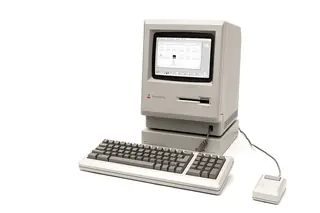
Apple Macintosh Plus
With the Macintosh, Apple promised to “free the world from the clutches of a totalitarian power”, taking aim at IBM. Ridley Scott’s dark commercial for the …
Model illustration · Image: Felix Winkelnkemper · CC BY 2.0 · Source and original on Wikimedia Commons · WebP, resized where necessary
Open page
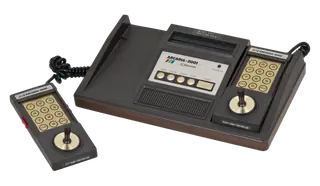
Arcadia 2001
US manufacturer Emerson saves time and money when entering the home console market by licensing existing technology from British manufacturer Radofin: Arcadia …
Model illustration · Image: Evan-Amos · CC BY-SA 3.0 · Source and original on Wikimedia Commons · WebP, resized where necessary
Open page
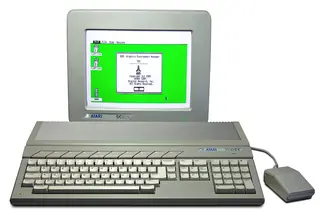
Atari 1040ST
In April 1986, the Atari 1040ST joined the ST range, with a larger case and 1 MiB of RAM. Its introductory price in Germany was 3298 DM.
Model illustration · Image: © Bill Bertram, 2006 · CC BY-SA 2.5 · Source and original on Wikimedia Commons · WebP, resized where necessary
Open page
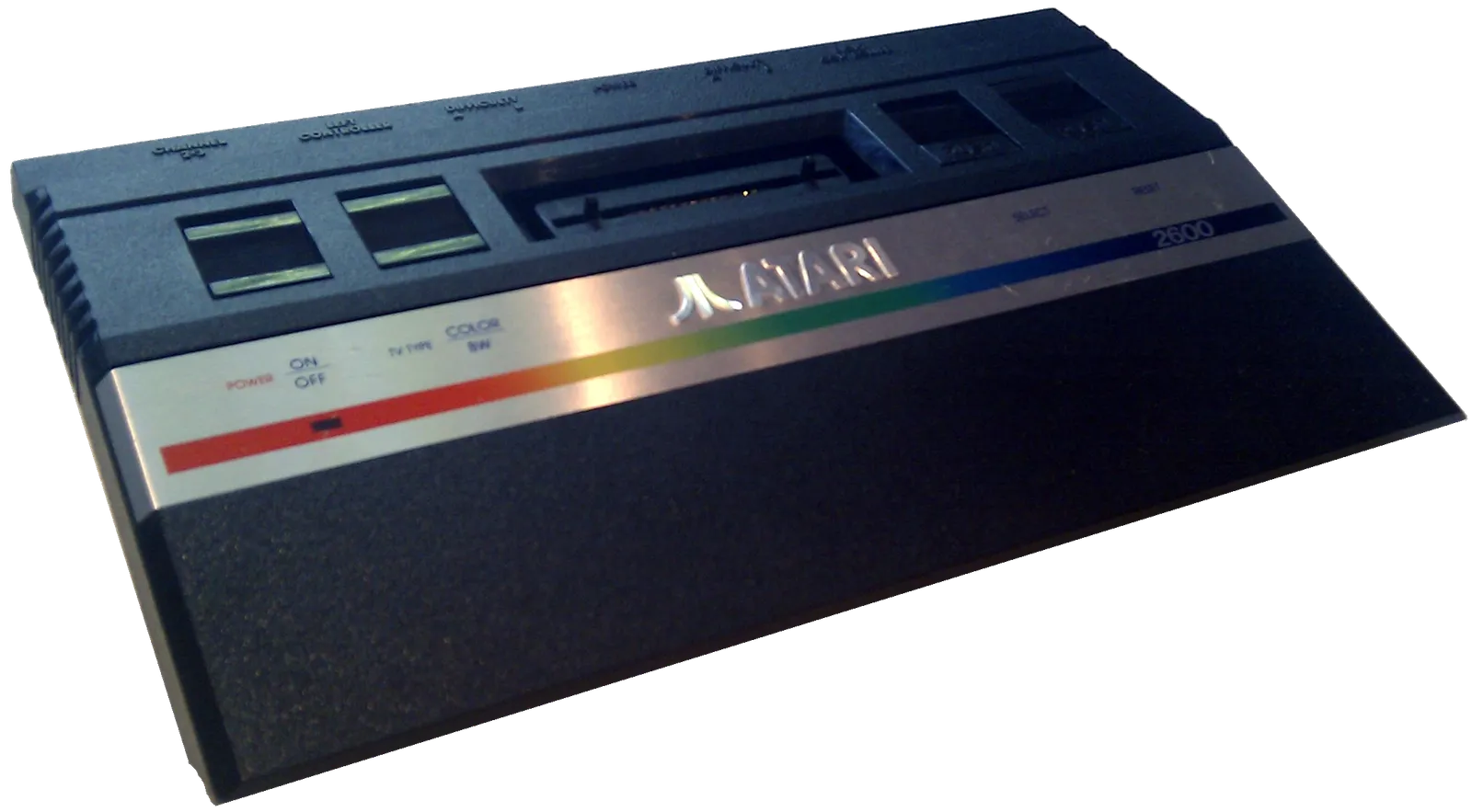
Atari 2600
The Atari 2600, originally released as the Atari VCS (Video Computer System), was among the first consoles to use interchangeable cartridges containing …
Photo: own photograph
Open page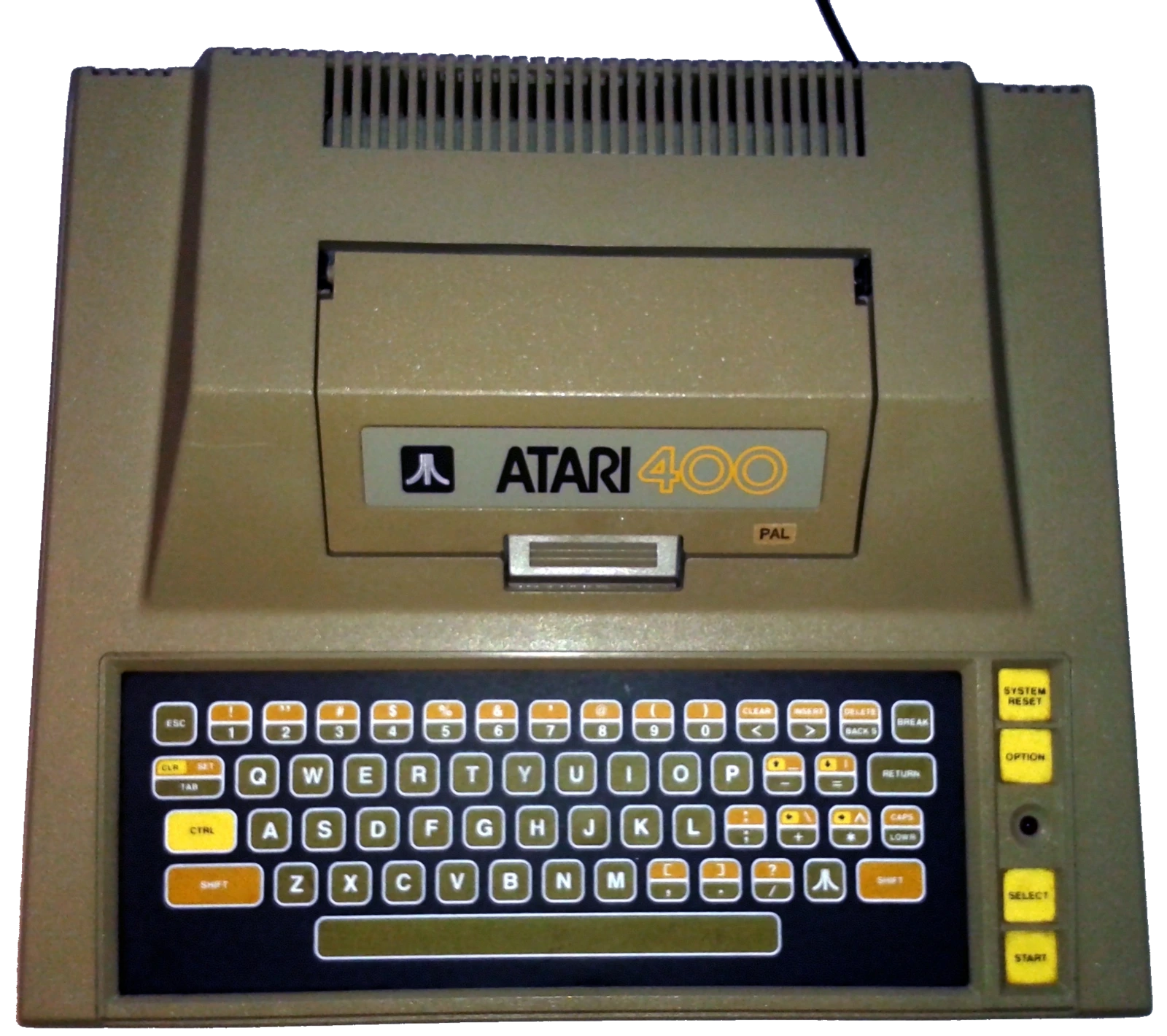
Atari 400/800
As the 2600 established itself among home consoles in the late 70s, Atari began planning its successor. Warner Communications had bought the company and …
Photo: own photograph
Open page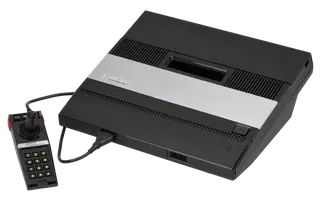
Atari 5200
The Atari 5200 is the successor of the Atari 2600. Technically it corresponds to the home computers Atari 400 and 800, there are different connections for …
Model illustration · Image: Evan-Amos · Public domain · Source and original on Wikimedia Commons · WebP, resized where necessary
Open page
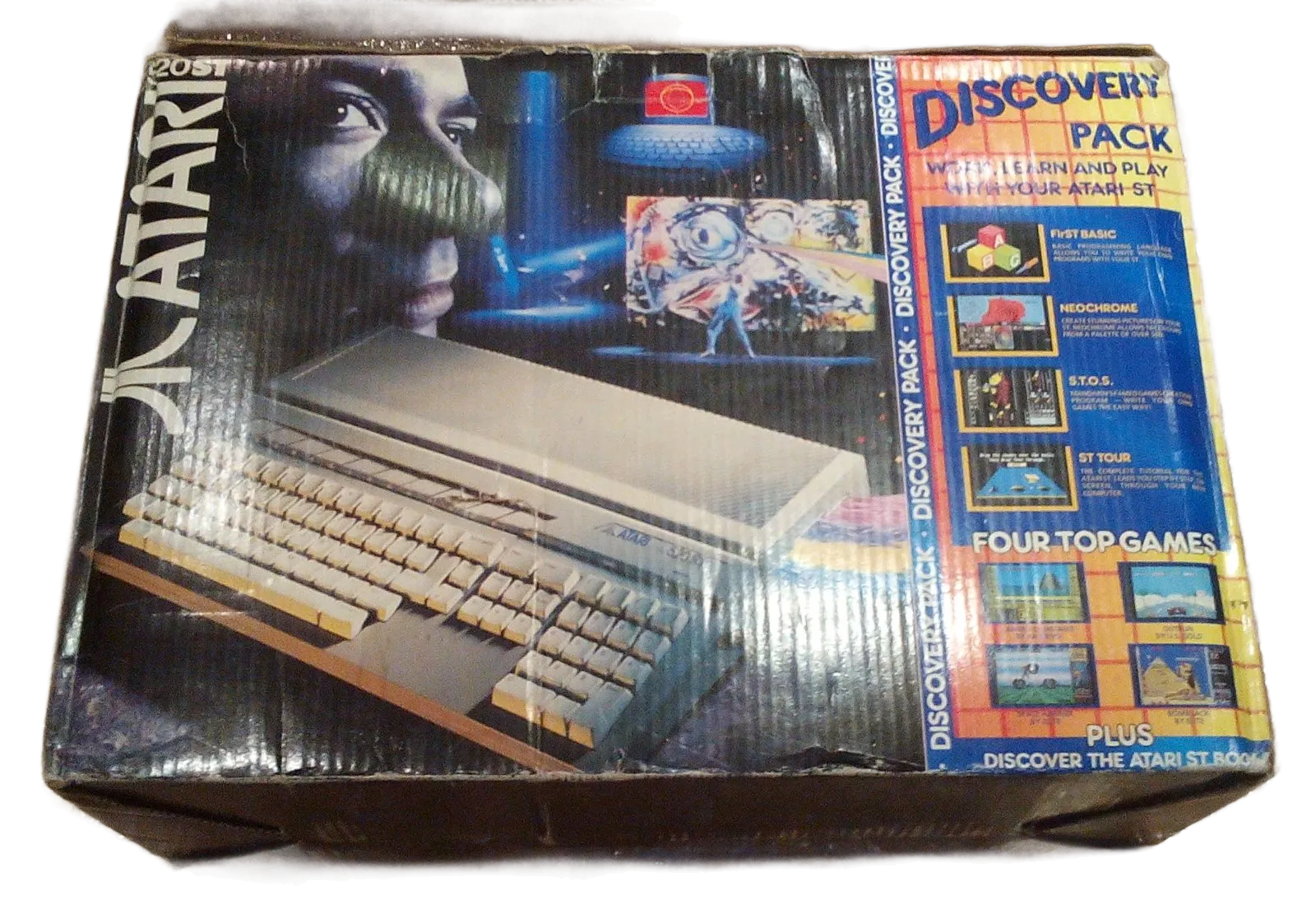
Atari 520ST
After the Sinclair QL, Atari is the second company with a home computer based on the 16/32-bit Motorola 68000 processor. Based on the CPU's data bus width …
Photo: own photograph
Open page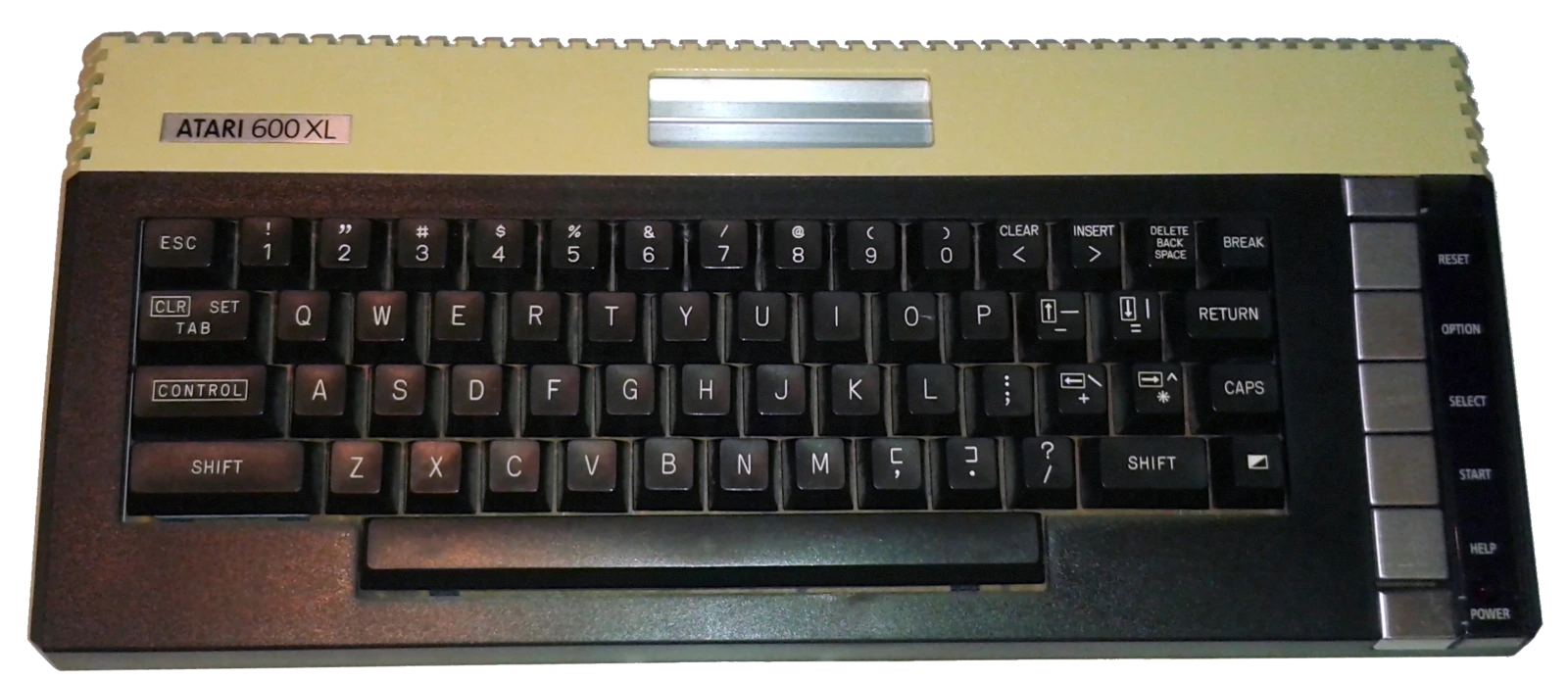
Atari 600XL
In the early 1980s, Atari enjoyed success with the VCS 2600 console and the Atari 400/800 computers, but sales were declining. It responded in 1982 with the …
Photo: own photograph
Open page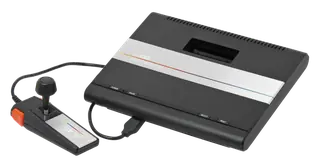
Atari 7800
After the commercial failure of the Atari 5200, the successor model Atari 7800 relied on the buyership of the Atari 2600 – the console has its own module …
Model illustration · Image: Evan-Amos · CC BY-SA 3.0 · Source and original on Wikimedia Commons · WebP, resized where necessary
Open page
Atari Falcon 030
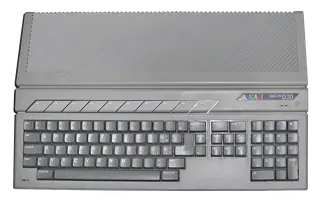
The Atari Falcon 030 Computer System, or Atari Falcon, is the last home computer of the Atari Corporation. This marks the end of the golden era in 1993. Like …
Model illustration · Image: LosHawlos · CC BY-SA 3.0 · Source and original on Wikimedia Commons · LosHawlos · WebP, resized where necessary
Open page
Atari Game Program Case (ORG 400)
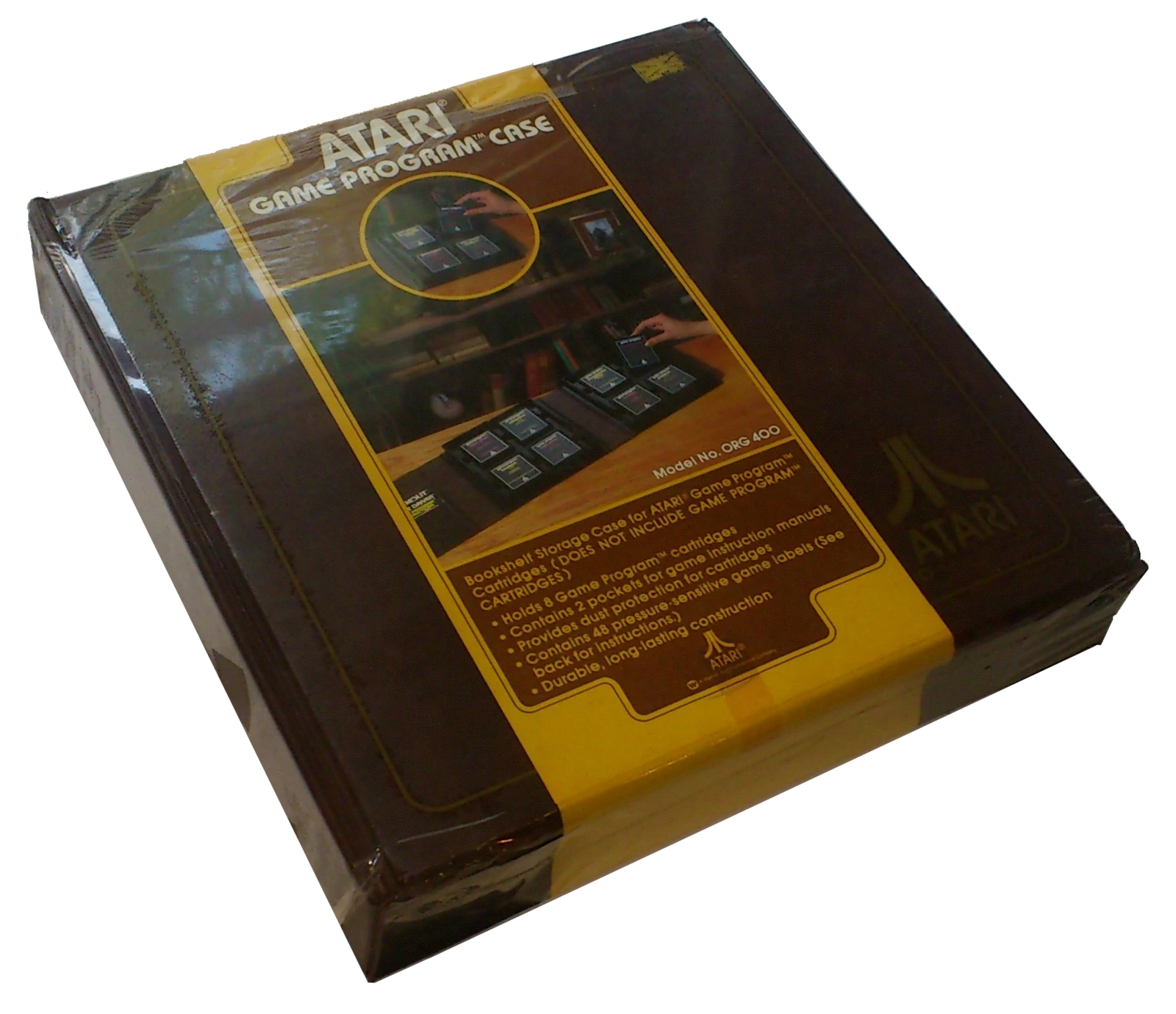
As in a book, eight modules can be stored in the Atari Game Program Case (Model No ORG 400), four on each page. Program booklets can be placed in two small …
Photo: own photograph
Open page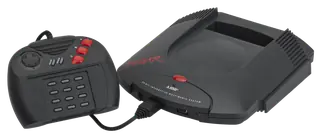
Atari Jaguar
After the Atari 7800, Atari takes almost 10 years for further development. The Jaguar appears in 1993 at a price of 249.99 US dollars. Although the console is …
Model illustration · Image: Evan-Amos · CC BY-SA 3.0 · Source and original on Wikimedia Commons · WebP, resized where necessary
Open page
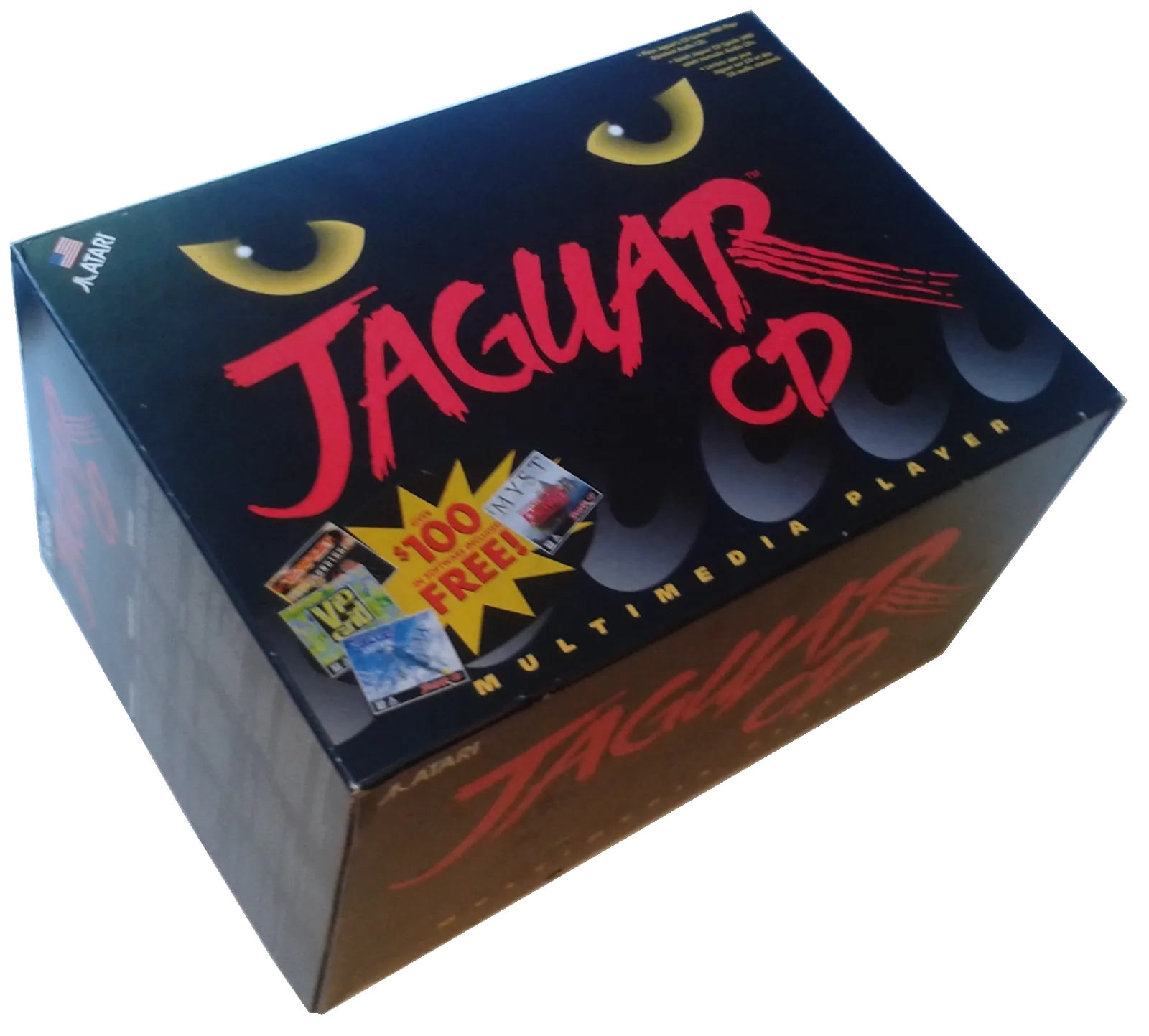
Atari Jaguar CD
The Jaguar CD drive is an accessory for the Atari Jaguar that plugs into its cartridge slot. The Jaguar CD has its own cartridge slot, allowing conventional …
Photo: own photograph
Open page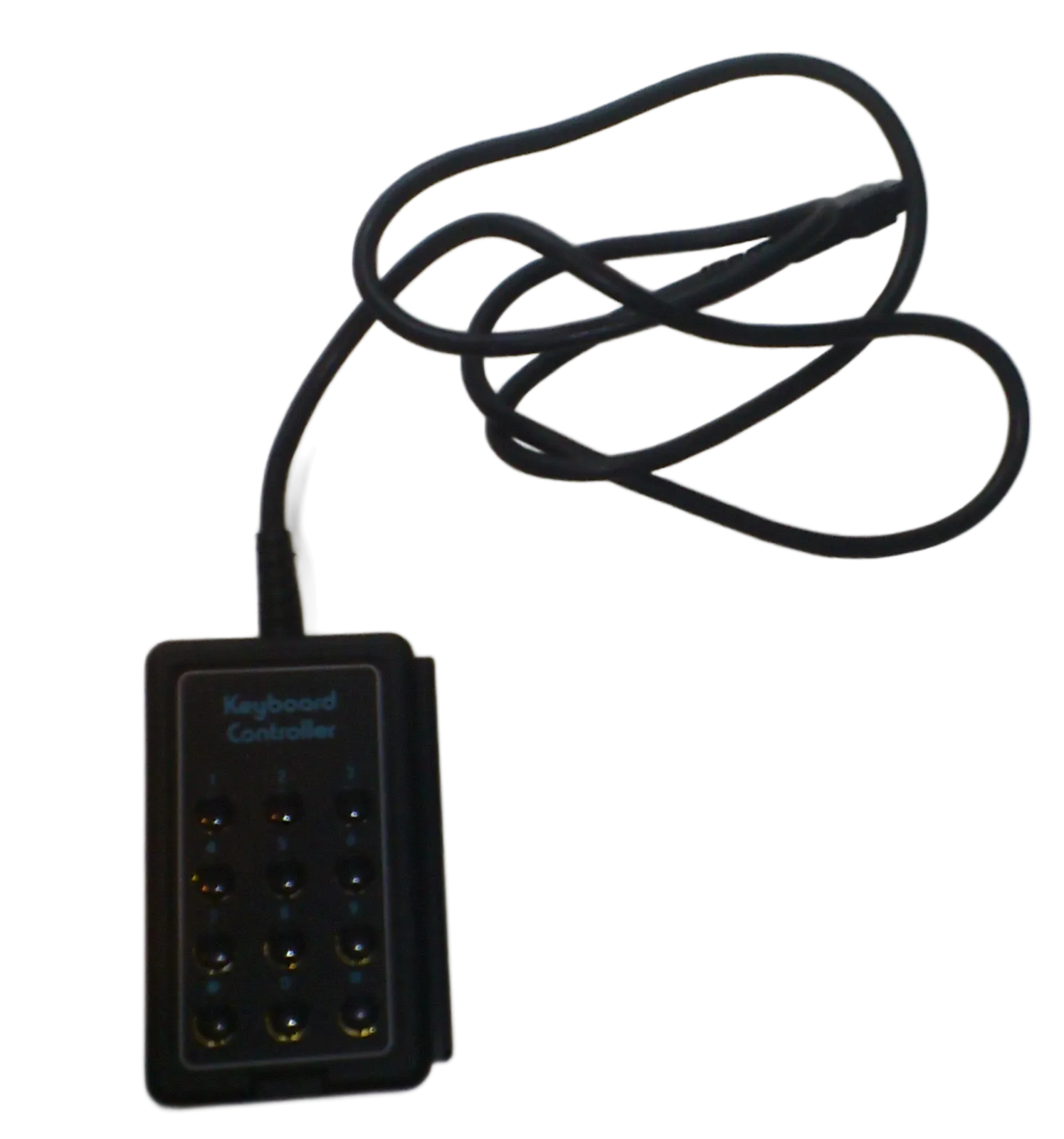
Atari Keyboard Controllers (CX50)
The keyboard controllers are an extension for the Atari 2600 Video Game System and are sold as a pair. They can be connected to the controller ports of the …
Photo: own photograph
Open pageAtari Kid's Controllers
The Kid's Controller is a variant of the Keyboard Controller, which is especially designed for smaller children with its large buttons. The seven games that …
Open page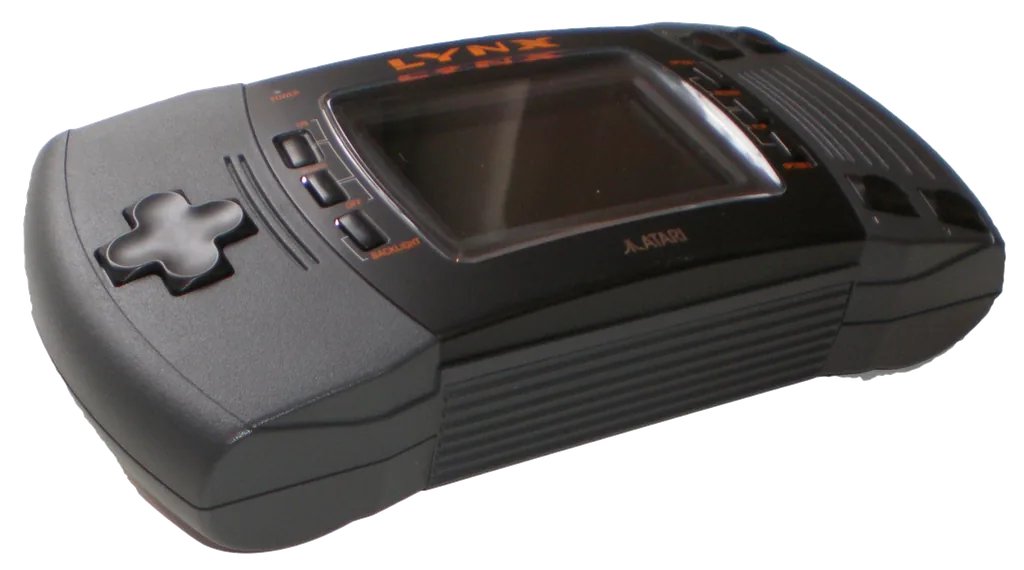
Atari Lynx
The development of the Lynx begins under the project name Handy by the company Epyx, but the product fails due to the development costs. Atari takes over the …
Photo: own photograph
Open page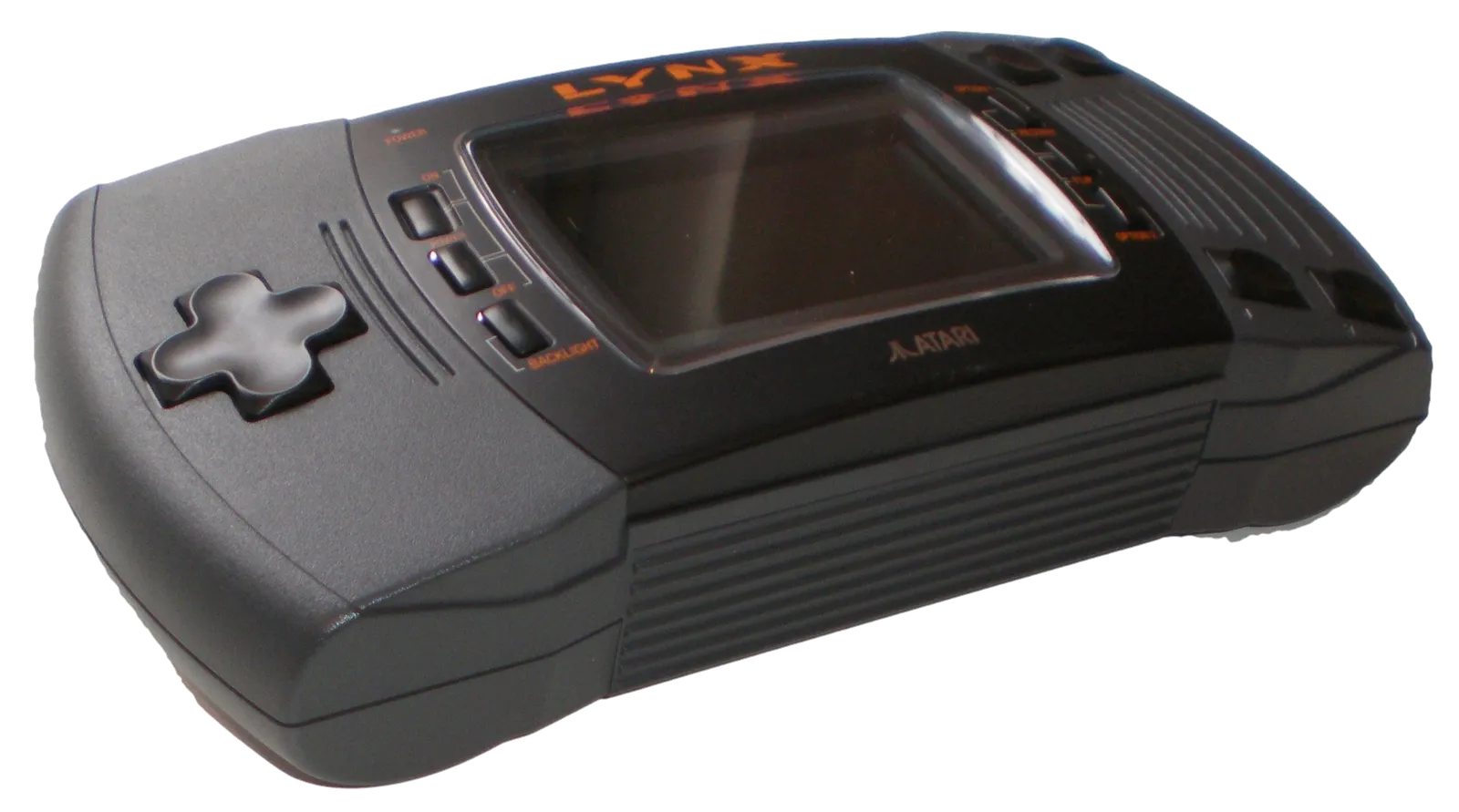
Atari Lynx II
In 1991, Atari released the Lynx II, a revised Atari Lynx with several useful improvements.
Photo: own photograph
Open page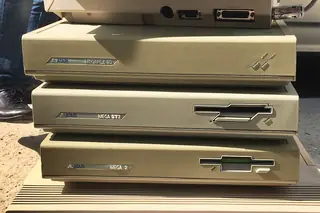
Atari MEGA Computers
The MEGA computers introduced in 1987 were Atari’s next ST generation. They have a larger case, a fan, a battery-backed clock and a high-quality separate …
Model illustration · Image: Thomas Conté · CC BY-SA 2.0 · Source and original on Wikimedia Commons · Thomas Conté · WebP, resized where necessary
Open page
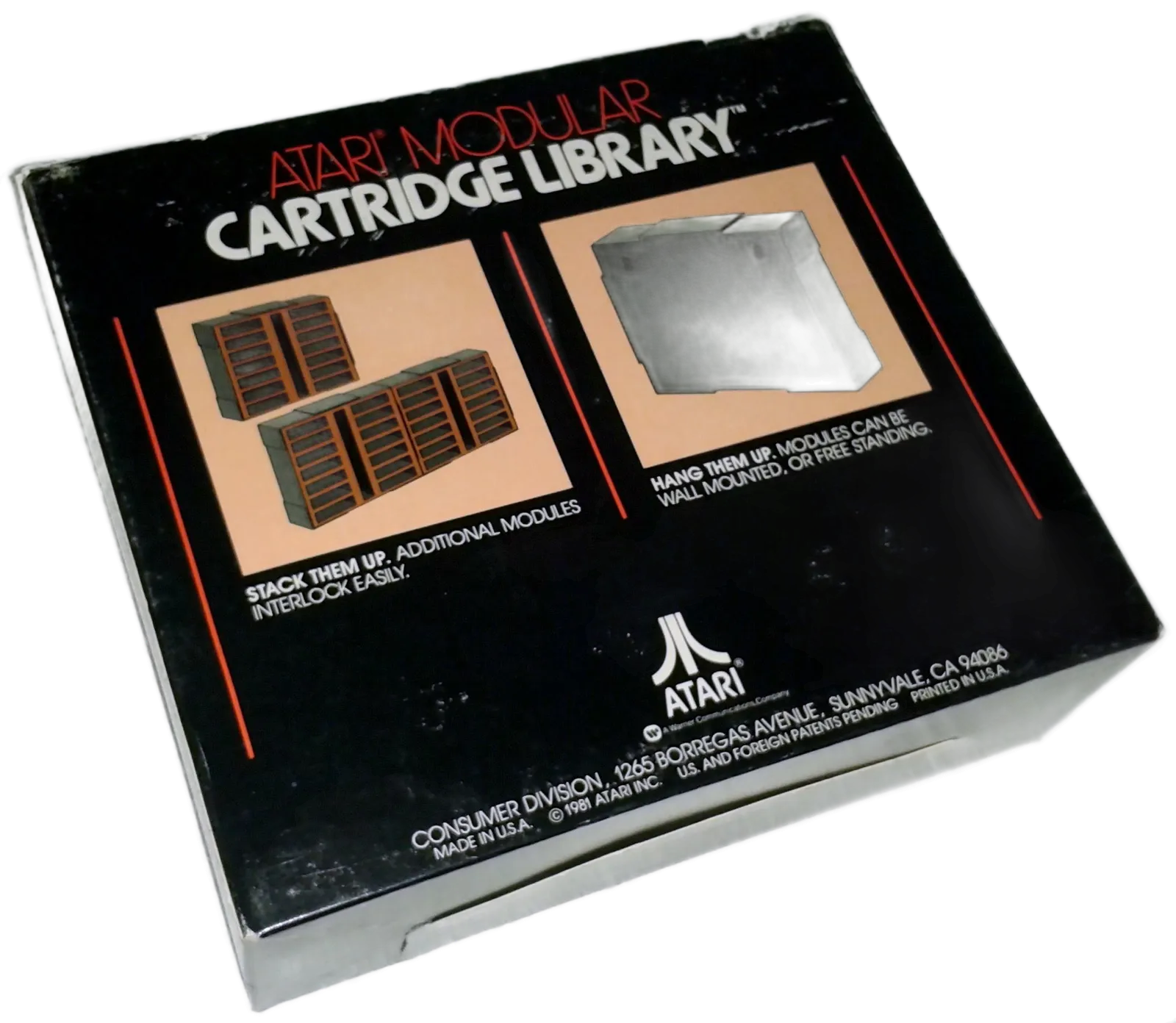
Atari Modular Cartridge Library (ORG 500)
While the average price for an Atari game in Germany is DM 139, the modules in the US are already available on average for $19 to $24, which makes it more …
Photo: own photograph
Open page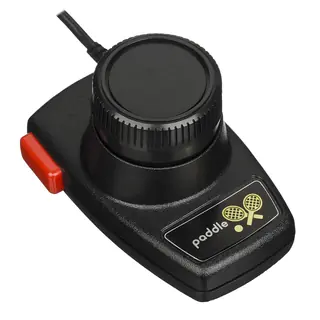
Atari Paddle Controllers (CX30)
Paddle controllers are analog potentiometers that allow an object to move over the screen at a chosen speed. They are technically identical with the …
Model illustration · Image: Evan-Amos · Public domain · Source and original on Wikimedia Commons · WebP, resized where necessary
Open page
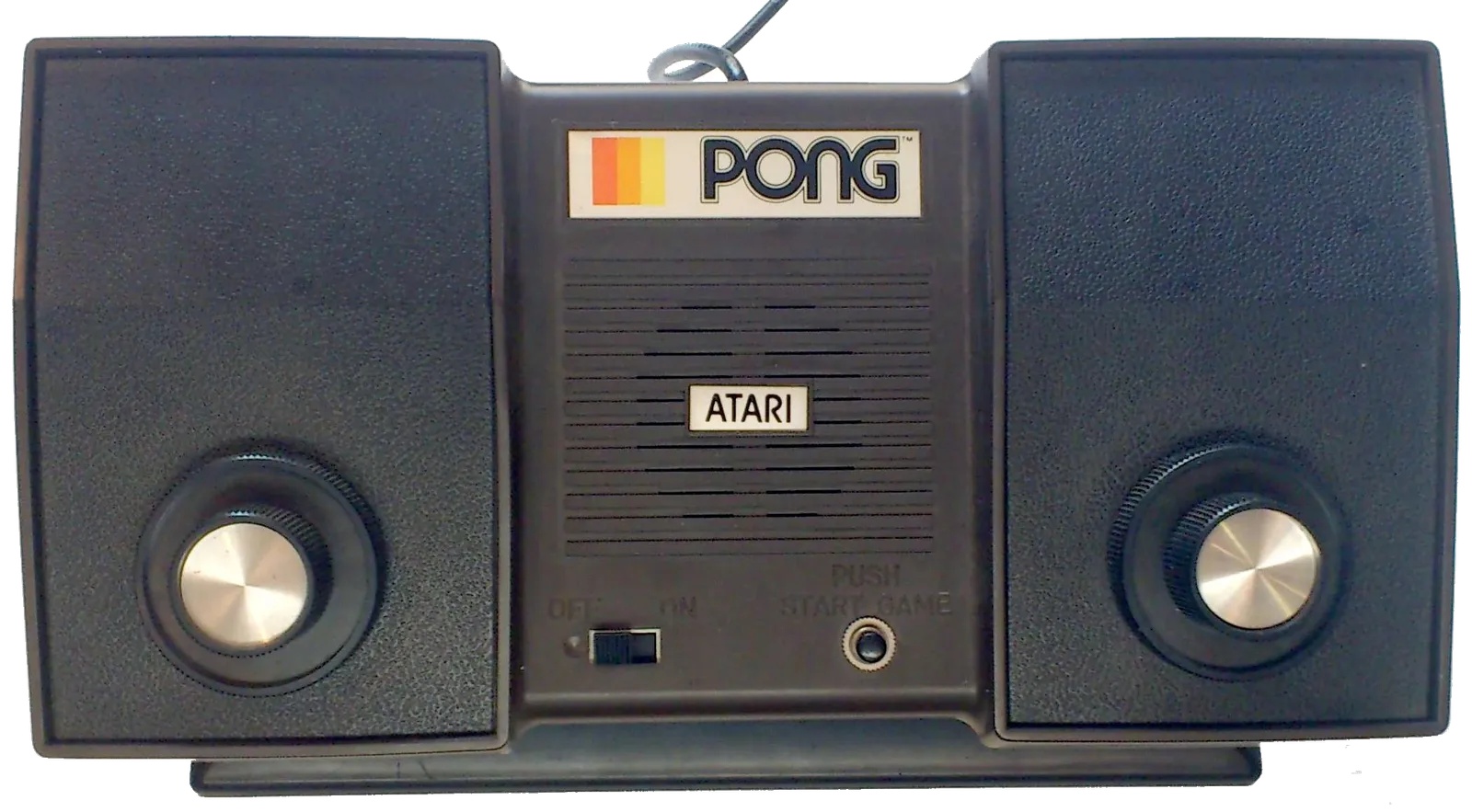
Atari Pong
Following Pong’s huge success in arcades from 1972, Atari decided to develop a home console version. Three years later, it introduced its first home Pong …
Photo: own photograph
Open page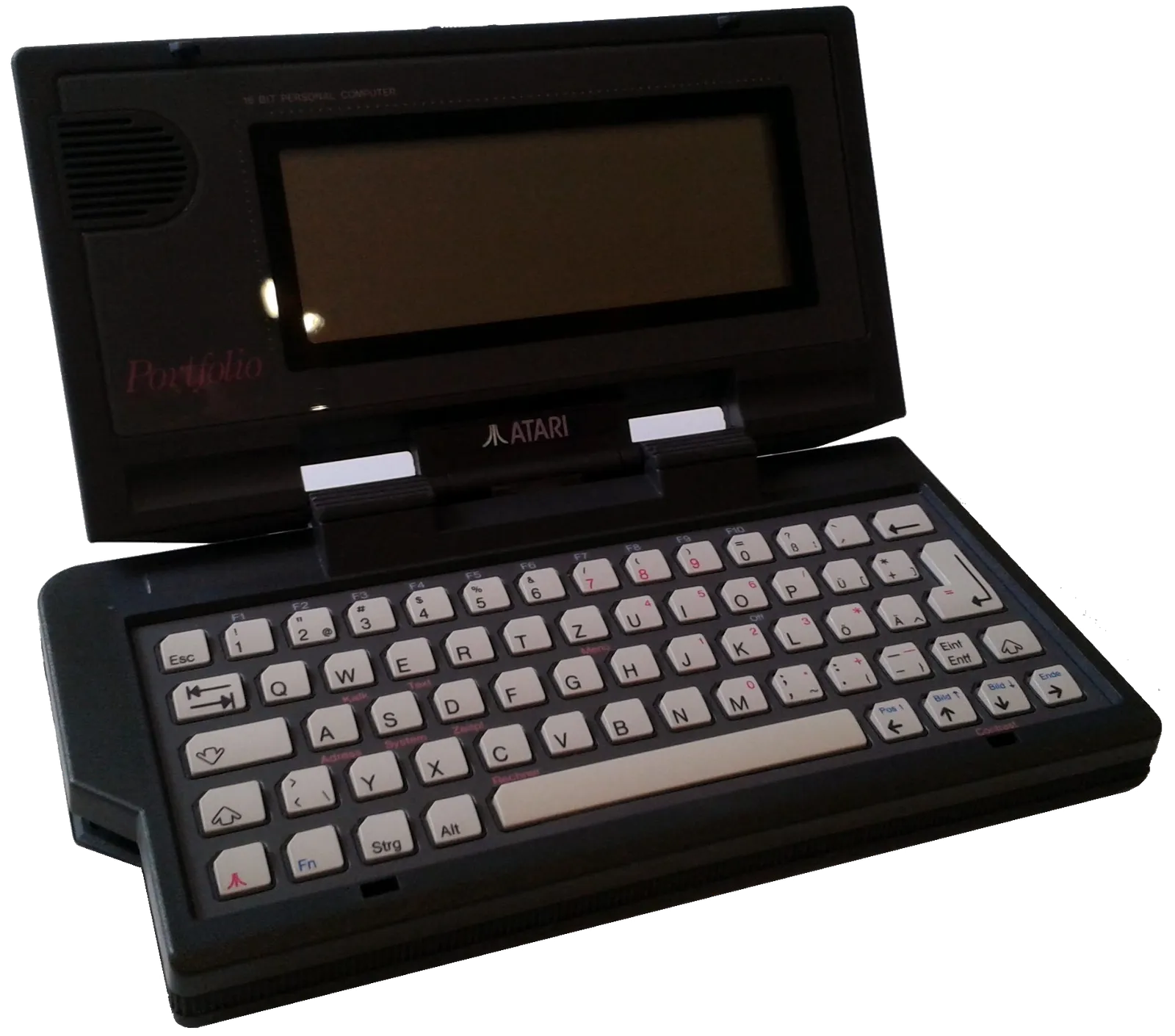
Atari Portfolio
The Portfolio is a portable IBM-compatible 16-bit PC introduced by Atari in May 1989 and launched in January 1990. The operating system is a MS-DOS clone …
Photo: own photograph
Open page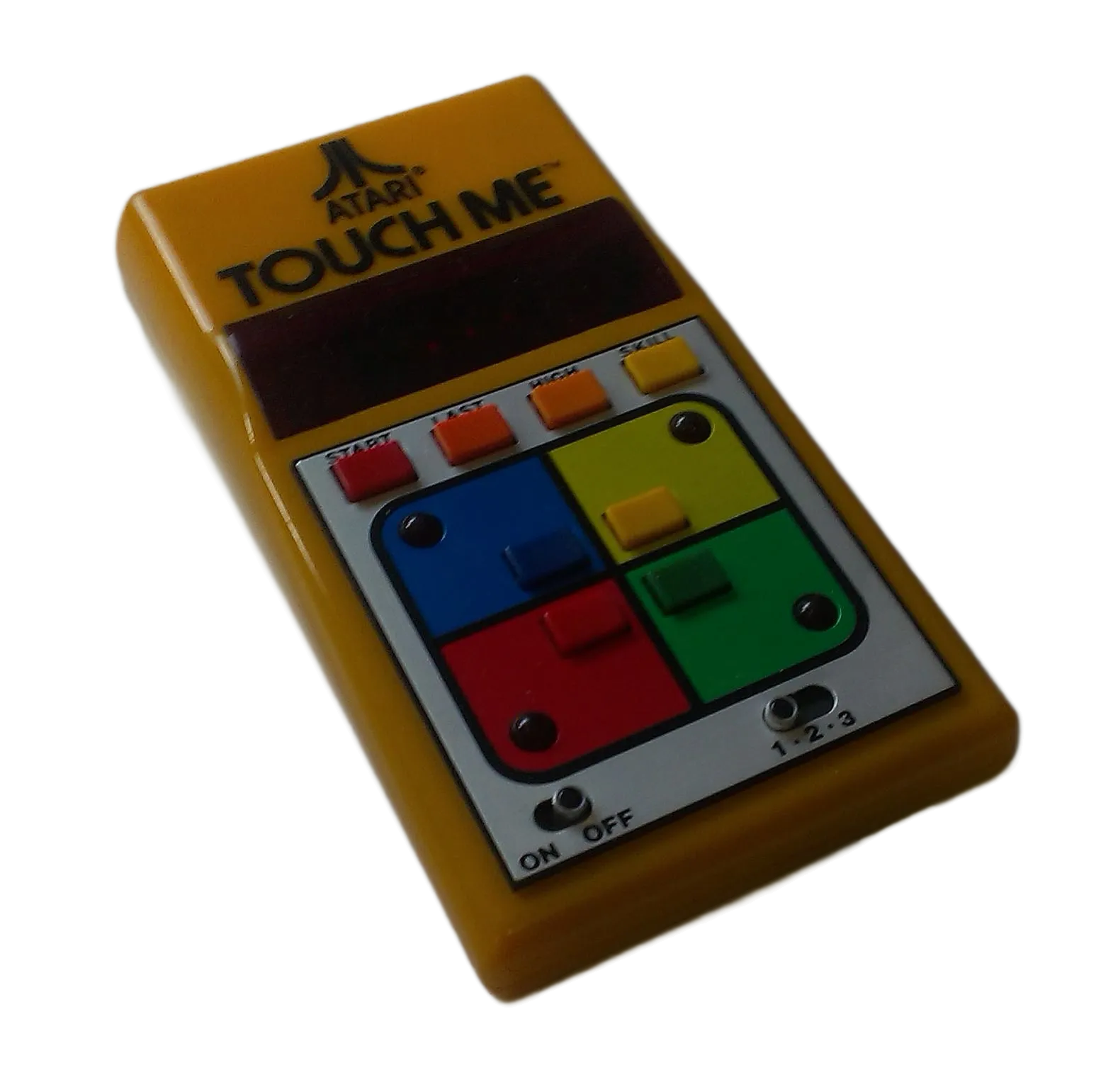
Atari Touch Me
Atari’s arcade game Touch Me appeared in 1974. Players press four buttons in a specified sequence, which grows by one button after each successful round. Three …
Photo: own photograph
Open pageAtari Video Touch Pad (CX21)
The Video Touch Pad is a keyboard with 12 keys for the Atari 2600 game console. It is available individually or bundled with the game Star Raiders; since both …
Open page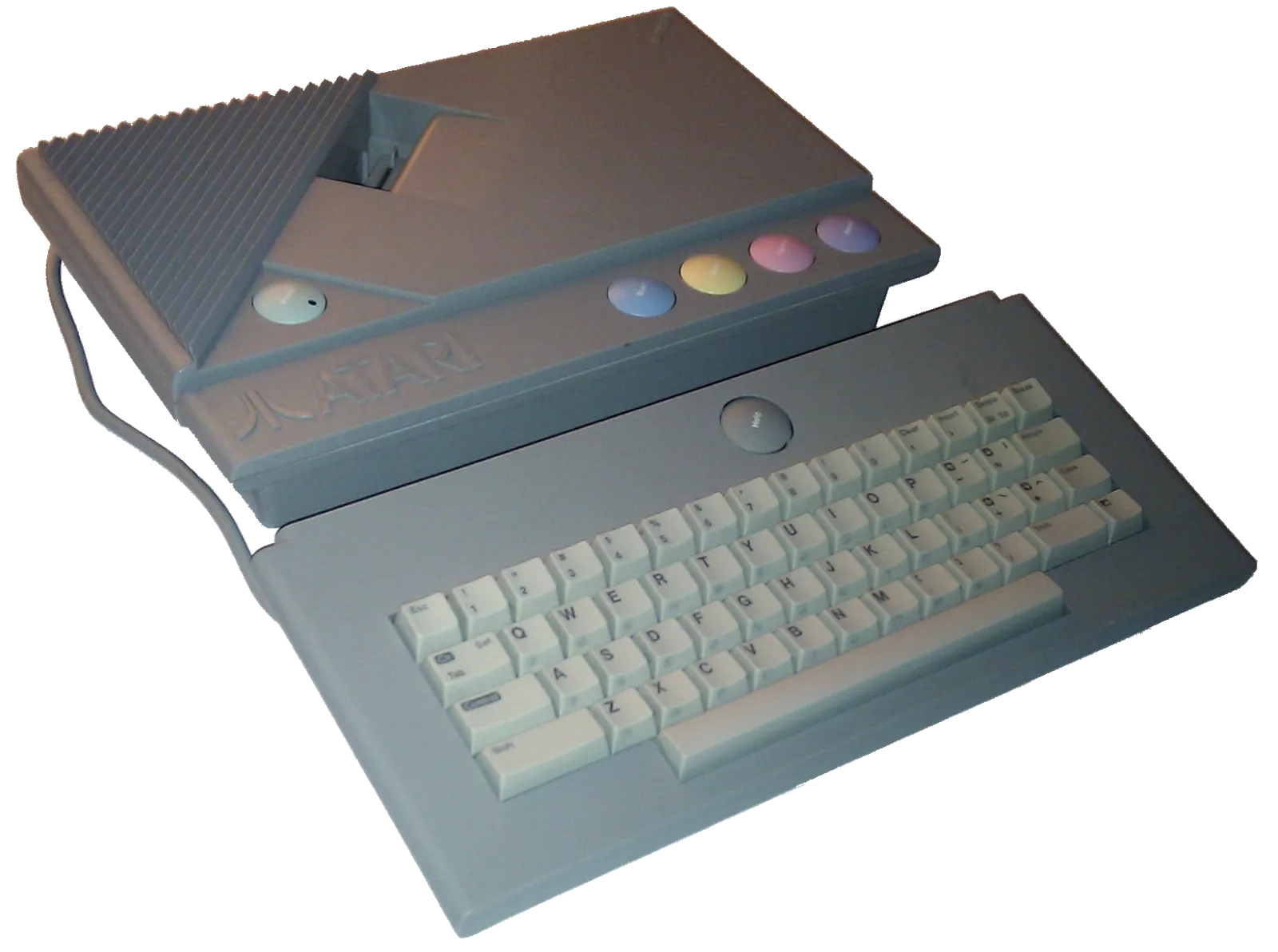
Atari XE Game System
The Atari XE Game System (XEGS) is Atari's attempt to better position itself in the 8-bit market and to attract new users to the home computer segment in the …
Photo: own photograph
Open page
Bally Astrocade
"Astrocade" is only the most common name of this console. The device is announced in 1977 by the US manufacturer Bally as Bally Home Library Computer, and is …
Model illustration · Image: Evan-Amos · CC BY-SA 3.0 · Source and original on Wikimedia Commons · WebP, resized where necessary
Open page
Bill Gates, Paul Allen and the Beginnings of Microsoft
At a young age, Bill Gates shows great interest in science and mathematics. His wealthy parents' home allows him to attend Lakeside School private school in …
Open pageCathode Ray Tube Amusement Device
The first fathers of interactive electronic games are physicist Thomas T. Goldsmith Jr. and Estle Ray Mann. In 1947 they invented a kind of rocket simulation …
Open page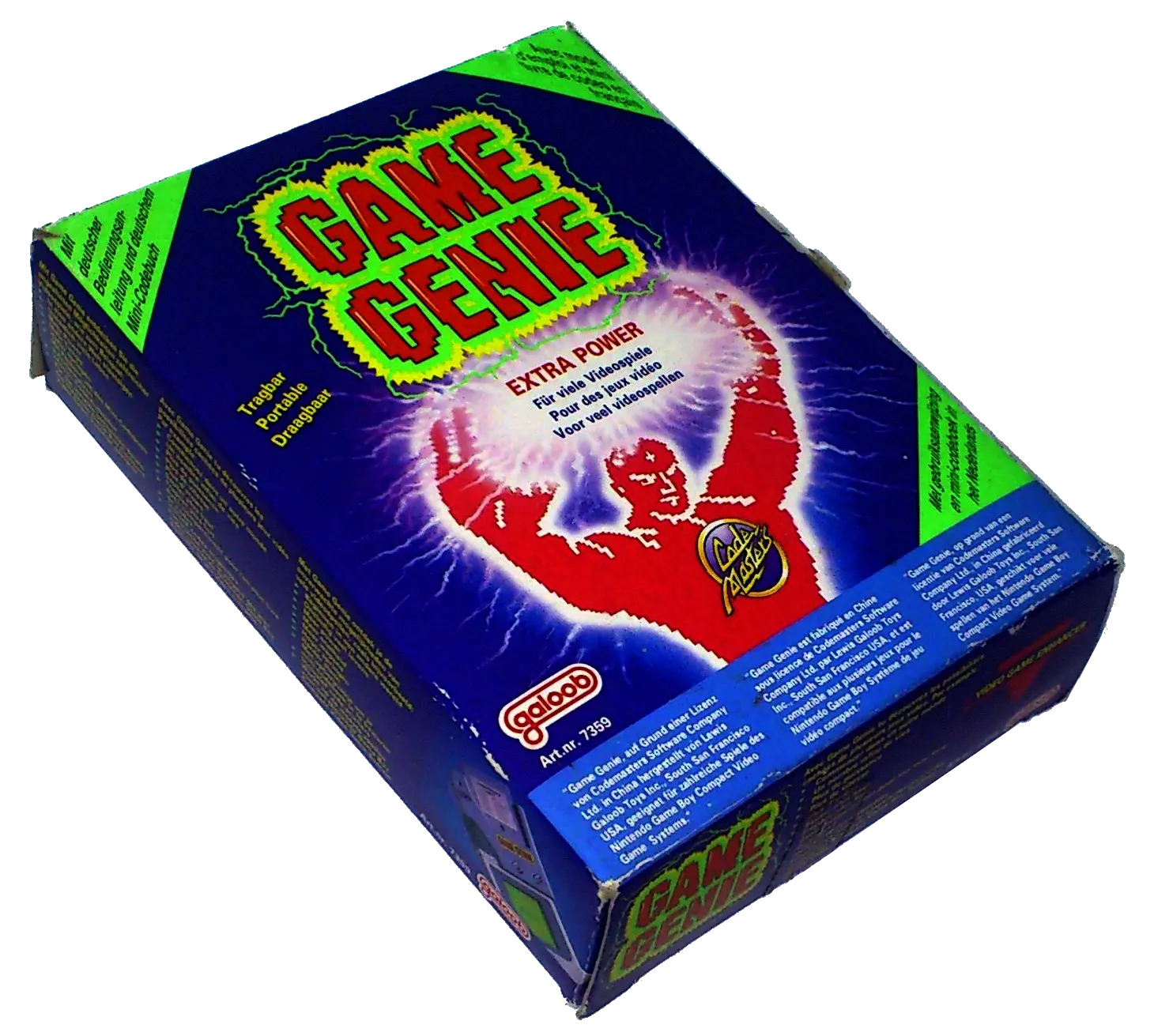
Codemasters/Galoob Game Genie
Game Genie is a series of cheat systems from the British video game developers Codemasters (sale by Galoob and Camerica) which were available for various …
Photo: own photograph
Open page
Coleco Expansion Module #2 Driving Controller
The expansion 2 for the ColecoVision does not use the expansion shaft of the console, contrary to its name, but is an alternative controller for racing games …
Model illustration · Image: Phroziac · CC BY-SA 3.0 · Source and original on Wikimedia Commons · WebP, resized where necessary
Open page
Coleco Pac-Man
Coleco’s Tabletop Mini-Arcade series, released from the early 80s, was very popular because it recreated the feeling of standing at a real arcade machine. The …
Open page
Coleco Super Action Controller for ColecoVision
The Super Action Controller Set consists of two controllers, which are significantly more ergonomic than the standard controllers of the ColecoVision. At the …
Model illustration · Image: Museo8bits · CC BY-SA 3.0 · Source and original on Wikimedia Commons · WebP, resized where necessary
Open page
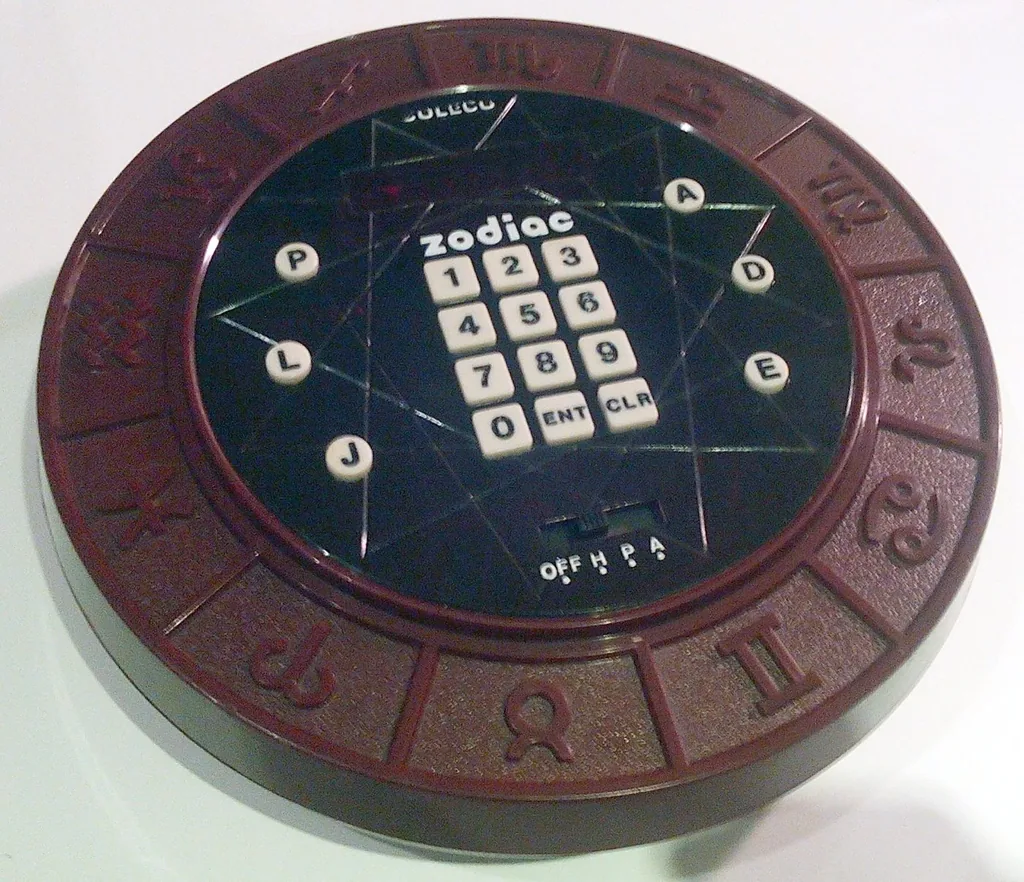
Coleco Zodiac
The Zodiac of Coleco is not an electronic toy in the narrow sense, but an astrological computer that provides information about the user's horoscope. In order …
Photo: own photograph
Open pageColecoVision Expansion Module #1 Atari 2600 Module Converter
At its appearance in 1982, ColecoVision becomes a serious competitor for the Atari 2600. This situation worsens when Coleco develops the Expansion Module #1 …
Open page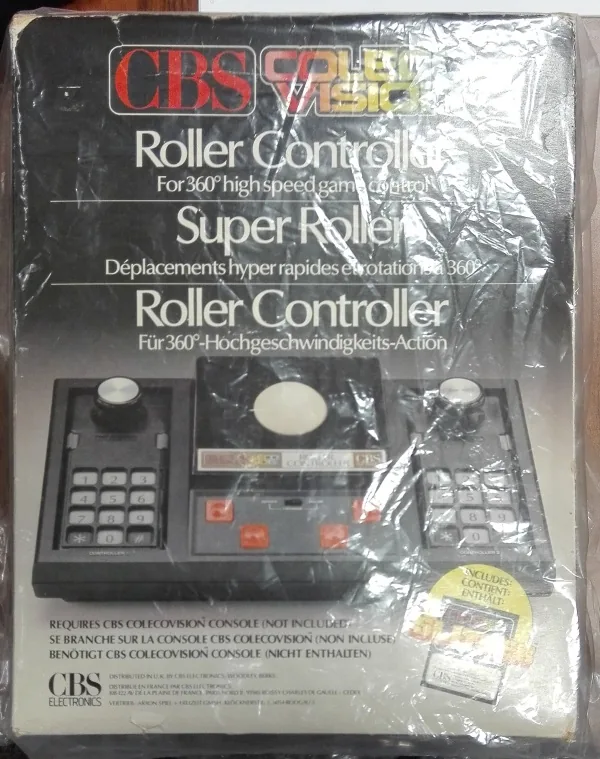
ColecoVision Roller Controller
The Roller Controller was the final ColecoVision accessory: a trackball with smooth, fast 360-degree movement and four extra buttons. Its power connector fits …
Photo: own photograph
Open page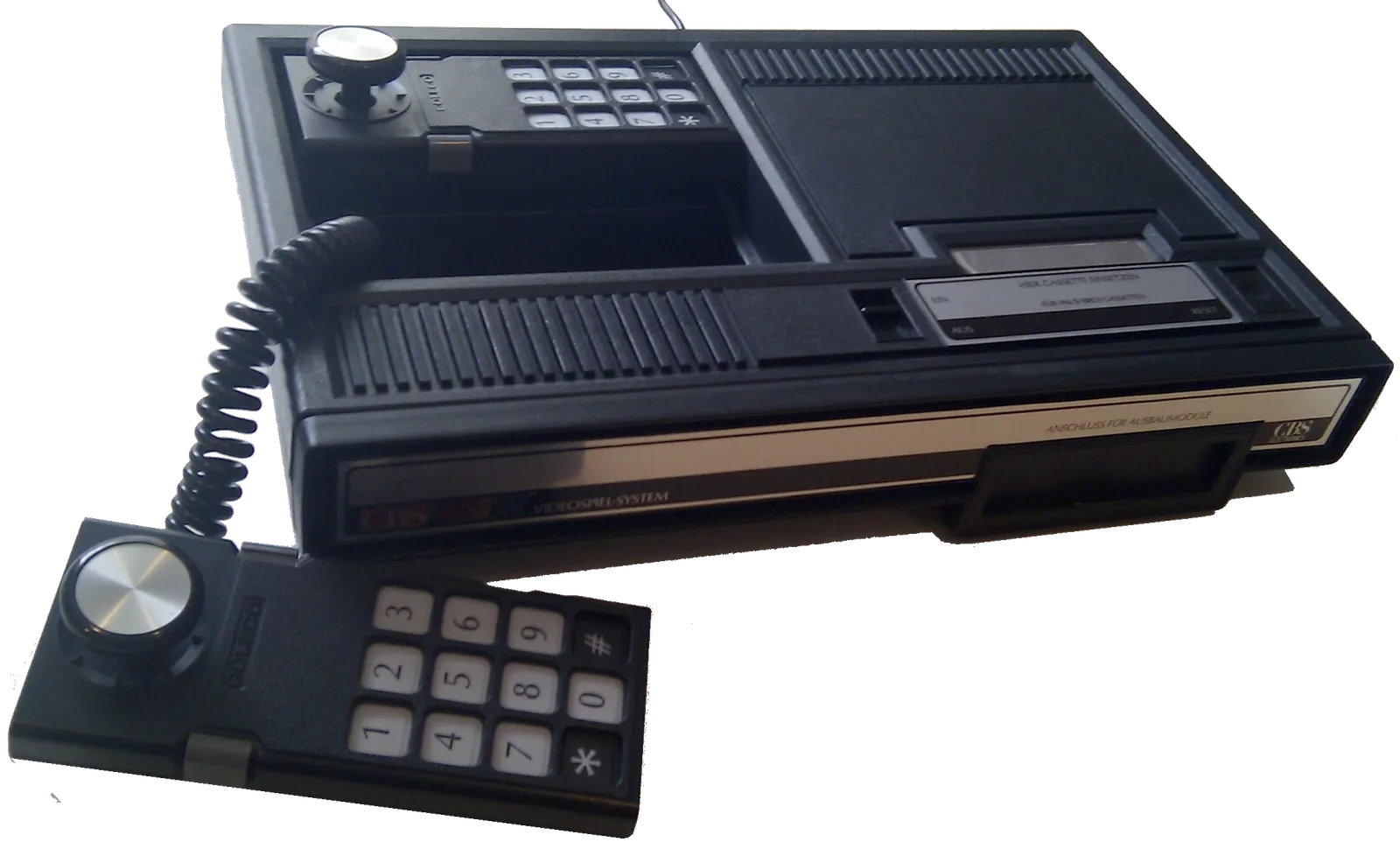
ColecoVision
Toy manufacturer Coleco has already produced pong clones, but will only publish its module-based console at a time when the market is already divided. But the …
Photo: own photograph
Open page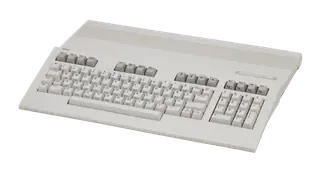
Commodore 128
The Commodore 128 (C128) was released in 1985 in the USA, a year later in Europe. Technically, it builds on the C64 as a successor, but it offers an improved …
Model illustration · Image: Evan-Amos · CC BY-SA 3.0 · Source and original on Wikimedia Commons · WebP, resized where necessary
Open page
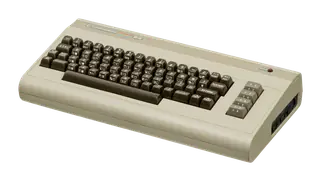
Commodore 64 (C64, bread box)
In January 1982 Commodore introduced the Commodore 64 (C64). The fans affectionately call the computer because of its form "breadbox". At the beginning of 1983 …
Model illustration · Image: Evan-Amos · Public domain · Source and original on Wikimedia Commons · WebP, resized where necessary
Open page
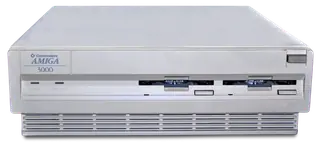
Commodore Amiga 3000
Commodore manufactures the Amiga 3000 between June 1990 and 1992, which represents a complete new development towards a high-end graphics workstation. The …
Model illustration · Image: "Joe Smith" (Uploader of original was Joeinwap at en.wikipedia (Changes made by Ubcule)) · Public domain · Source and original on Wikimedia Commons · WebP, resized where necessary
Open page
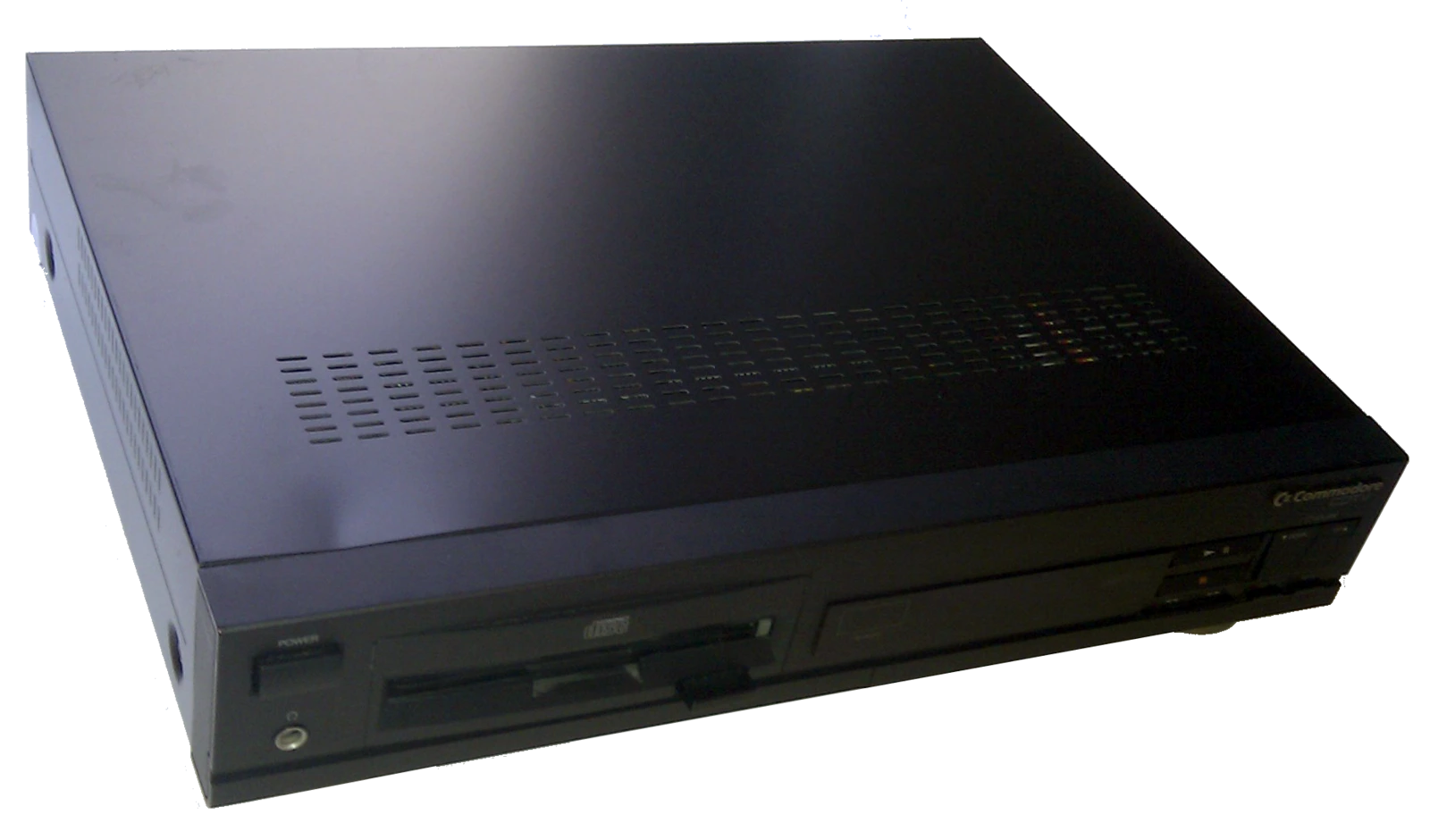
Commodore CDTV
In 1991, Commodore introduced the CDTV (Commodore Dynamic Total Vision), which puts an Amiga 500 with a CD drive in a Hifi case. With the remote control, the …
Photo: own photograph
Open page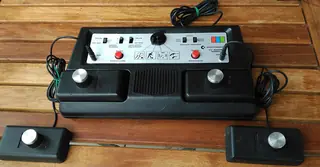
Commodore Colour TV Game (2000K, 3000H)
The Colour TV Game (Model 2000K) is a Pong console by Commodore.
Model illustration · Image: José Antonio Ortigueira Amor · CC BY 4.0 · Source and original on Wikimedia Commons · WebP, resized where necessary
Open page
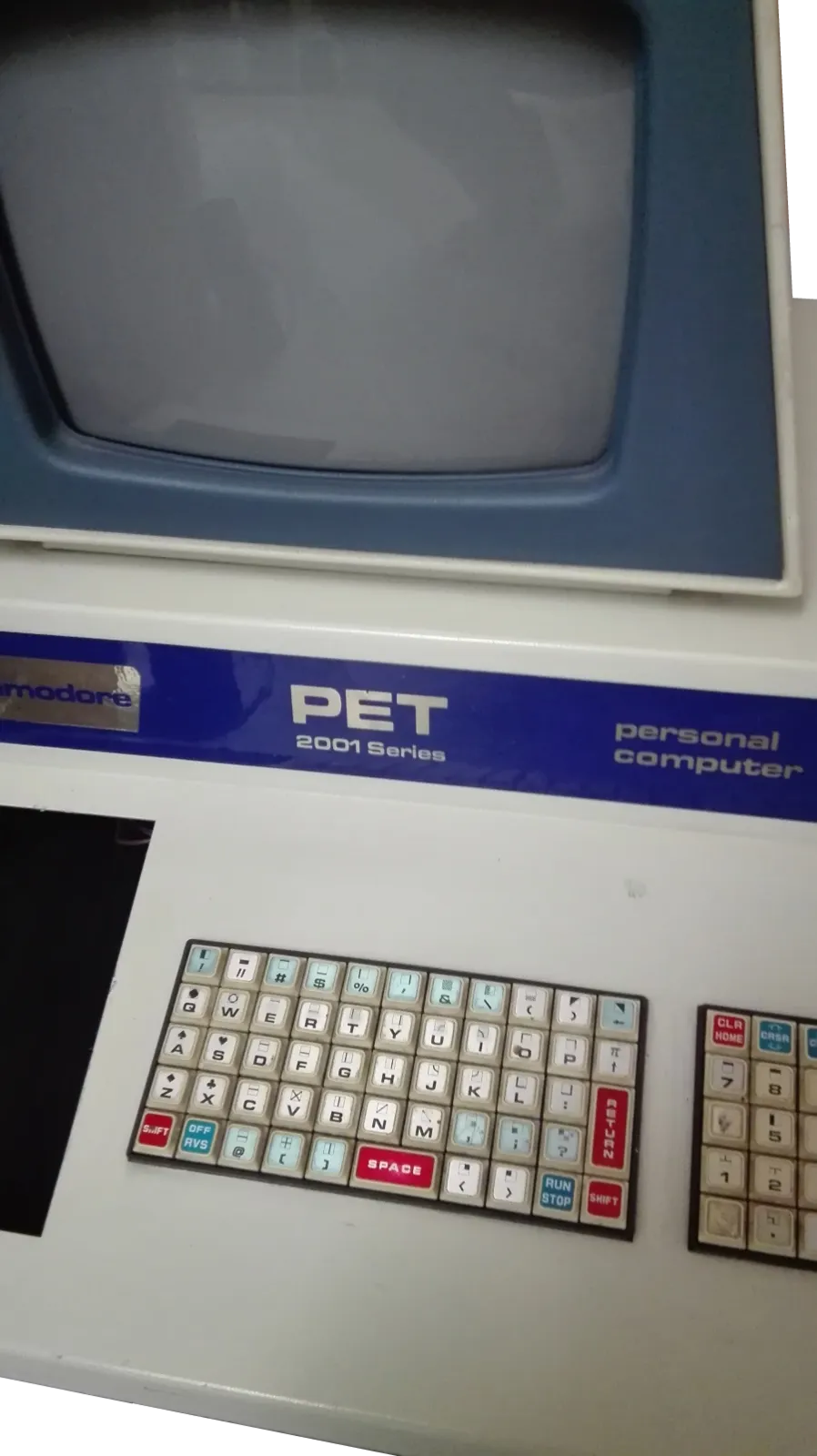
Commodore PET 2001
At the Consumer Electronics Show in January 1977, American company Commodore presented the Commodore PET 2001 (Personal Electronic Transactor), a computer with …
Photo: own photograph
Open page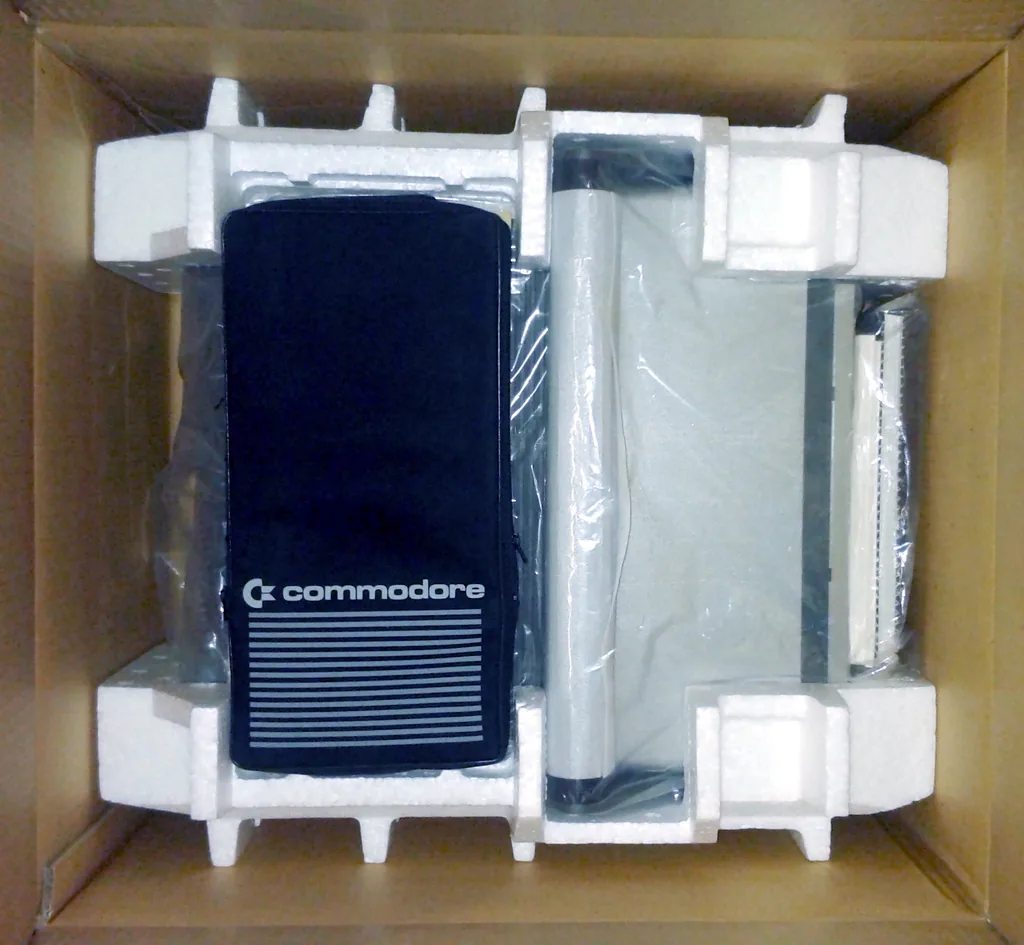
Commodore SX-64
The Single Drive Executive 64 (SX-64) is a portable version of the popular C64, which Commodore launched in December 1983. It has a built-in 5 inch color …
Photo: own photograph
Open page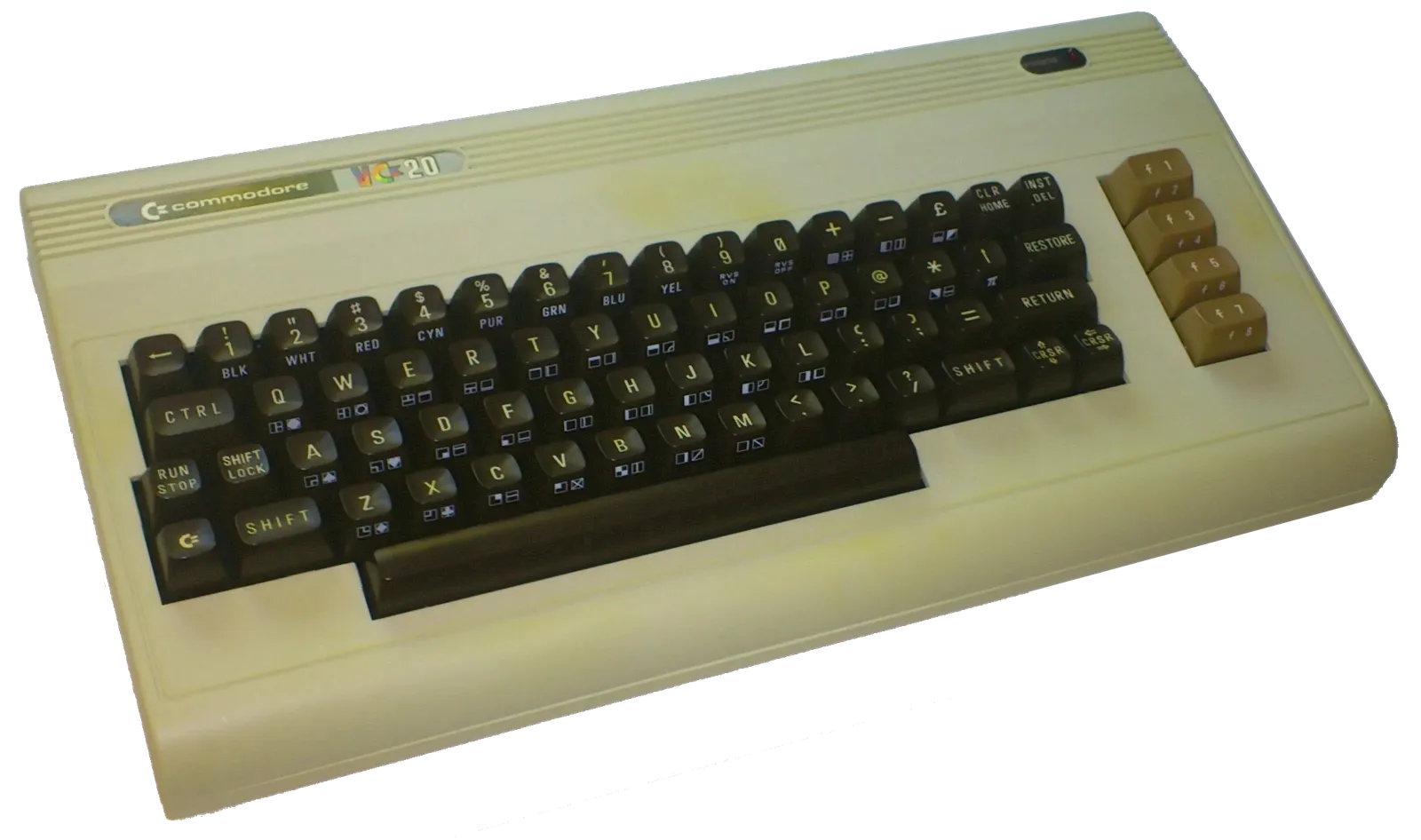
Commodore VC 20 (VIC 20)
The Commodore VC 20 is, after the Commodore PET, the second computer of the American company Commodore. In addition, it is the first Commodore home computer …
Photo: own photograph
Open page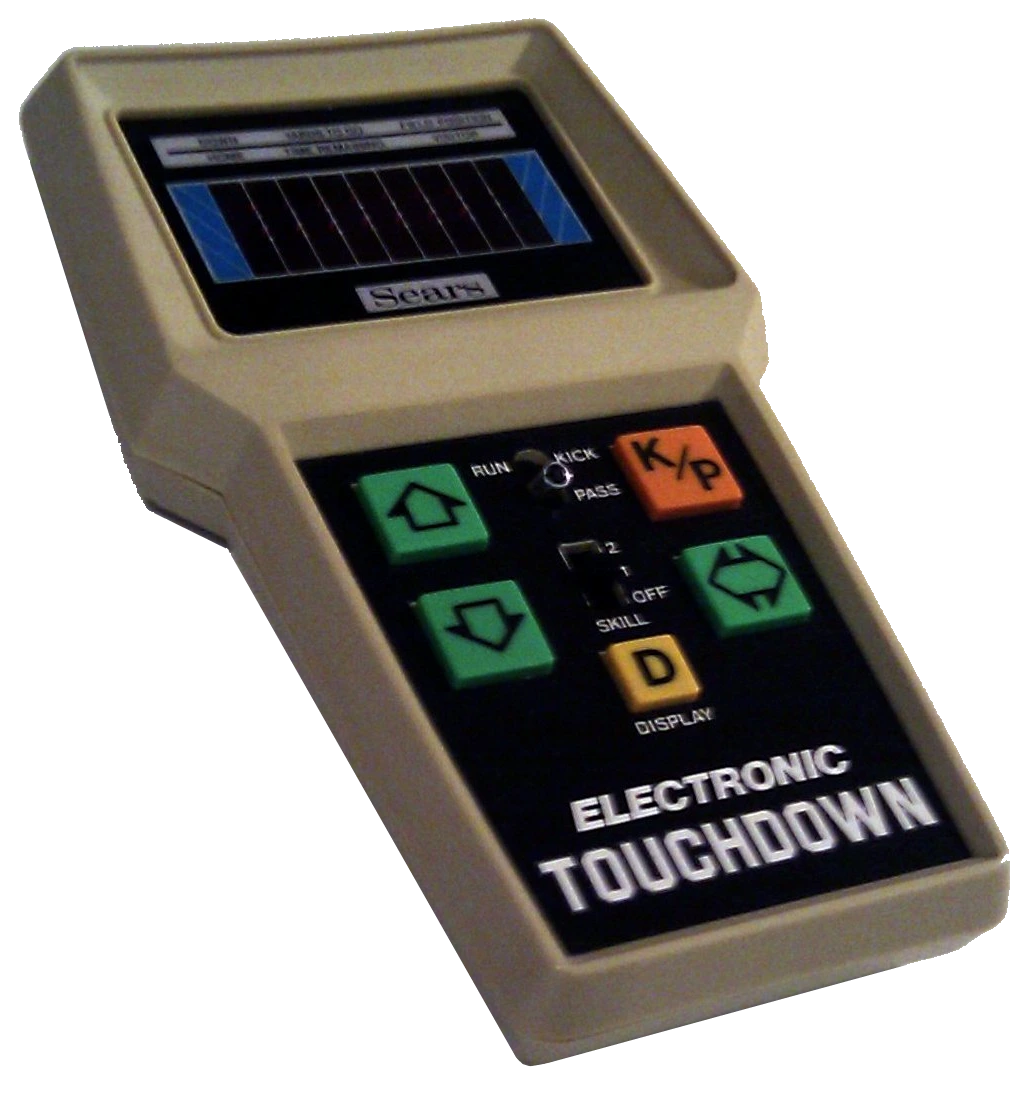
Electronic Touchdown
Electronic Touchdown by Sears Electronic Games is a licensed version of Colecos Electronic Quarterback. The handheld simulates an American football game …
Photo: own photograph
Open page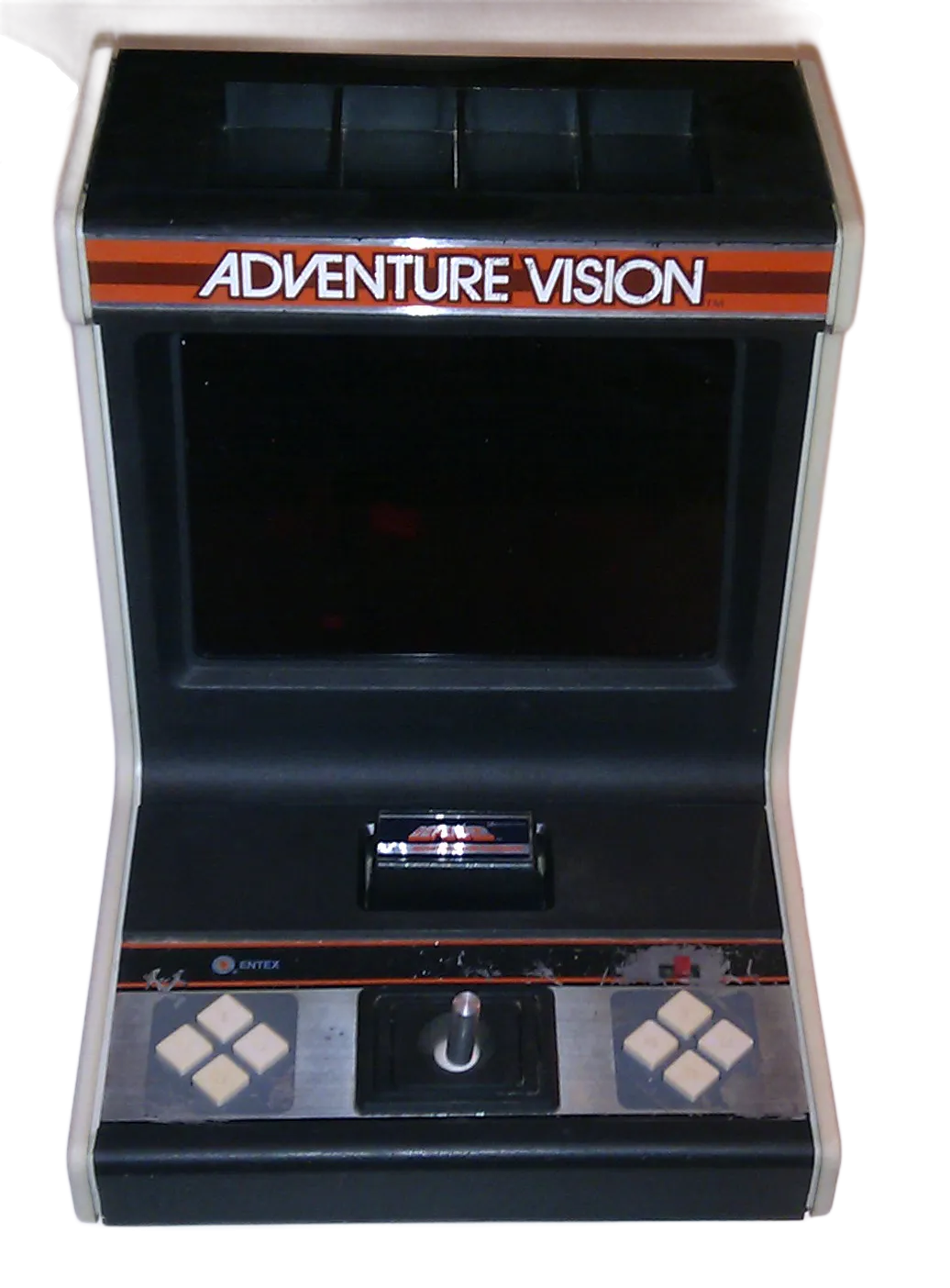
Entex Industries Adventure Vision
In 1982, Entex Industries developed the Entex Adventure Vision as the successor to the Select-a-game handheld. This tabletop console has a central joystick and …
Photo: own photograph
Open page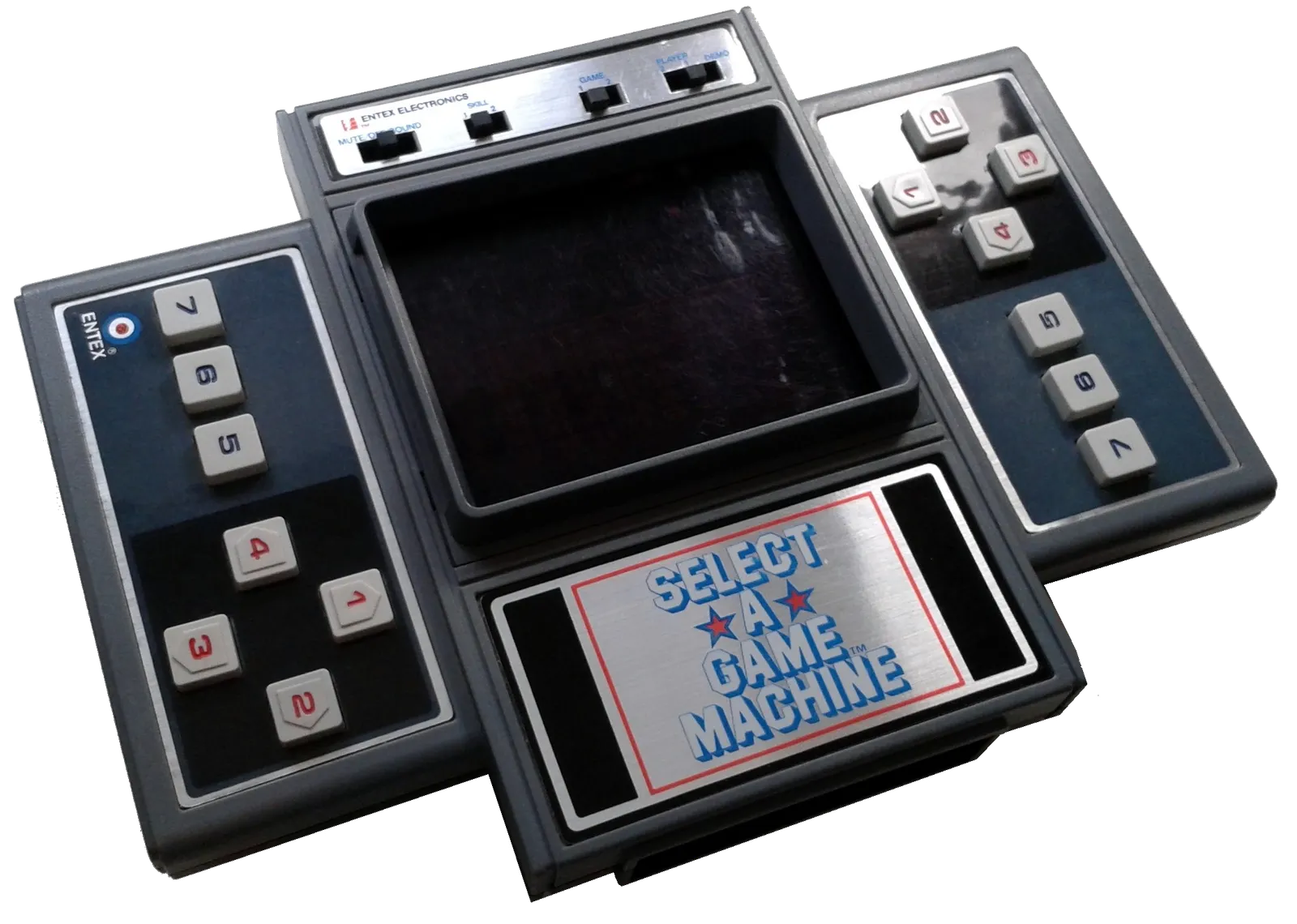
Entex Select-a-game
Entex Industries released Select-a-game in 1981. It is a relatively large handheld console powered by four C batteries. Its games resemble those of Milton …
Photo: own photograph
Open page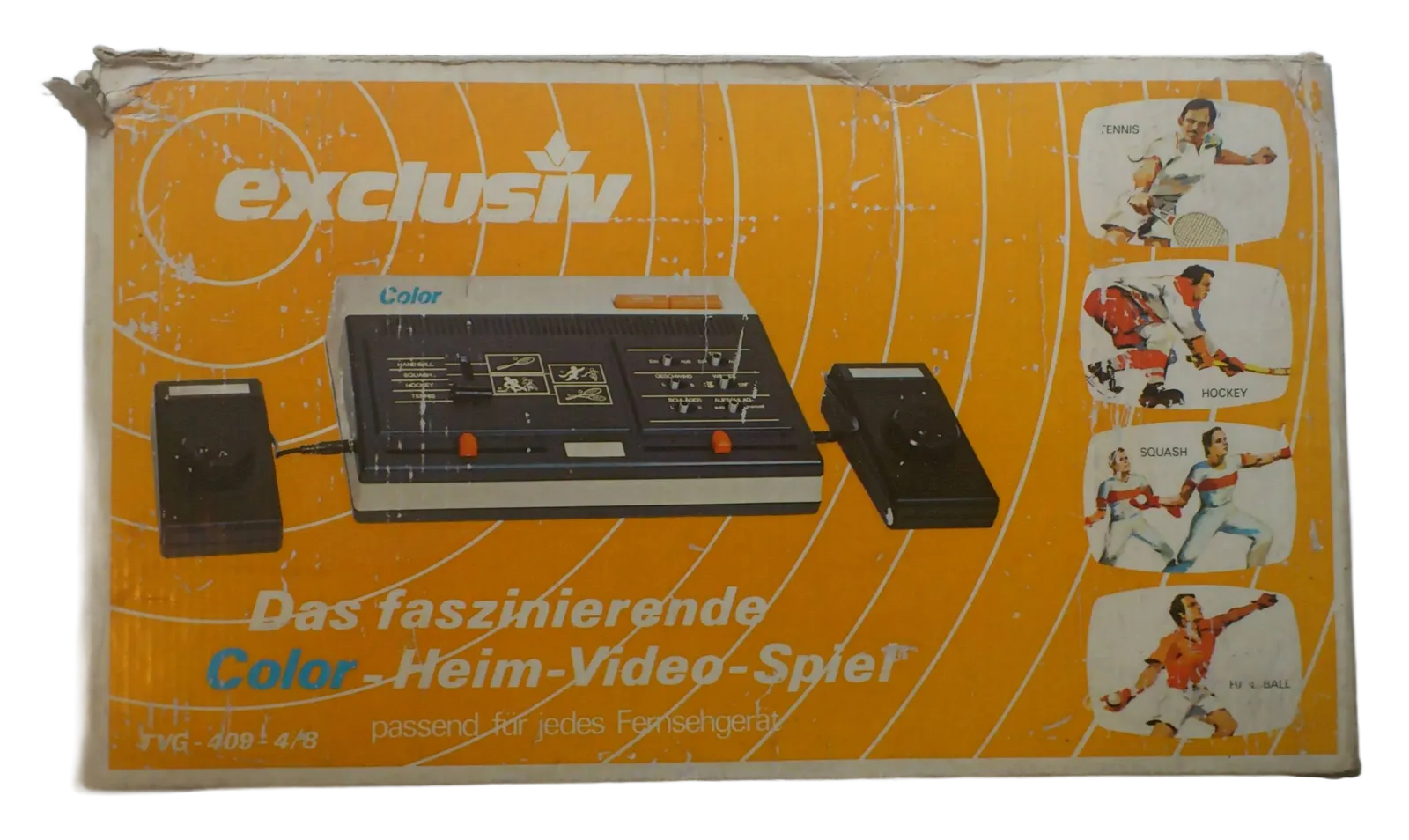
exclusive TVG-409/4/8
Pong console, with four games: tennis, hockey, squash, handball for one or two players.
Photo: own photograph
Open page
Fairchild Channel F
The Fairchild Channel F is the first real module-based console. Unlike previous consoles, which also already use modules, Channel F has an internal processor …
Photo: own photograph
Open pageGalaxy Game
Galaxy Game is, just ahead of Computer Space, the first video game that can only be played by coin throw and thus also serves commercial purposes. Based on …
Open pageGame Mate 2 Remote Control Wireless Joysticks
Already in 1982, long before the WaveBird or DualShock 3 controller, the first wireless joystick appears. This controller is mainly designed for the Atari 2600 …
Open page
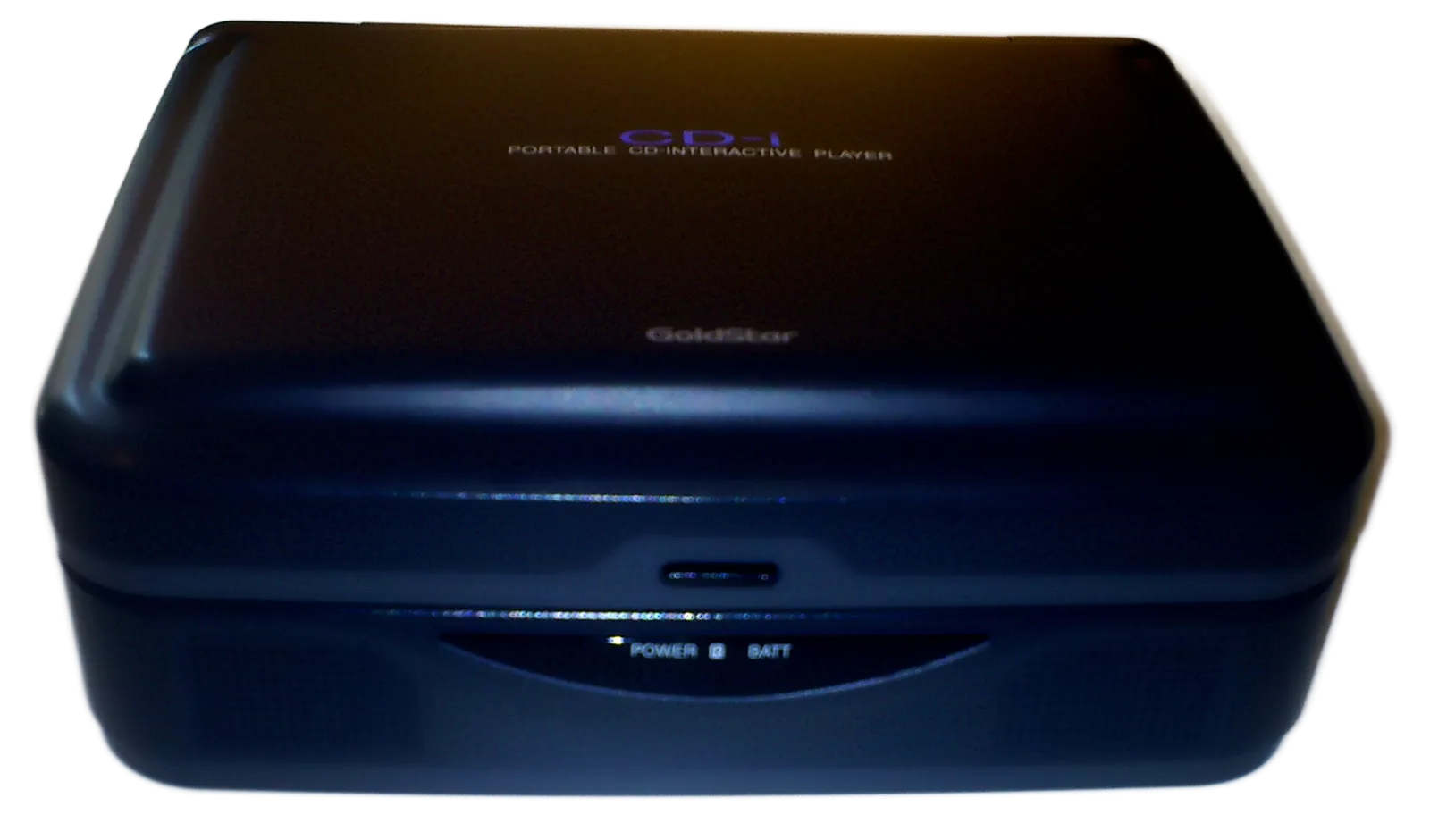
GoldStar CD-i
GoldStar's CD-i Player has an external power supply. The console display can also be used as a monitor with a suitable cable, whereby the system can be …
Photo: own photograph
Open pageGuitar Hero Guitar Controller
Harmonix Music Systems developed this guitar controller for Guitar Hero and Rockband. Players use it to reproduce the music heard during the game as accurately …
Open page
Handspring Visor
The founders of Palm Computing leave 3Com and start their own company Handspring in June 1998. They start production of the PalmOS-based handheld Visor, the …
Model illustration · Image: Waldohreule · CC BY-SA 3.0 · Source and original on Wikimedia Commons · WebP, resized where necessary
Open page
Arcadia 2001 series
Emerson Radio Corp. launched the Arcadia 2001 in the USA in 1982, using Signetics’ 2650A and 2637 chips. It was affordable and successful, establishing a …
Model illustration · Image: Evan-Amos · CC BY-SA 3.0 · Source and original on Wikimedia Commons · WebP, resized where necessary
Open page
Heathkit H8
Heathkit is known in the USA for electronics kits, from radios to measuring instruments. In July 1977, it announced the H8 kit computer, costing US$379 as a …
Model illustration · Image: Arthur G Korwin Piotrowski · CC BY-SA 4.0 · Source and original on Wikimedia Commons · WebP, resized where necessary
Open page
Henry Edward Roberts MITS Altair 8800
The electrical engineer Henry Edward Roberts is the founder and president of Micro Instrumentation and Telemetry Systems (MITS), Albuquerque, USA. He builds …
Open page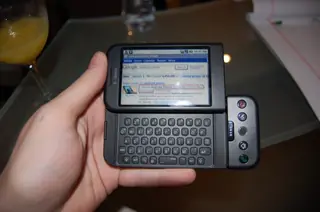
HTC Dream/T-Mobile G1
The HTC Dream was the first Android device, released in the USA in October 2008 and also marketed as the T-Mobile G1. It has five function keys, a trackball, a …
Model illustration · Image: Vince Veneziani · CC BY 2.0 · Source and original on Wikimedia Commons · WebP, resized where necessary
Open page
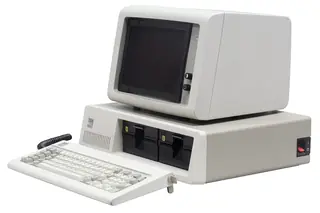
IBM Personal Computer 5150
On 12 August 1981, IBM introduced the IBM Personal Computer, model 5150. A small team in Boca Raton, Florida, led by William C. Lowe and Philip Don Estridge …
Model illustration · Image: Rama & Musée Bolo · CC BY-SA 2.0 FR · Source and original on Wikimedia Commons · WebP, resized where necessary
Open page
Ideal Maniac
The Ideal Maniac, developed by Ralph Baer, contains four games for two to four players. Each player has a “Maniac Button” on their side of the device. Most …
Open pageIntegrated circuit (IC)
An integrated circuit (IC) is an electronic circuit on a millimetre plate made of semiconductor material. The components of an IC are transistors and other …
Open pageIntel 4004
In 1968 Robert Noyce and Gordon Moore left the American IT manufacturer Fairchild and founded Intel. On behalf of the Japanese company Busicom, the new company …
Open pageIntel 8008
After the appearance of Intel's first CPU, the 4004, the company tries to improve its slow memory access. In collaboration with Datapoint, the first 8-bit …
Open pageIntel 8080
With the 8080, Intel launched its second 8-bit microprocessor in April 1974. It integrates about 6000 transistors. The direct successor of the 8008 has the …
Open pageIntel TV Sport 4010
Successor of the model Intel TV Sport 3006 with 4 additional games. The console also comes on the market under the name Gamatic 7600.
Open page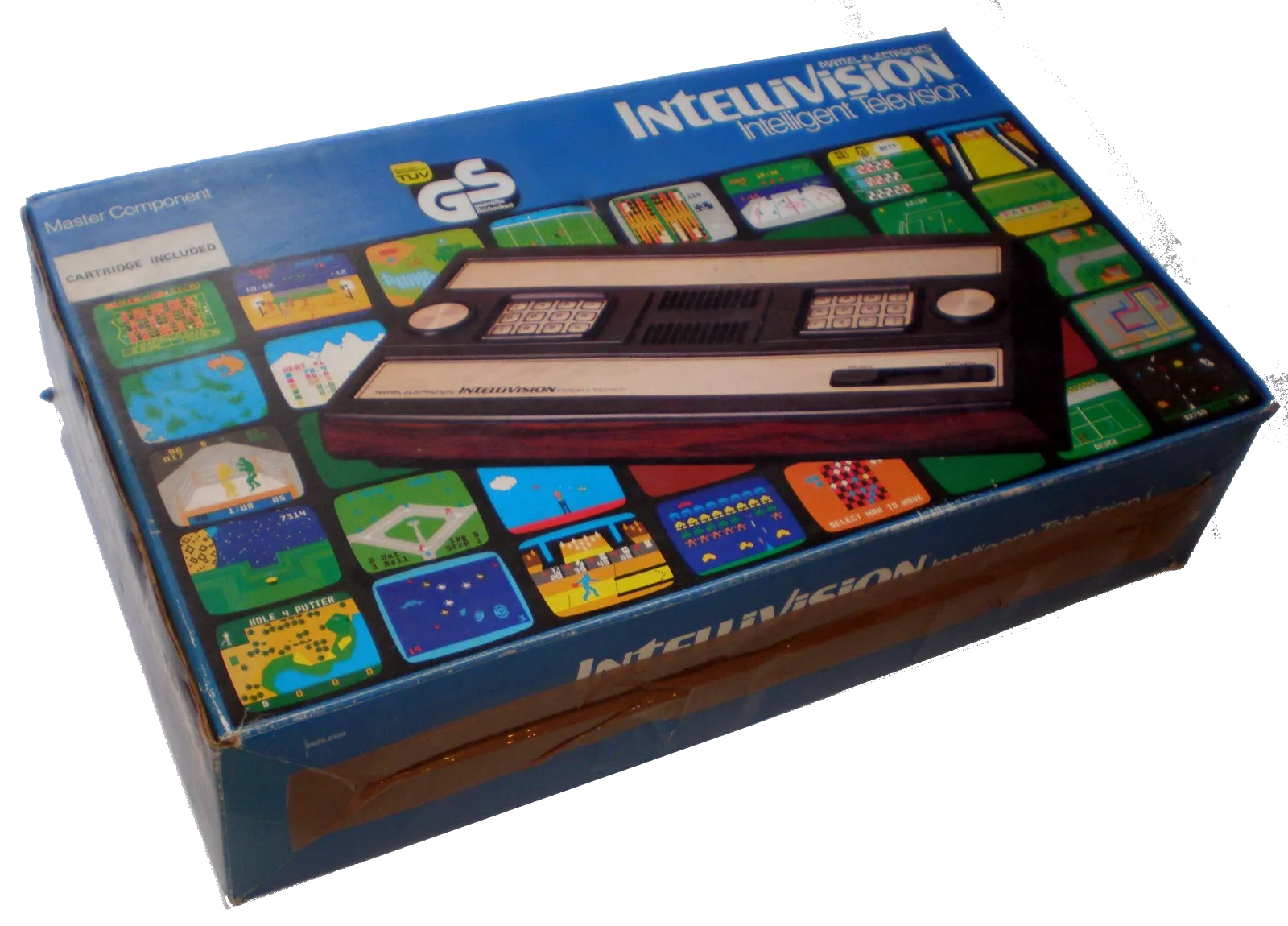
Intellivision
Faced with Atari’s dominance, Mattel initially hesitated to enter the console business and concentrated on handhelds. Their great success encouraged the …
Photo: own photograph
Open page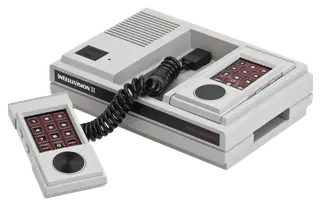
Intellivision II
The Intellivision II differs from its predecessor mainly in its modernised design. Mattel aimed to minimise production costs and economised on the controller …
Model illustration · Image: Evan-Amos · CC BY-SA 3.0 · Source and original on Wikimedia Commons · WebP, resized where necessary
Open page
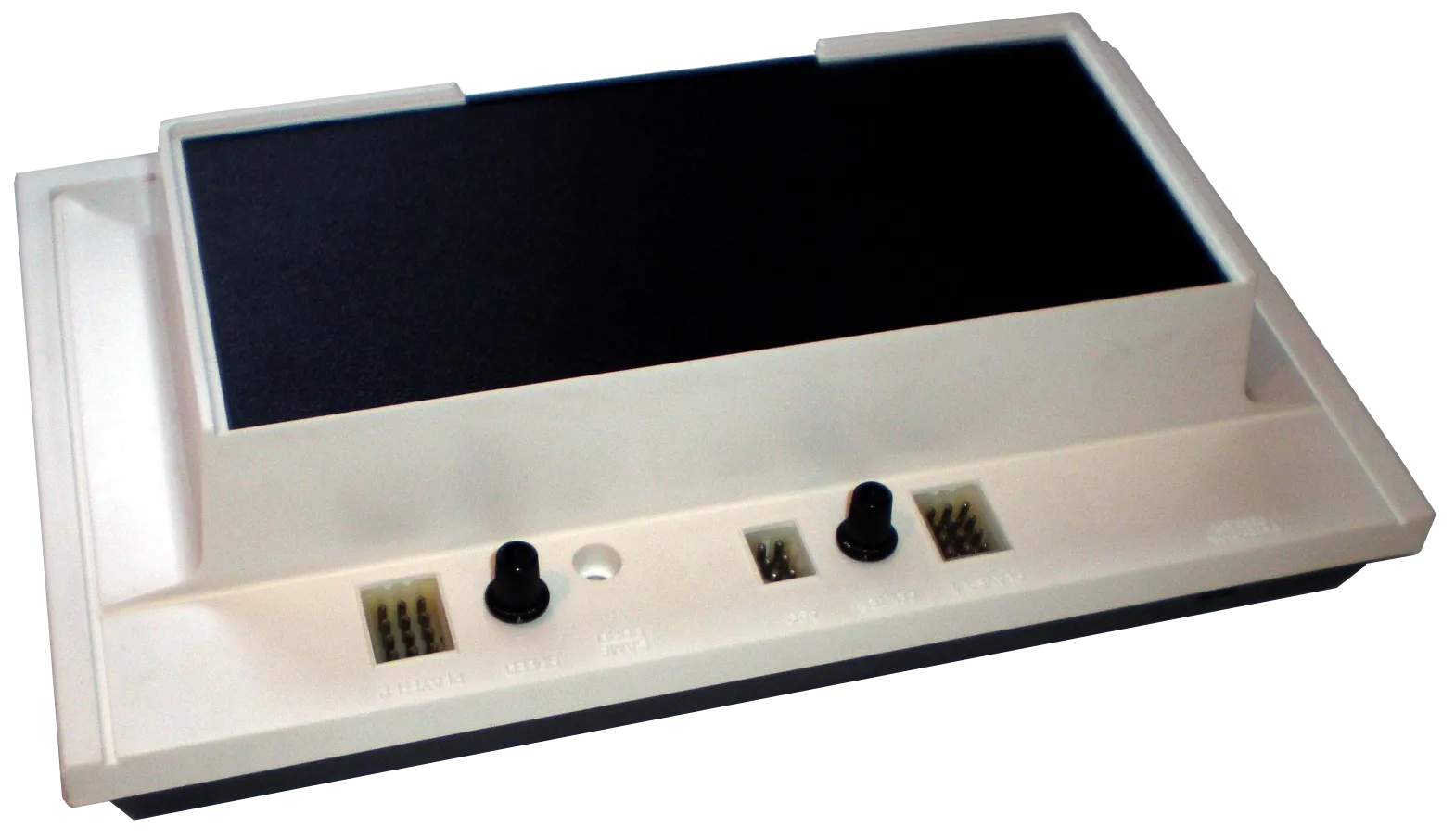
Magnavox Odyssey
In 1966, Ralph Baer - The father of the home consoles (1922–2014) had the idea of using television sets to play games. In 1969, the German-born inventor, who …
Photo: own photograph
Open page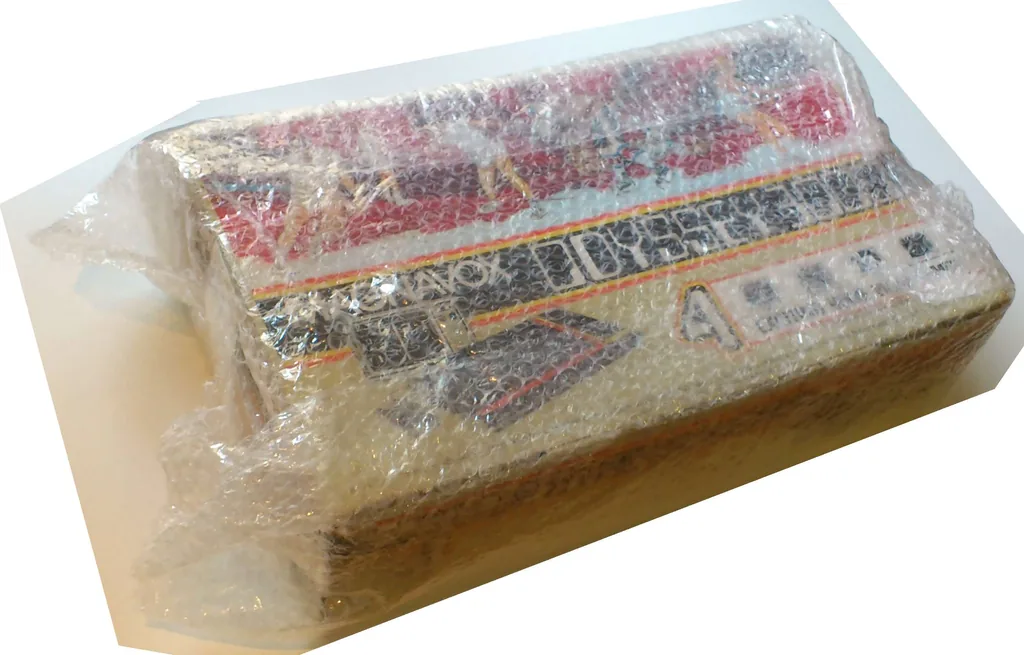
Magnavox Odyssey 3000
The Odyssey 3000 appeared in 1977 with a completely different design from the preceding Odyssey 2000. Both the 2000 and 3000 use the AY-3-8500 as their main …
Photo: own photograph
Open page
Magnavox Odyssey Shooting Gallery
Shooting Gallery is an accessory for the Magnavox Odyssey. The box contains a rifle made of high quality materials, two additional plug-in modules, four screen …
Model illustration · Image: BelgianBiscuit4 · CC BY-SA 4.0 · Source and original on Wikimedia Commons · WebP, resized where necessary
Open page
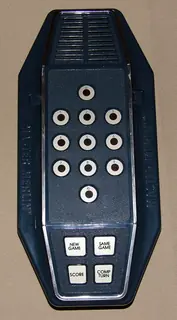
Master Merlin
Master Merlin is one of the first handheld computer games. The game is very successful at the time and sells over five million copies in the USA alone.
Model illustration · Image: Joe Haupt from USA · CC BY-SA 2.0 · Source and original on Wikimedia Commons · WebP, resized where necessary
Open page
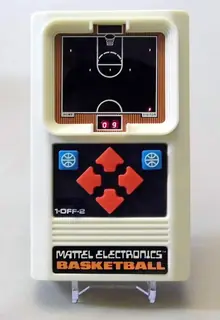
Mattel Basketball
The display of the Mattel Basketball Handheld shows a basketball field and small LED lights that represent the players on the field. You must get past the …
Model illustration · Image: Joe Haupt from USA · CC BY-SA 2.0 · Source and original on Wikimedia Commons · WebP, resized where necessary
Open page
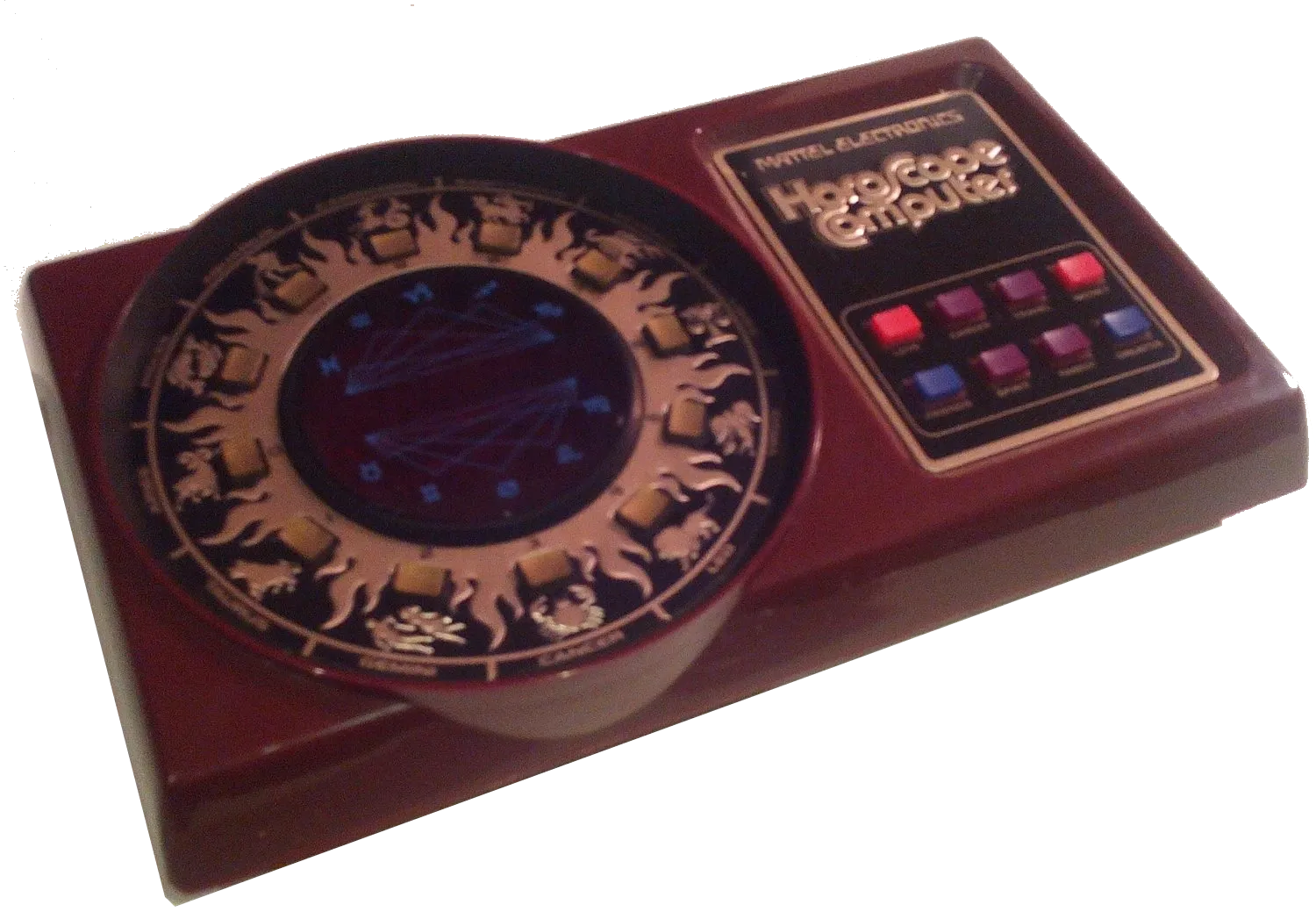
Mattel Horoscope Computer
In addition to the Coleco Zodiac, the Horoscope Computer 1979 is another electronic toy that deals with the personal horoscope. The prediction of the daily …
Photo: own photograph
Open pageMattel Sub Chase
In Sub Chase, the player commands a destroyer and must sink a submarine. A bright LED represents the destroyer on the round playing field. The submarine is …
Open pageMB Computer Logic 5
Computer Logic 5, usually called Comp IV. outside Germany, is based on the logic board game "Mastermind" (one of the most successful games of the 1970s), but …
Open page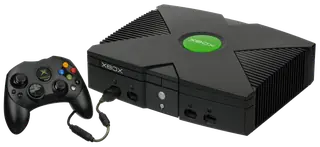
Microsoft Xbox
The XBox is the first American console since Ataris Jaguar five years earlier. It is Microsoft's first step into the console business, except for granted …
Model illustration · Image: Evan-Amos · Public domain · Source and original on Wikimedia Commons · WebP, resized where necessary
Open page
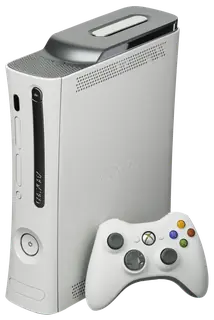
Microsoft Xbox 360
At the time of launch, the Xbox 360 is still subject to some technical problems. In particular, the so-called "Red Ring Of Death", which is expressed by three …
Model illustration · Image: Removed white background. Original by Evan-Amos. · Public domain · Source and original on Wikimedia Commons · WebP, resized where necessary
Open page
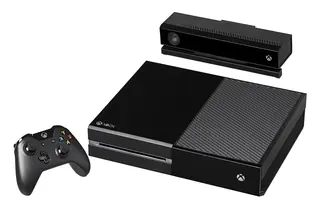
Microsoft Xbox One
The third console of the Xbox family is Xbox One. The name aims at the "all-in-one" function of the console, meaning a holistic entertainment system that not …
Model illustration · Image: Evan-Amos · Public domain · Source and original on Wikimedia Commons · WebP, resized where necessary
Open page
Microsoft Xbox One S
In August 2016, the Xbox One S - the development of Xbox One - will be released. The new console is around 40% smaller than its predecessor and supports the …
Open pageMicrosoft Xbox One X
The Xbox One X was released in 2017 as a more powerful version of the Xbox One family. This page describes the model, not the sales stock.
Open page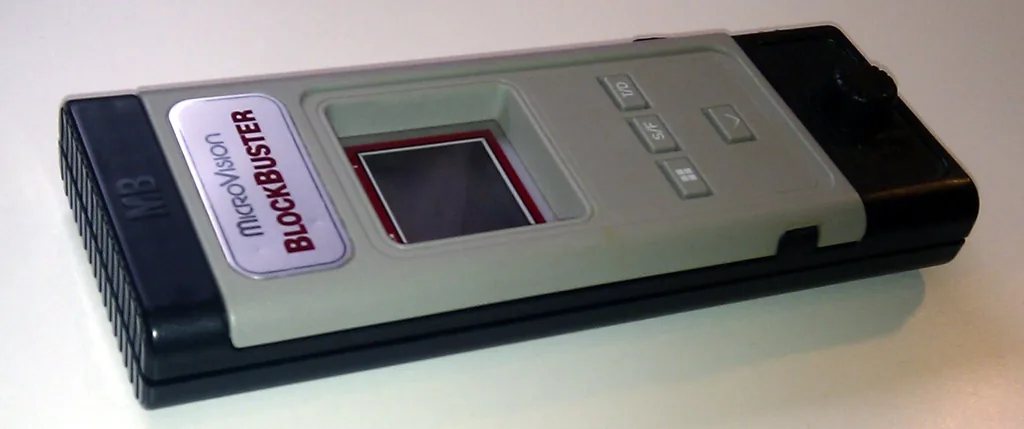
MB MicroVision
The first handheld with replaceable modules is Milton Bradley's MicroVision. Milton Bradley (abbreviated MB) is very successful at the beginning with the …
Photo: own photograph
Open pageMilton Bradley Bigtrak/BIG TRAK
The Big Trak looks like a science fiction utility vehicle driving on a moon or asteroid.
Open page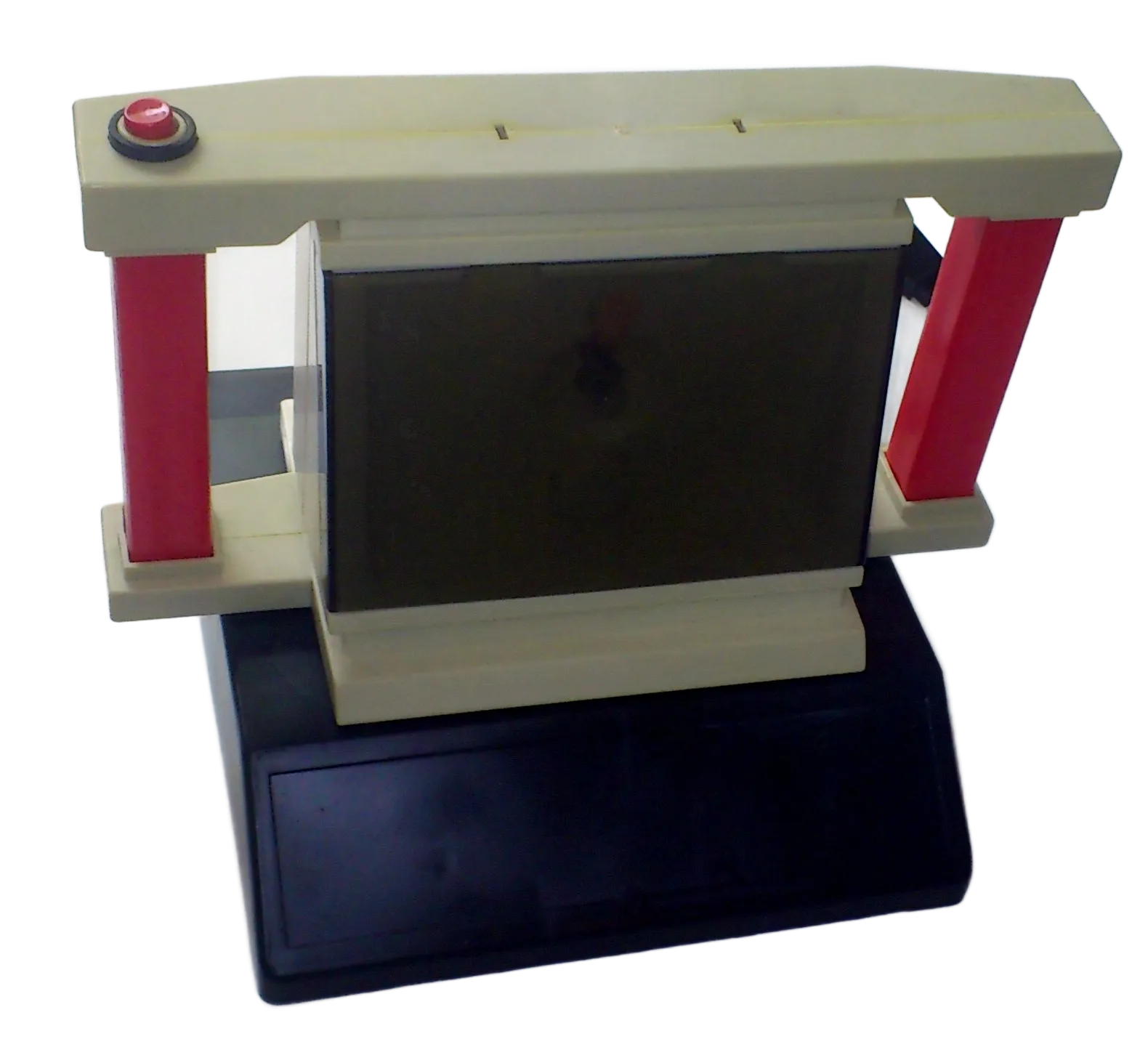
Milton Bradley Cosmic Commander Control
The Cosmic Command Controller is a typical periphery of this era, insofar as a toy manufacturer strives to authentically recreate the gaming feeling of a …
Photo: own photograph
Open page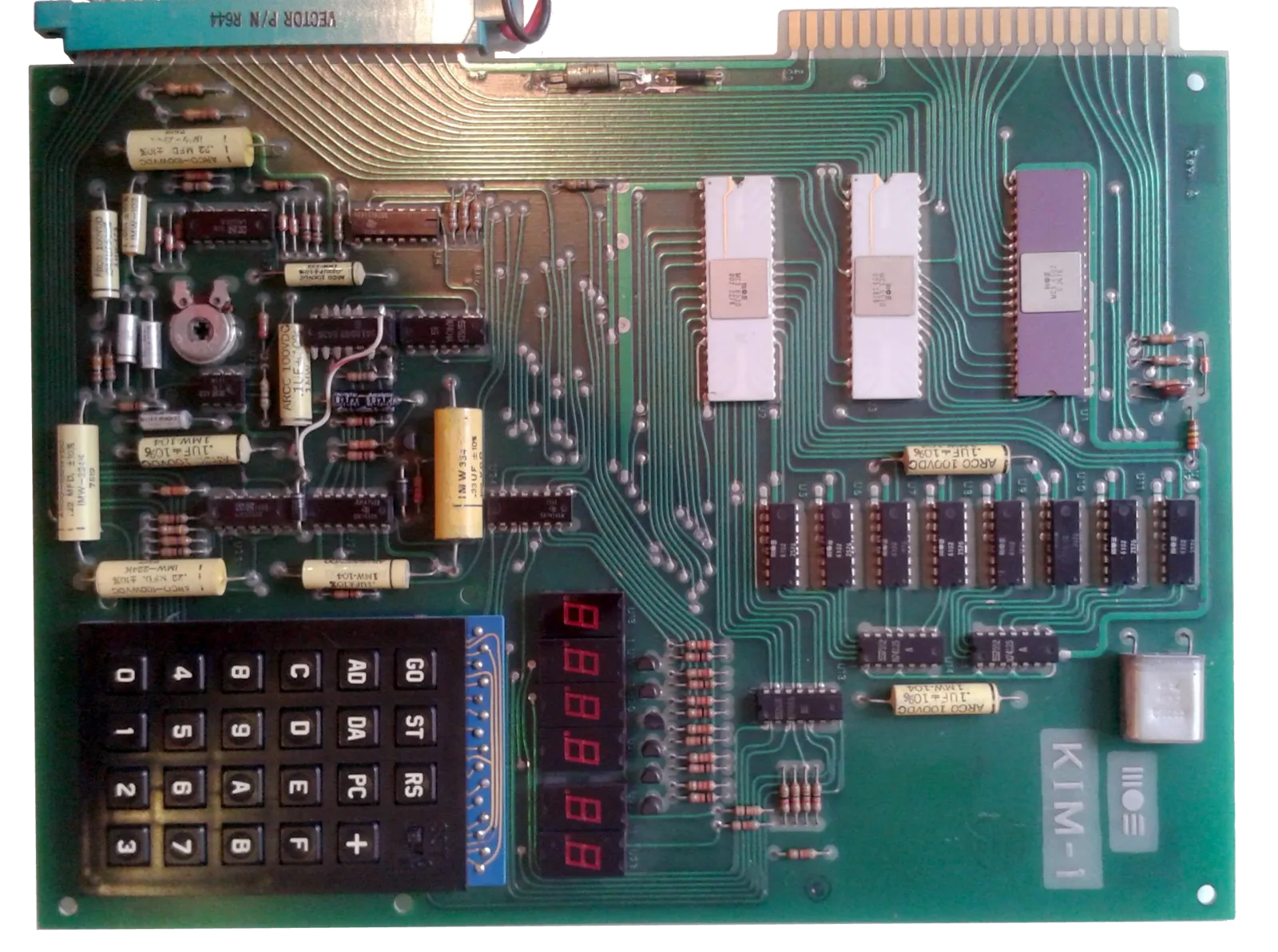
MOS Technology KIM-1
MOS Technology demonstrated the capabilities of its newly developed MCS6502 processor with this relatively simple single-board computer. In summer 1976, the …
Photo: own photograph
Open pageMotorola 6800
The Galvin Manufacturing Corporation was founded in 1928 and builds "Motorola" car radios. "Motor" stands for cars and "ola" is supposed to remind you of …
Open page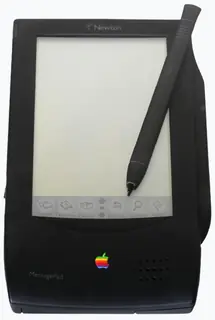
Newton and Apple MessagePad
John Sculley is president and CEO of Apple Computer from 1983 to 1993. One of his favorite projects is Newton, a platform for a PDA (personal digital …
Model illustration · Image: Rama & Musée Bolo · CC BY-SA 2.0 FR · Source and original on Wikimedia Commons · Photograph by Rama, Wikimedia Commons, Cc-by-sa-2.0-fr · WebP, resized where necessary
Open page
NES
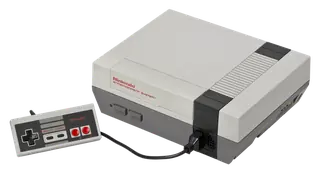
When Nintendo decides to release Famicom in the USA, the video game market there is no longer existing. The experience of the video game crash has also led …
Model illustration · Image: Evan-Amos · Public domain · Source and original on Wikimedia Commons · WebP, resized where necessary
Open page
North Star Horizon
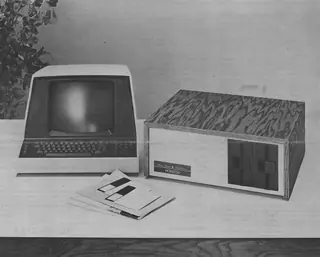
The Horizon from North Star Computers reached the market in autumn 1977, priced at US$1,599 as a kit or $1,899 assembled. It uses the S-100 bus, then the …
Model illustration · Image: Suspiciouscelery · CC0 1.0 · Source and original on Wikimedia Commons · WebP, resized where necessary
Open page
Novag Chess Champion MK 2
The Chess Challenger by Fidelity is the first chess computer on the market in 1977; a short time later, CompuChess of Data Cash follows, which has been …
Open pageNUON Player
The Nuon concept is a standard developed by VMLabs as early as 1995. It consists of equipping DVD players with a chipset, which makes it possible to use …
Open page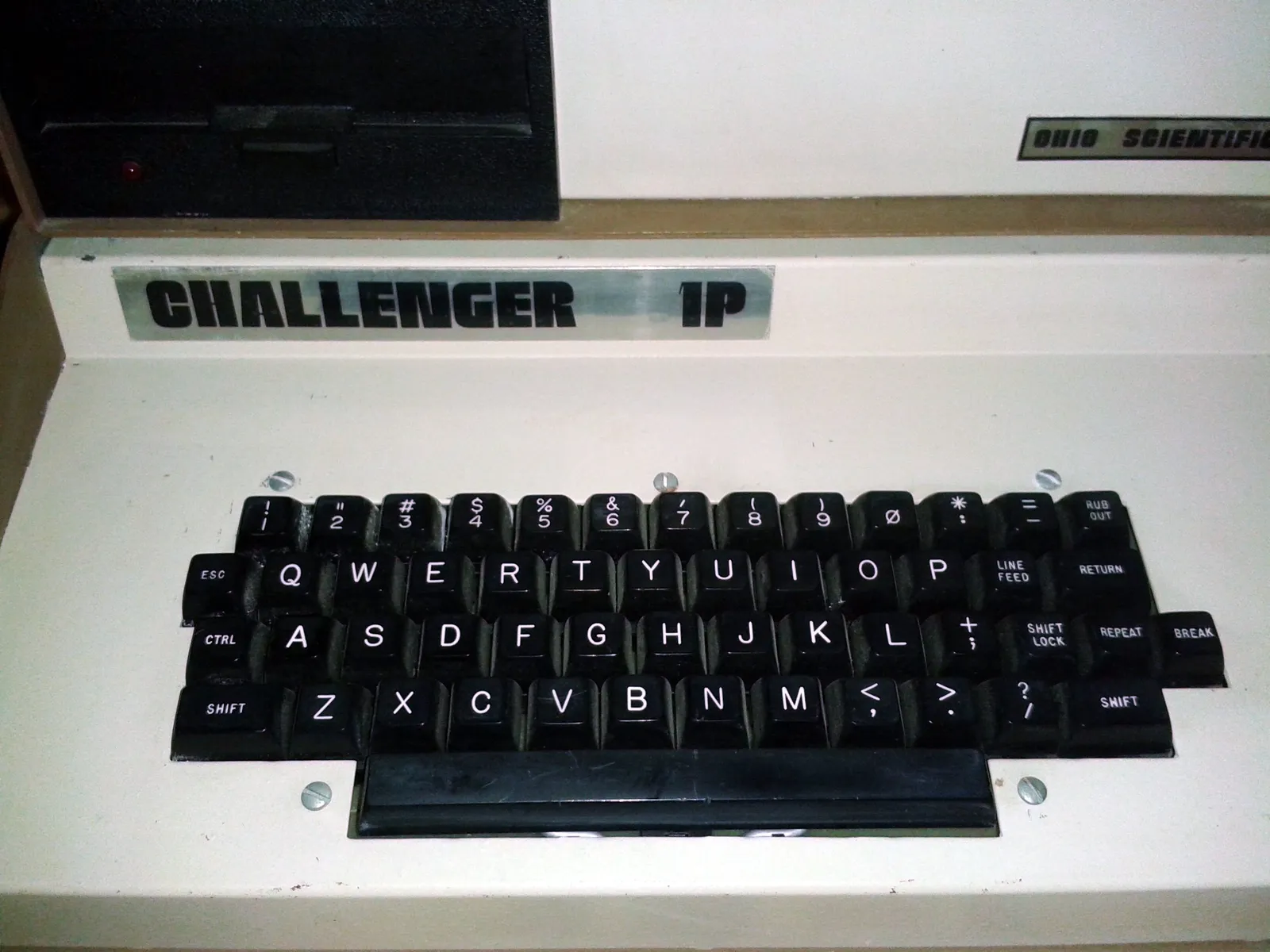
Ohio Scientific Challenger 1P
Ohio Scientific (OSI) was founded in Hiram, Ohio, in 1975 by Mike and Charity Cheiky and Dale A. Dreisbach. It began building 6502-based Challenger computers …
Photo: own photograph
Open page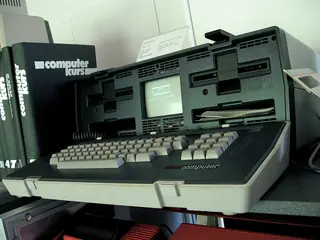
Osborne 1
The Osborne 1 is regarded as the first commercially successful portable computer. Adam Osborne founded the Osborne Computer Corporation for the project, and …
Model illustration · Image: Marcin Wichary · CC BY 2.0 · Source and original on Wikimedia Commons · WebP, resized where necessary
Open page
Palm Pilot
The first handheld of Palm Computing (later a part of U.S. Robotics, then 3Com, then HP) is the Palm of 1996. It has a monochrome LCD touchscreen and a …
Open page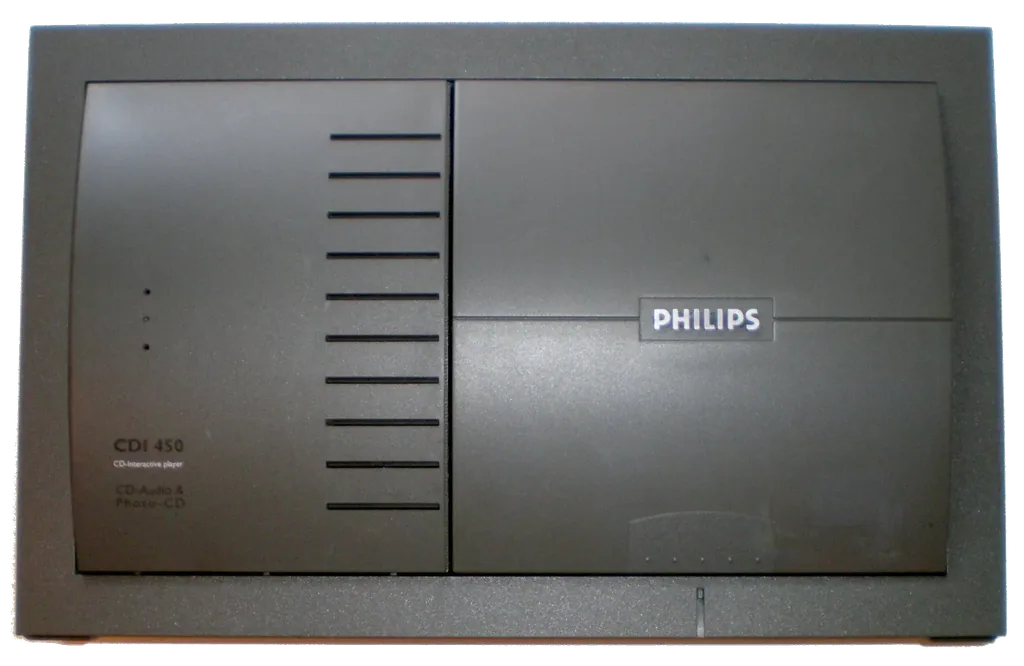
Philips CD-i
Released in October 1991, the CD-i (Compact Disc Interactive) is a multimedia system developed mainly by Philips, with some involvement from Sony. Philips …
Photo: own photograph
Open pagePhilips CD-i 360
The CD-i (short for Compact Disc Interactive), which was released in October 1991, was a multimedia system developed primarily by Philips and partly by Sony …
Open page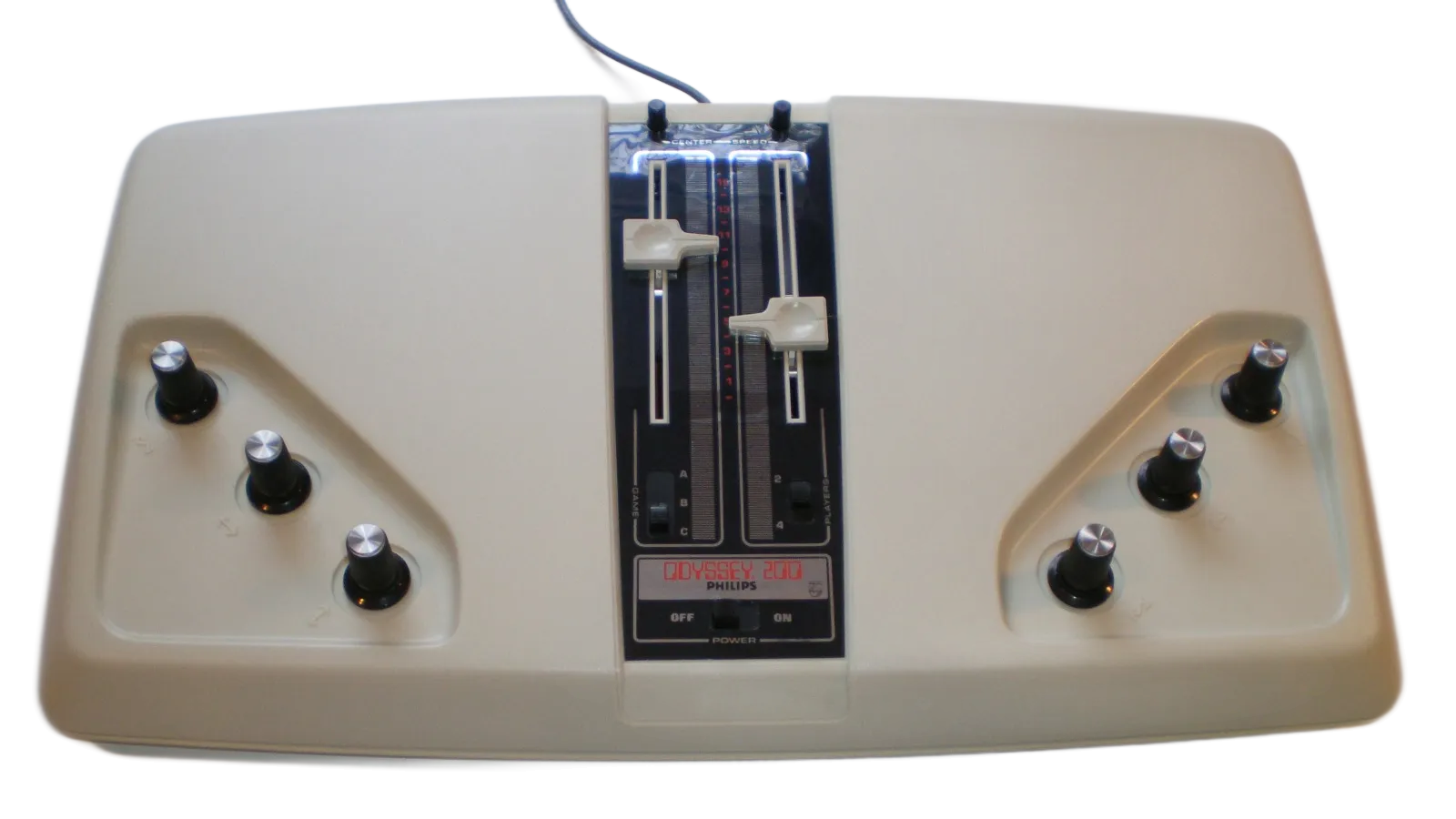
Philips Odyssey 200
The Philips Odyssey 200 home Pong console belongs to the Magnavox Odyssey series, which appeared between 1972 and 1978. Marketed as “America’s interesting home …
Photo: own photograph
Open page
Philips Odyssey 2001
In 1972, Magnavox introduced the Odyssey, the first video game console. Philips bought the American company in 1974 and released the Philips Odyssey 2001 in …
Model illustration · Image: Video_games_(1970's).png: Swiss Museum of Games derivative work: Arosio Stefano (talk) · CC BY-SA 3.0 · Source and original on Wikimedia Commons · WebP, resized where necessary
Open page

Pong Chip General Instruments AY-3-8500
The first home console, Magnavox Odyssey (1972), realizes games using simple electronic building blocks. Three years later, Atari follows with a home version …
Open pageRalph Baer - The father of the home consoles
Ralph Baer was born in Germany in 1922. In 1938, he and his Jewish family fled Nazi persecution to the USA. He graduated from the private National Radio …
Open page
RCA Studio II
Studio II is technically much inferior to Channel F, which is already available at the start of the sale, and the Atari VCS, which is only a few months later.
Model illustration · Image: Evan-Amos · CC BY-SA 3.0 · Source and original on Wikimedia Commons · WebP, resized where necessary
Open page
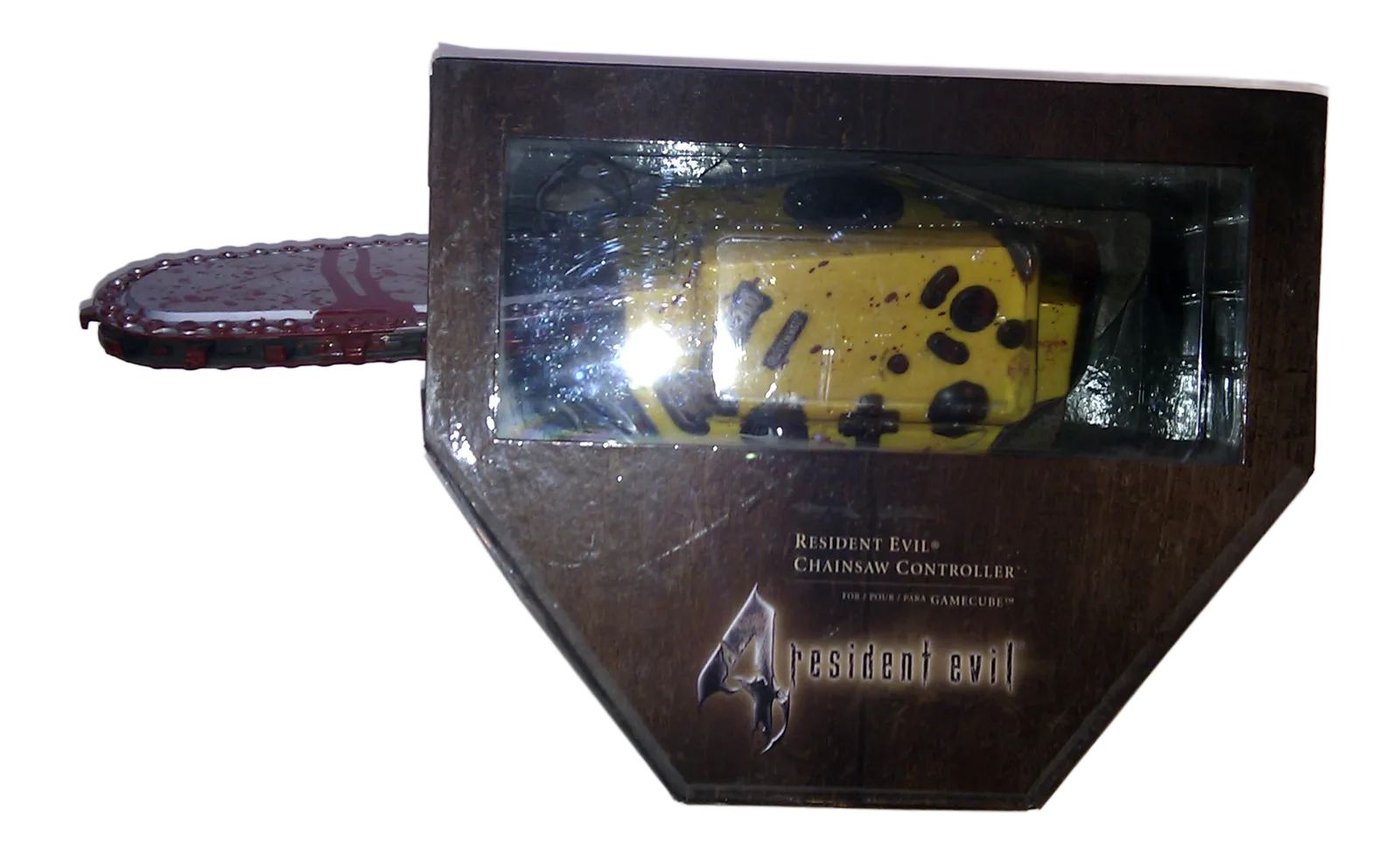
Resident Evil 4 Chainsaw Controller
The Chainsaw Controller, limited to 50,000 copies worldwide, was originally developed exclusively for the GameCube version of Resident Evil 4. Because of the …
Photo: own photograph
Open pageRoll N' Rocker
The Roll N' Rocker, developed by LJN Toys, is an accessory for the NES. Under the disc is a kind of ball, so the player has to balance in different directions …
Open page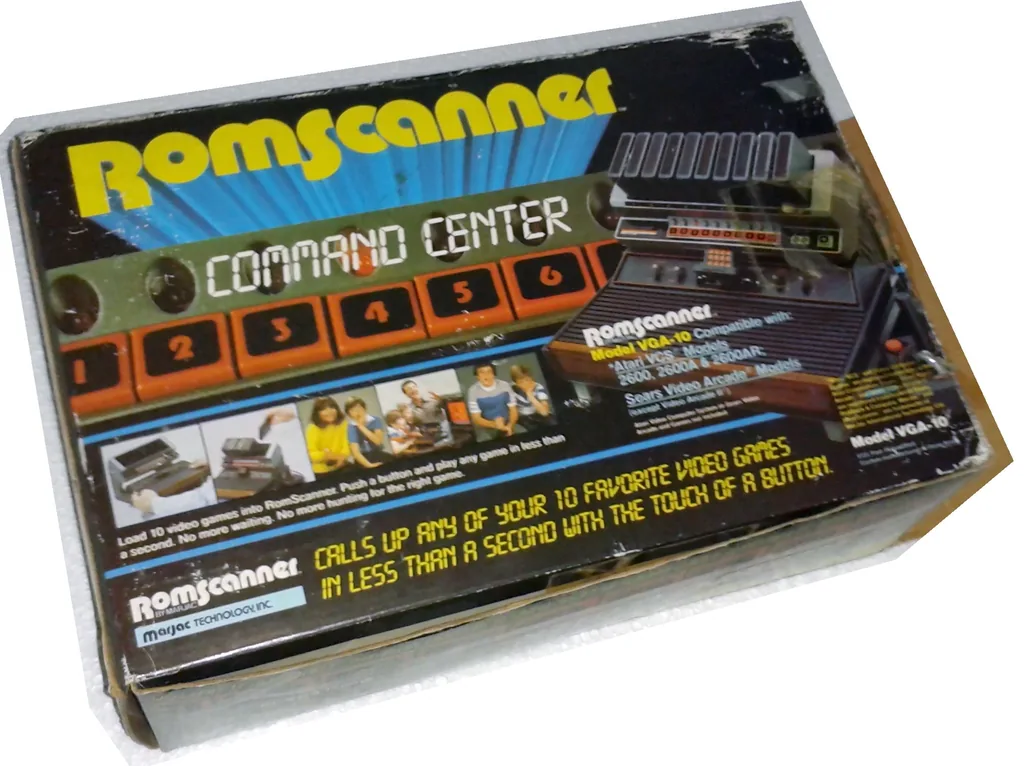
Romscanner Command Center
The Romscanner Command Center is just one of several similar systems that make it unnecessary to switch modules in the Atari 2600. Several modules are plugged …
Photo: own photograph
Open pageSega Activator
The Activator was released in 1993 by Sega in America and is an all-body octogonal control unit for the Sega Mega Drive. The controller consists of eight …
Open pageSega Family Driver
Sega's Family Driver is a special console: it's a kind of racing game in which the events on the screen are not influenced, nor can you speak of a real video …
Open page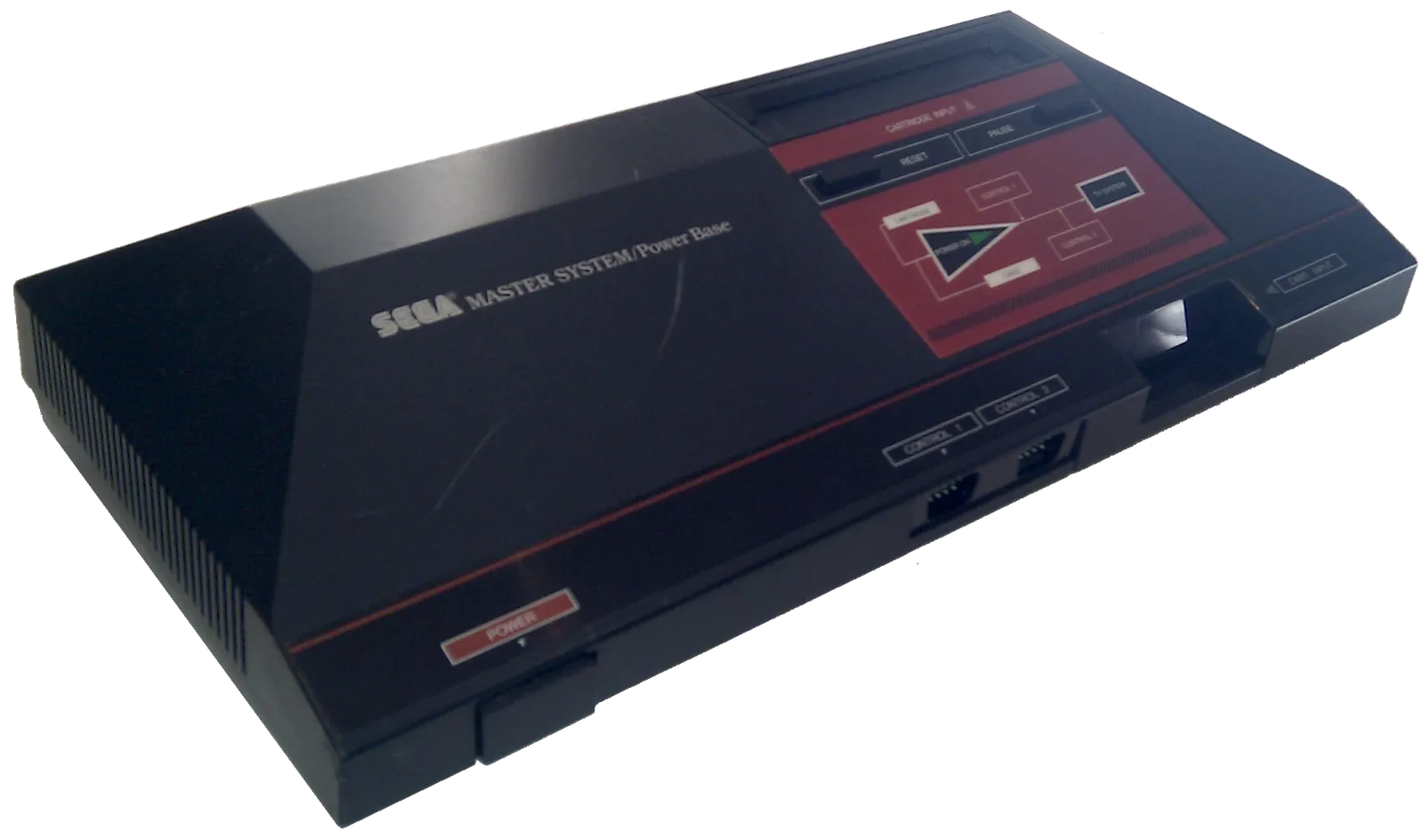
Sega Master System
The Master System is the version of the Sega Mark III produced for the West. The exterior, like Nintendo's NES, has been changed for the western market, but …
Photo: own photograph
Open page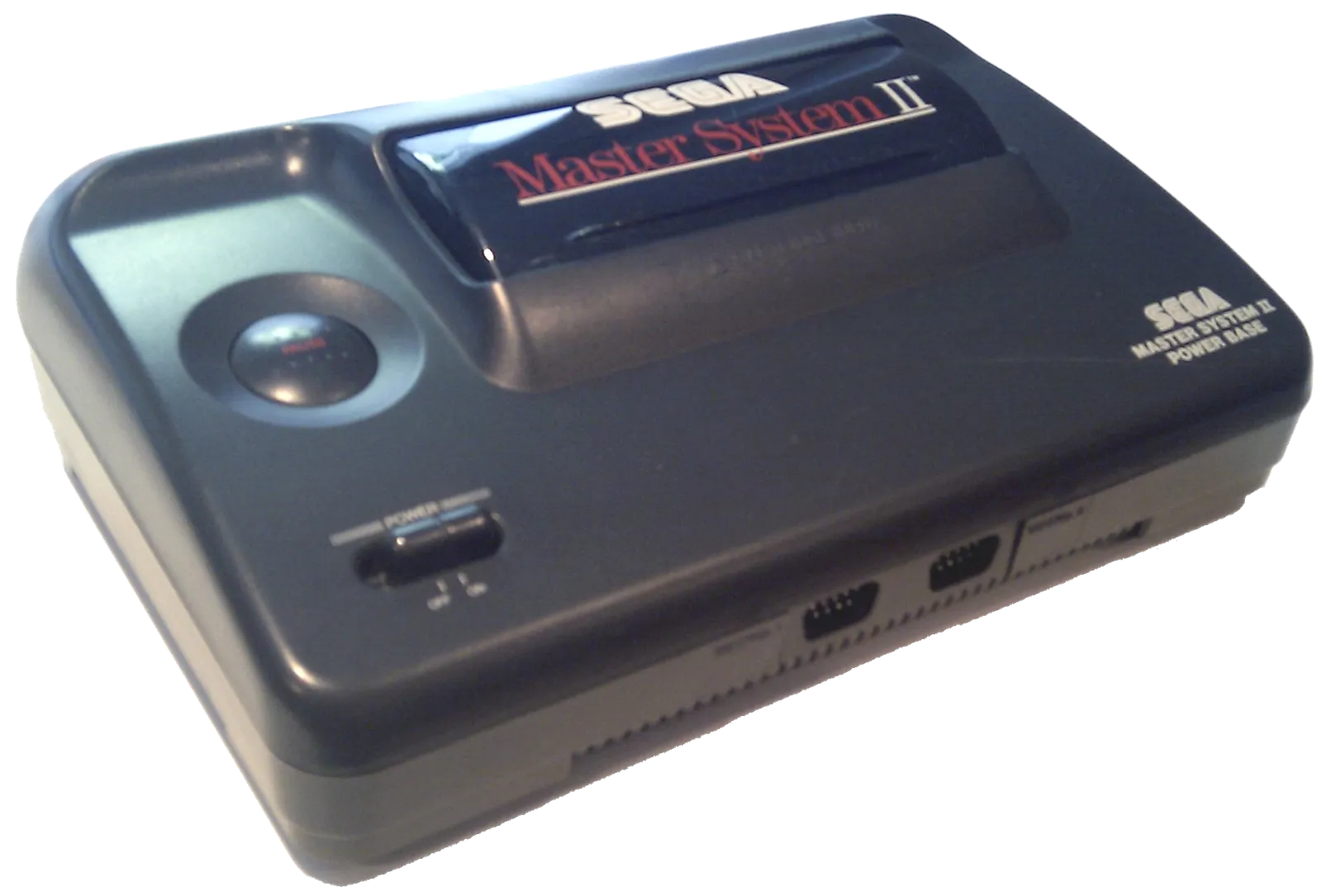
Sega Master System II
Sega is disappointed with the performance of the master system on the American market. When the Mega Drive was introduced in the USA in 1990, it was decided to …
Photo: own photograph
Open page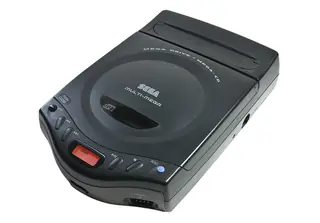
Sega Multi Mega
The Sega Multi-Mega or Sega CDX (USA) is a combination of Sega Mega Drive and Sega Mega-CD limited to 5,000 pieces. It is slightly larger than a discman …
Model illustration · Image: © Bill Bertram (Pixel8) 2008 · CC BY-SA 3.0 · Source and original on Wikimedia Commons · WebP, resized where necessary
Open page
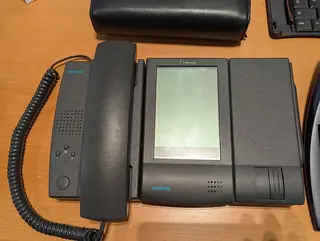
Siemens NotePhone
The Apple Newton is, as far as its text input is concerned, a revolutionary device -- but you can't make calls with it. To make the MessagePad a useful desk …
Model illustration · Image: Thomas Vogt from Paderborn, Deutschland · CC BY 4.0 · Source and original on Wikimedia Commons · WebP, resized where necessary
Open page
SMS and SLT from IBM
At the end of the 1950s, IBM created a modular system for minicomputers with the Standard Modular System (SMS). The cards have a standardized size of 114 × 67 …
Open page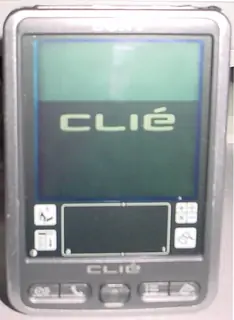
Sony CLIÉ
Sony distributes PDAs with the Palm operating system between 2000 and 2005. The CLIÉ series focuses on multimedia properties, i.e. photo and video display as …
Model illustration · Image: User:Dashwarts · CC BY-SA 3.0 · Source and original on Wikimedia Commons · Dashwarts · WebP, resized where necessary
Open page
Spectravideo CompuMate Extension (SV-010) for Atari VCS
In the early 80s, several expansions appeared, or were at least announced, that could turn games consoles into home computers. This became necessary as …
Open page
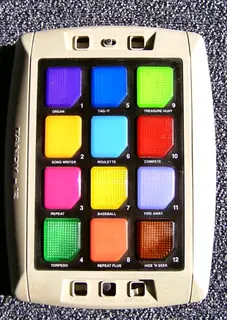
Tandy Corporation Tandy-12
The Tandy-12 is a computer-based arcade toy with twelve built-in games. It is developed and produced by the American company Tandy Corporation and then sold in …
Model illustration · Image: Kungfuman · CC BY-SA 3.0 · Source and original on Wikimedia Commons · WebP, resized where necessary
Open page
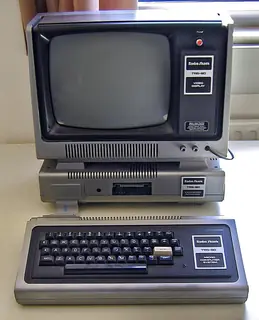
Tandy TRS-80 Model 1
The TRS-80 is one of the first home computers. The Z80 processor gives the computer its name: TRS-80 = Tandy Radio Shack - Z80. The American electronics …
Model illustration · Image: Modified version of image by Flominator (talk) (Minor changes by Ubcule) · CC BY-SA 3.0 · Source and original on Wikimedia Commons · Flominator · WebP, resized where necessary
Open page
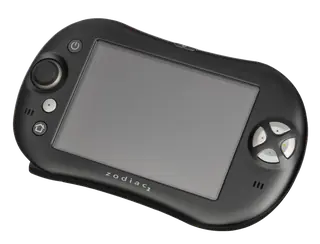
Tapwave Zodiac
The Zodiac combines a handheld games console, media player and organiser. US company Tapwave launched it in late 2003. It runs the Palm operating system …
Model illustration · Image: Evan-Amos · CC0 1.0 · Source and original on Wikimedia Commons · WebP, resized where necessary
Open page
Tennis For Two
14 years before Pong established the video game industry, William Higinbotham built the first tennis video game, described here as the first video game of all …
Open page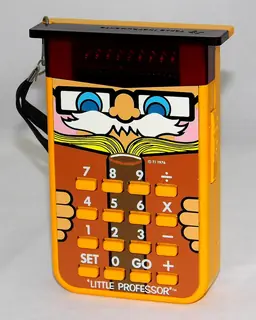
Little Professor
The "Little Professor" is a series of electronic toys by Texas Instruments (TI), which addresses children between the ages of 5 and 9 to learn arithmetic. In …
Model illustration · Image: Joe Haupt from USA · CC BY-SA 2.0 · Source and original on Wikimedia Commons · WebP, resized where necessary
Open page
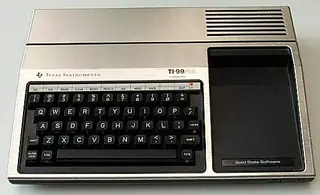
Texas Instruments TI-99/4A
In November 1979, the TI-99/4 was the first home computer of Texas Instruments in the United States. The combination of computers and matching TVs is sold by …
Model illustration · Image: No machine-readable author provided. SanderK assumed (based on copyright claims). · Public domain · Source and original on Wikimedia Commons · WebP, resized where necessary
Open page
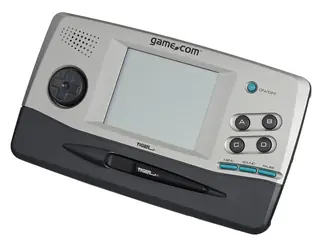
Game.com
At its 1997 launch, Game.com was the most technically advanced handheld console. It offered Internet access through a modem, a touchscreen and familiar …
Model illustration · Image: Evan-Amos · Public domain · Source and original on Wikimedia Commons · WebP, resized where necessary
Open page
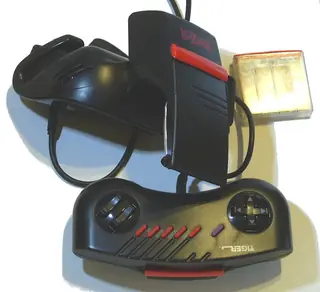
Tiger R-Zone
Tiger Electronics is an American manufacturer that has been in the electronic games business since 1978. Often it was simple LCD games, but Tiger Electronics …
Model illustration · Image: Museo8bits · CC BY-SA 2.5 · Source and original on Wikimedia Commons · Miguel Durán · WebP, resized where necessary
Open page
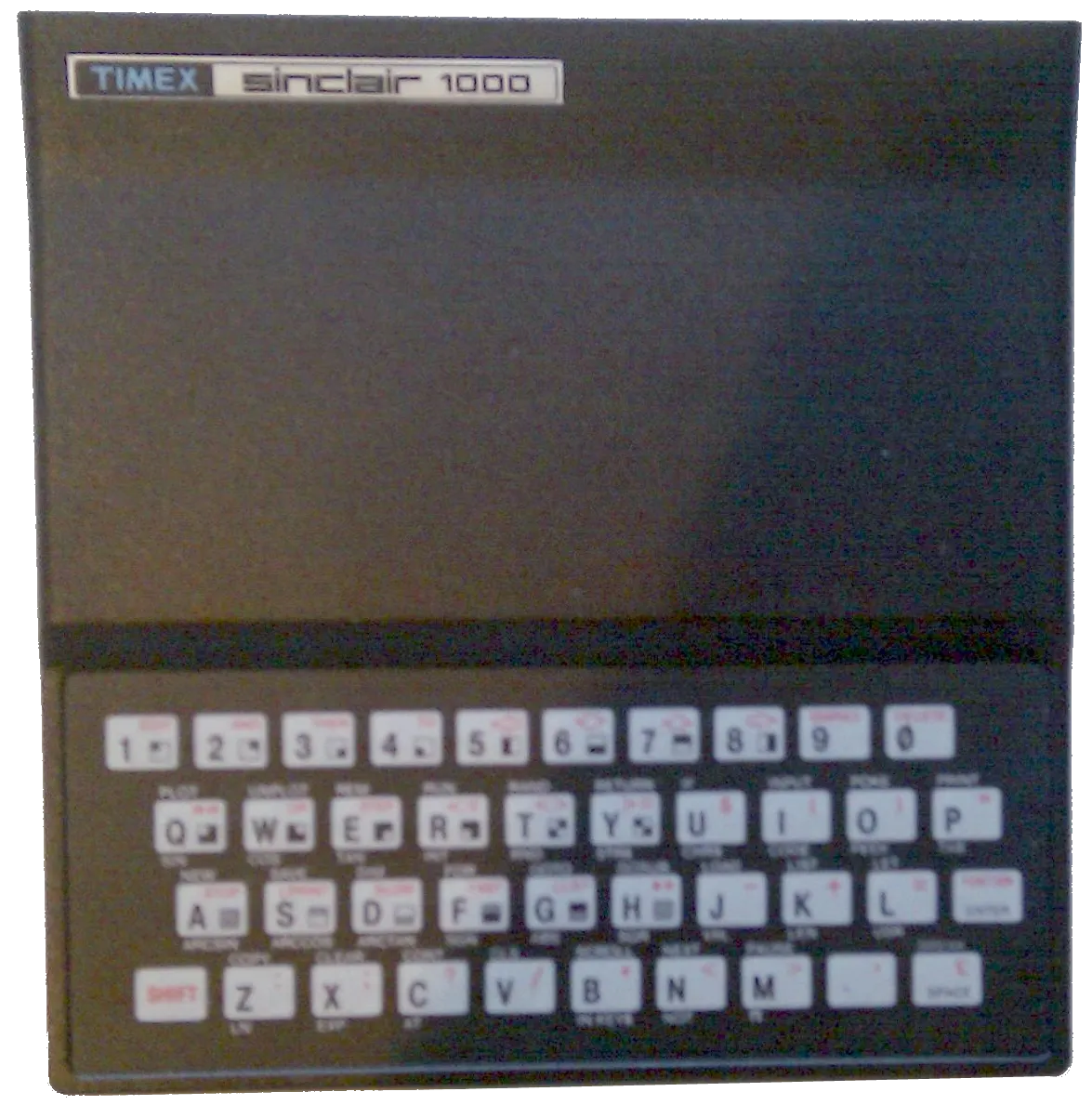
Timex Sinclair 1000
Timex Sinclair 1000: the device entry with a classification in the model series next to the Timex Sinclair 1500.
Photo: own photograph
Open pageTransistors and transistor computers
Due to their immense size and high power consumption, tube computers are not attractive for companies. This changes through the transistor. It controls low …
Open pageTubes and tube computers
A relay has only a limited speed as a mechanical construct. Only the introduction of the electron tube accelerates the switching processes by a thousand times …
Open page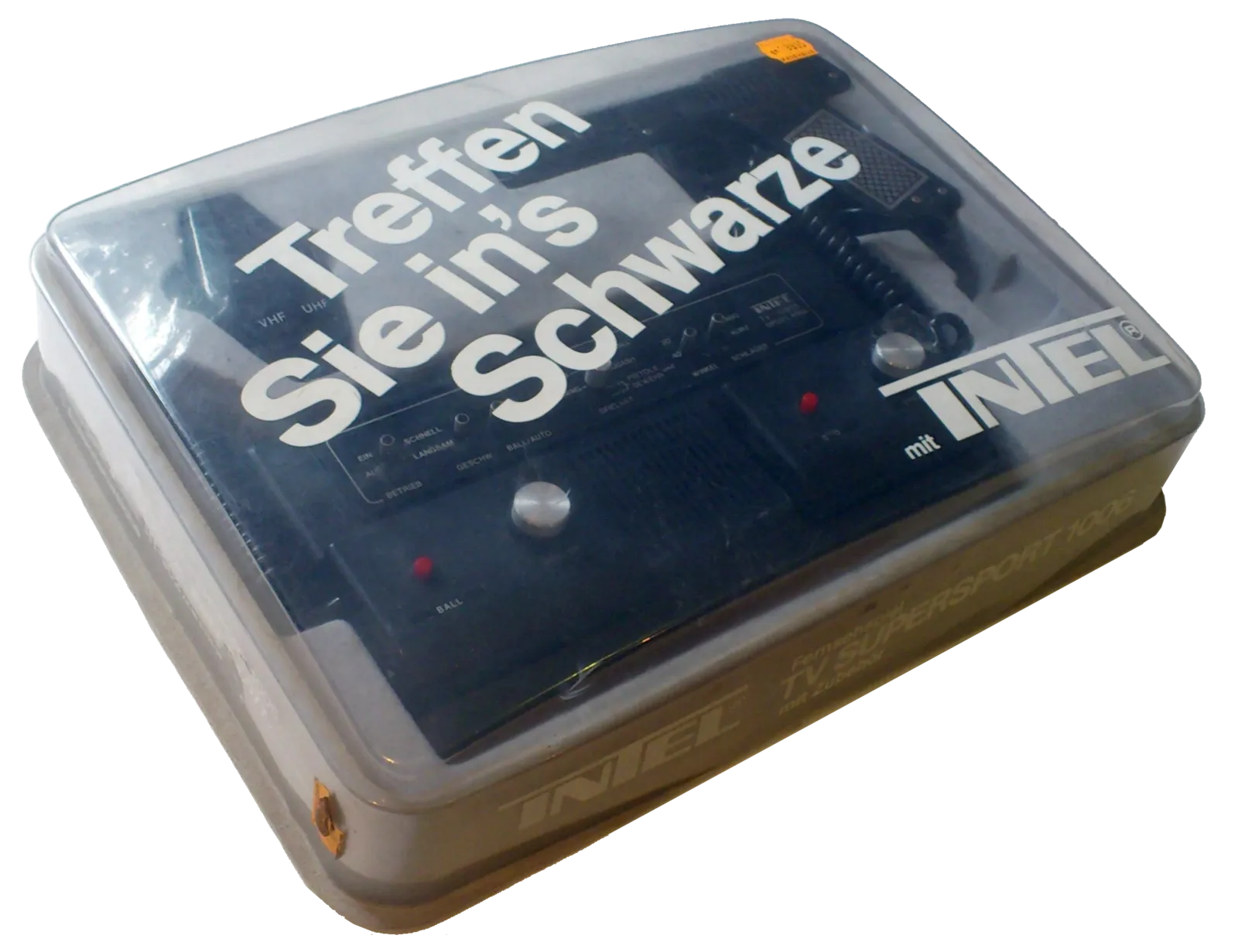
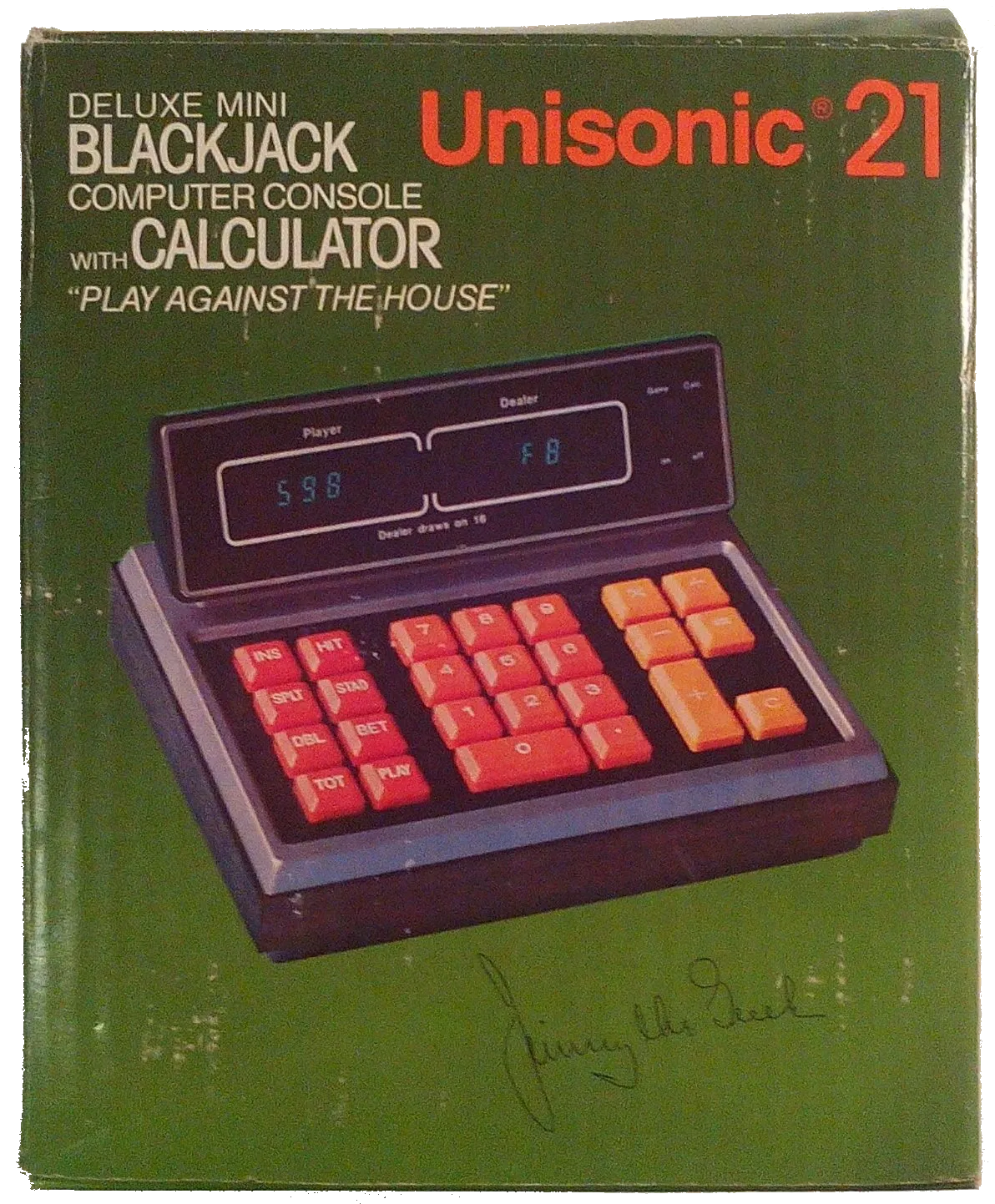
Unisonic 21
In the 1970s and 1980s, Unisonic released several calculators, each with a different electronic game. The Unisonic 21 plays blackjack: players try to reach as …
Photo: own photograph
Open page
Vectrex
The Vectrex offers a technology that no other home console has before or after: the image is not built line by line, but via vectors – hence the name.
Model illustration · Image: Evan-Amos · CC BY-SA 3.0 · Source and original on Wikimedia Commons · WebP, resized where necessary
Open page
VideoBrain 101A
Umtech introduced the VideoBrain Family Computer at the end of 1977 for 499.95 USD, but due to the low success the production ends already in March 1978. The …
Model illustration · Image: Burton2008 · Public domain · Source and original on Wikimedia Commons · WebP, resized where necessary
Open page
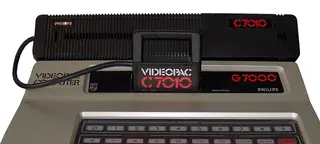
Videopac C7010
With the extension C7010, the G7000 and the later released successor model G7400 can be upgraded to a chess computer. The hardware is not on the module alone …
Model illustration · Image: boffy_b · Copyrighted free use · Source and original on Wikimedia Commons · WebP, resized where necessary
Open page
